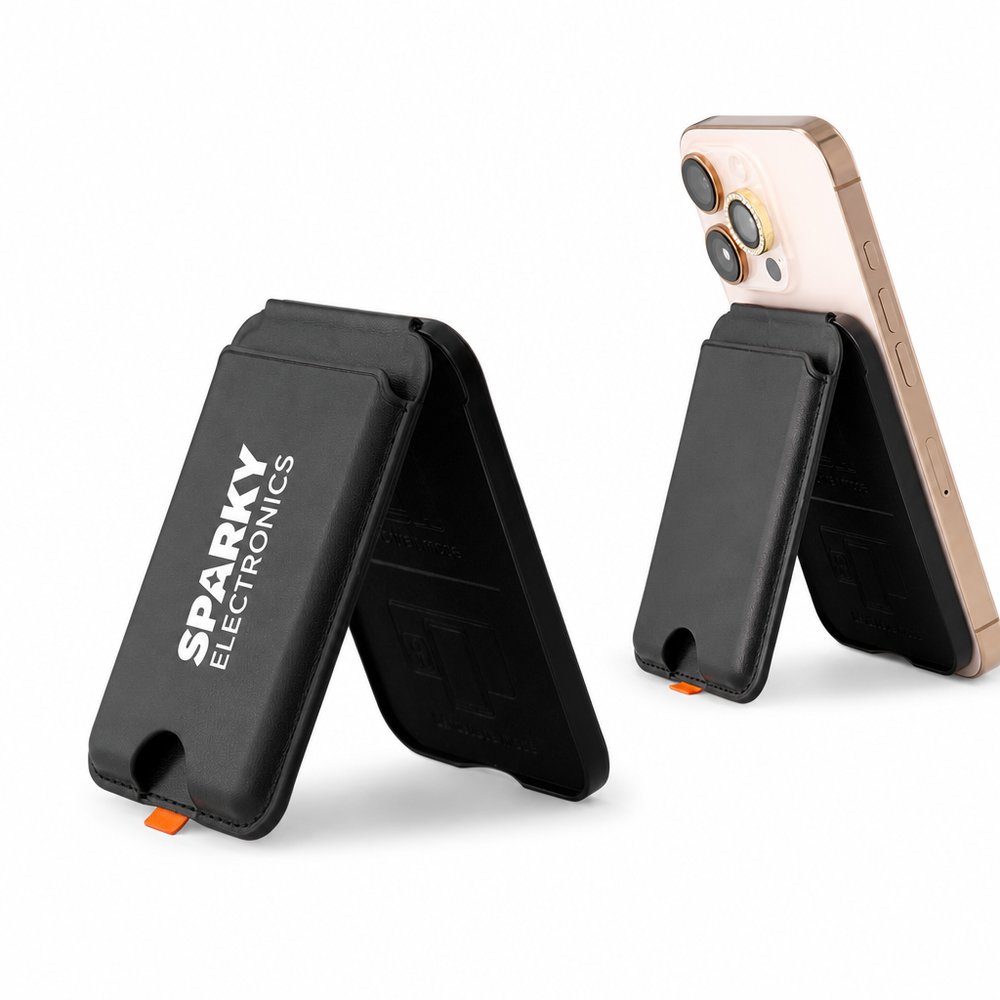
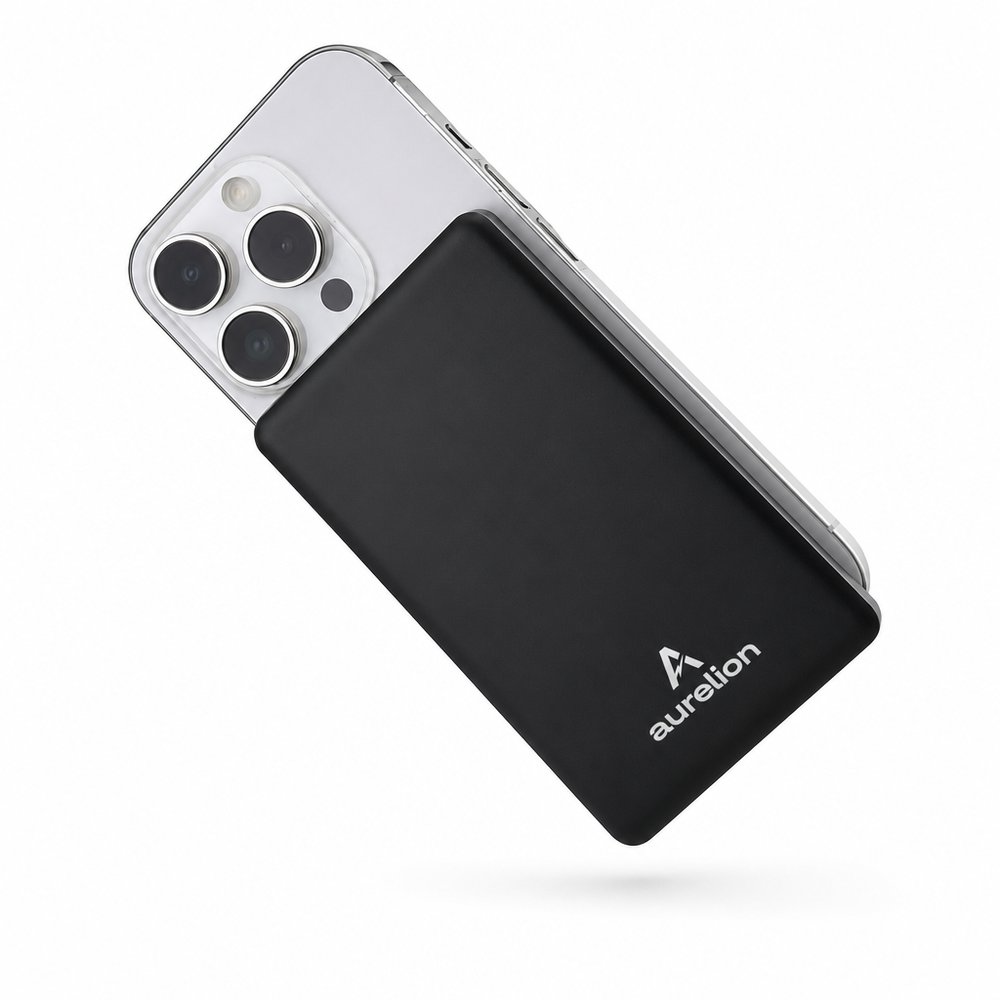
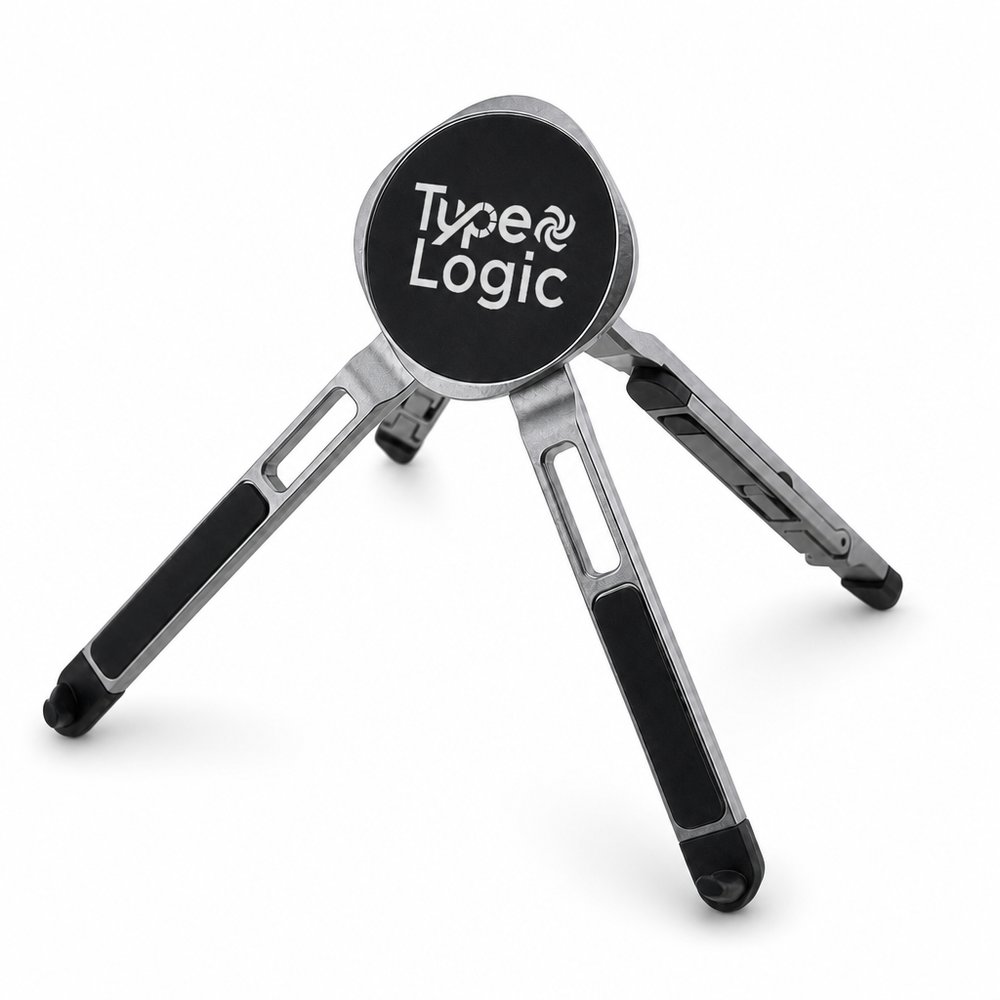
It magnetises itself to the one object your audience checks 96 times a day — every tap, call and card-swipe becomes a brand impression at under $11 a unit.
Our definitive quarterly edit — the 100 products we'd happily put our own logo on.
The products we would choose if we were branding them for ourselves
There are thousands of products that can carry a logo. The Sense2 100 is our quarterly edit of the products that deserve to.
Each piece is selected for the role it can play in someone's life: the charger that stays in the travel bag, the bottle that appears at every meeting, the jacket that becomes part of the weekly wardrobe or the object that quietly earns a permanent place at home.
This is not a list of the most expensive products, the newest arrivals or the products with the largest print area. It is a living index of what good branded merchandise looks like now — chosen for usefulness, design, material quality, branding potential and one simple question: would someone be pleased to receive it, and continue choosing to use it?
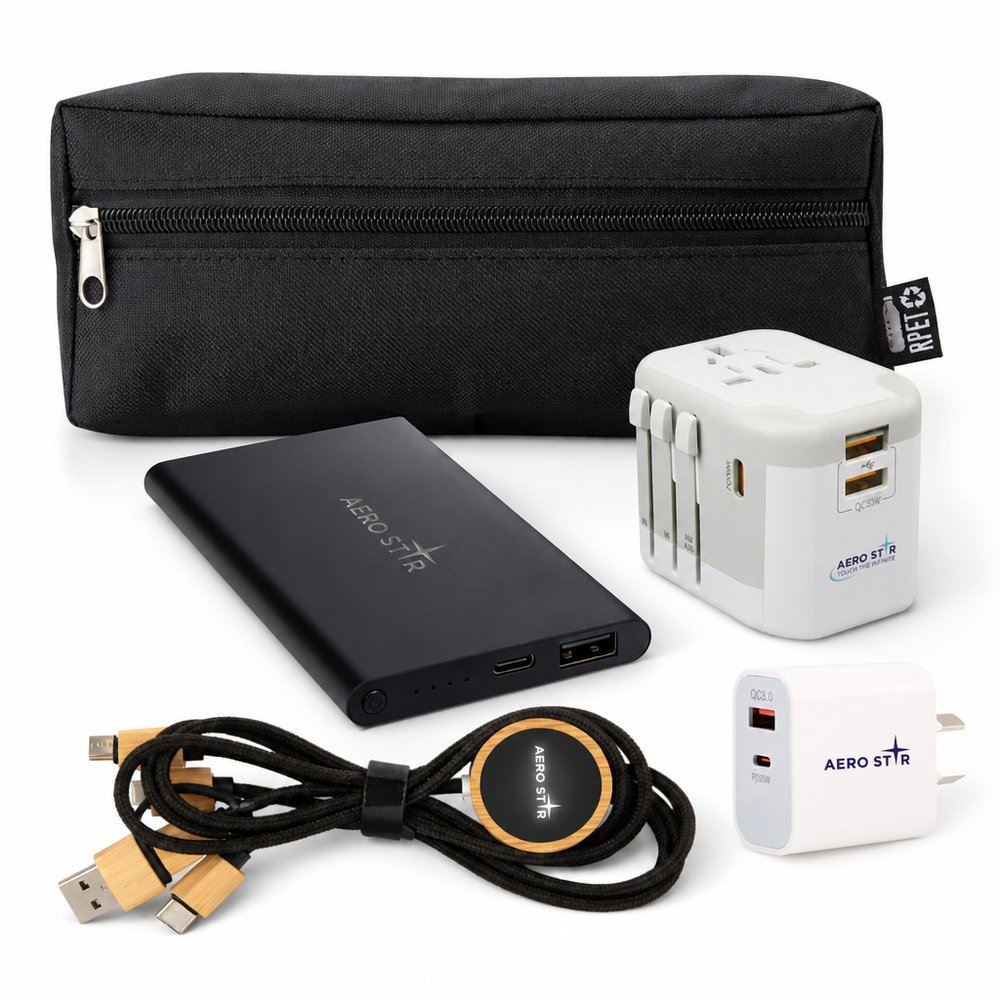
Tech gifts have the highest retention rate of any promotional category — people don't throw away a working charger. These are the ones worth giving.
10 products
Best branding move: Keep branding away from buttons, screens and functional surfaces. Use engraving, fine monochrome print or a discreet mark on the case — let packaging carry the fuller brand story.

It magnetises itself to the one object your audience checks 96 times a day — every tap, call and card-swipe becomes a brand impression at under $11 a unit.

It quietly ends the three-cable mess on the nightstand, putting your logo at the last spot someone looks before sleep — phone, watch and buds finally on speaking terms.

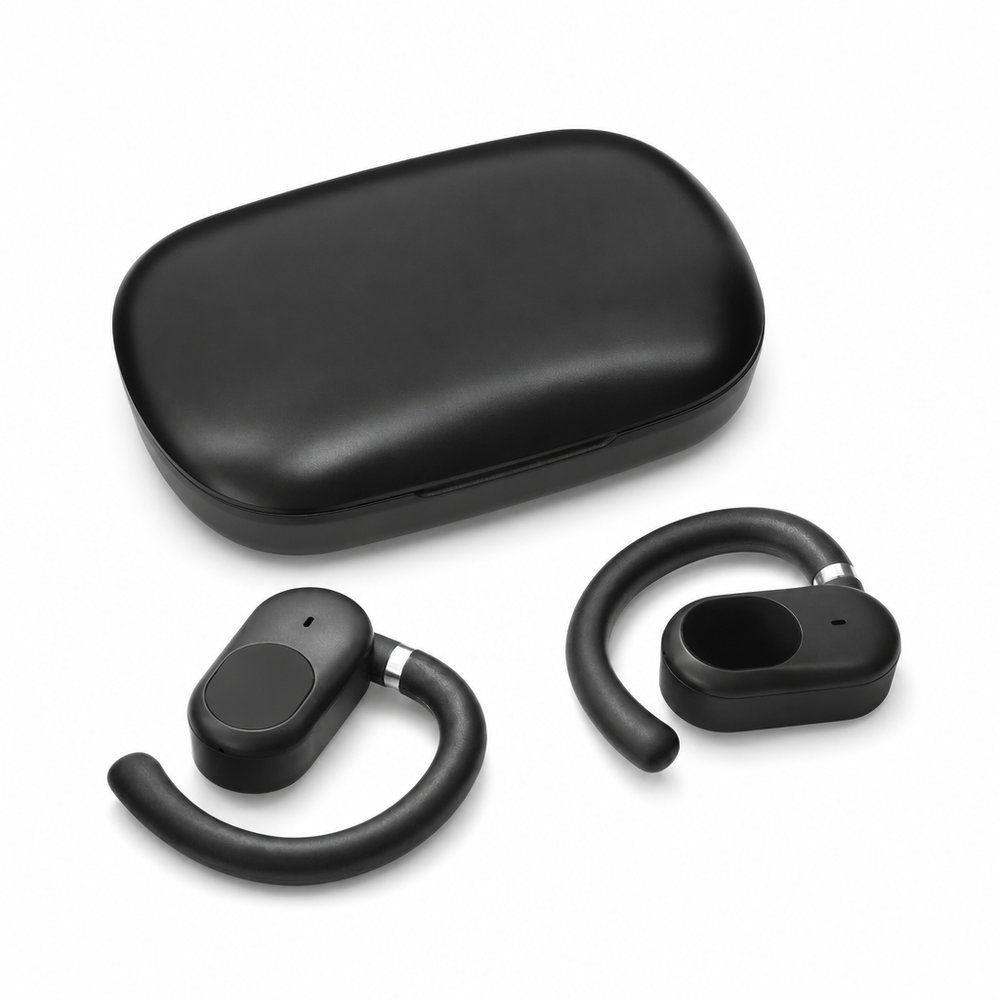
Sub-$15 open-ear audio that keeps the wearer connected to their surroundings — music in, world not out. The tech gift for brands selling presence and movement rather than escape.

Nine millimetres thin and magnetically attached to the most-checked device someone owns — not a gift they store, hardware they adopt.

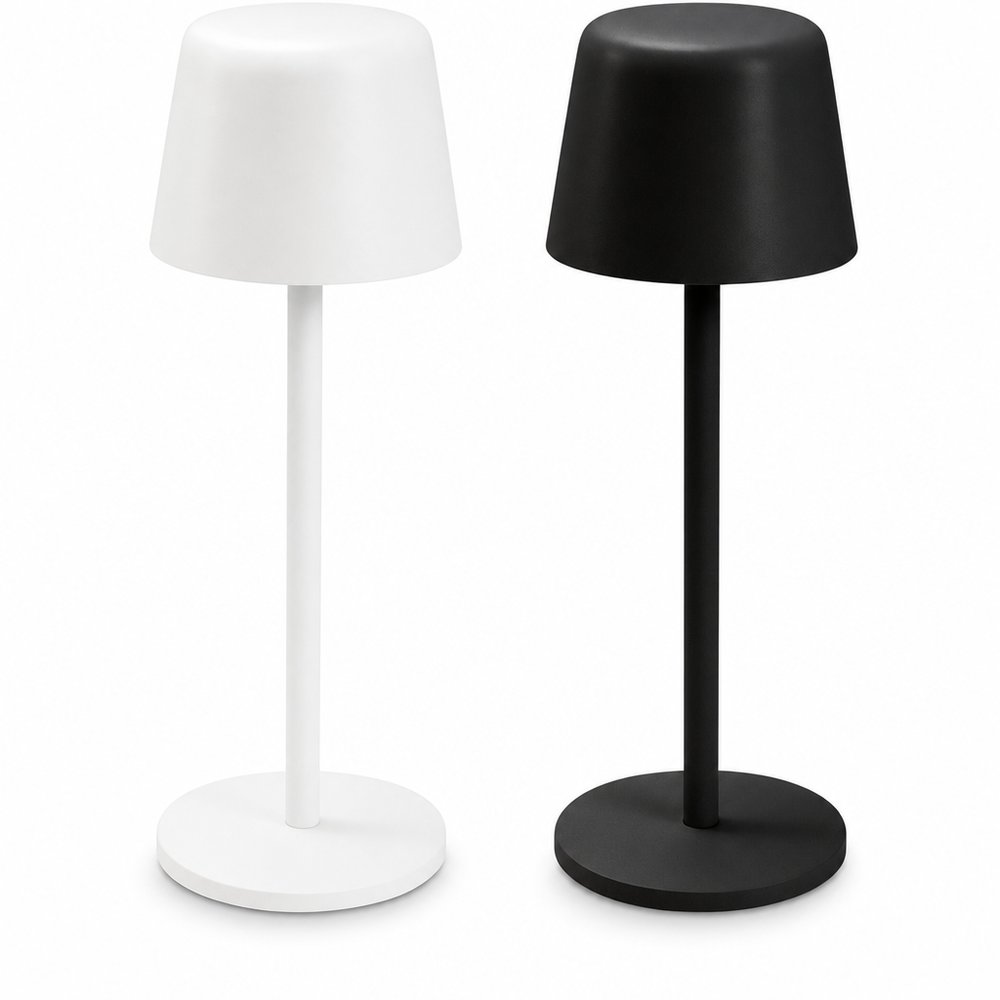
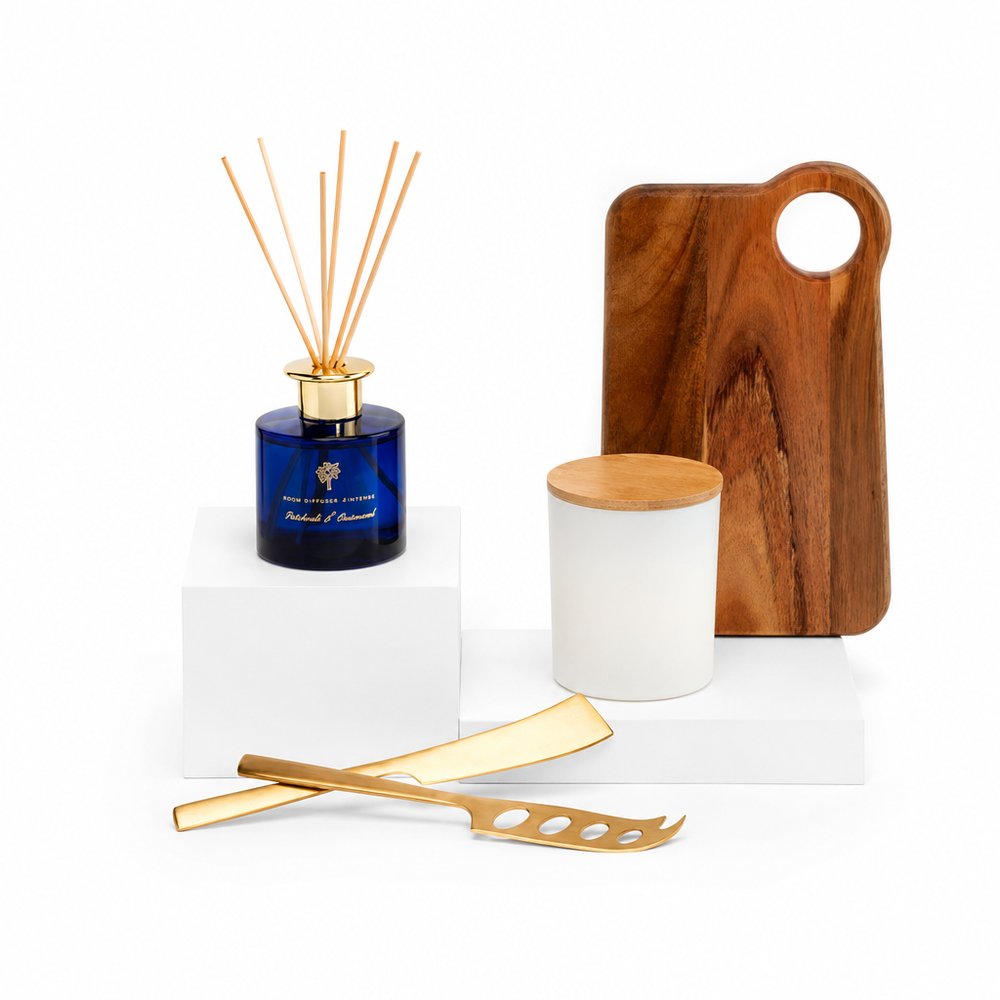
A cordless pool of light that turns settlement day, onboarding week or a hotel turndown into a scene people photograph and keep. It changes the atmosphere of a table and takes a small engraved mark beautifully.
Compatible with both Apple Find My and Google Find My Device, with a replaceable battery — it solves a real anxiety and stays attached to keys, luggage and bags.

Recognised retail design credibility with an internal system that becomes more useful every time someone travels.
The understated metal lifeline for the people you can't afford to leave stranded — heavy enough to feel like you mean it, light enough to actually carry.

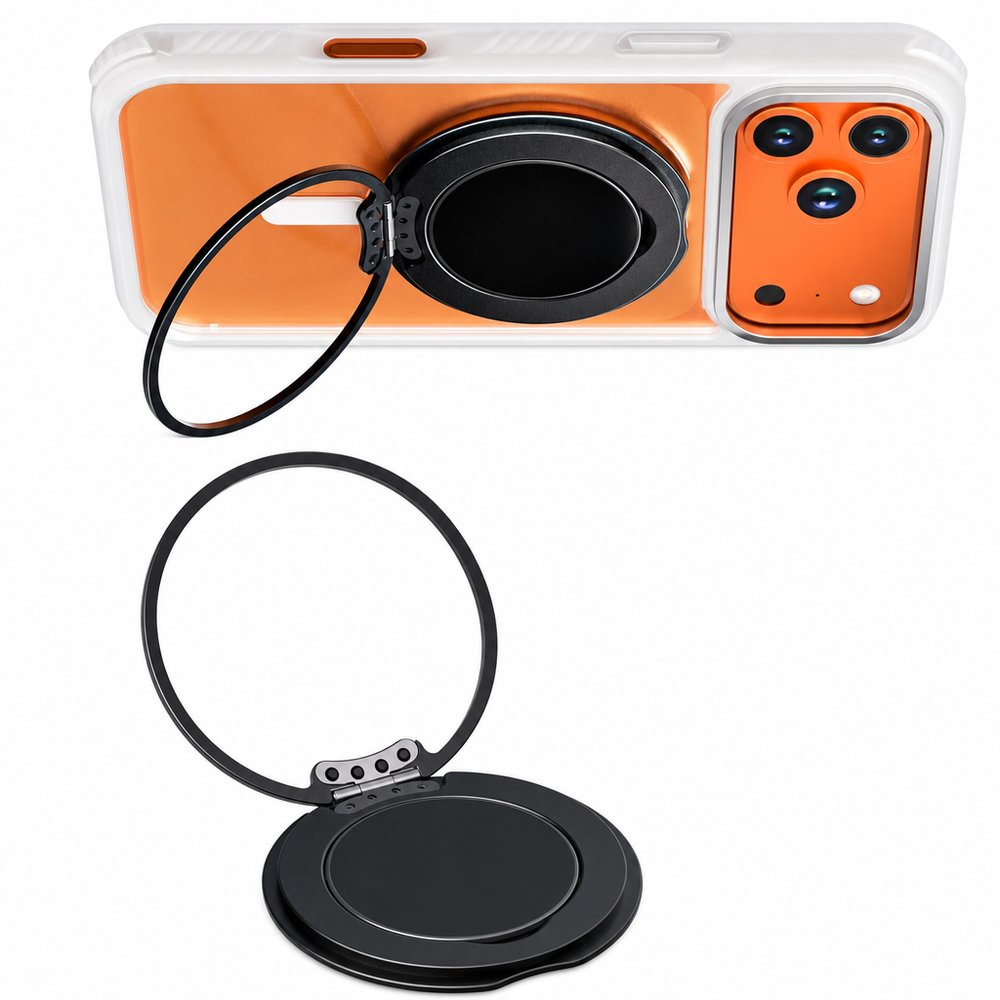
A permanent passenger on the one object someone touches 200 times a day — it snaps on in a second and stays in their hand for two years.
A shape-shifting workhorse that lives where hands and screens meet — bent into a tripod on a café table, wrapped around a headrest post, thanked several times a week.
The most-branded category in Australia, and the most competitive. These are the bottles, cups and tumblers that rise above the noise.
10 products
Best branding move: Match the branding method to the material: laser engraving on coated steel, restrained print on ceramic, subtle etching on glass — and wrap branding only when the artwork genuinely benefits from scale.

It looks like an everyday object but performs a small piece of magic every morning — hot drink, cool hands, floating liquid. That's how a gift becomes a daily ritual instead of a drawer resident.

A daily ritual you get to sponsor — ceramic-lined so the flat white tastes like the café made it, in colours people would have chosen themselves.
The one branded item touched, warmed and defended ('that's MY cup') 250 mornings a year — the cup that survives the morning rush and the dishwasher politics.

The anti-landfill gift: at around $10 it's the cheapest item in the room the recipient will still be holding in 2027 — the longest-running impression per dollar in the merch budget.

The daily handshake — the branded object the recipient physically holds more often than their phone charger, earning impressions by the sip.

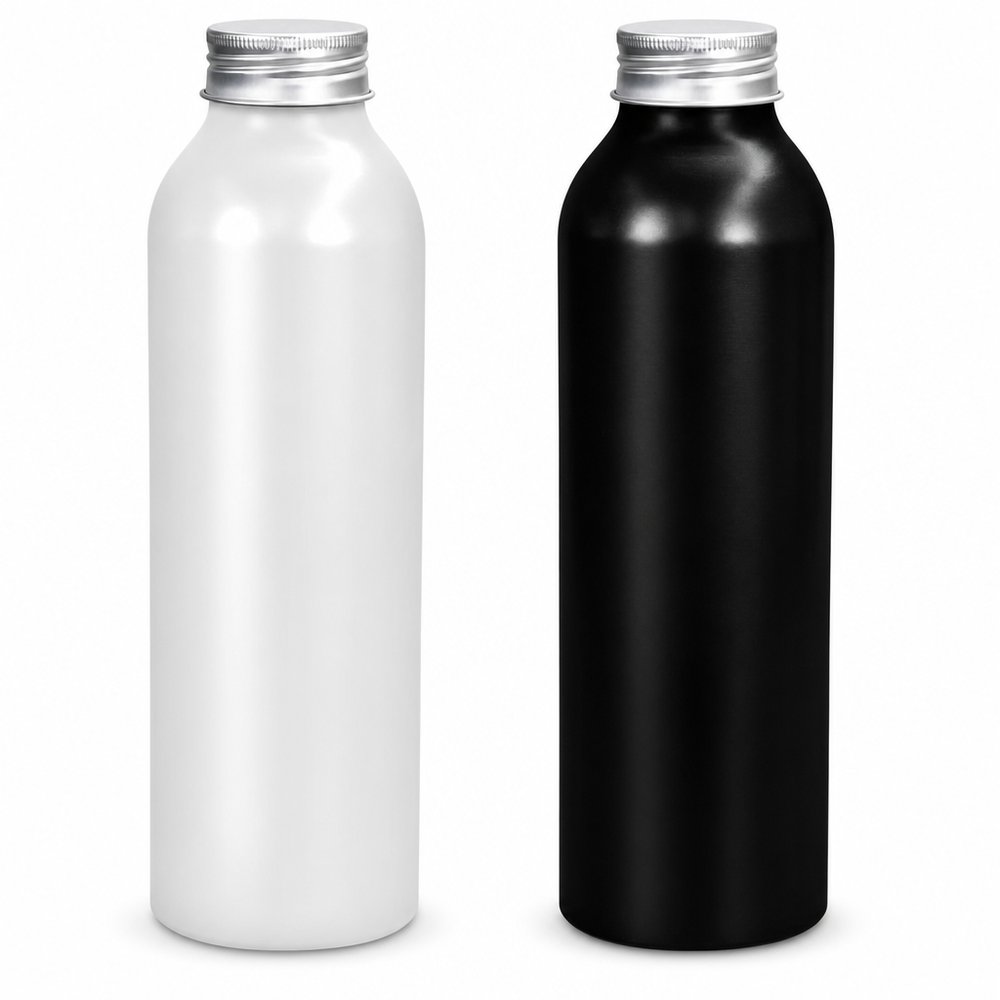
The walking proof-point: when your sustainability claims need a physical witness, a recycled-aluminium body argues the case every time it's refilled. It was a bottle before; it'll be a bottle after.

A recognised hydration brand with genuine outdoor credibility and excellent long-term use.

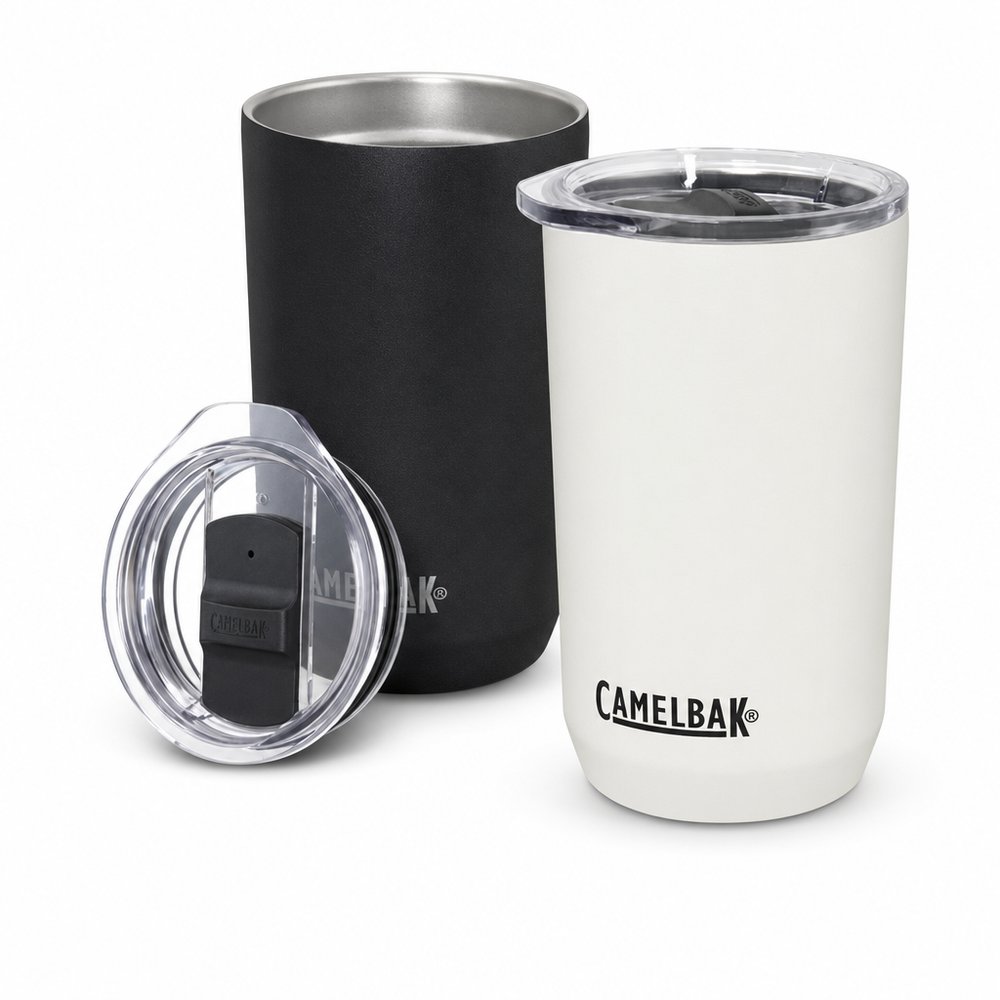
A tumbler from a brand people already trust with hydration, built to survive the dishwasher, the dropped-on-concrete moment and three job changes. The engraving travels for years, not weeks.

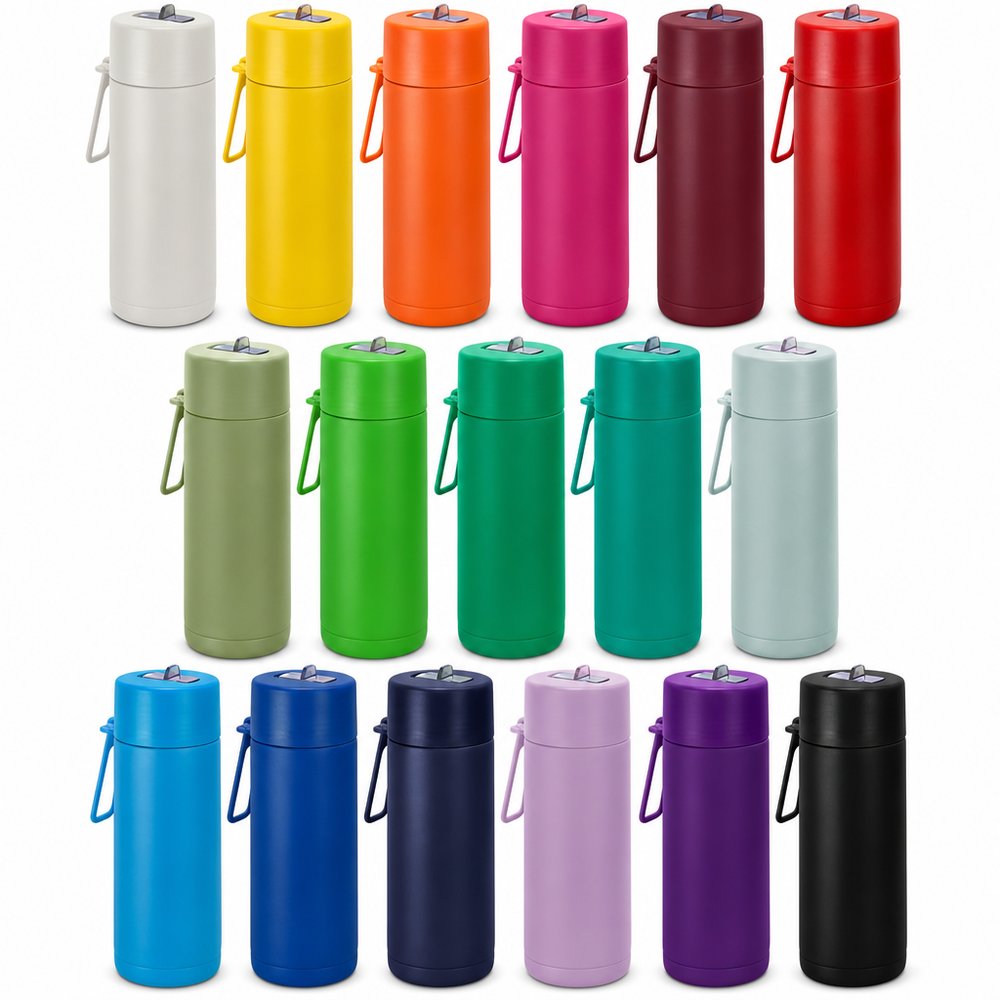
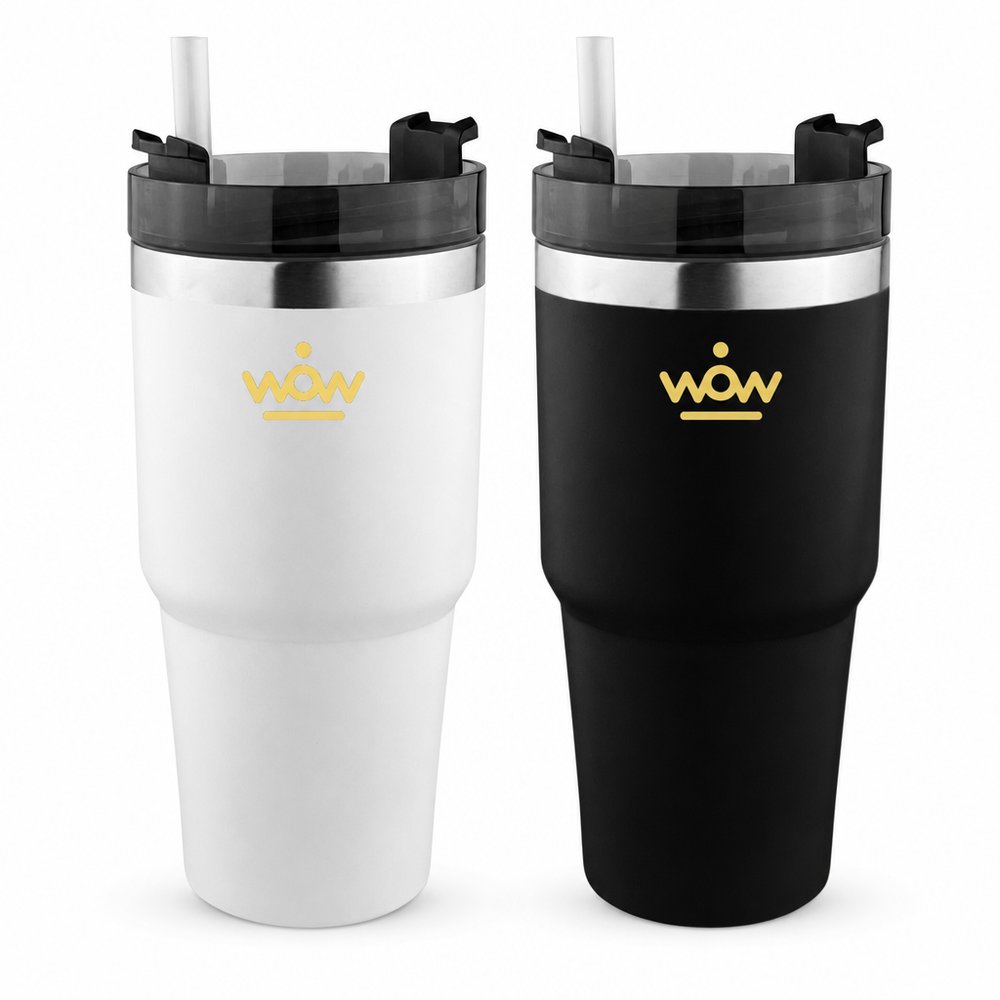
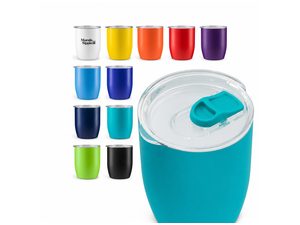
A monochrome tumbler that matches the laptop, so it never gets left behind — iced coffee at 9am, smoothie at noon, still cold at school pickup, under eleven dollars a unit.

The anti-disposable desk companion that turns a caffeine habit into a defended daily ritual — a full 600ml brew that outlasts back-to-back meetings.
A bag is a walking billboard — but only if it's good enough to use every day. These are the ones that earn their place on someone's shoulder.
10 products
Best branding move: Consider woven labels, embroidery or a well-proportioned print. A bag often becomes more premium when the identity appears as a maker's detail rather than a billboard.

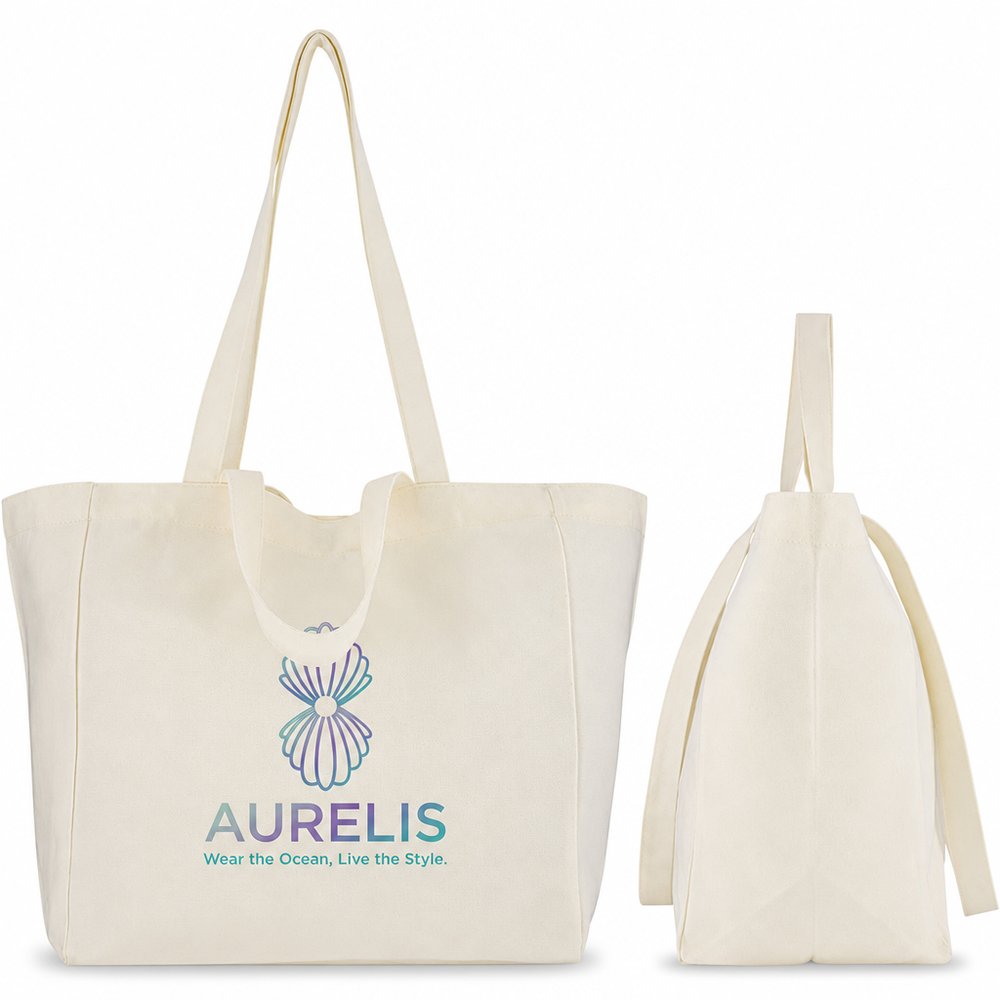
The anti-disposable carrier — a tote substantial enough that recipients refuse to throw it out, so your brand rides shotgun on errands for years. It treats a print the way a gallery treats a wall: generous, flat and dignified.

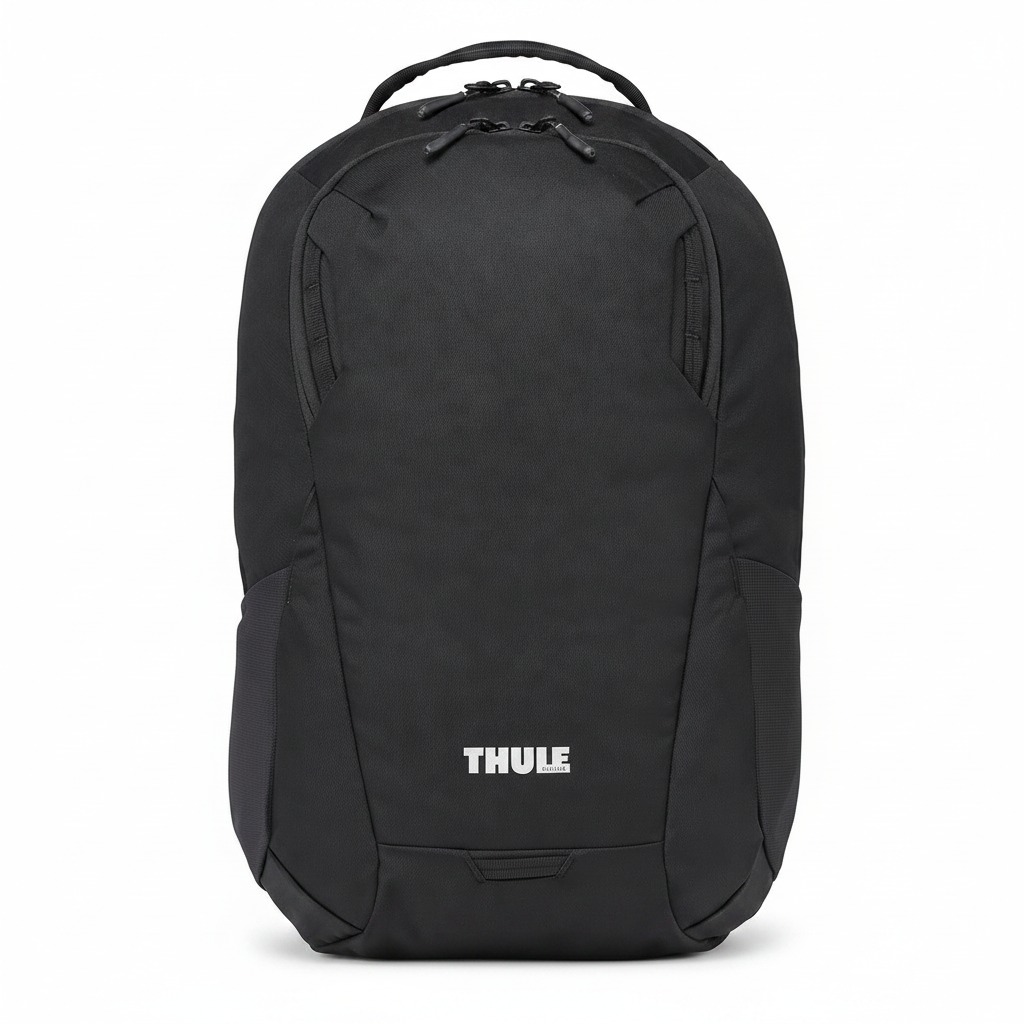
The retention gift disguised as gear — a genuine Thule made from recycled bottles that recipients use daily for years, making cost-per-impression embarrassingly low and the gesture unmistakably serious.

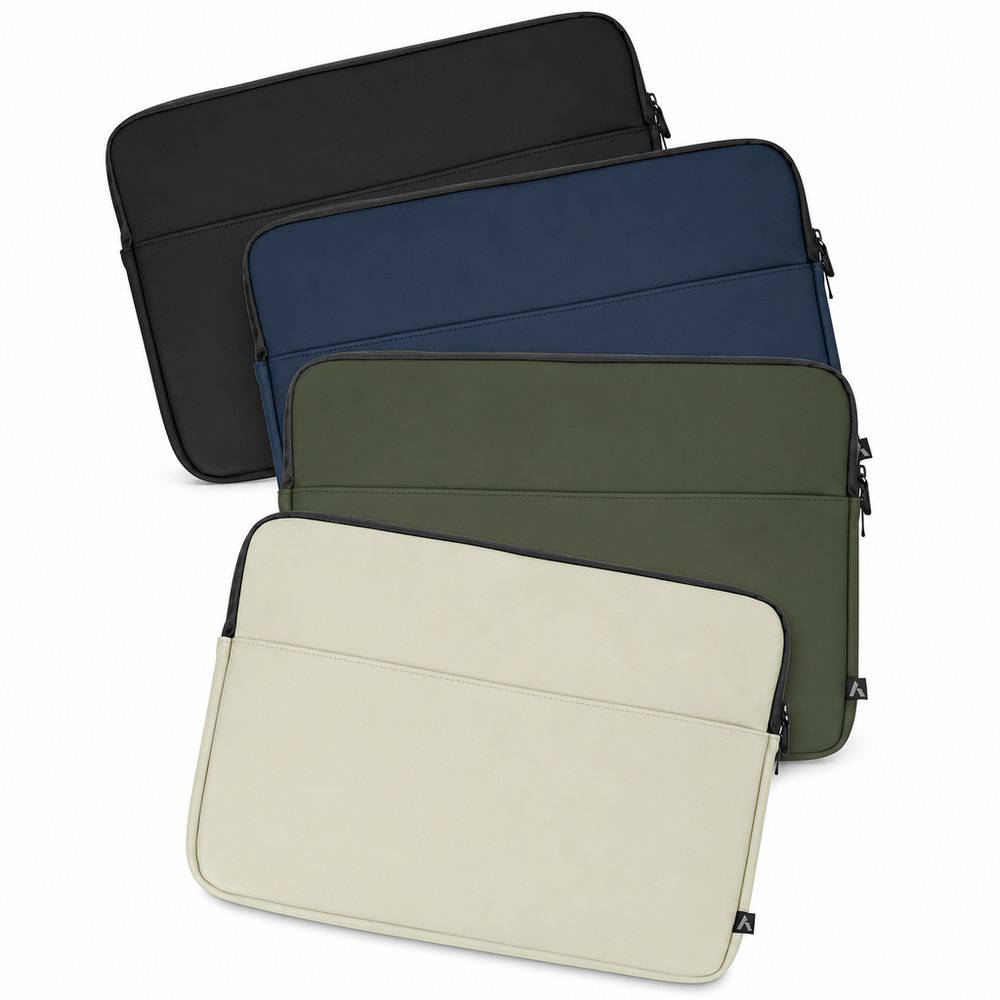
The second-glance bag — merch designed to be mistaken for something the recipient bought themselves, in ecru, olive, navy and black rather than procurement colours. That's exactly why it gets carried daily.

Daily armour for the thing that carries someone's whole working life — a soft-touch sleeve that turns every café table and boarding lounge into earned media, at low MOQ.

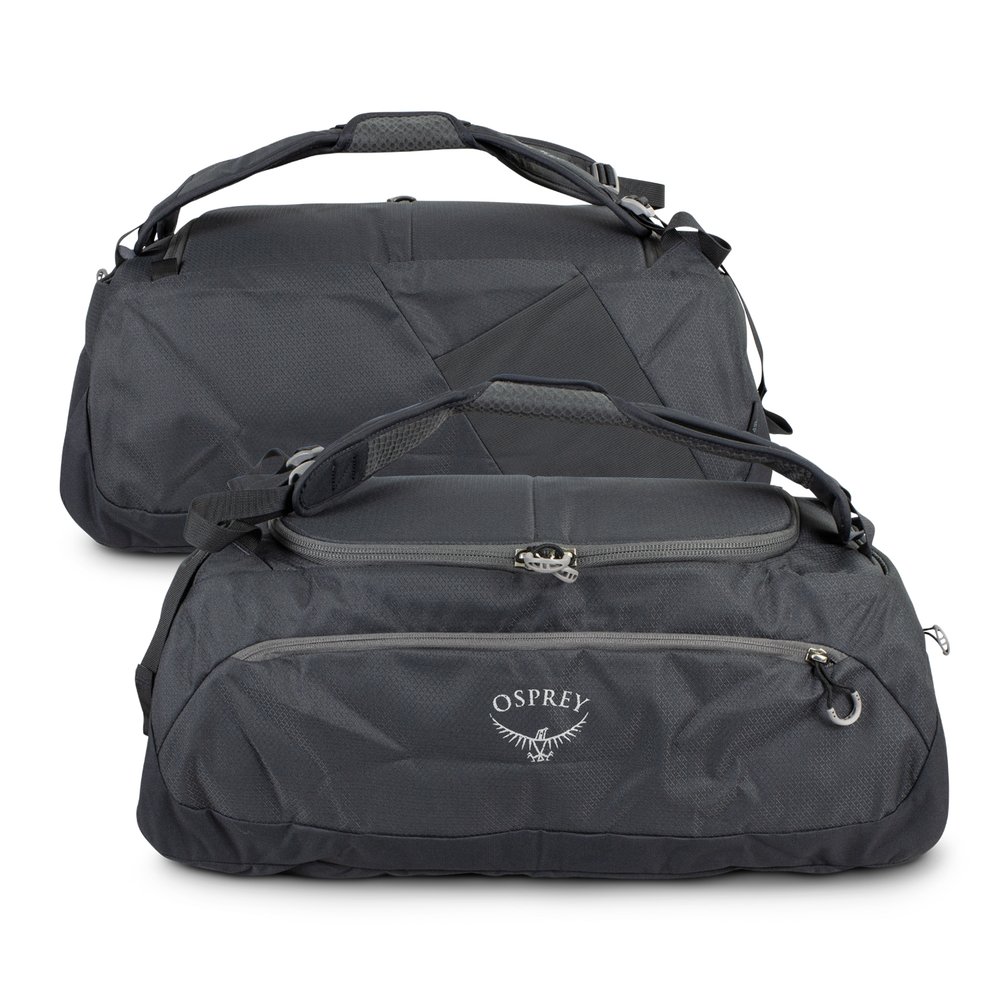
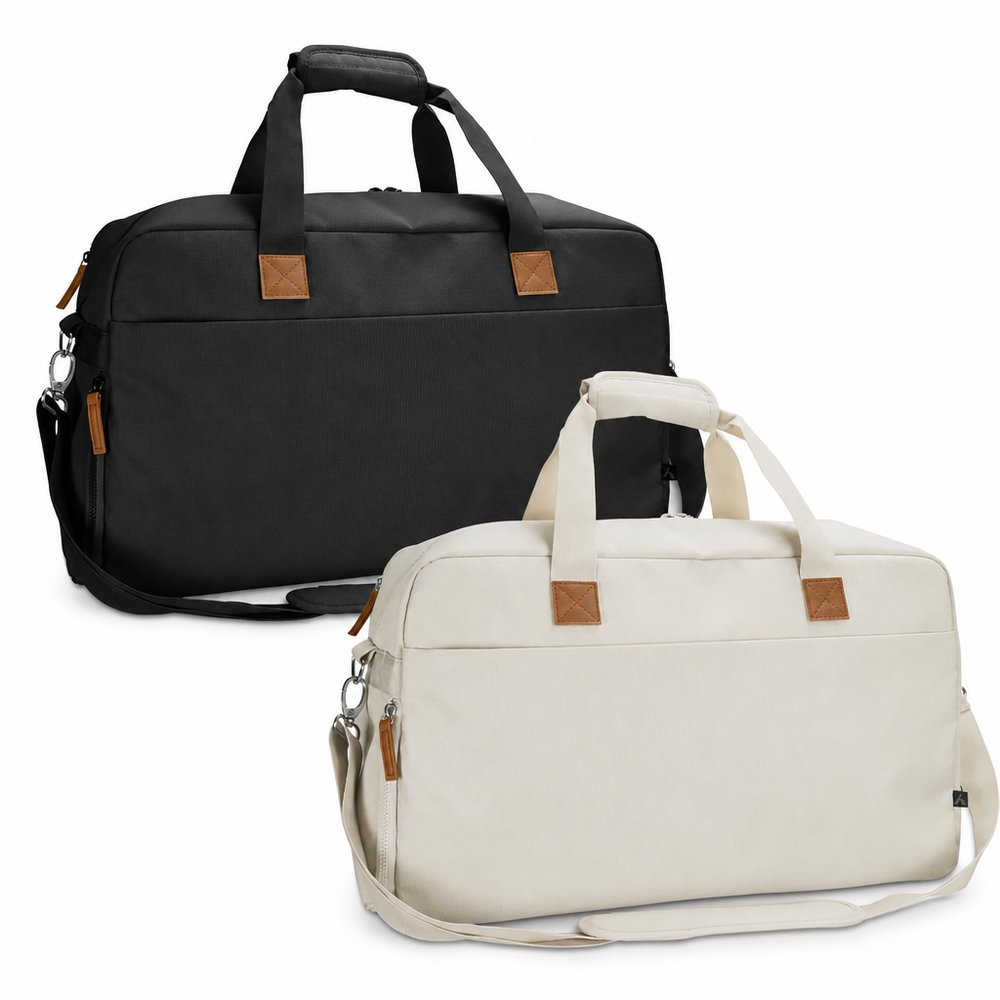
Osprey's Daylite name earns instant trust, and this recycled duffle carries it into gym kit, weekend trips and overflow work gear with the durability the brand is genuinely known for.

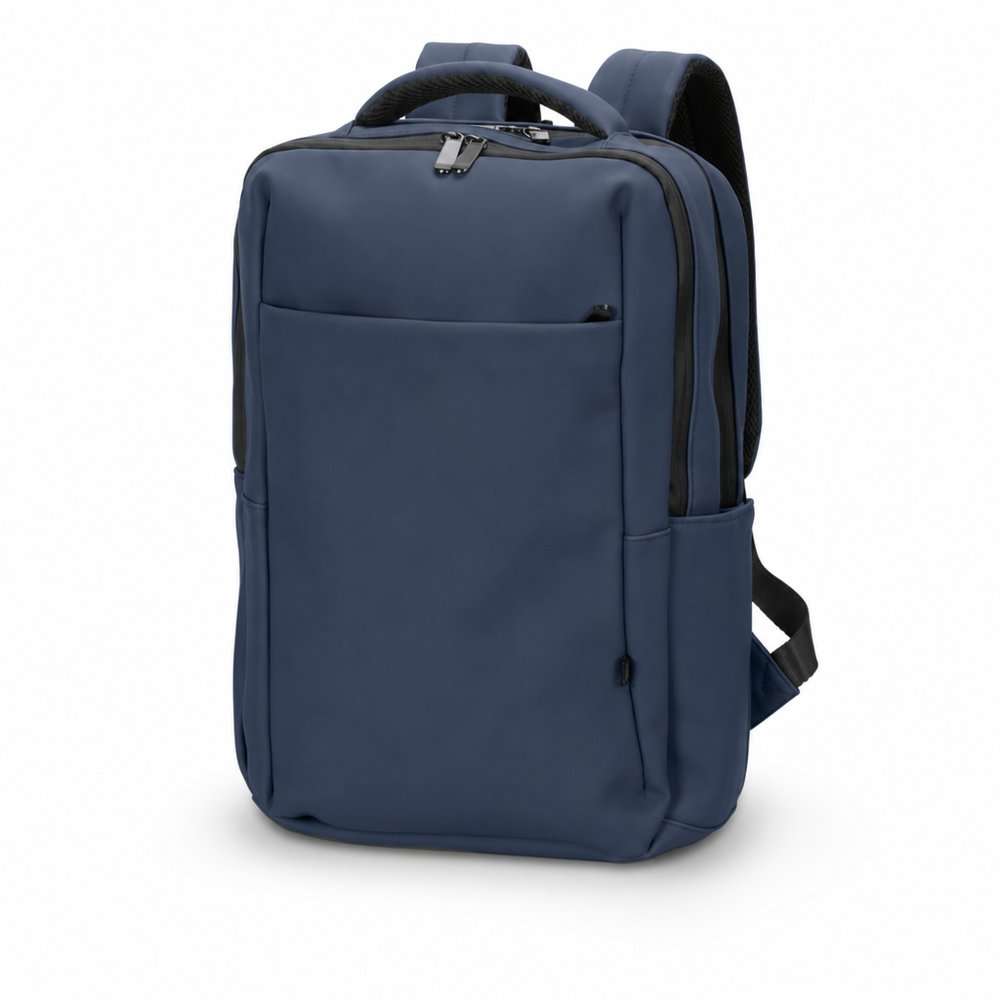
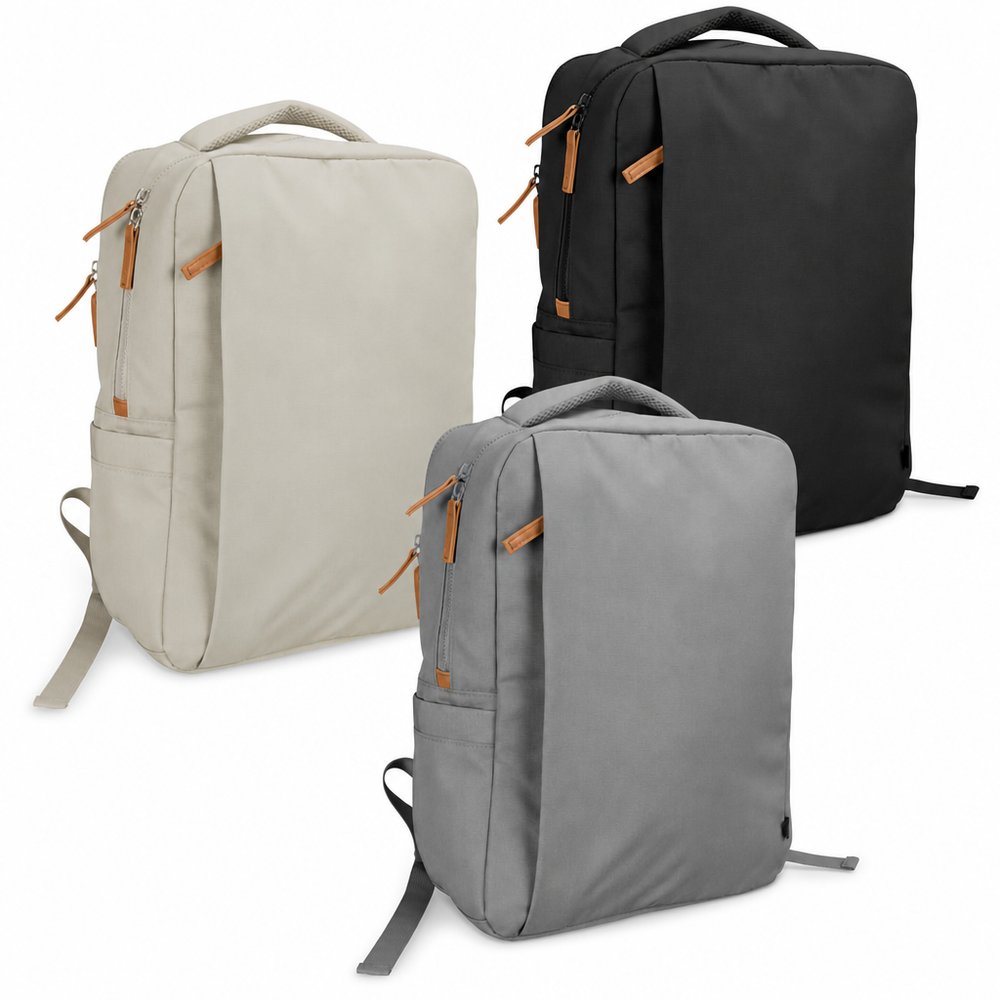
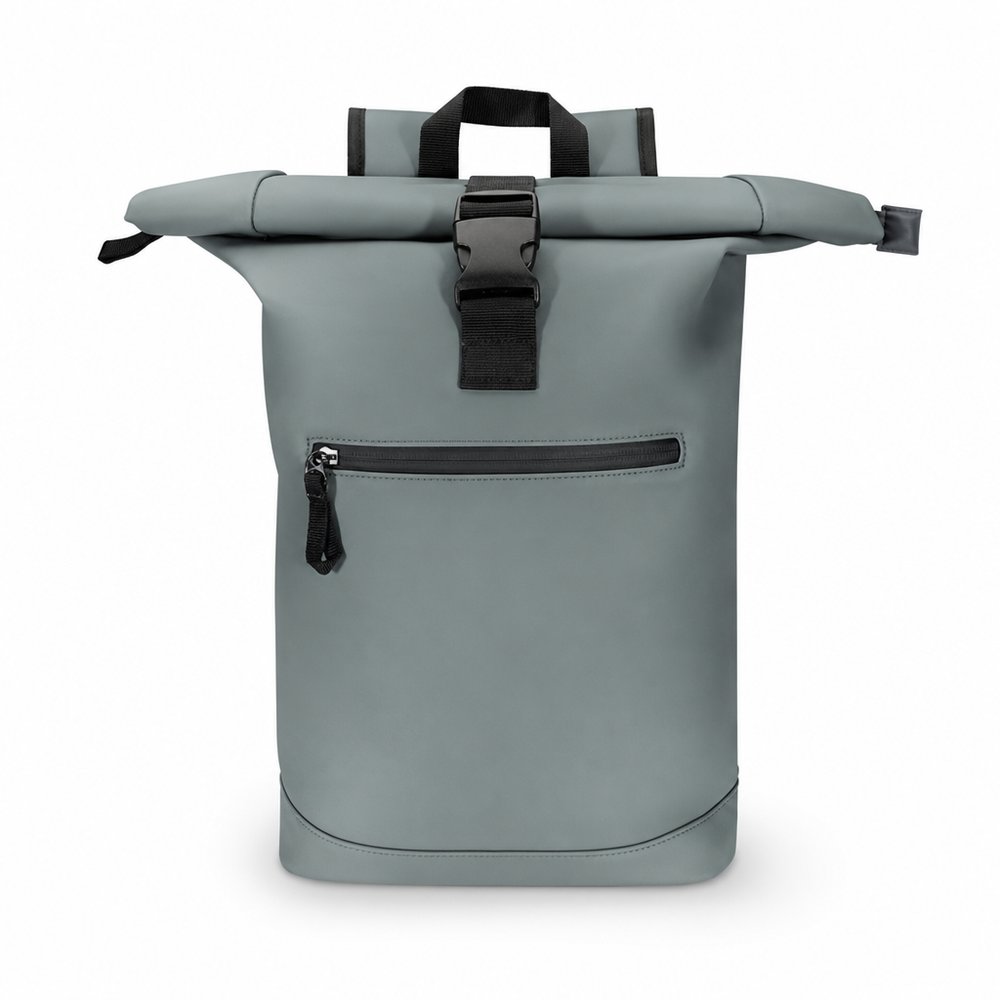
The anti-tote: a genuinely wearable daily backpack in adult neutrals that turns a sub-$30 spend into months of voluntary, on-body brand impressions.

The first-chapter bag — a neutral, genuinely-used carryall gifted at a life or career threshold, present every time the recipient leaves the house for something that matters.

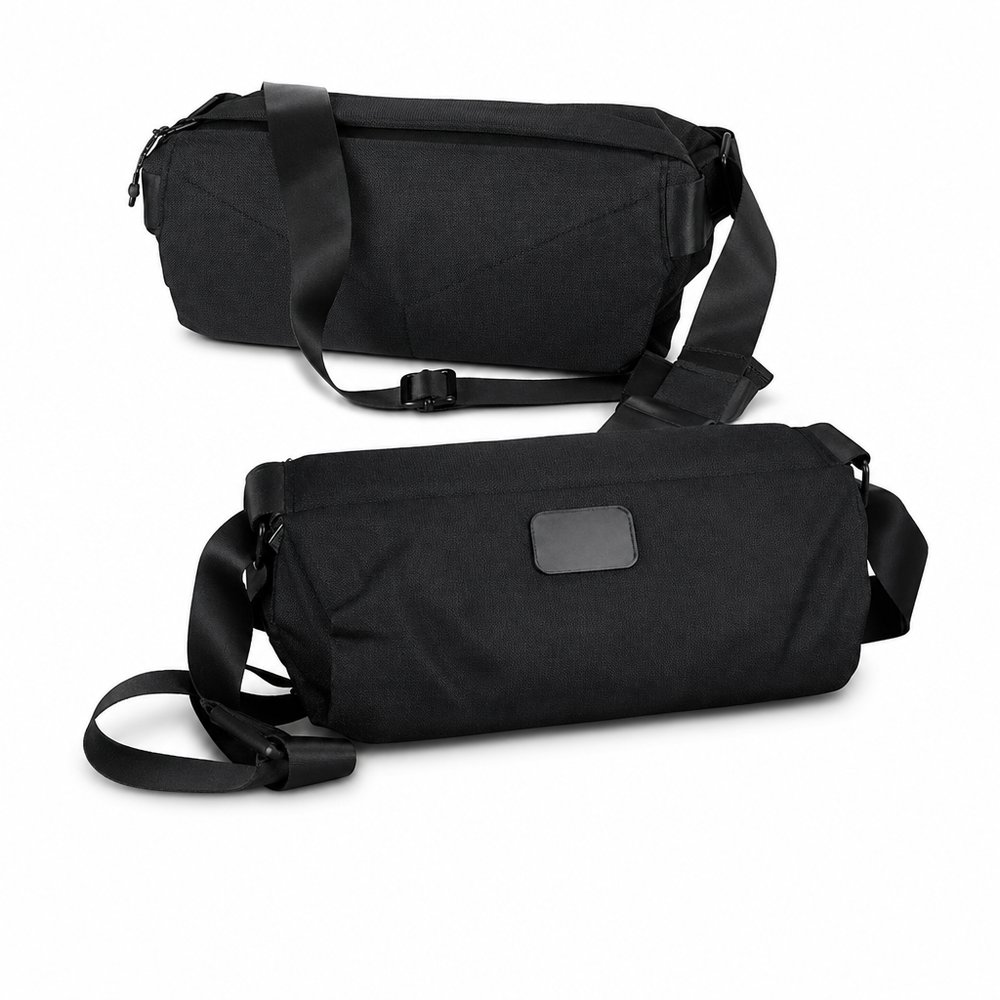
A current, hands-free carry format that moves naturally between commuting, events, travel and weekends.

Not a giveaway bag but a habit — dual handles and a magnetic clasp that gets it promoted from event swag to default carry within a week.

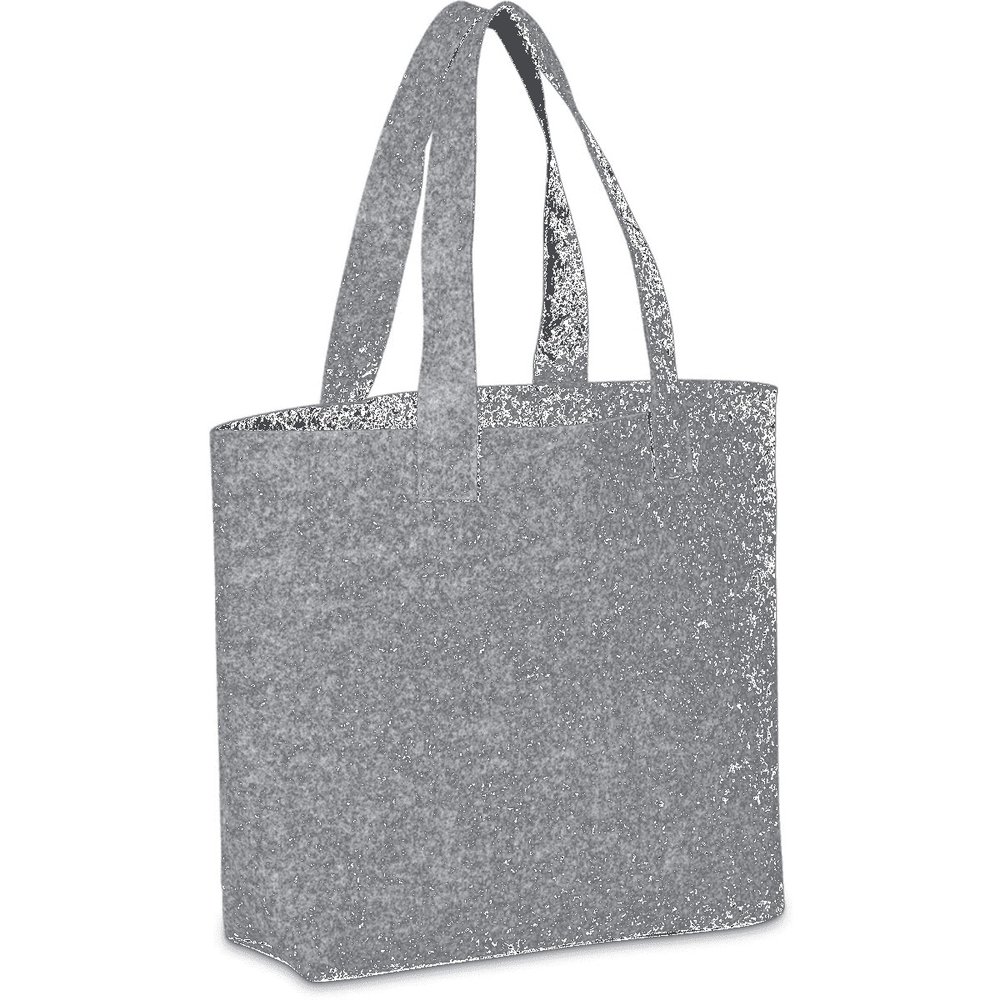
The conscience purchase that doesn't look like one — boutique-shelf felt texture at giveaway price, made from bottles and mistaken for boutique. The sustainability story is felt, literally, before it's read.
Promotional apparel only works when the garment is worth wearing. These are the pieces people actually reach for — not the cheap giveaway tee that becomes a cleaning rag.
10 products
Best branding move: Begin with placement before scale. A tonal chest embroidery, woven hem label, sleeve mark or carefully composed back graphic makes the product feel designed as merchandise rather than adapted from uniform stock.

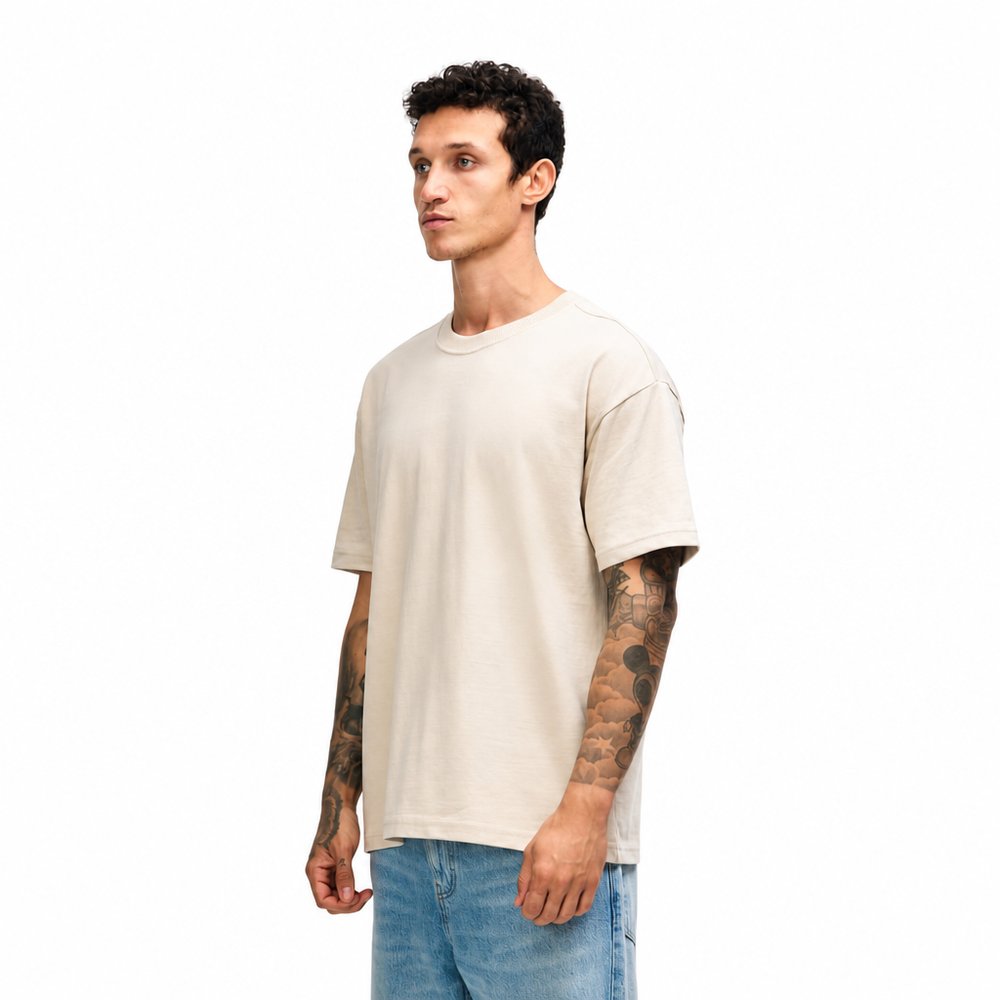
The tee people would pay retail for — substantial, structured, drop-culture energy. Staff and superfans become a walking lookbook instead of a logo billboard.

The merch that survives the wardrobe cull — tactile, scene-coded corduroy people wear by choice, turning your logo into their personal style rather than your giveaway.

The band tee for your brand — garment-dyed, heavyweight, pre-faded like it already survived three festivals and a house move. The first company tee anyone has worn on a weekend, voluntarily.

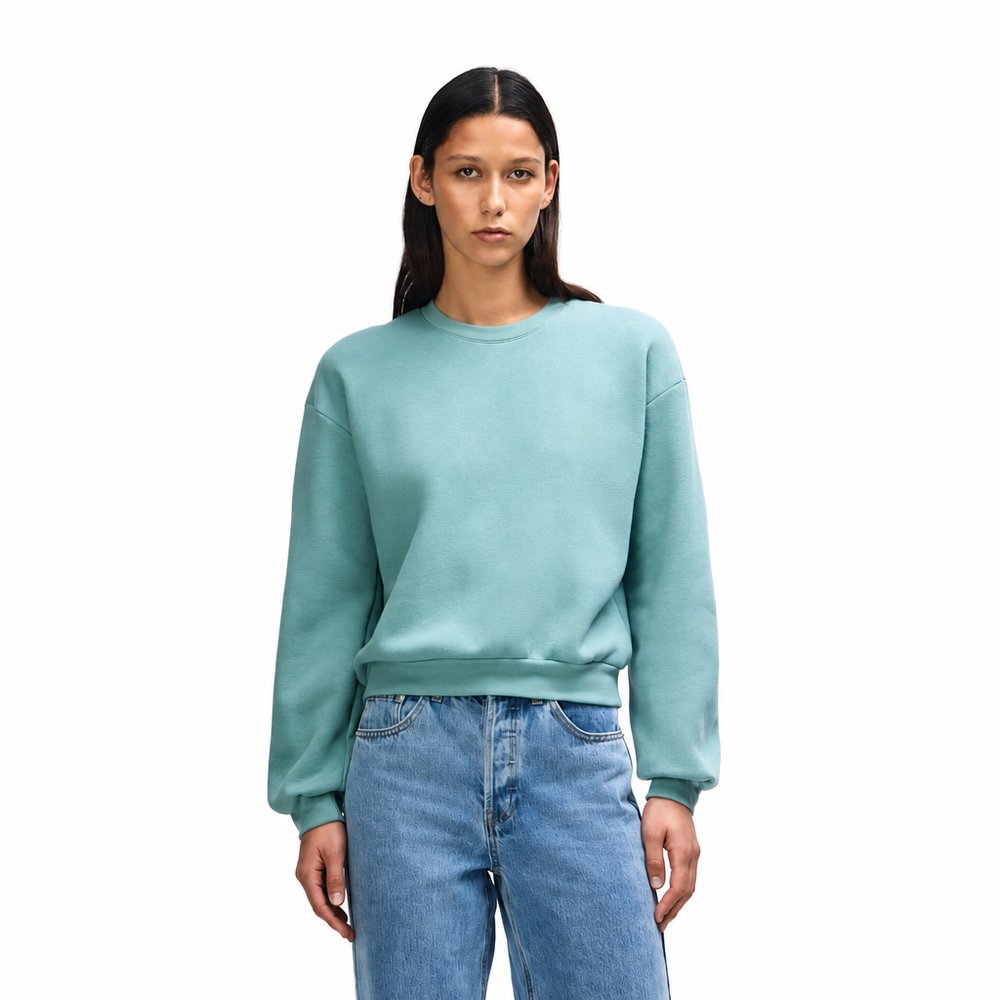
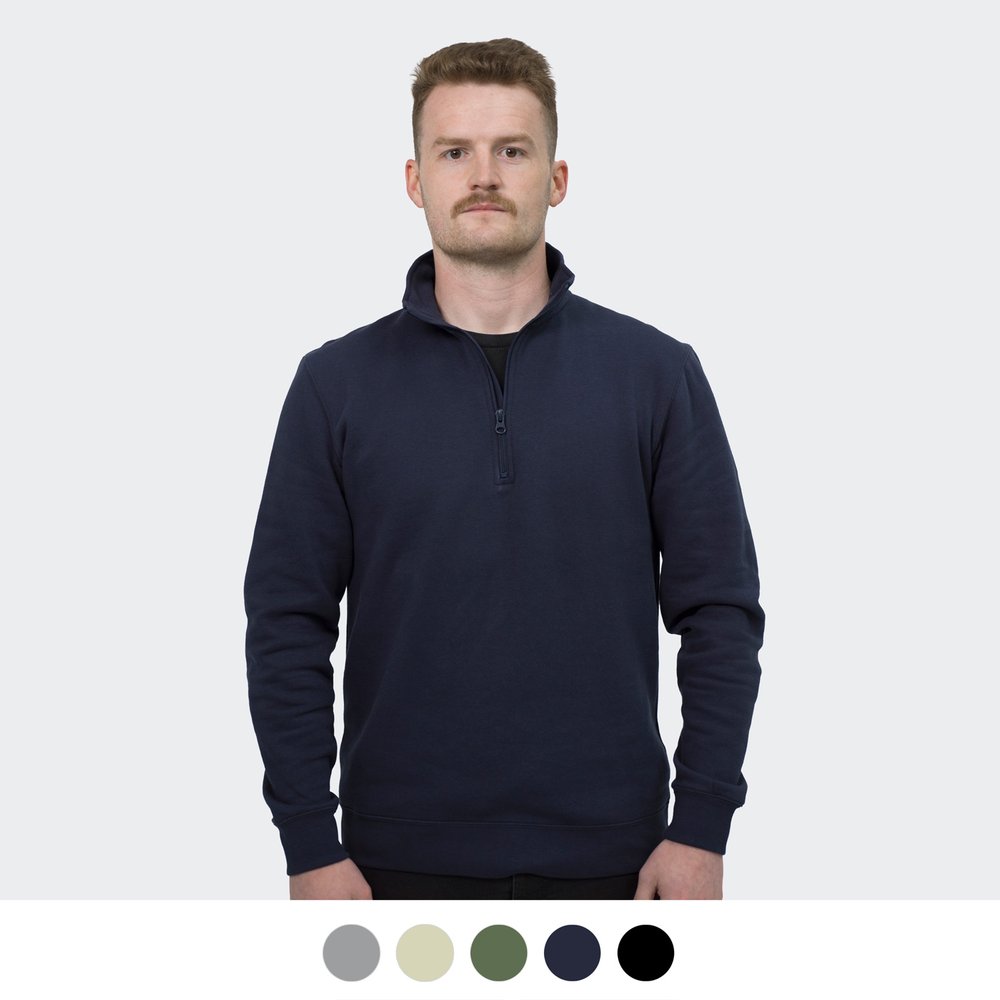
Wardrobe, not merch — the cropped fleece recipients would have bought anyway, now carrying your logo into their actual Saturday.

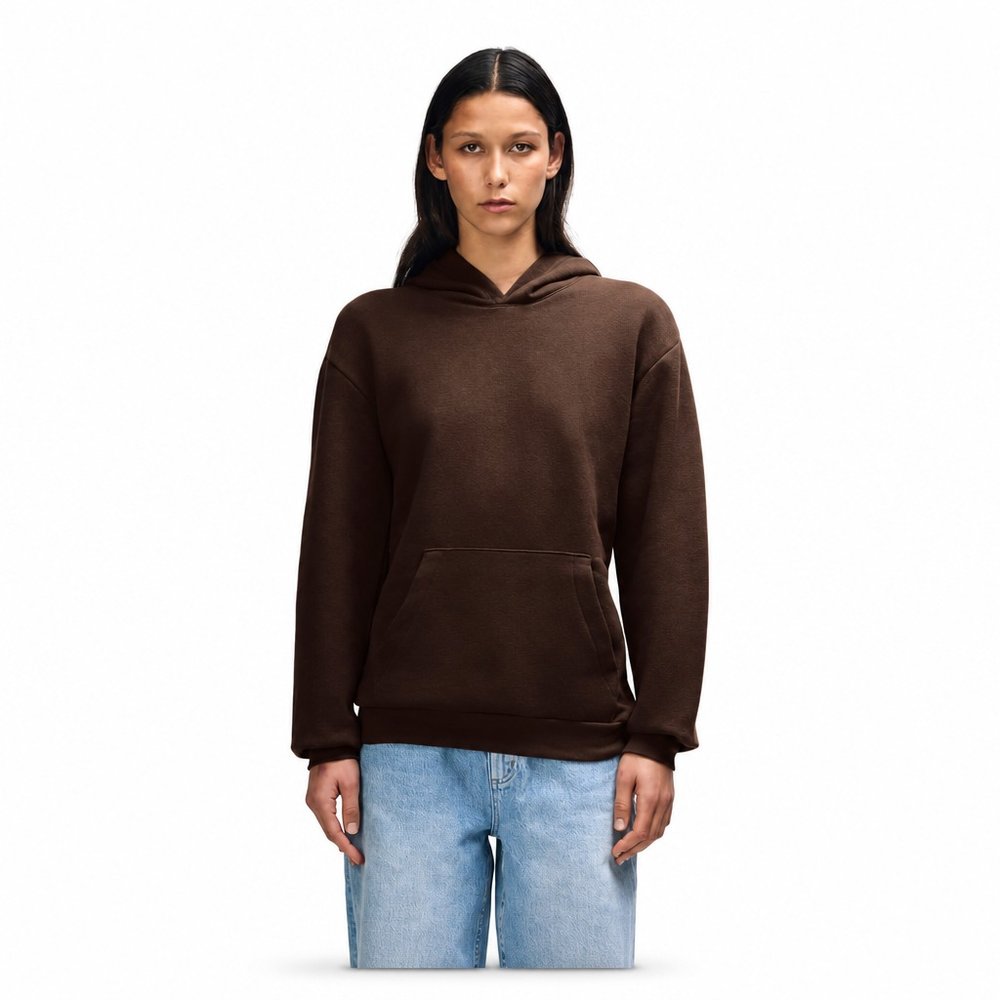
The belonging garment — the one piece of merch worn by choice on weekends, turning brand affinity into a 200-wash relationship. Nobody has ever thrown out a hoodie they actually like.

A contemporary layer that coordinates a team without making anyone feel placed in a uniform.

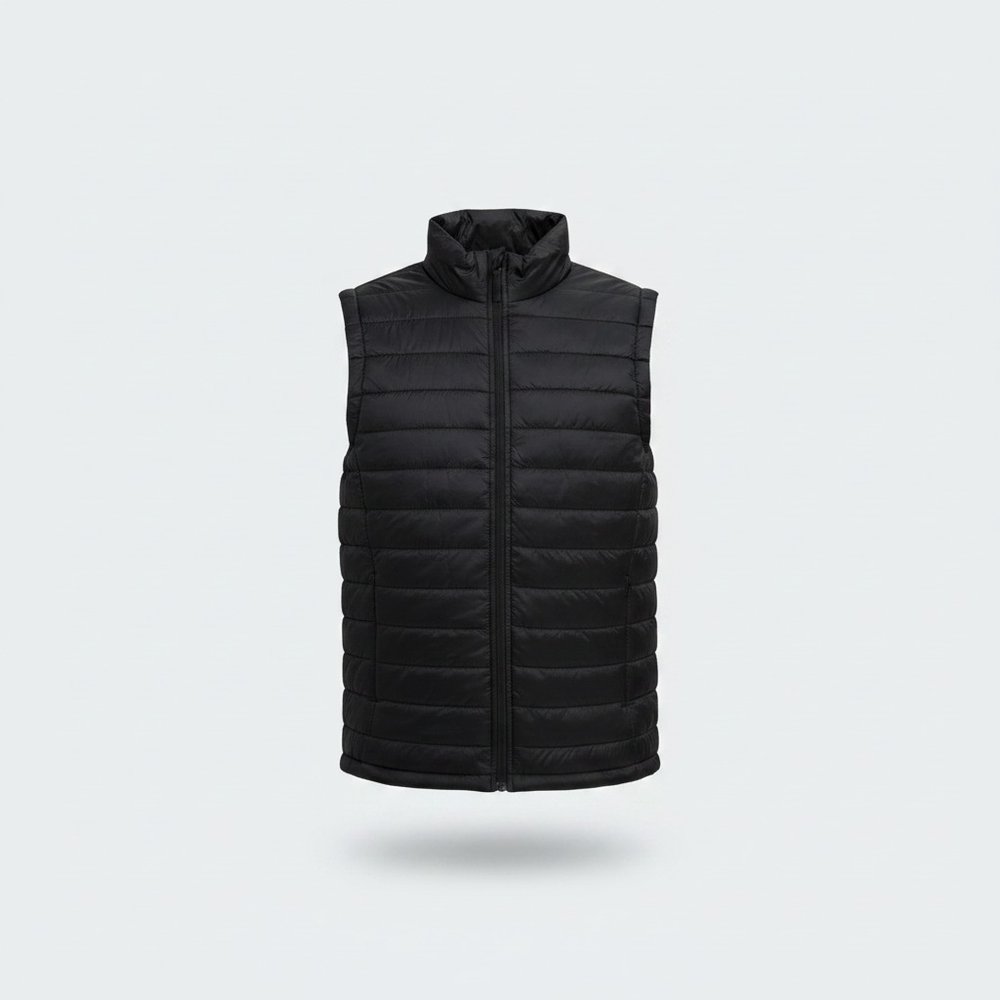
A useful trans-seasonal garment with certified recycled insulation and a clean everyday silhouette.

The identity is woven into the garment itself — merchandise that feels like a retail drop, not an applied-logo giveaway.

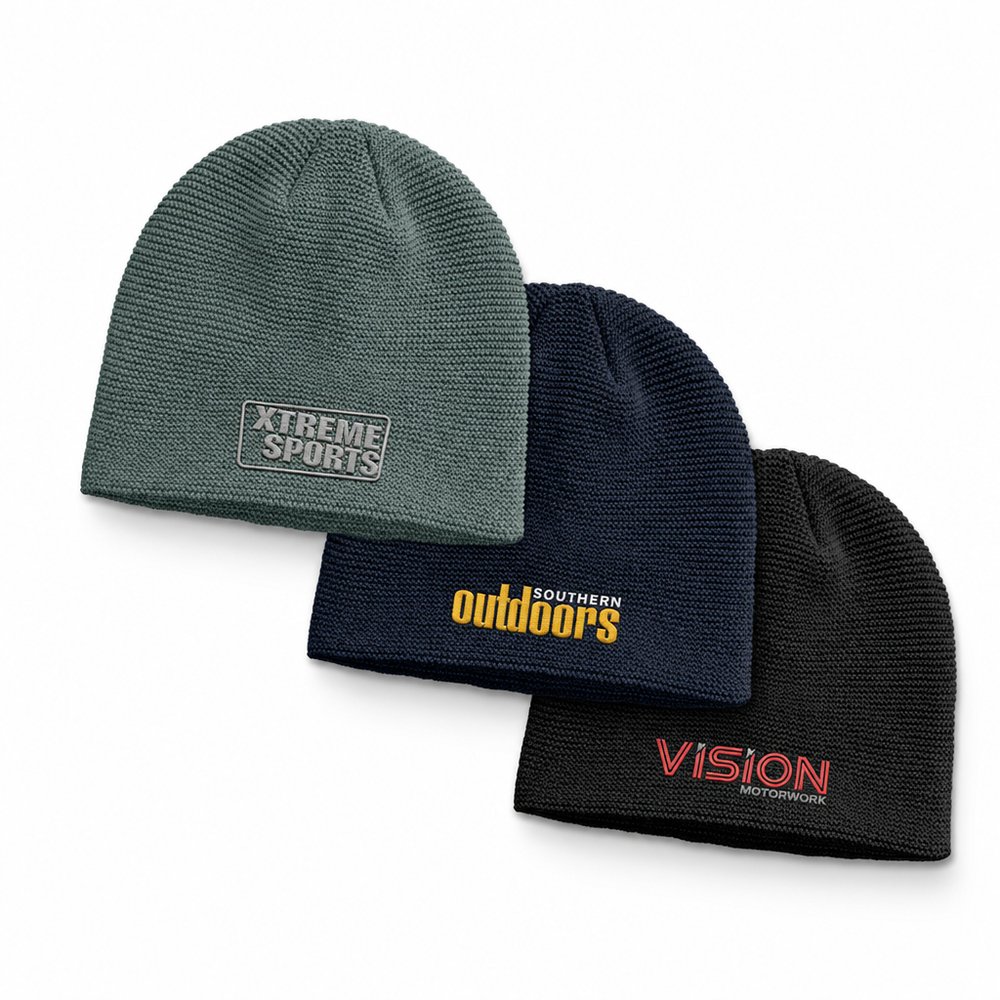
The merch that earns a season of unpaid wear because it's the thing people actually grab when it's cold — issued at sign-up, worn until spring.

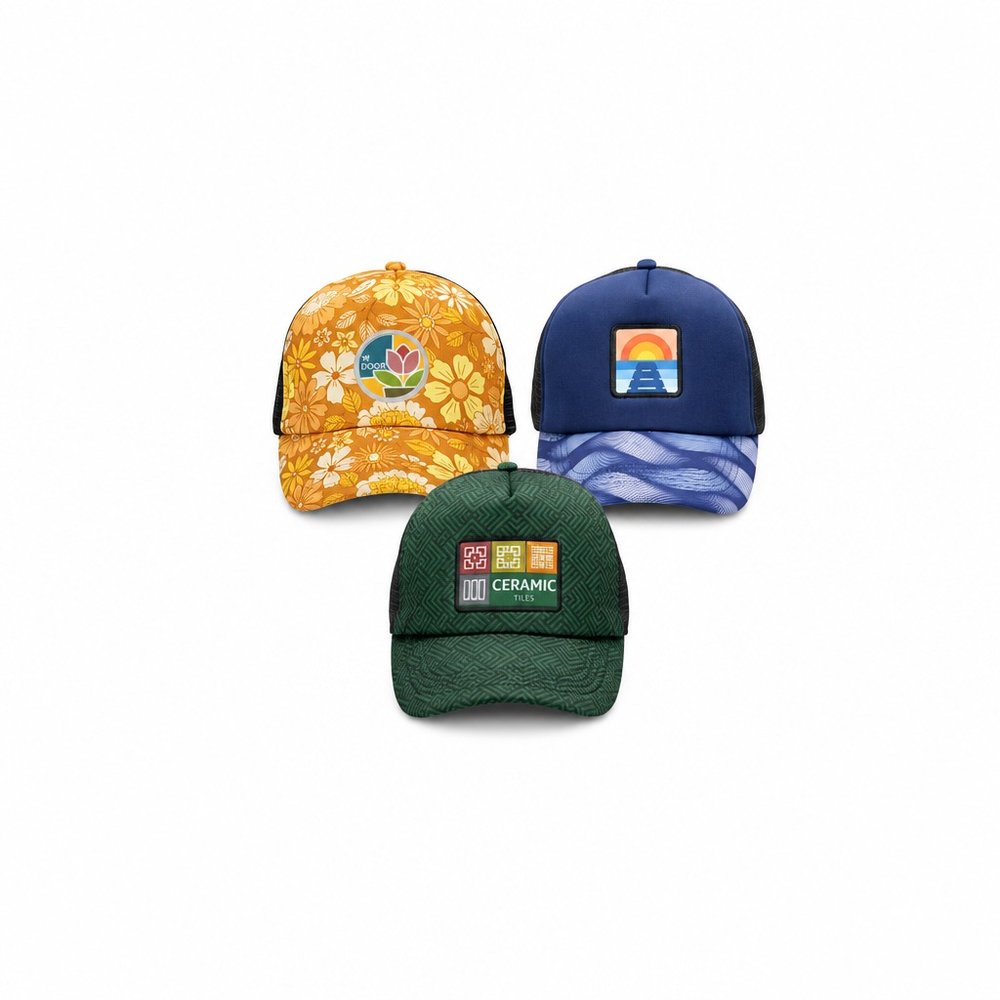
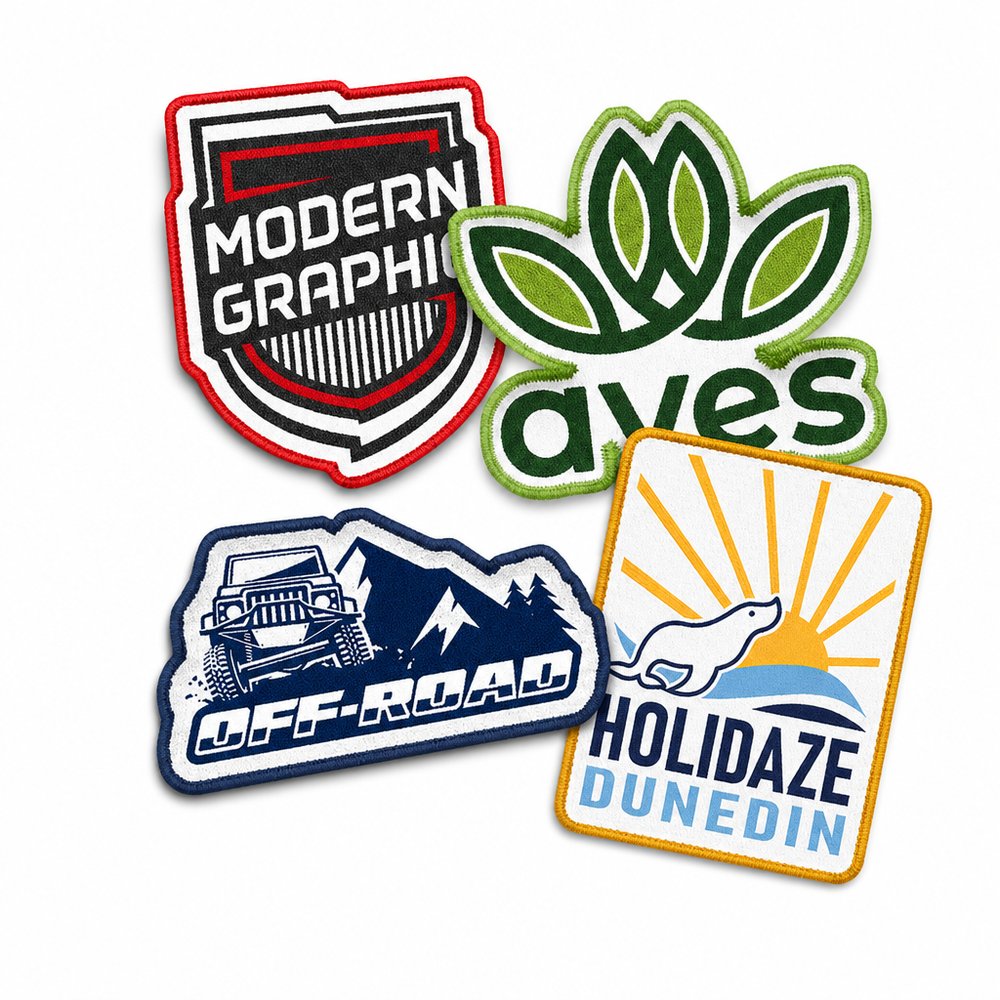
A trucker cap built around a full-colour custom patch, giving brands a genuine canvas up front at an accessible price while keeping the relaxed, everyday shape people happily wear well beyond the event.
The desk is prime real estate. These are the notebooks, pens and desk accessories that stay on the desk long after the branded mug has been relegated to the kitchen.
12 products
Best branding move: Deboss journals, engrave metal writing instruments and use packaging bands to carry campaign language. The product itself often benefits from restraint.

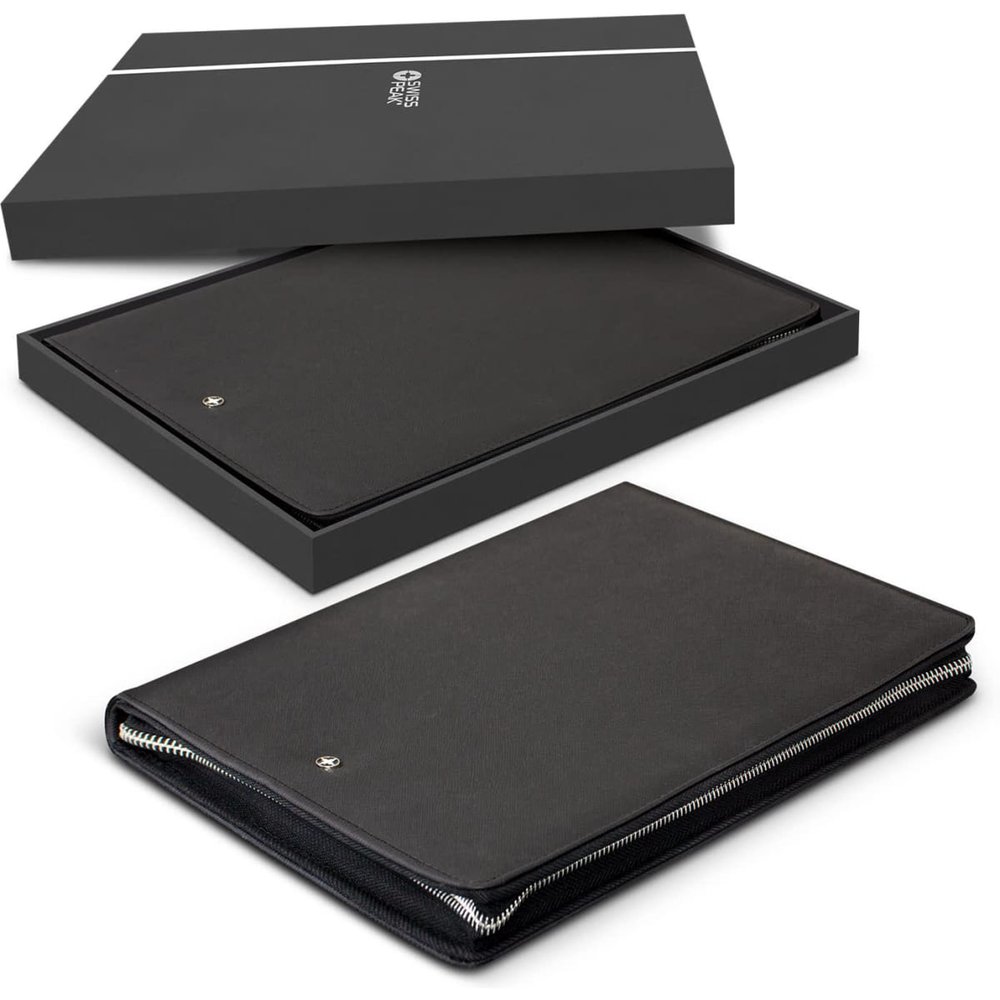
The proof-in-the-object gift: an apple-waste cover makes the sustainability pitch silently every day it's opened, and the refillable format means the cover — and your mark — outlasts every notebook inside it.

Branded real estate: 2,250 square centimetres of the recipient's eyeline for 40 hours a week, earned by making their work physically smoother — the one thing on the desk that doesn't need charging.

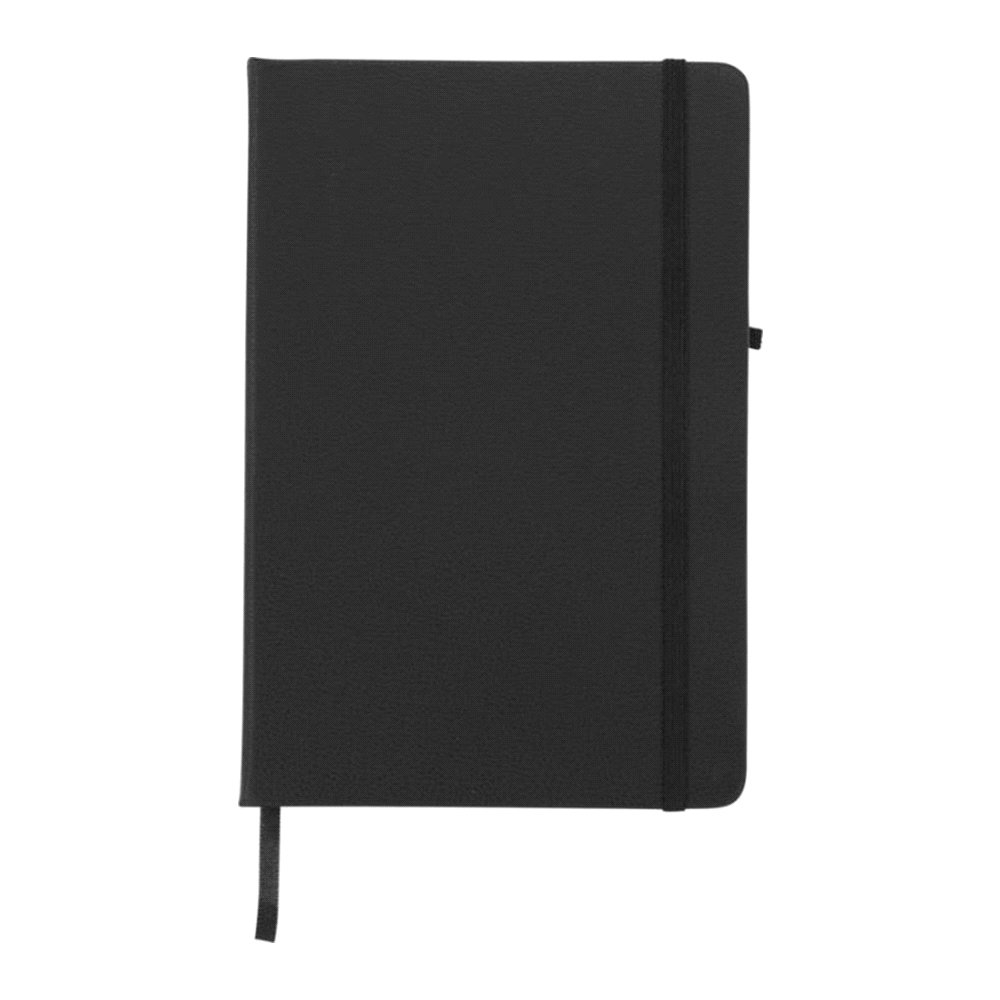
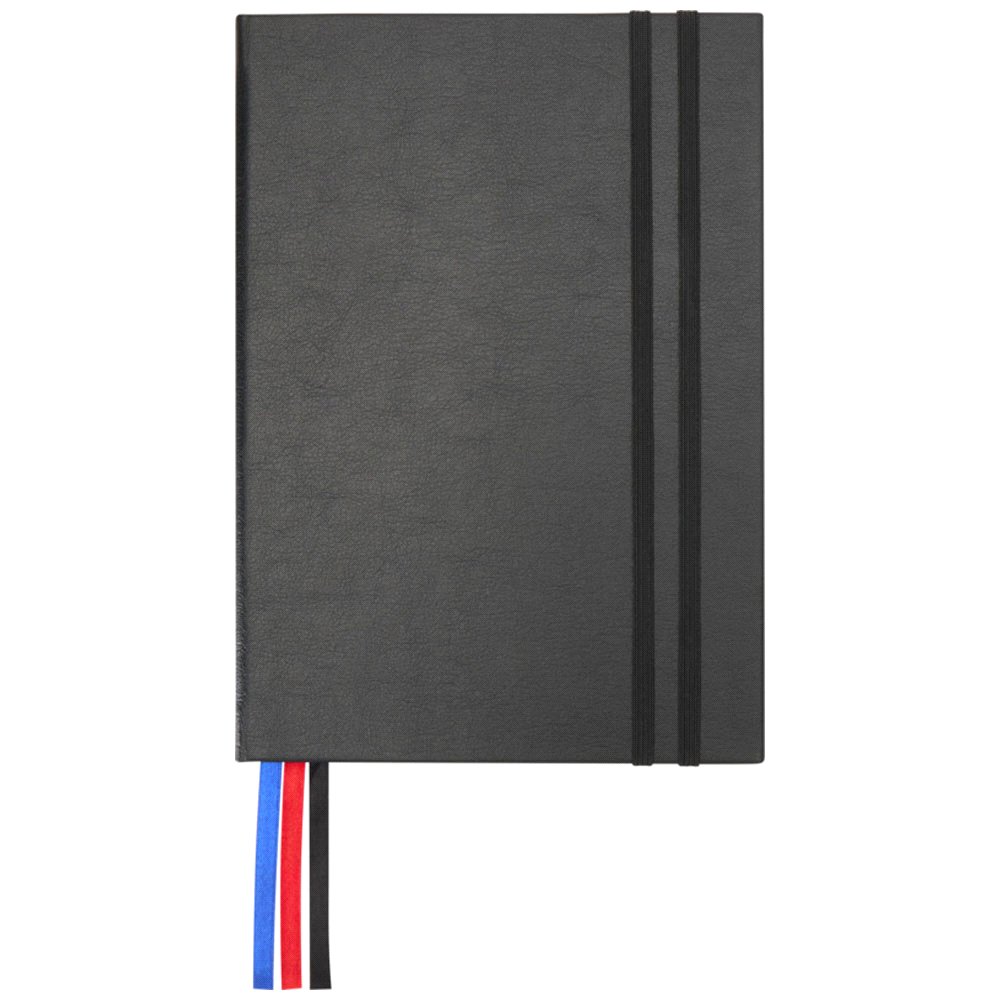
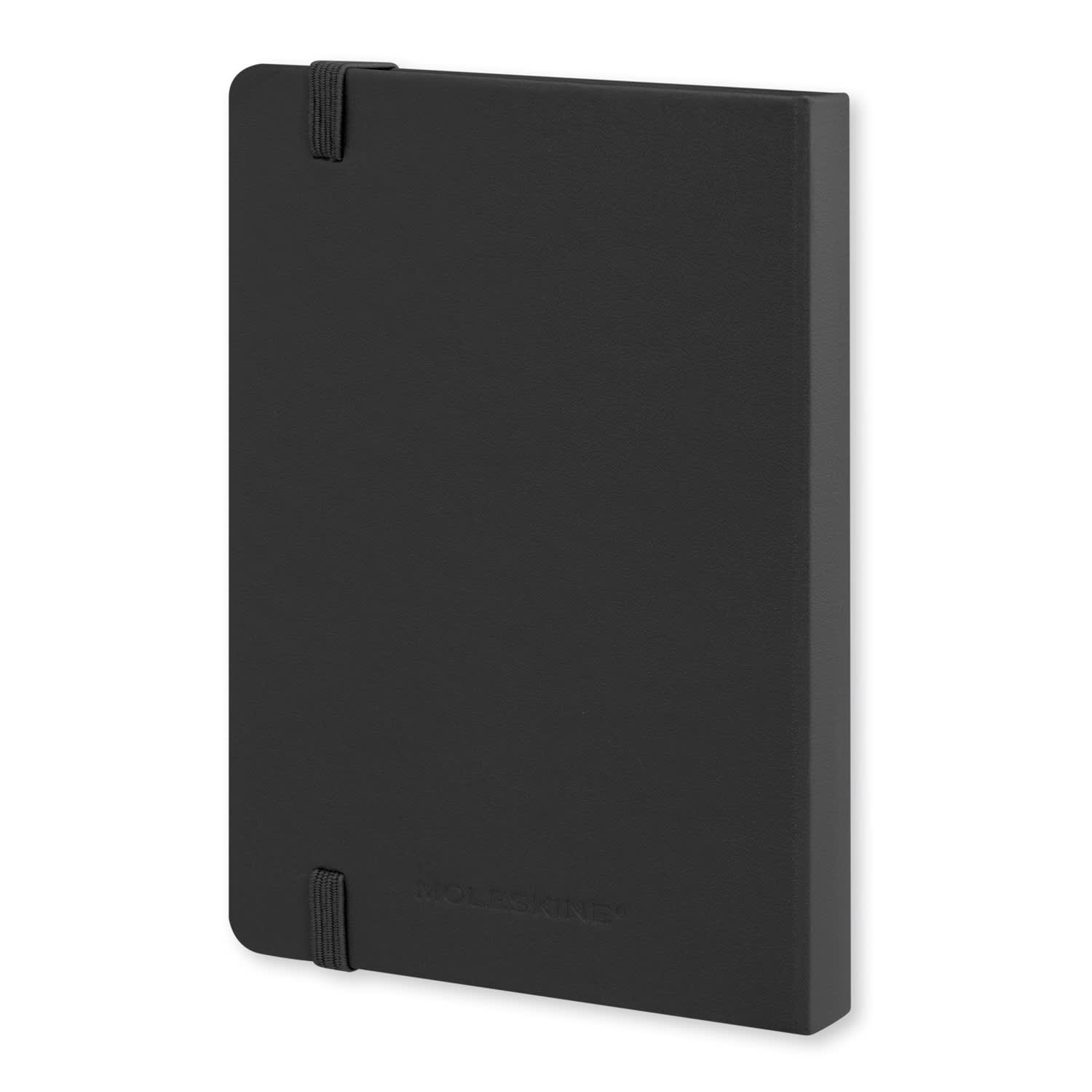
The lowest-cost object in the kit that earns the longest dwell time — a blank black stage the recipient fills with their own thinking while your brand quietly chaperones every page.

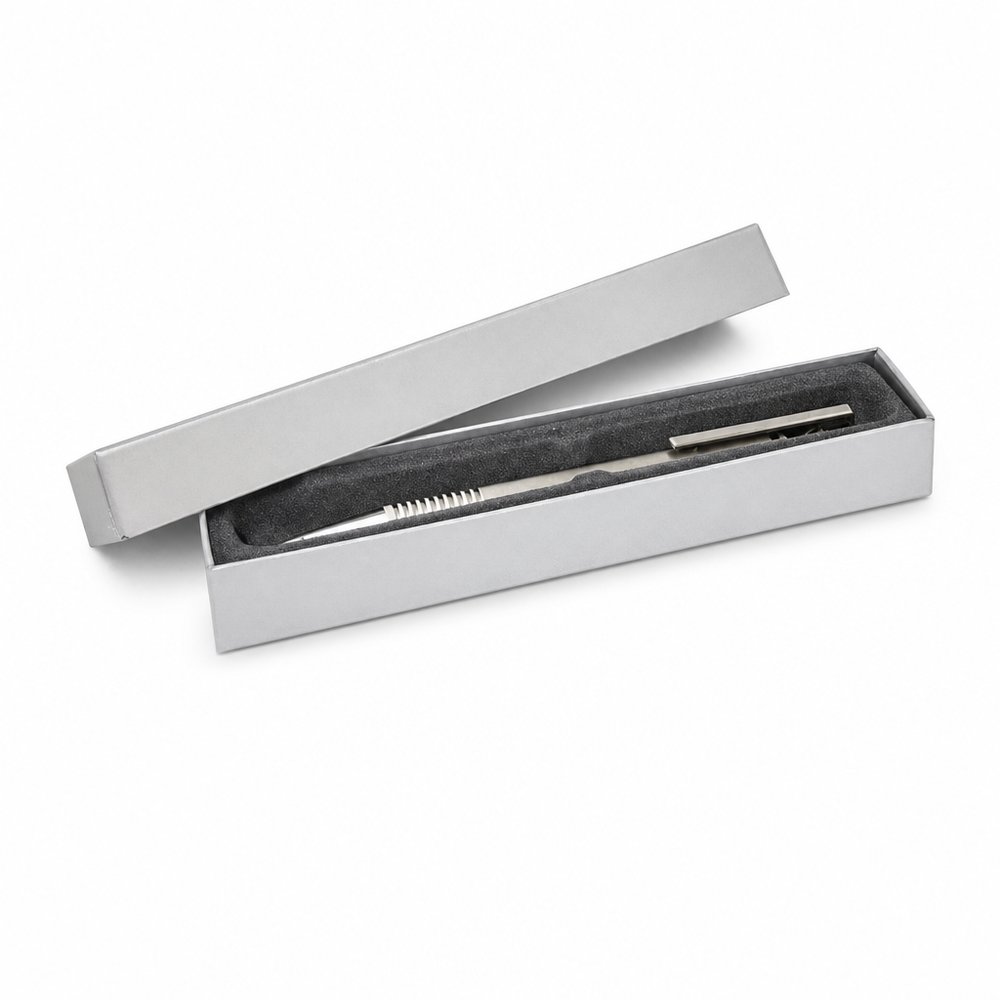
The first-thing-you-write-it-down-with set — a boxed pen-and-paper ritual that turns a brand's biggest moments into something the recipient keeps and returns to.

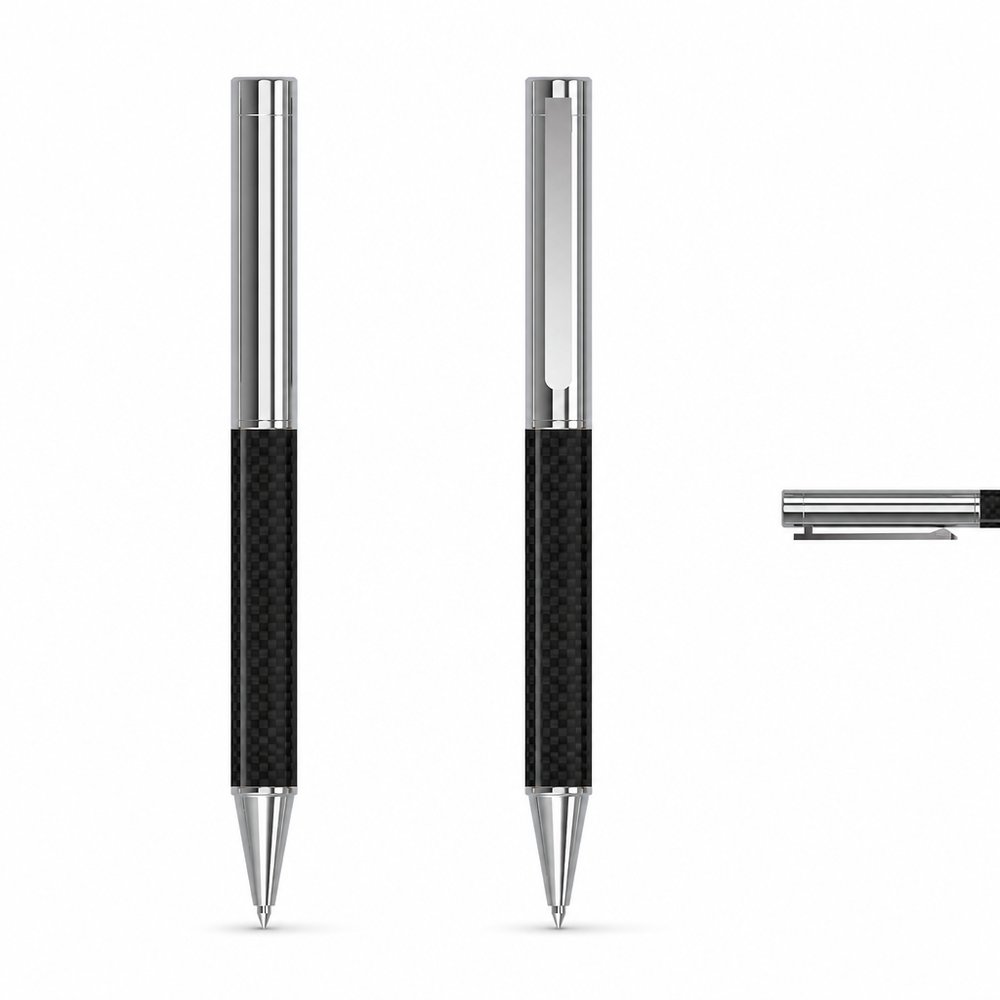
The anti-doodle pen: recycled aluminium that turns boardroom restlessness into a branded reflex prospects can't stop touching — a reason to keep hands off the phone.

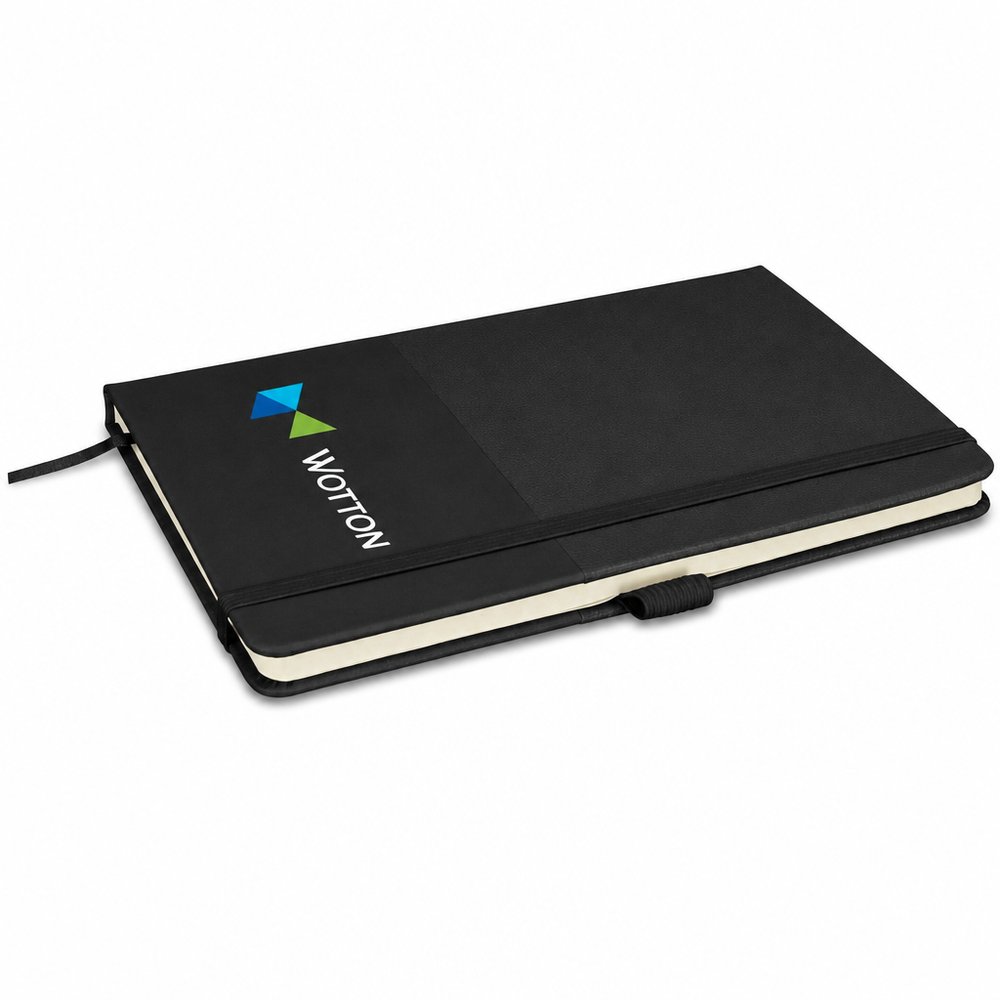
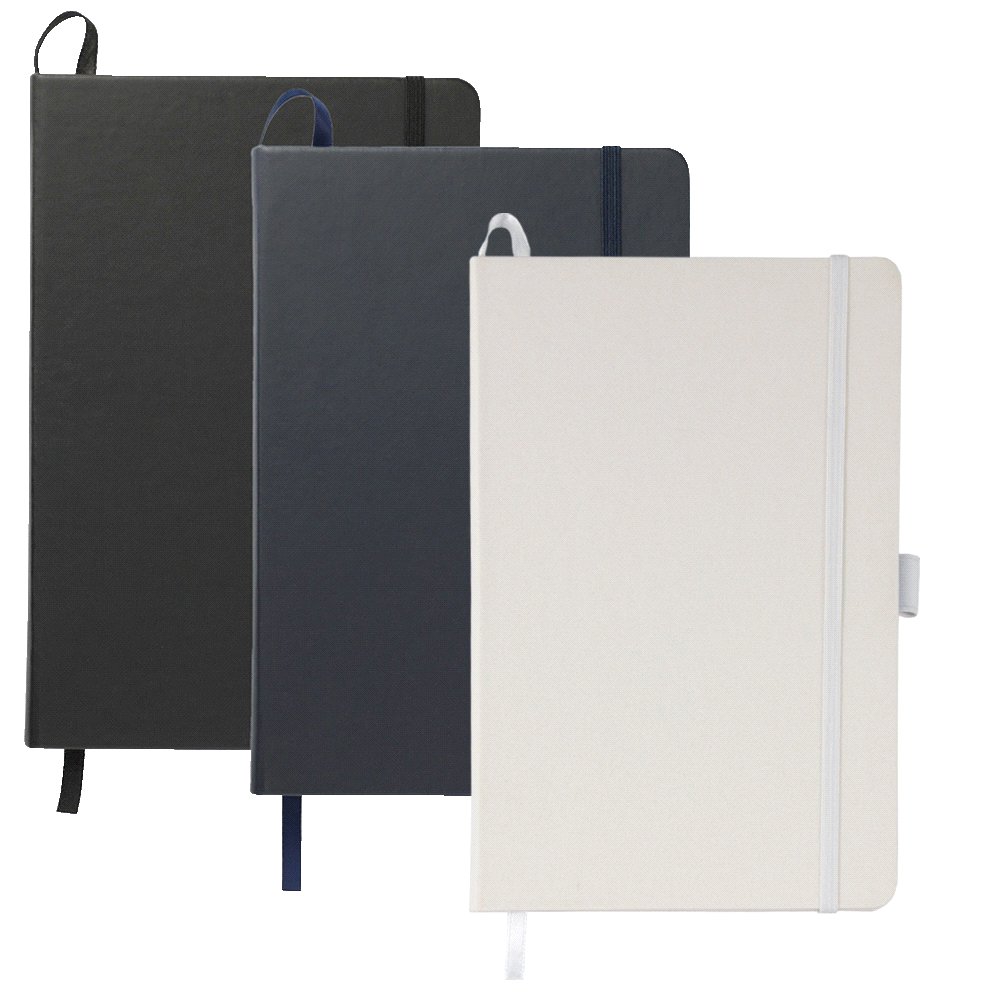
The credibility object: the cheapest way to put your logo on someone's actual thoughts for six months, with cream recycled pages and a pen loop that ends the great desk-drawer hunt.

The only piece of merch the recipient will write their actual life into — a guaranteed daily touchpoint for an entire year at the price of a single coffee. Nobody screenshots a diary entry.

German-made, refillable and recognisable — genuine product-design authority for the stationery chapter.

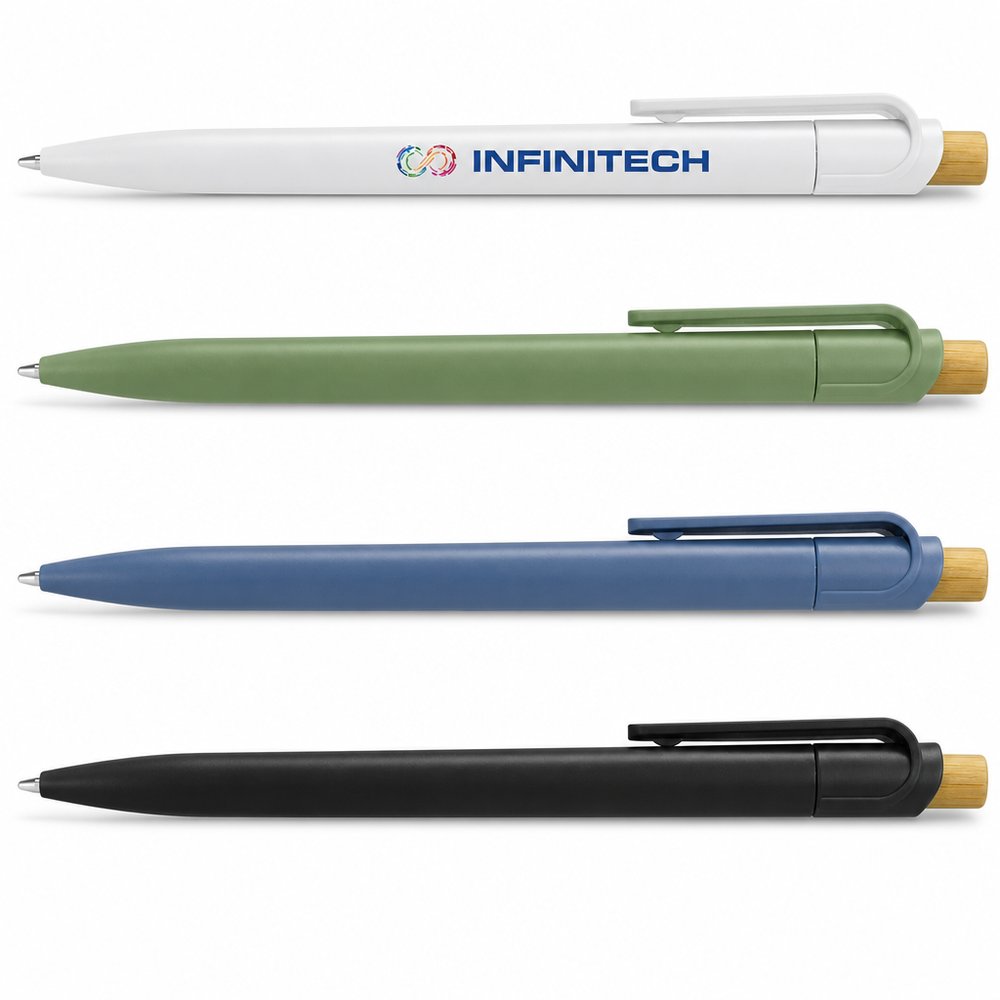
The witness object — a 76-cent pen physically present at the recipient's most signature-worthy moments, with a bamboo-and-recycled backstory that does the sustainability talking for you.

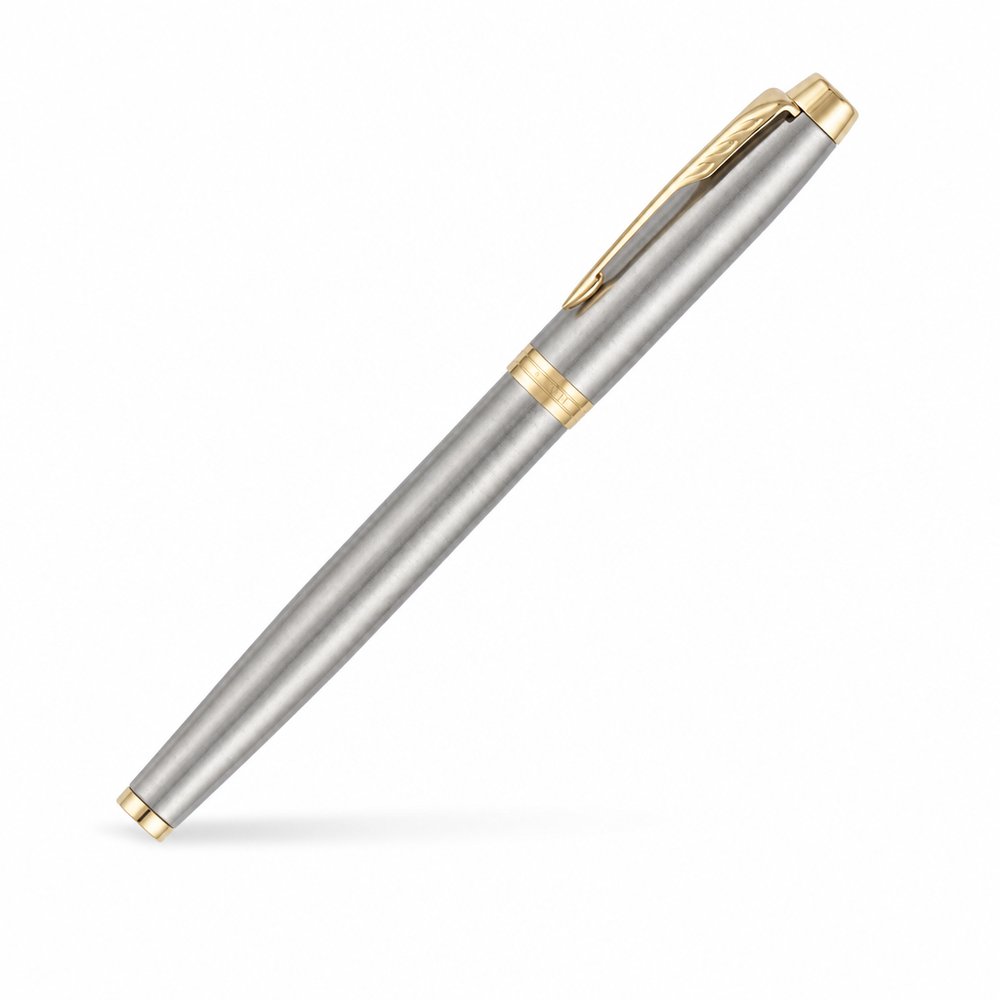
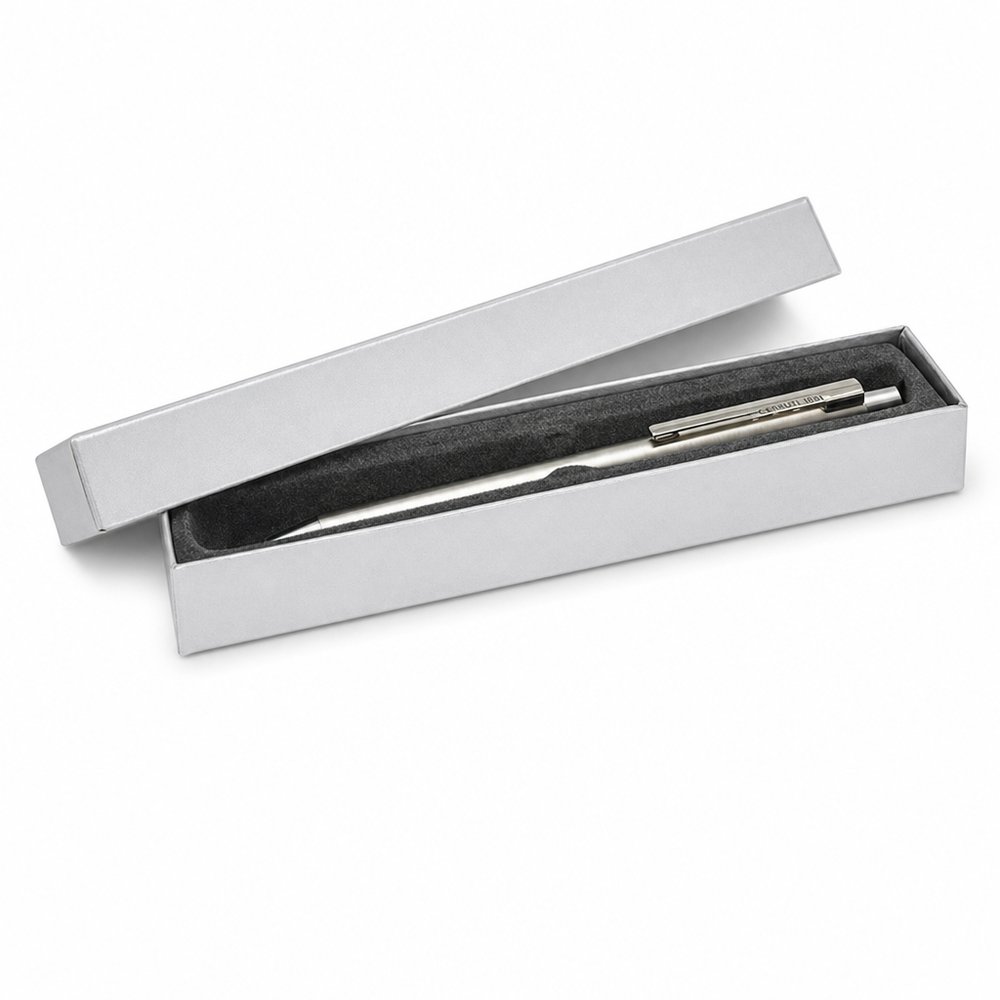
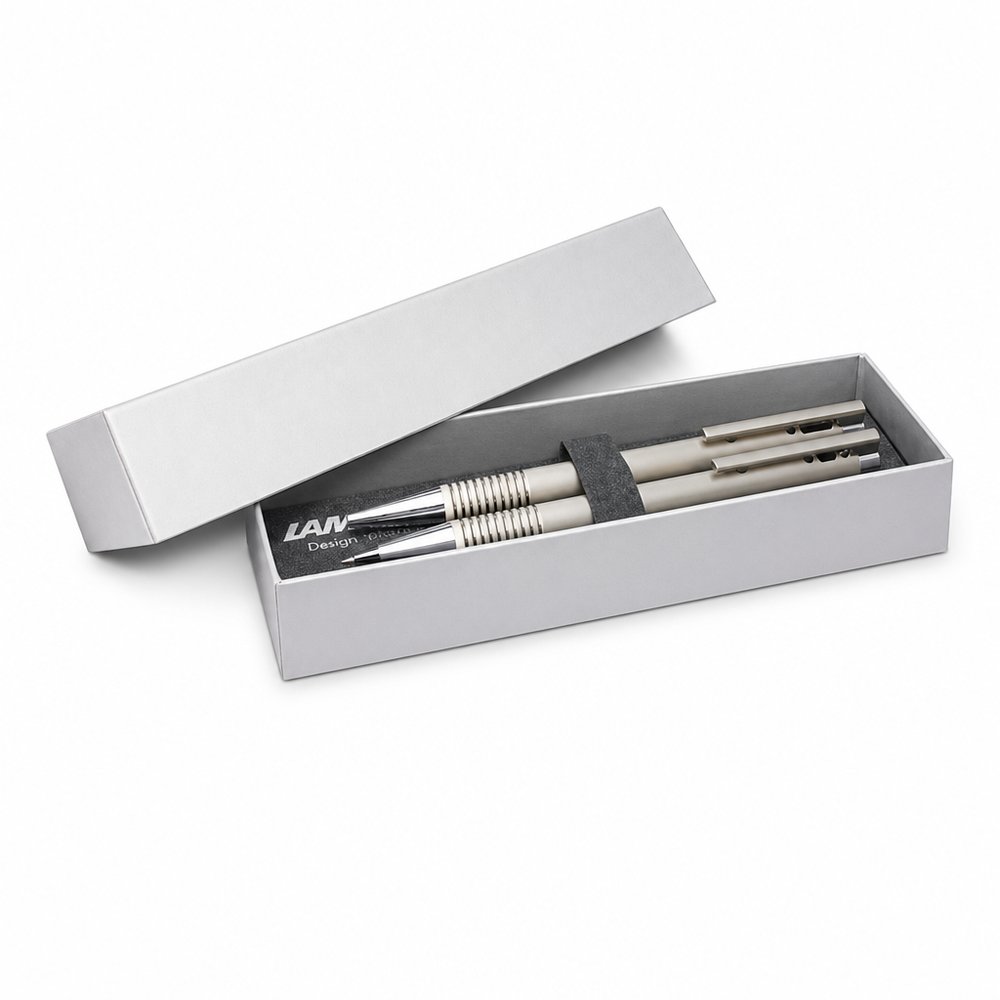
The pen you hand someone at the moment a relationship turns serious — brushed steel with enough weight that someone always asks to borrow it, and always gives it back. Engineered to be kept, not consumed.

German-made and weighted with intent — the signing instrument that turns a transactional signature into a personal milestone worth keeping.

The mailer that refuses to become litter — it asks the recipient to plant your message and tend it for weeks, turning a one-second glance into a season-long relationship. Junk mail that grows into basil.
Sustainable products that don't look sustainable — they just look desirable. Apple leather, recycled ocean nylon, recycled aluminium. The eco story is built in, not bolted on.
10 products
Best branding move: Use a small product-story card or QR code to explain the material accurately. Keep the product branding restrained enough that the object remains desirable for years.

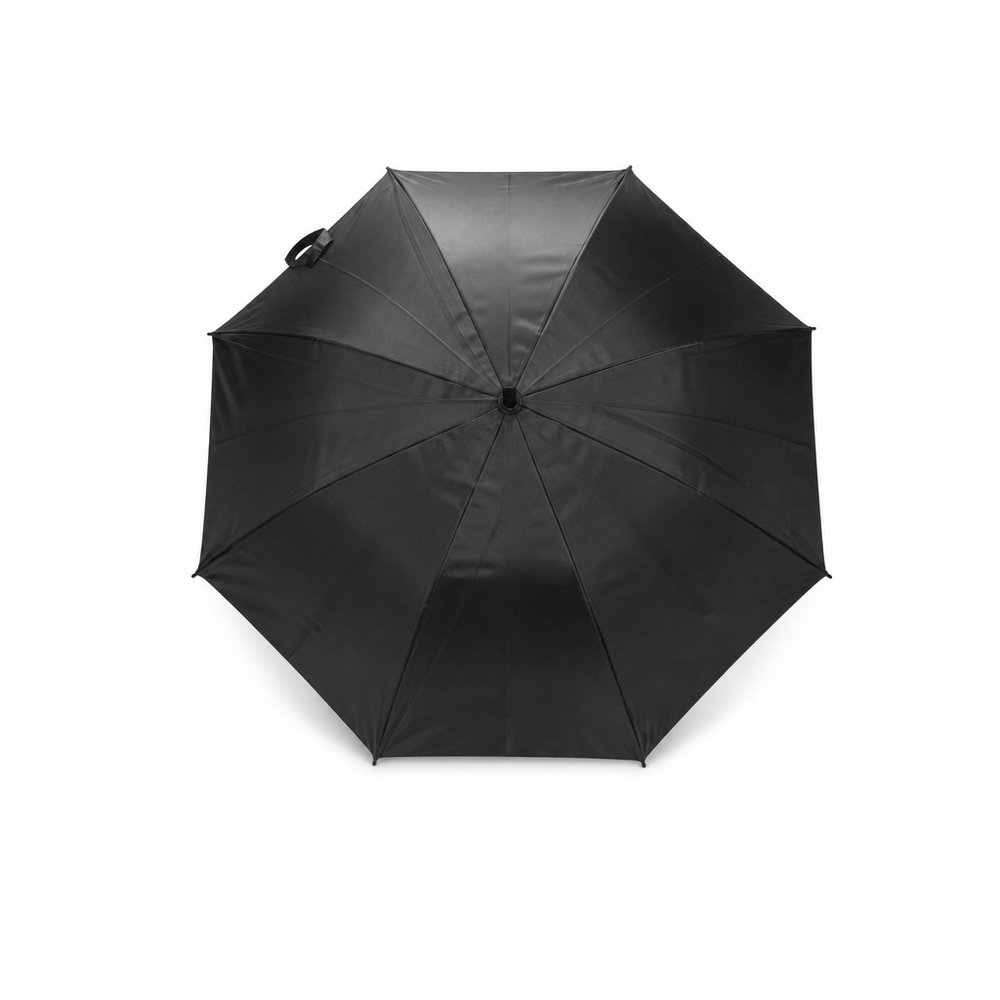
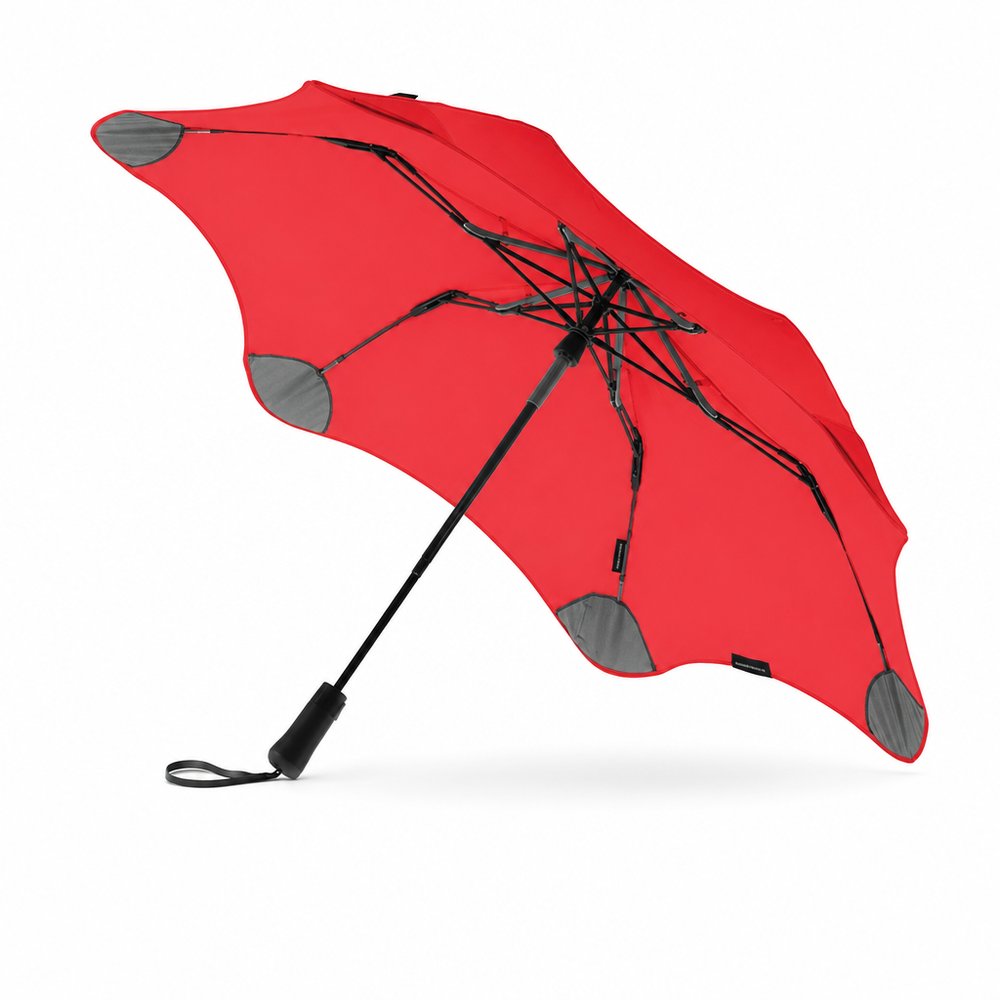
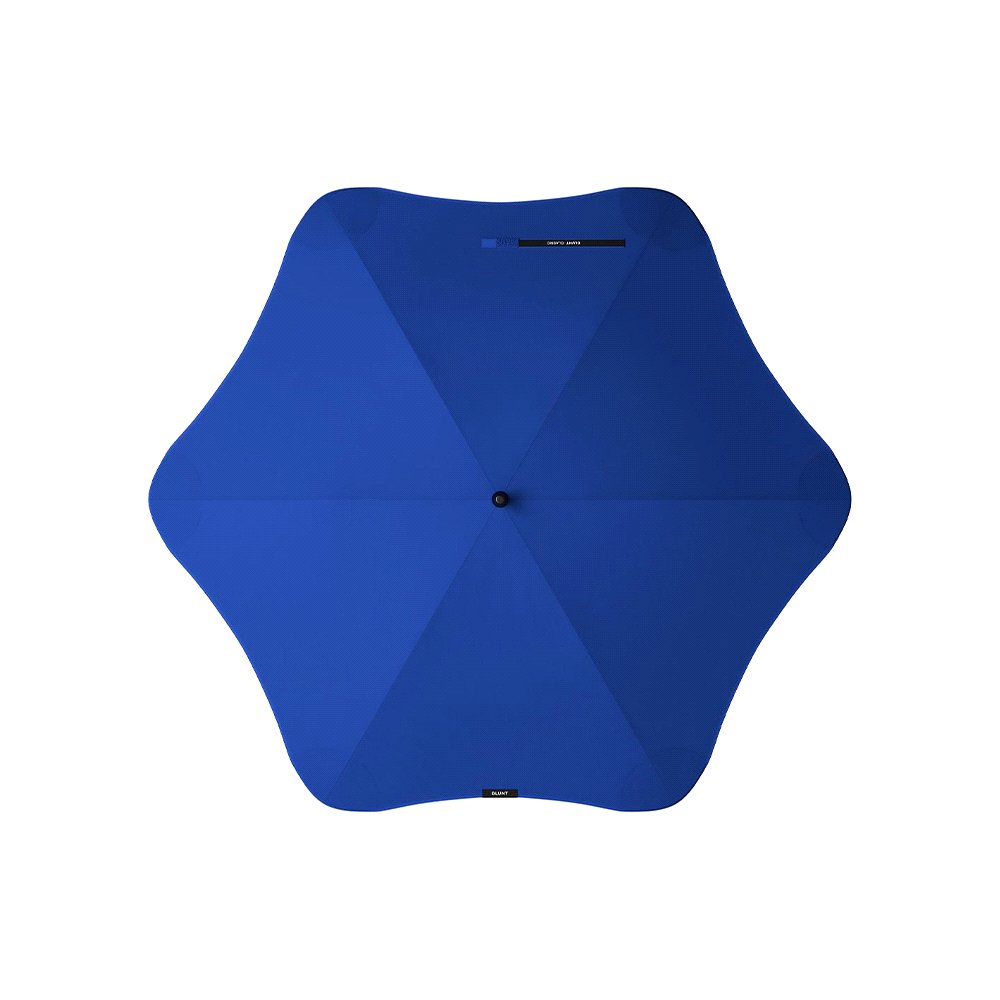
One of the strongest environmental narratives in the catalogue: recovered ocean nylon becomes the protective canopy, with a cork handle to finish.

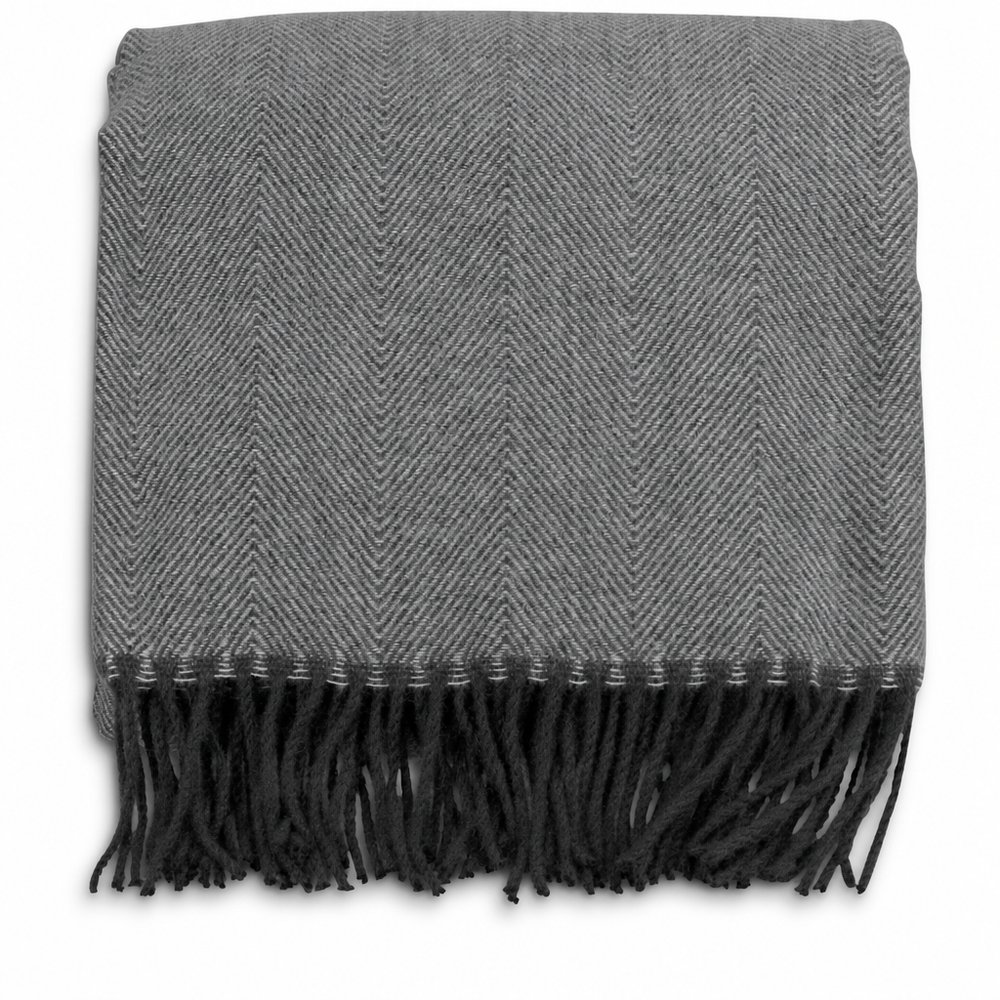
The merch that gets adopted into the recipient's home life — a recycled comfort object that earns years of living-room loyalty instead of seconds of desk-drawer attention. Landfill maths it actually wins.

Daily-ritual status with a recycled-steel proof point — your sustainability claim held, warmed and reused 300 mornings a year. The desk item that survives the office clean-out, twice over.

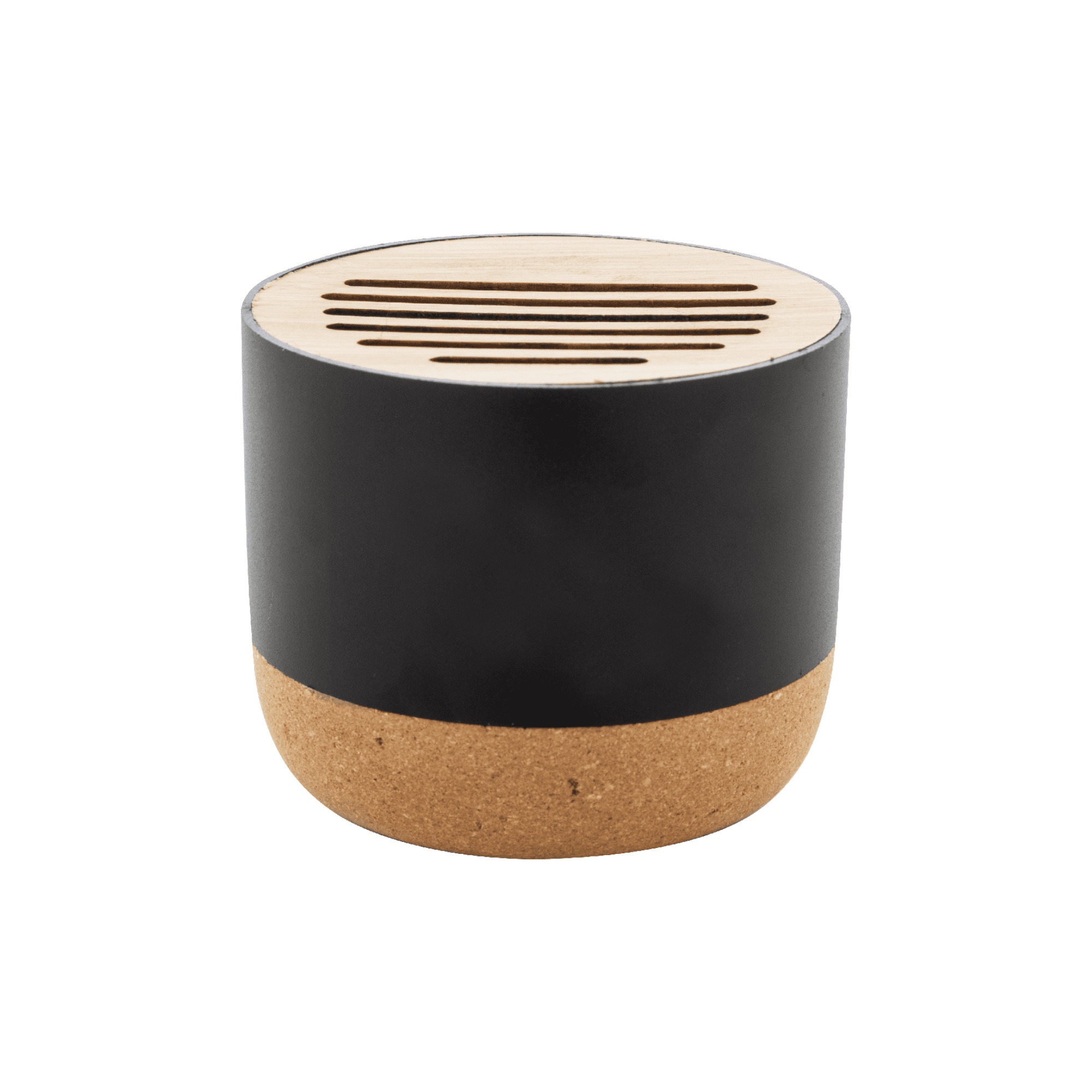
The anti-gadget: functioning tech disguised as a natural object, sold on the moment someone strokes the cork before they ever press play. Small enough for a handbag, warm enough that nobody calls it a gadget.

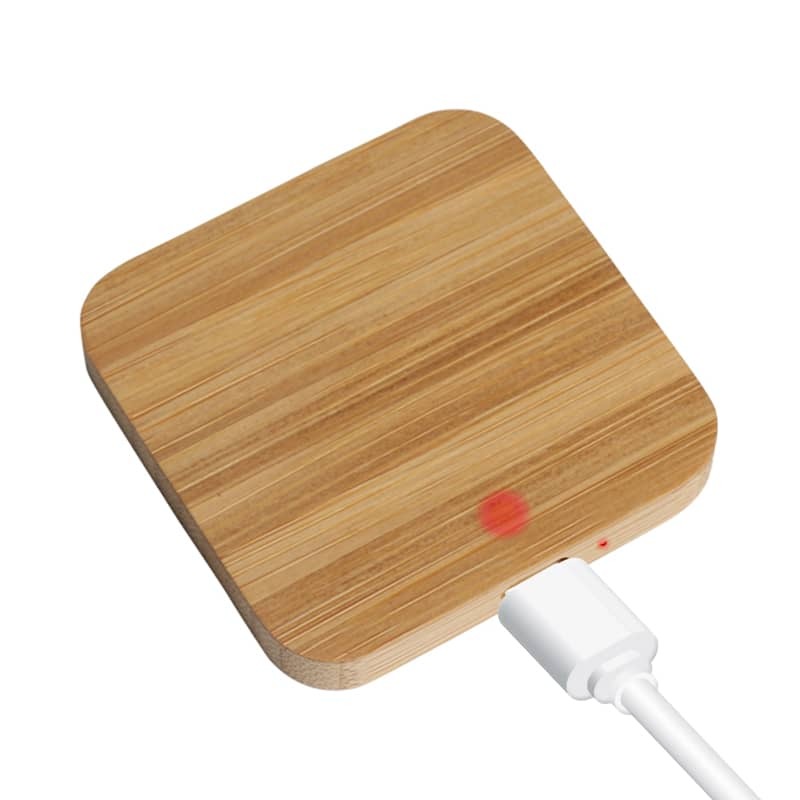
Permanent desk real estate — the rare giveaway that earns a fixed spot within arm's reach of the phone, pairing a daily magnetic ritual with a visible sustainability statement in bamboo.

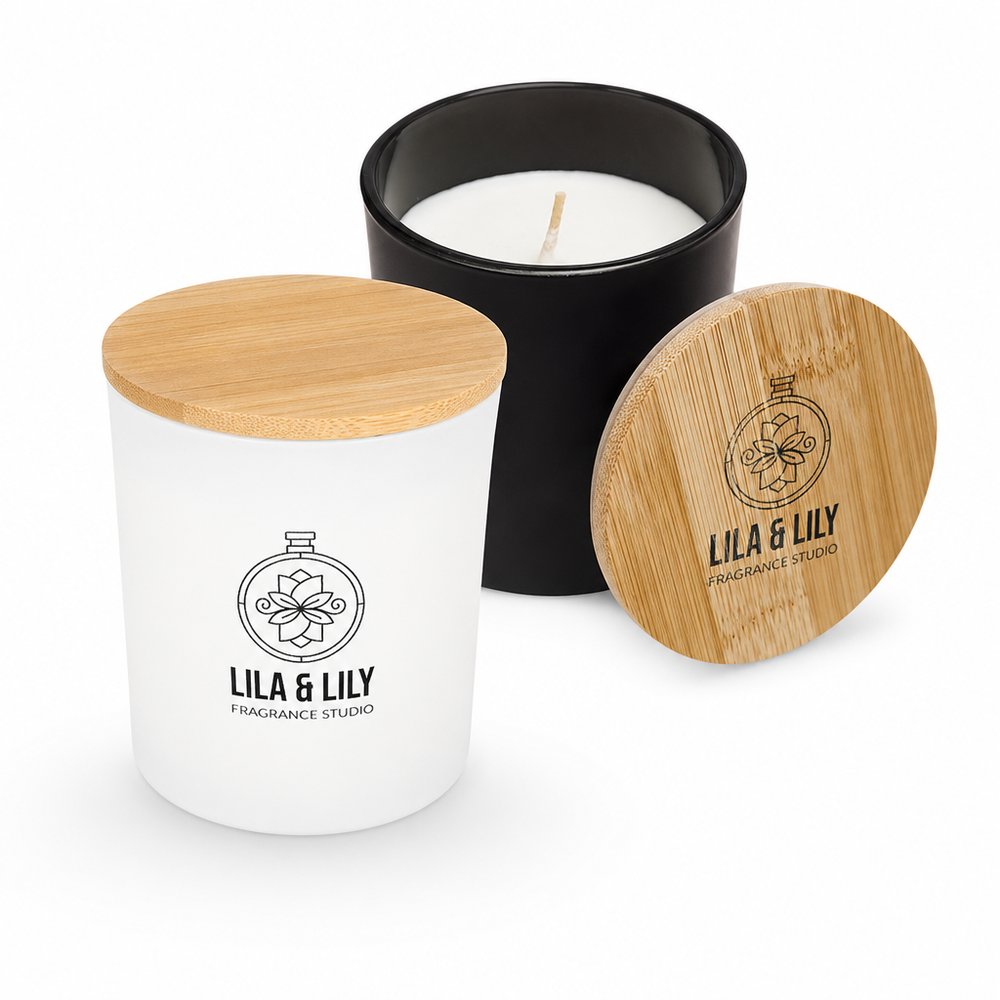
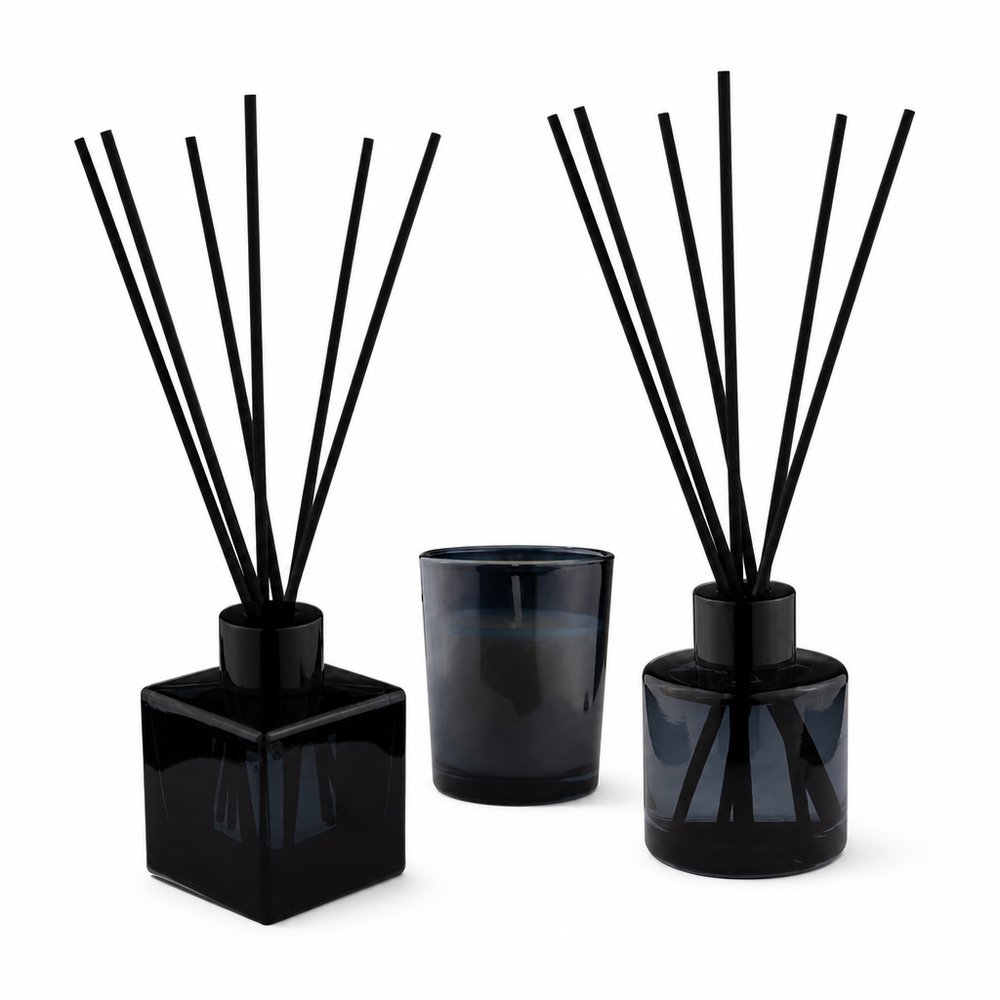
Soy wax and a warm vanilla fragrance make this candle a gift people actually light, carrying a brand into the home in the gentlest way and burning cleaner than the paraffin it replaces.

The sustainable cup that earns its keep with a party trick — recycled-aluminium credibility wrapped around a colour-changing reveal people can't help but demonstrate to someone else.

The communication becomes an action: read, plant and grow.

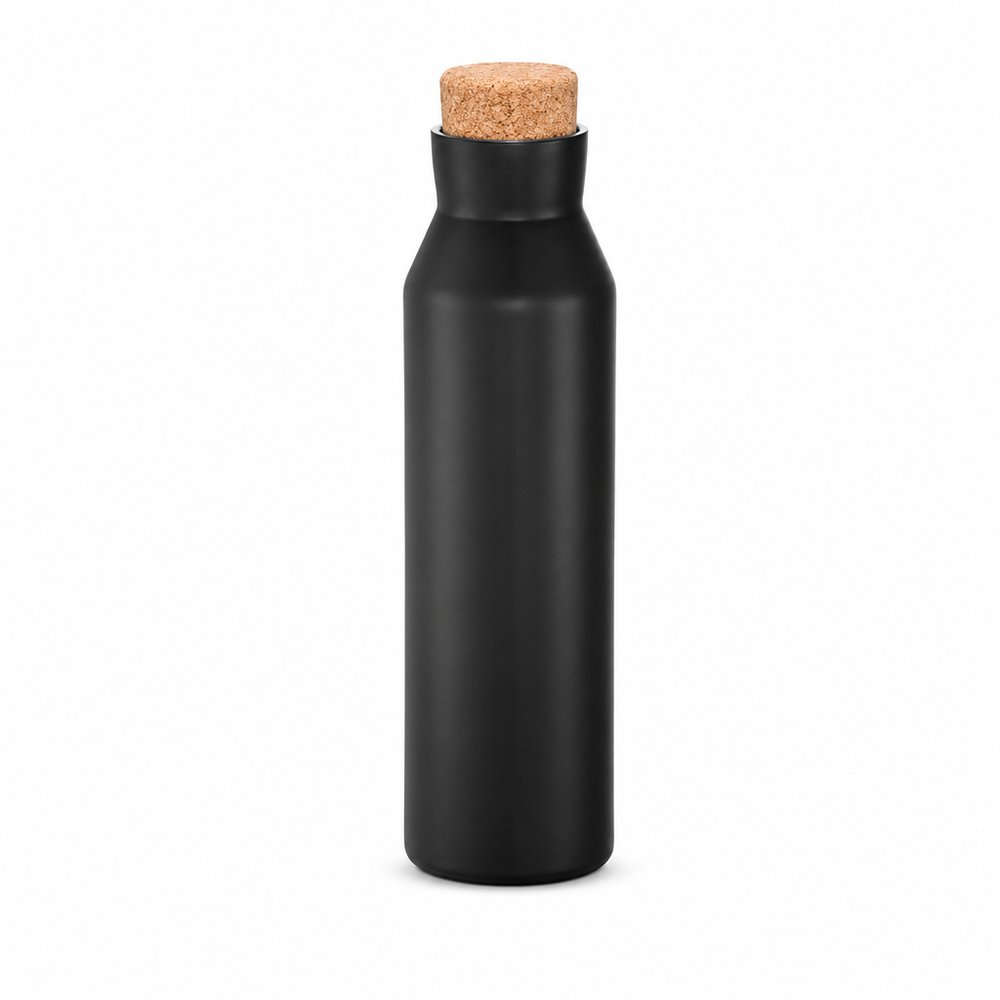
The heirloom of hydration — a sub-$20 bottle that performs like a $60 retail one, cork-look lid on copper-lined steel, so the brand on its side gets carried, not binned.

Sell the origin story, not the stationery — apple waste turned leather does the brand's sustainability talking every time it's opened, and the story gets retold unprompted in stakeholder meetings.
The products that make it into someone's home — the highest compliment in promotional merchandise. These are gifts, not giveaways.
11 products
Best branding move: Brand the ritual as much as the object. A lamp connects to evening entertaining, a glass set to a shared drink, a lunch box to daily wellbeing, a blanket to weekends outdoors.

The instant-rally kit that turns a logo into the reason two people went outside and actually had fun together — the only meeting where 'let's take this outside' is the good outcome.

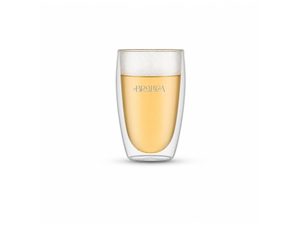
The gift that earns shelf-life — a refillable glass-and-bamboo object so unbranded-in-feel that recipients keep it for years, carrying your name in their most private rituals.
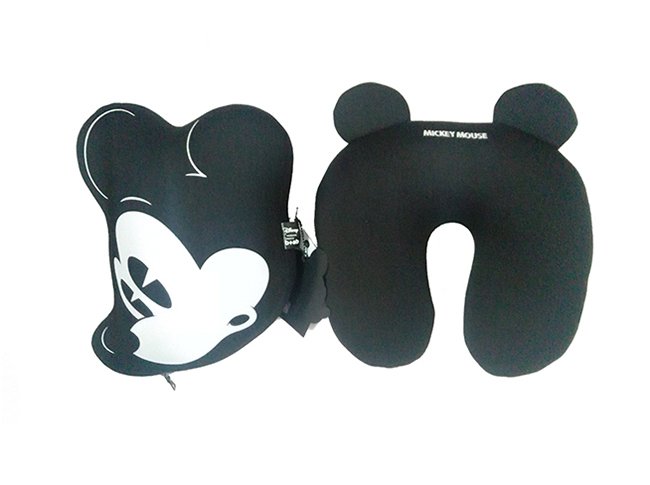
The under-$12 sensory keepsake that turns a corporate gesture into a nightly home ritual — branding via atmosphere, not logo placement. The only gift that gets unboxed twice: once by hand, once by the whole room.

A daily four-minute ritual disguised as a homeware gift — the rare object a recipient actually uses every morning, keeping your brand in their hands long past the campaign.

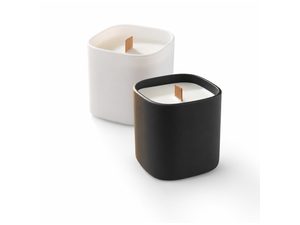
A pocket-sized fireplace — the wooden wick turns any cold room into somewhere a person actually wants to sit still, and the crackle does what no logo can.

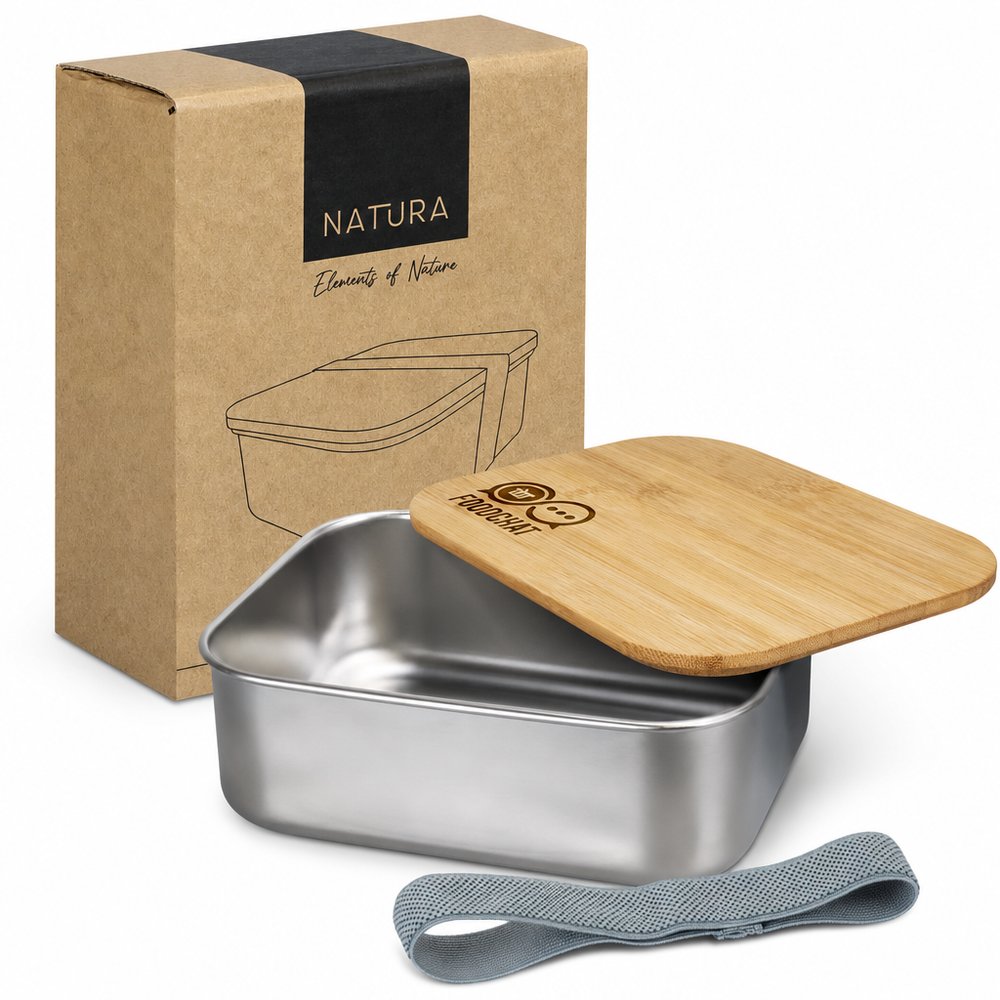
Lunchware is one of the most repeated workplace rituals — this one combines steel, a bamboo lid and personalisation potential.

The anti-disposable desk object that turns a caffeine habit into a daily branded ritual nobody throws away — one litre, zero excuses to leave the desk.

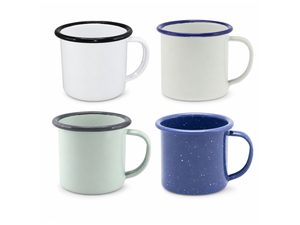
The heirloom-grade everyday object that earns a permanent desk spot because it's built to be used hard and look better for it — the mug that improves the more it's bashed around.

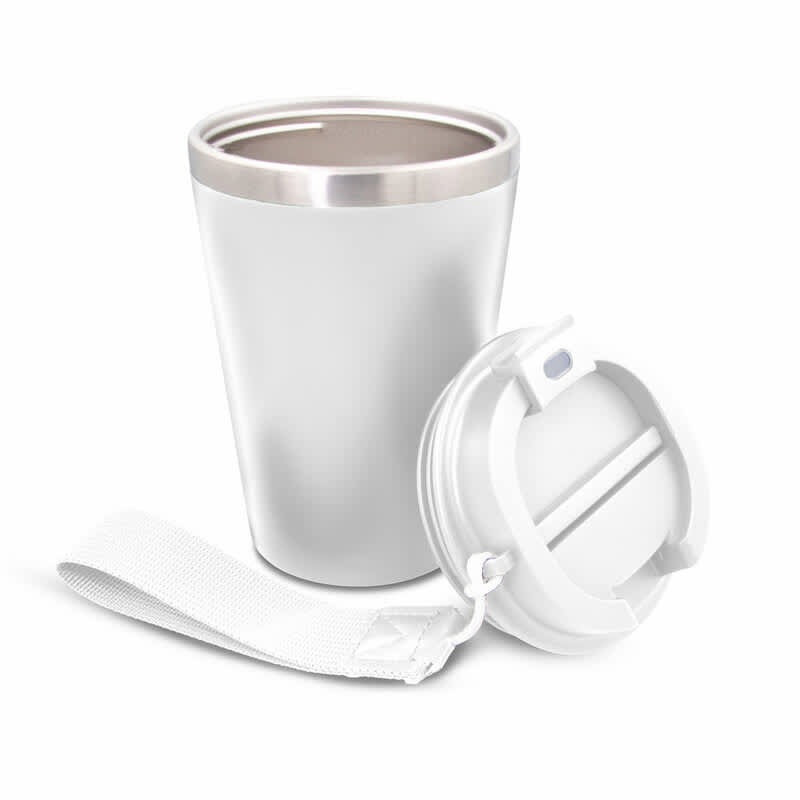
The keep-it-forever travel mug whose ceramic lining quietly proves you cared more than the budget required — coffee that doesn't taste like the cup it came in.

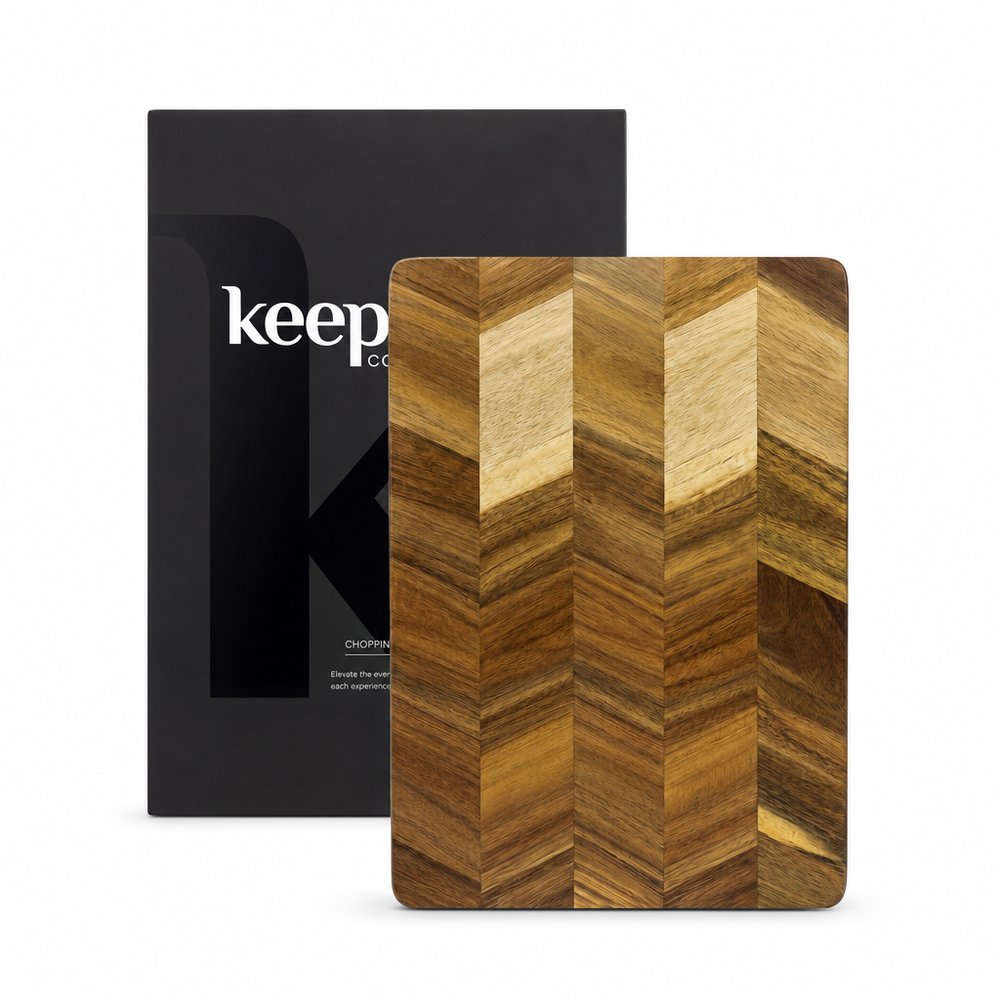
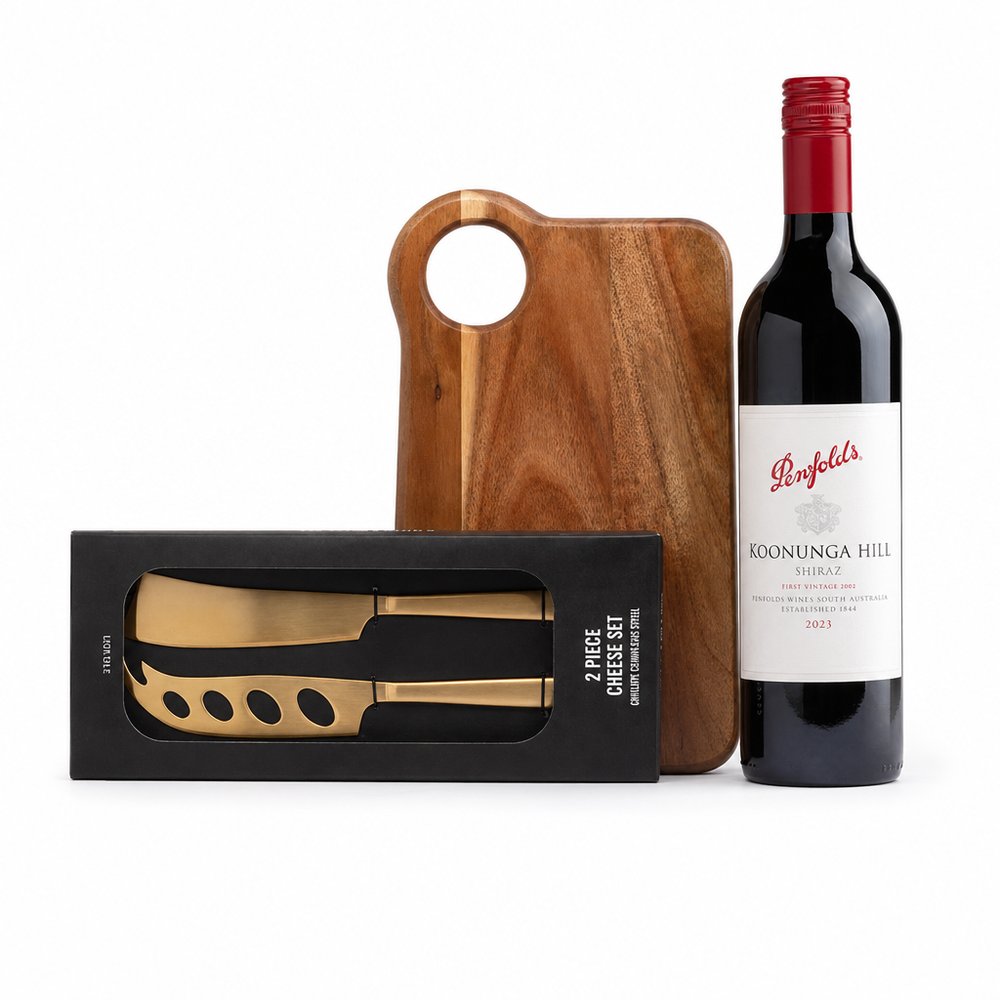
Furniture for the recipient's best moments — a chevron-grained acacia board that puts your client's name at the centre of every dinner party for the next ten years.
It solves the thing everyone already does badly — propping a phone against a water glass while they eat — so your logo lives in the most-repeated fifteen minutes of the day.
High-volume, high-impact, budget-friendly. The products that fill delegate bags, drive booth traffic and leave a memorable impression without breaking the budget.
9 products
Best branding move: Create a symbol, edition, colour system or participation mechanic. The most effective event merchandise represents belonging rather than simply displaying the sponsor.

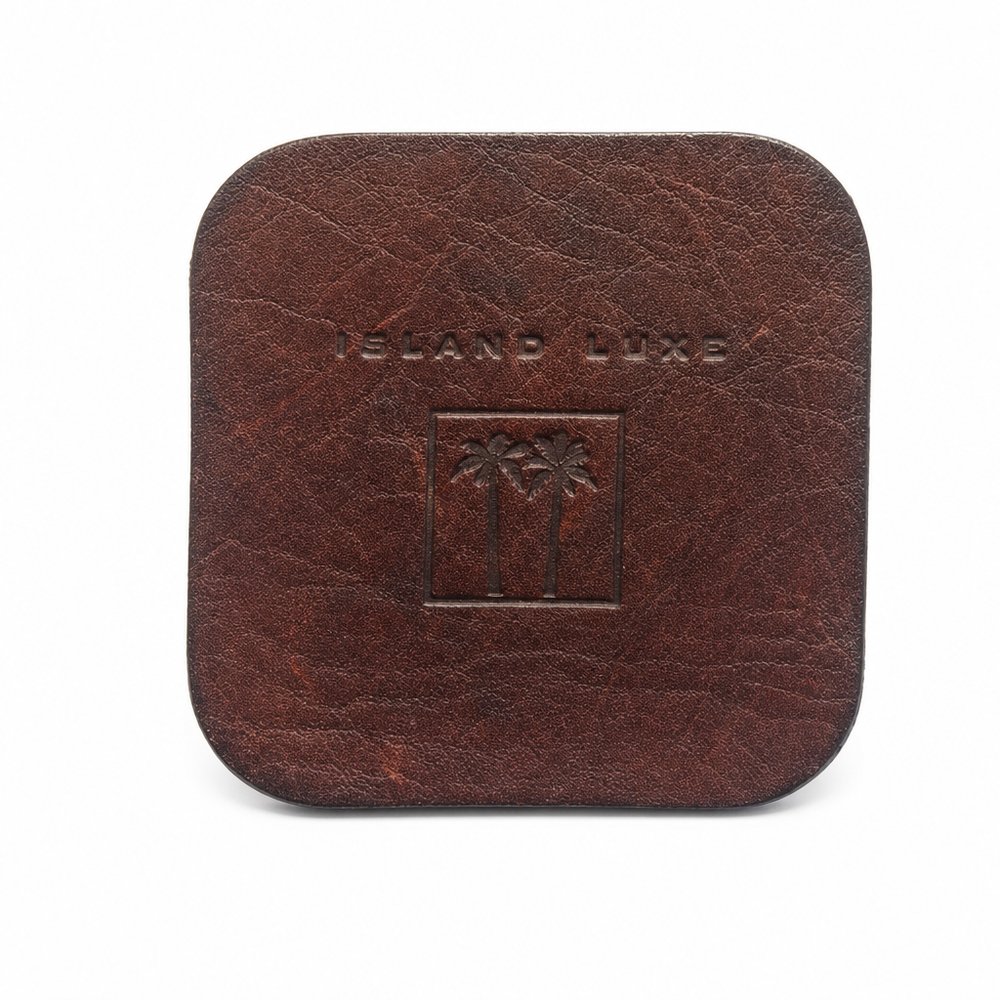
Locally made leather with genuine provenance — a small object that carries place, craft and permanence, and gets more personal with every ring it wears. Cardboard says 'we printed 5,000'; leather says 'we thought about you'.

A participation mechanic disguised as mail — a postcard that's also a 12-piece fridge magnet, played with before it's read and stuck on the fridge by the recipient's own hand.

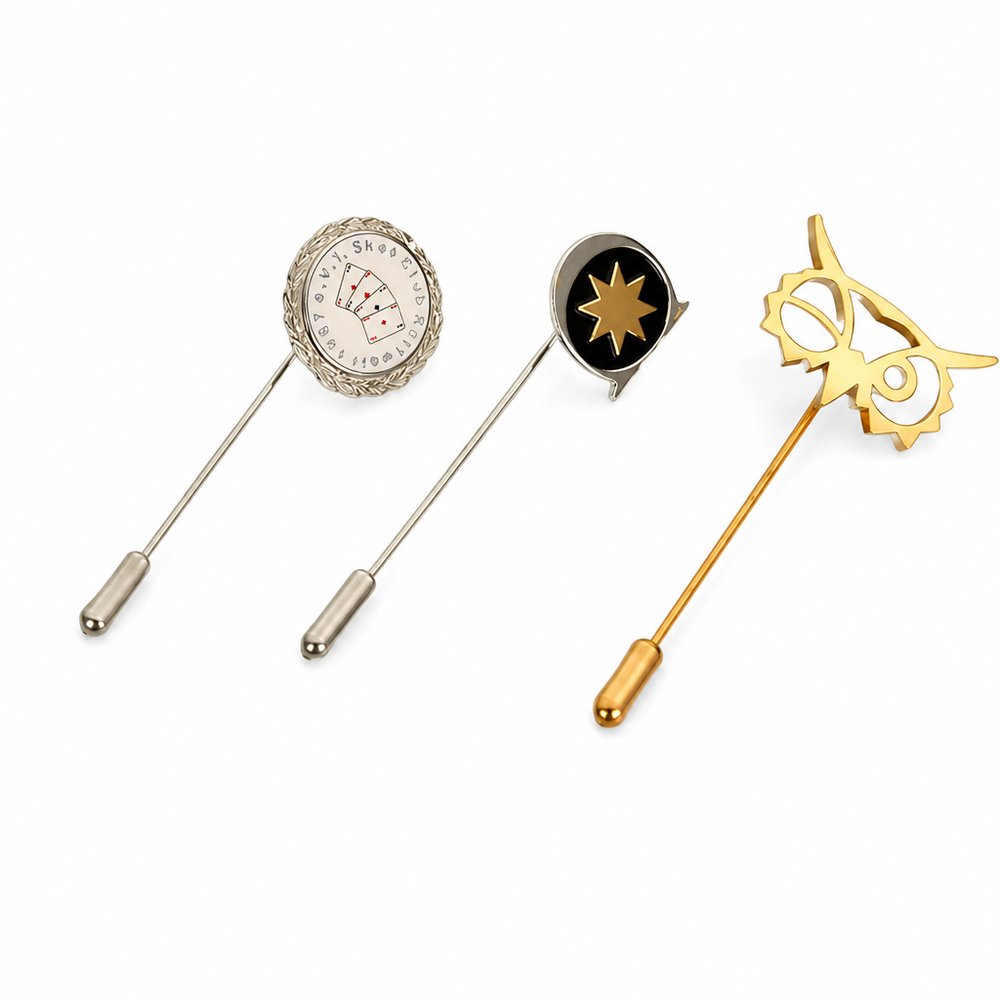
One of the few low-cost products recipients voluntarily attach to their own clothing, bags and lanyards.

Woven construction gives the mark a crafted, collectable quality that printed transfers can't match.

The tiny daily ritual that puts your brand in their pocket and their hands a dozen times a week — smaller than a business card, outlasting the conference by three weeks.

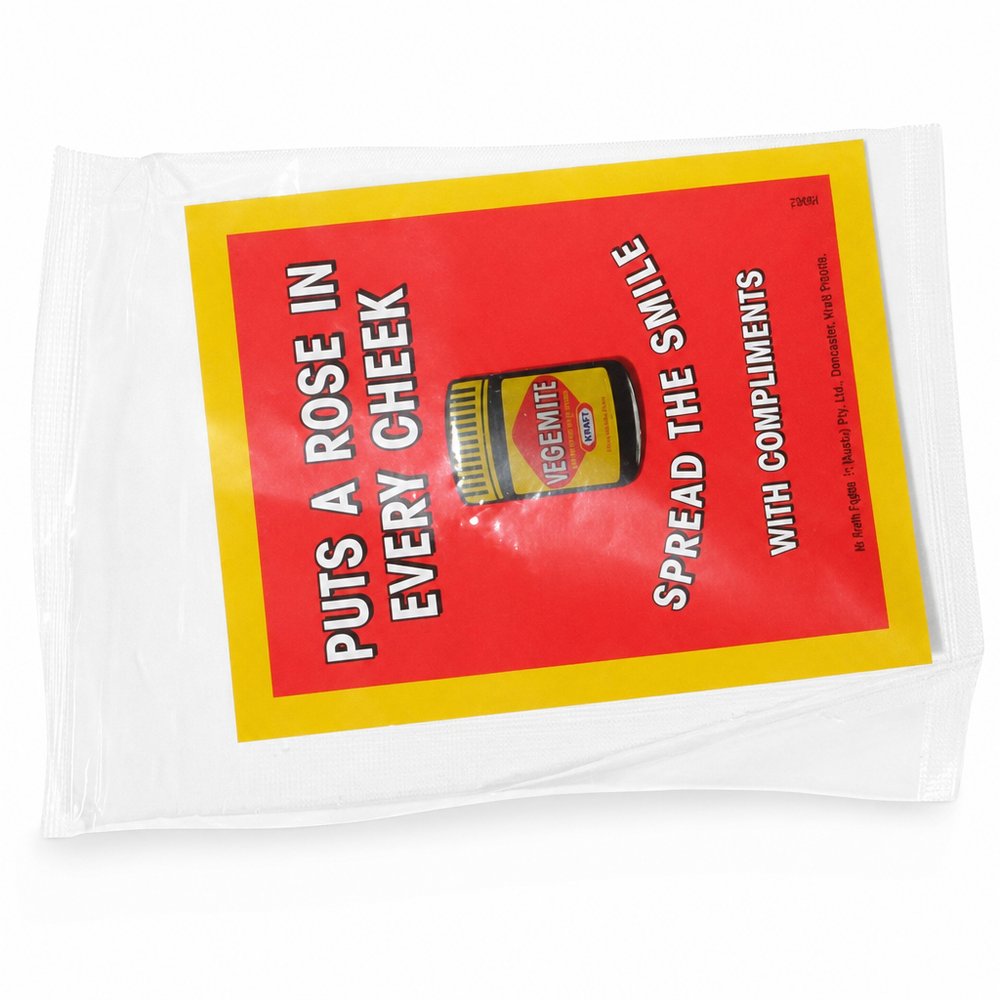
A mailer with a secret second life — travels flat as a card, then peels off the page and earns lapel real estate. Your message lands in the letterbox and leaves the house.

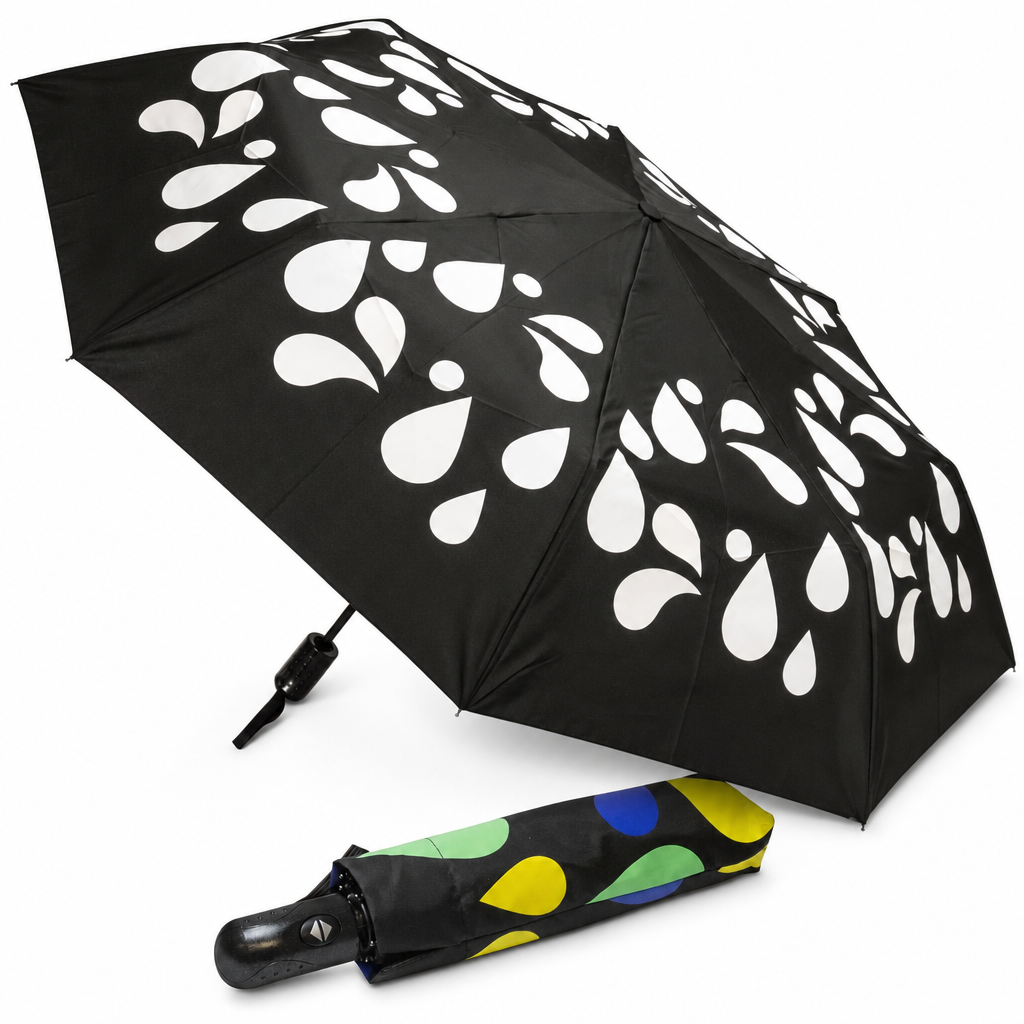
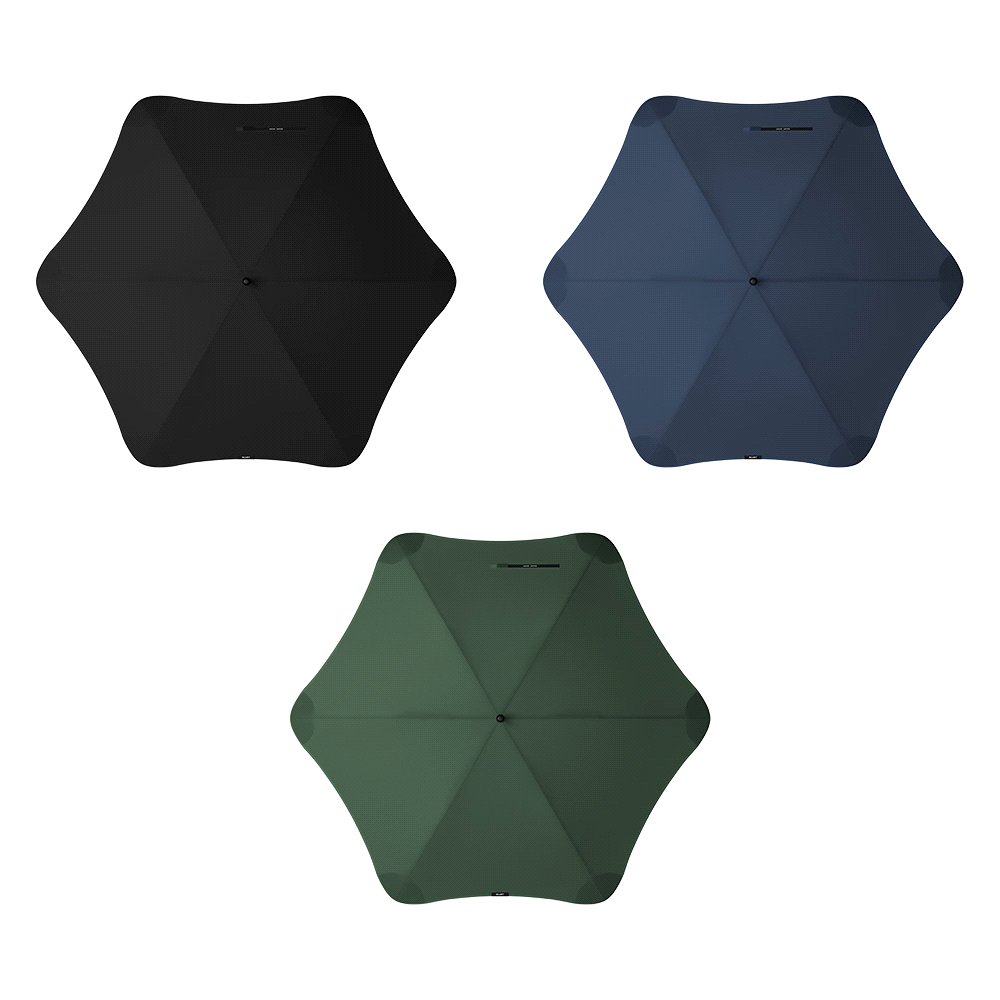
A pocketable giveaway that stays invisible until the weather turns it into a colour-changing spectacle — making the dreaded rainy day the exact moment your brand gets noticed.

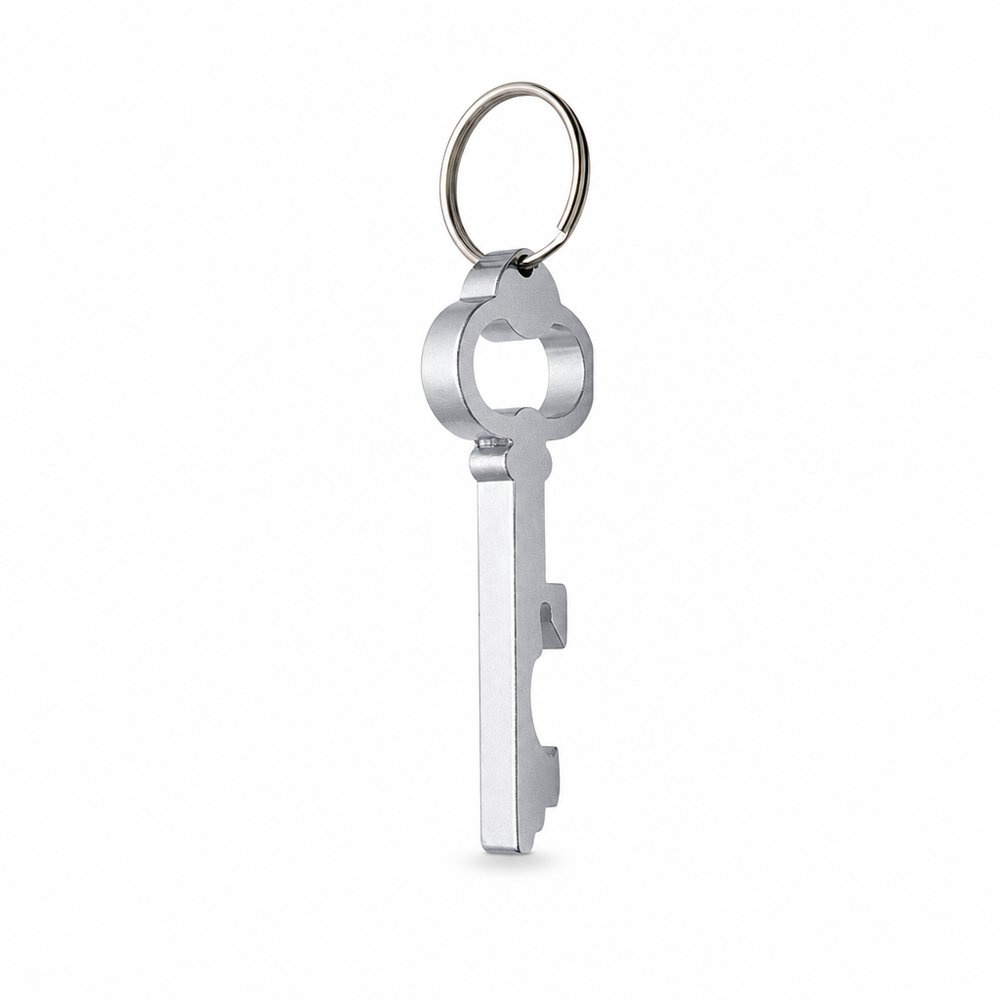
Permanent residency on the recipient's keyring — your brand rides shotgun to every door they open and every bottle they crack. Some keys open homes; this one opens the celebration.

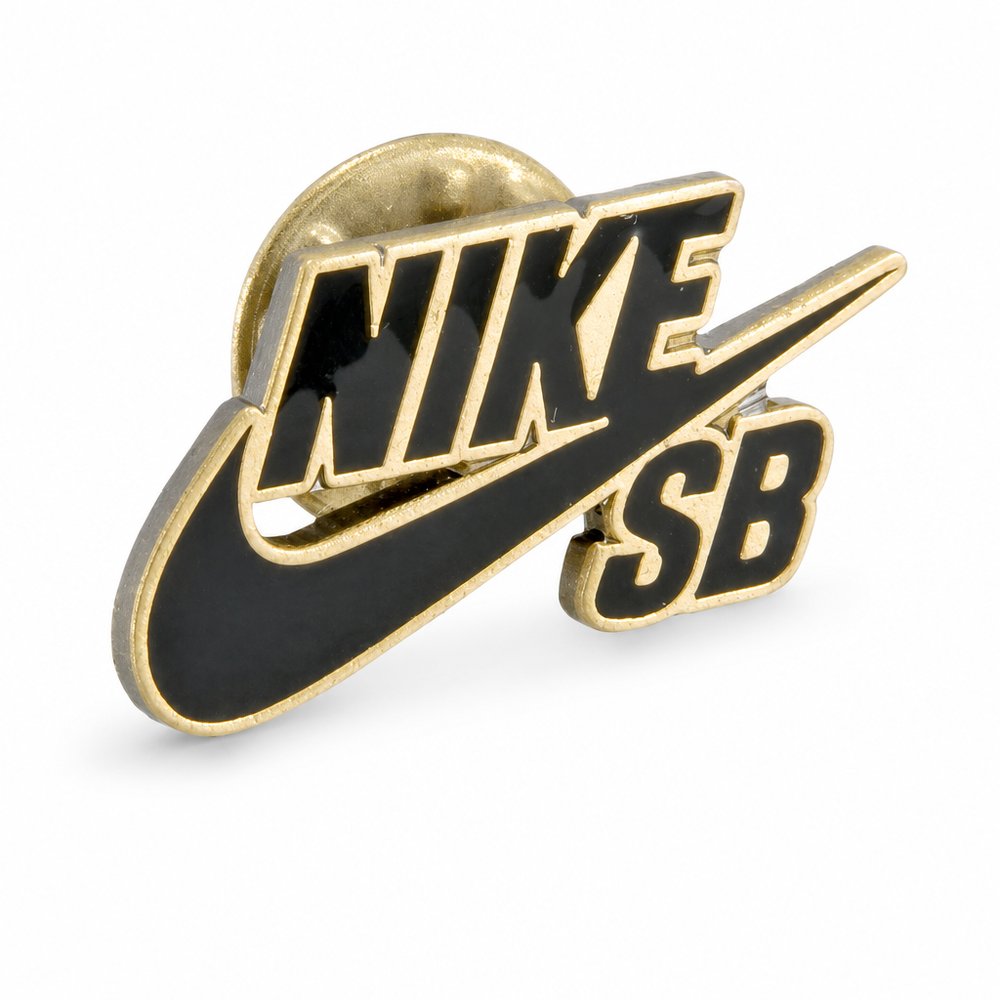
A wearable status system, not a giveaway — a tiny, tradeable badge of belonging recipients pin to their own clothes and defend like memorabilia.
Products built for the Australian outdoors — beach, bush and boardroom-to-airport. Sun-ready, sand-ready, and good enough to take on holiday.
8 products
Best branding move: Use the product to show the brand understands the journey — a travel adaptor for the first night overseas, packing order for the frequent flyer, a cooler tote for the Australian weekend.

The giveaway that gets used in public all summer — a wearable billboard people are genuinely happy to be seen carrying, big enough for two and printed loud enough for the whole beach to read.

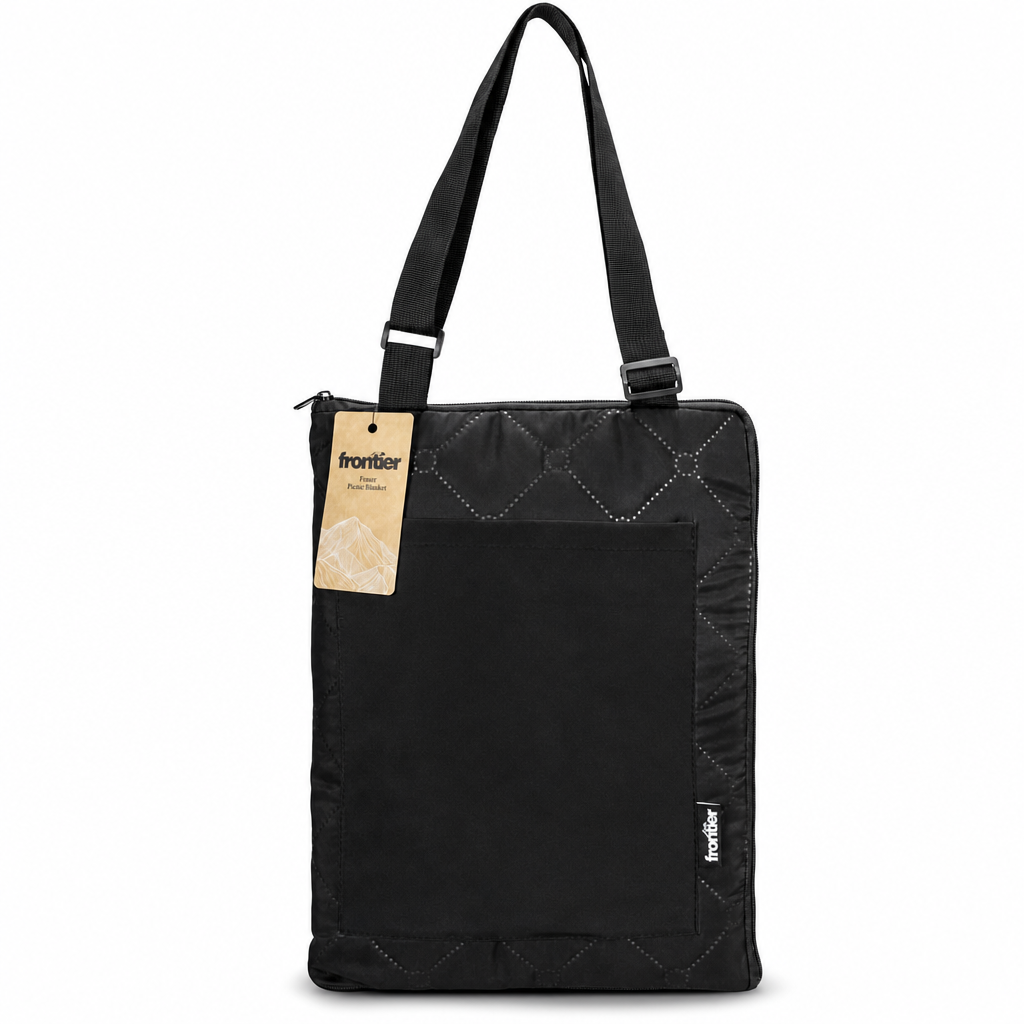
The merch that earns weekends — it doesn't sit on a desk but gets invited to every picnic, road trip and lawn moment for the next decade. Folds to the size of a laptop bag, unfolds to the size of an afternoon.

The anti-disposable gift: genuine industrial design that earns daily use precisely because it refuses to fail at the moment cheaper merch always does. No spiky tips, no inside-out shame, no bin by Tuesday.

The soft brand companion that does two jobs and survives the journey home — comfort merch that earns a permanent spot instead of a landfill spot.

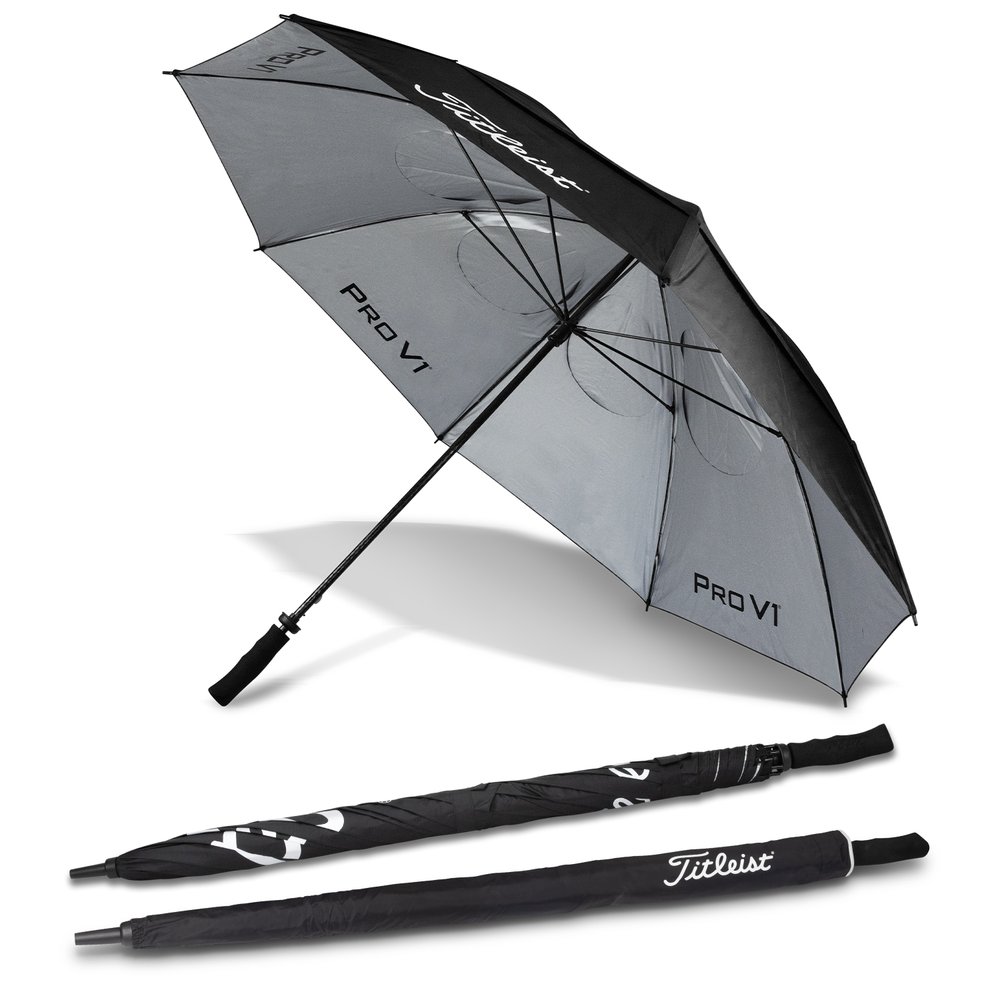
A Titleist double-canopy golf umbrella that holds firm when the weather turns and lands instant recognition on the course, staying open, sturdy and on-brand through a full round or a client day out.

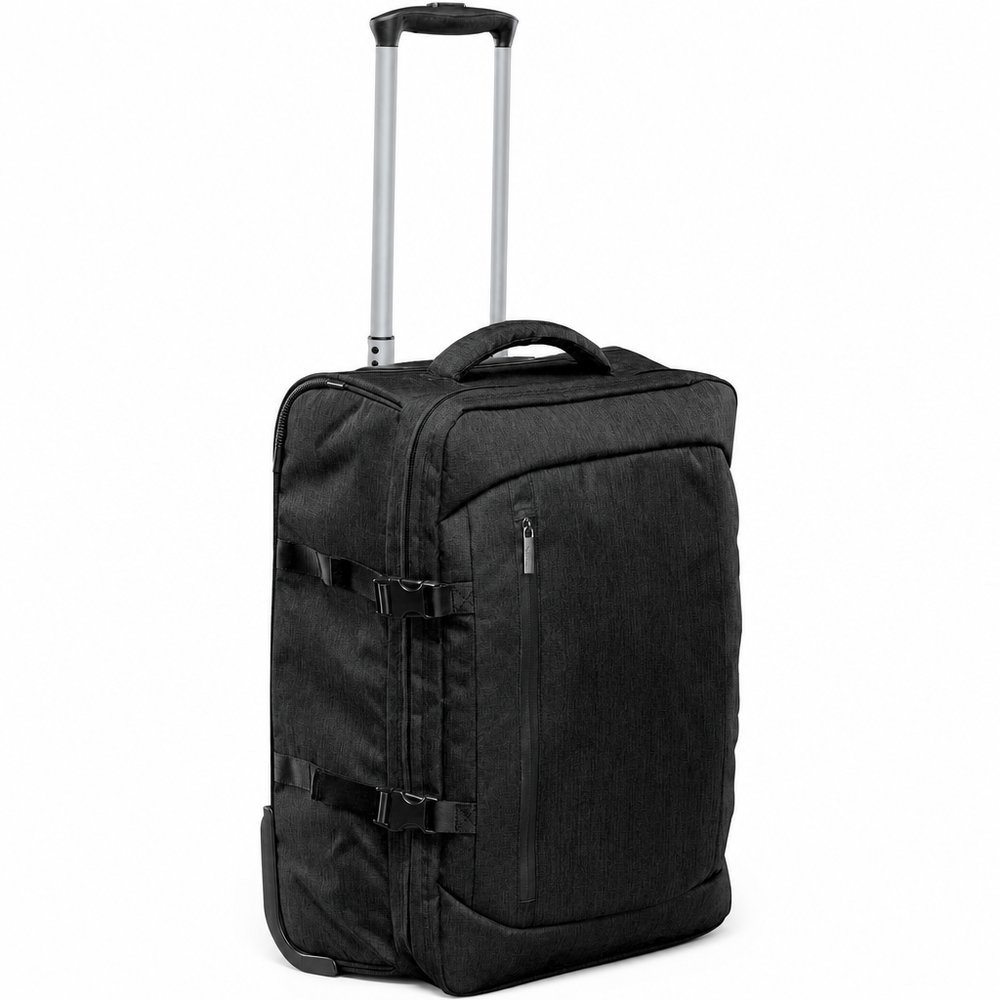
A Stormtech wheeled carry-on built for the airport dash, rolling smoothly and holding a trip's worth of kit while keeping the recognised outdoor pedigree that frequent travellers already rate highly.

A gift that becomes indispensable at a specific moment: arriving in another country with devices that need power.

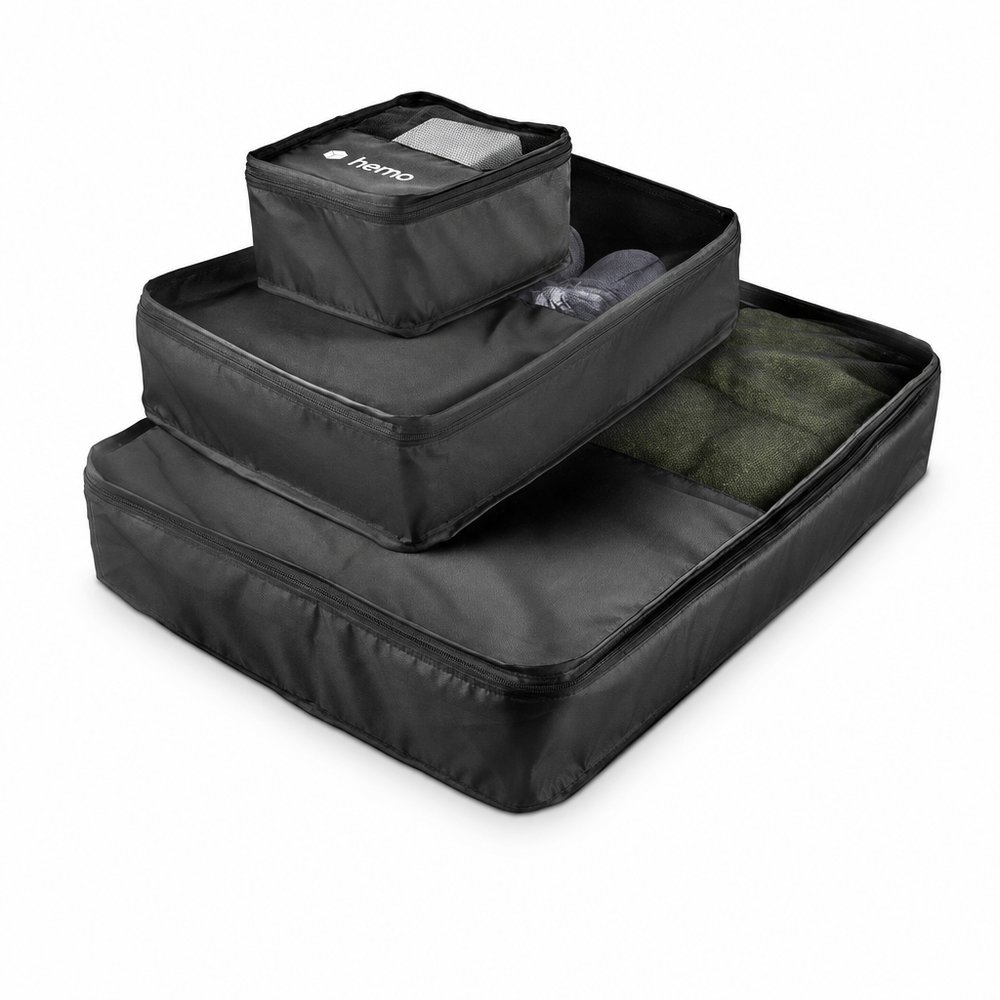
The gift that quietly imposes order on someone's chaos — three small cubes between the recipient and the 'where are my socks' meltdown, earning months of grateful re-use every time they pack.
The product should feel appealing before it is branded. Good proportion, useful features, attractive materials and a well-resolved form create the foundation — branding should enhance an already desirable object rather than provide its only point of interest.
The strongest products attach themselves to a real behaviour. They travel to work, sit beside the laptop, leave the house on weekends or solve a small recurring problem. Frequency matters: every chosen use is another positive brand interaction.
A large print area is not automatically a good branding opportunity. We look for products where the identity can be applied with intention — engraving, debossing, embroidery, colour, packaging or a beautifully controlled placement. The best result feels integrated rather than added.
The recipient experiences the product through weight, finish, presentation and usefulness — not through the invoice. A well-chosen product can feel generous at an accessible unit cost; a premium item should make its value clear through quality and relevance rather than price alone.
We consider what happens after the first impression. Will the product enter a bag, wardrobe, kitchen, desk drawer or travel routine? Will it still be useful after the campaign has passed? A product that is kept gives the brand time to become familiar.
The best merchandise gives people something meaningful to understand or repeat — an unusual material, a recognisable maker, a clever function, Australian provenance or a connection to a particular moment. The story gives the product context; its usefulness lets the story continue.
On the desk, in the bag, in the kitchen, in the wardrobe, in the car or beside the bed?
Morning coffee, commuting, travel, exercise, note-taking, charging or entertaining?
The surface, colour, stitching, packaging, interior, edge or moment of reveal?
The weight, shape, material, usefulness, colour or story?
A particular detail, placement, personalisation, combination or campaign idea?
The answer does not need to be complicated. It needs to be clear.
A badge means the product does one thing exceptionally. These are selective by design: one winner per distinction, re-judged every quarter alongside the list itself.
The Ember rechargeable lamp appears in three of our signature combinations for a reason: it changes the atmosphere of a table, travels between rituals — dinner, desk, terrace — and takes a small engraved mark beautifully. Usefulness, design and gift-feel in one object.
A recycled-aluminium bottle with genuine everyday relevance at an accessible unit cost. Proof that the entry price point doesn't have to feel like one.
Steel body, bamboo lid, five-days-a-week workplace ritual. The strongest balance of budget, utility and recipient appeal in the entire hundred.
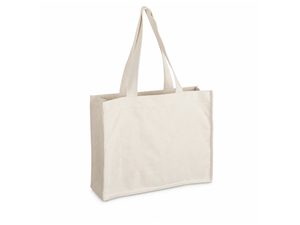
The heavyweight canvas tote treats a print the way a gallery treats a wall — generous, flat, and dignified. Big enough for a real graphic idea, good enough to carry it for years.
Apple-leather takes a blind deboss like it was invented for it. No ink, no contrast — just a mark you find with your fingers. The quiet-luxury play, executed at journal price.
The Grain ceramic cup joins the most repeated ritual in working life: the first coffee. Several uses a week, every week, in the hand and on the desk.
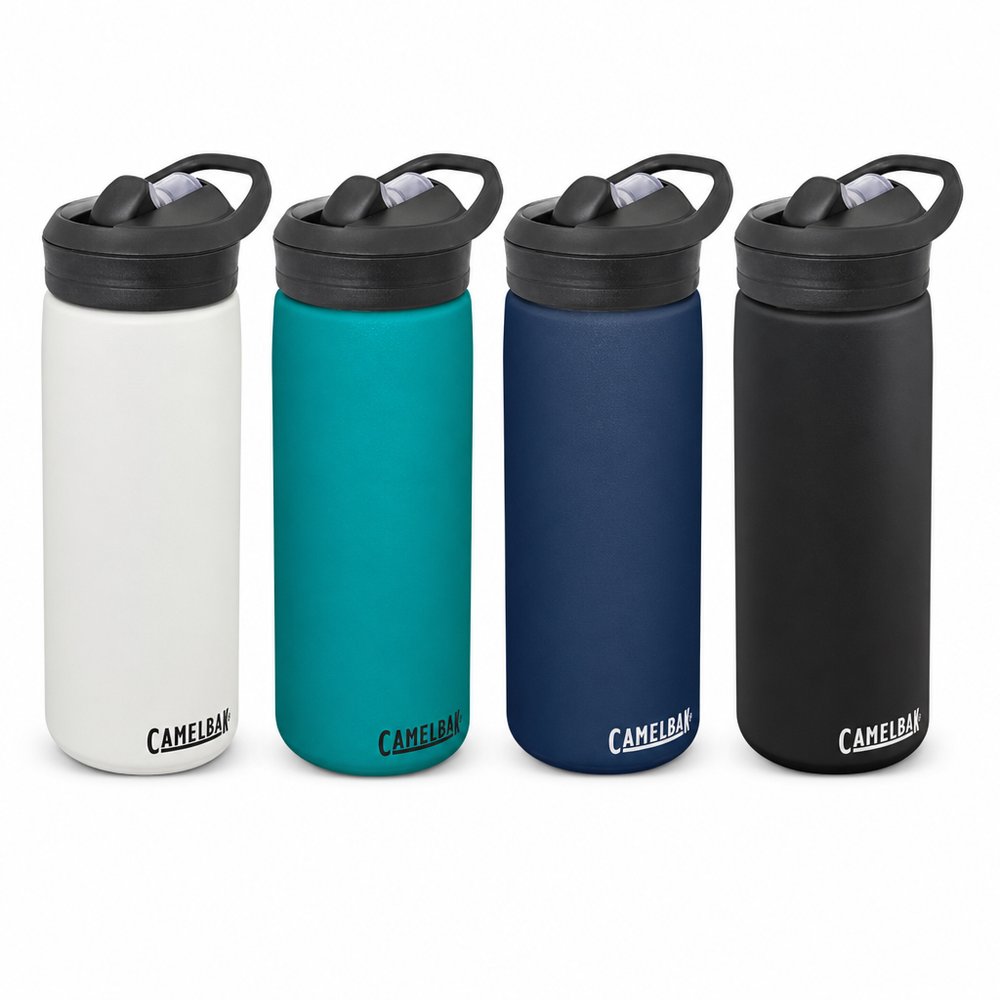
CamelBak brings its own outdoor credibility to the collaboration — the recipient reads the maker before the logo, and the gift inherits the reputation.
Recovered ocean nylon becomes the canopy that keeps you dry. The material transformation is understandable in one sentence — which is exactly what makes it repeatable at the dinner table.
Locally made leather coasters with genuine provenance. A small object that carries place, craft and permanence — and gets better with use.
A German-made brushed-steel LAMY with initials engraved on the barrel stops being merchandise and becomes property. Personal recognition at its most precise.
The magnetic jigsaw postcard is a participation mechanic disguised as mail: it gets assembled, displayed on the fridge, and remembered. Events need more objects that do something.
The Moleskine Pro is the notebook serious people already choose for themselves — which is precisely the standard an executive gift has to clear.
Stocked, next-day capable, and still the best heavyweight tee in the catalogue. When the timeline is compressed, this is the choice that doesn't look like a compromise.
A pickleball set in a corporate catalogue shouldn't work — and then the whole office is playing at lunch. Surprise without sacrificing usefulness: the definition of the category.
The Atlanta corduroy bucket hat is the piece our own team keeps borrowing from the sample shelf. Texture, attitude and embroidery-friendliness in one very photographable object.
The strongest products no longer offer generic usefulness — they solve a recognisable daily problem. A tracker finds the missing bag. A dock clears the cable clutter. Packing order arrives in the suitcase. Specific usefulness creates stronger gratitude than general usefulness.
The most successful branded clothing resembles a retail collection. Weight, silhouette, texture, colour and fit come first; the brand appears through tonal embroidery, woven labels or a culturally relevant graphic. The aim is not to make apparel visible — it is to make it chosen.
The best technology products remove one small inconvenience repeatedly. Charging, tracking, connecting, organising and travelling are stronger territories than novelty — and they associate the brand with preparedness and modern thinking.
Material names are only the beginning. A more useful sustainability story explains what the product is made from, why that material was selected, how often it will be used and what gives it a longer life. Environmental consideration and excellent design should reinforce one another.
A charger, organiser and travel adaptor become a business-travel kit. A heavyweight tee, cap and tote become a cultural uniform. A lamp, glass set and candle become an evening ritual. The relationship between products is becoming as important as the products themselves.
The most productive briefs start with the desired outcome rather than the product name.

Products that travel visibly through public life
Awareness is a numbers game won by visibility, not volume. These are the pieces that leave the building — carried through stations, cafés and school runs — so the impression compounds without you paying for the media.

Products people wear, collect or recognise in one another
Belonging is what turns a new hire into an advocate. Wearable, keepable kit that says 'you're one of us' does more for retention than any onboarding deck — people keep the things that make them feel included.

Products that improve a routine or create a generous moment
Gratitude sticks when the gift shows up on the hard days, not the easy ones. Objects reached for in bad weather or first-thing exhaustion earn a small, private thank-you every time they're used.

Products that simplify contemporary working and travel
Modernity signals that a brand is paying attention. Tech that lives on the one object your audience checks a hundred times a day keeps you present in the most-used real estate they own.

Products people would enjoy even without the corporate context
Culture is built from shared moments, not mission statements. Playful, tactile pieces that get handled and passed around become the props of a team's own stories — the stuff that outlives the event.

Fewer pieces, made personal
Lasting recognition is reserved for objects worth keeping for years. Weighted, considered pieces that sit on a desk or in a pocket carry the relationship quietly, long after the moment that prompted the gift.
The Sense2 100 is reviewed every quarter because good merchandise changes. New materials become available. Technology improves. Colours and silhouettes evolve. New work and travel behaviours create new needs.
A product earns its place for as long as it remains one of the strongest expressions of its type. No paid placement. No automatic inclusion based on sales volume. No product remains simply because it has always been there.
Tell Findie who will receive it, what is happening, what you want the brand to communicate, your quantity, budget and delivery date — and it will translate the brief into a considered shortlist from the Sense2 100 and the wider catalogue. Or bring us the beginning of an idea: a colour, a material, a hotel, a feeling, or simply the sentence "we want to give them something they will genuinely keep."
Ask Findie →