


Tote Bags
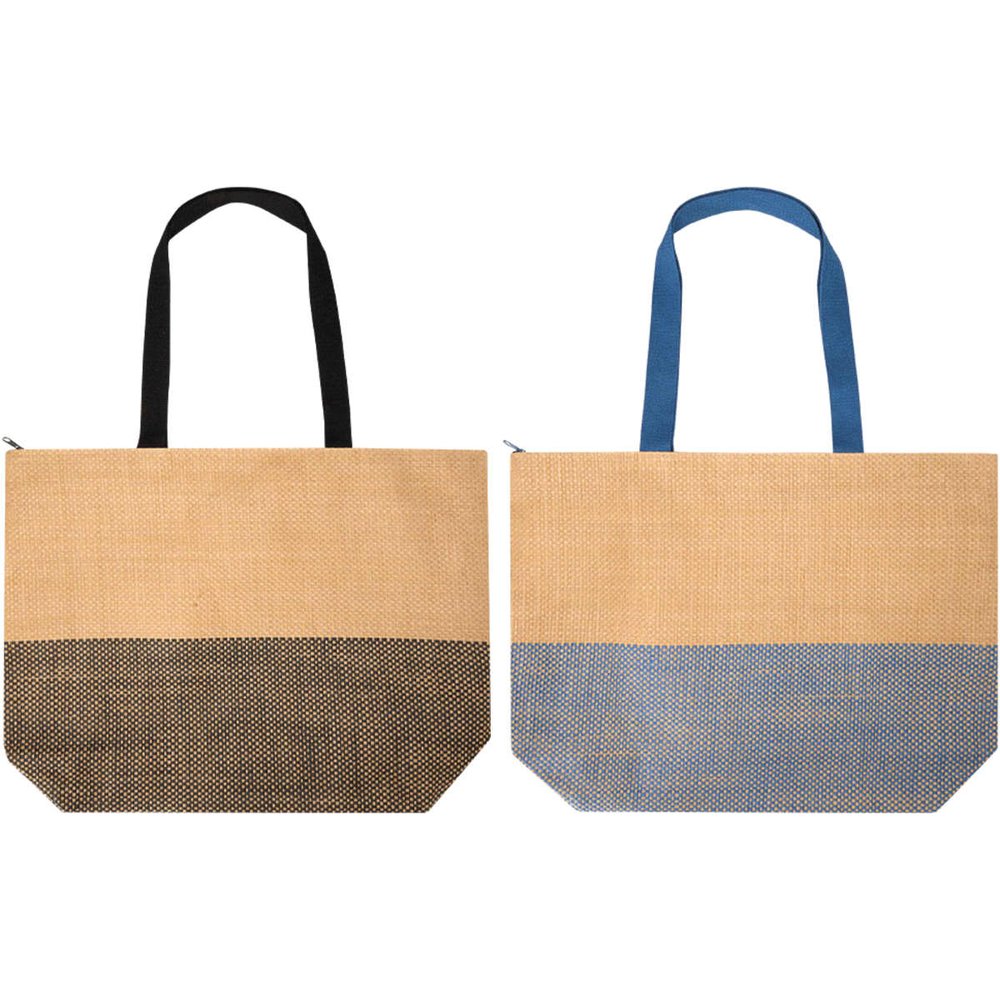
Paper Straw Zipped Tote 21L
From AU$8.85 ex GSTMOQ 25
find it. love it. keep it.
The pieces our buying team is reaching for right now — the most contemporary, most recently added, genuinely on-trend products in the catalogue. Refreshed monthly, curated by hand, so what you brief this month lands on this season's aesthetic rather than last decade's promo shelf.
Trend isn't novelty for its own sake — it's where design, material and the way people actually live are all pulling in the same direction. Four movements shape what our buyers are reaching for right now, and every product in this edit sits inside at least one of them.
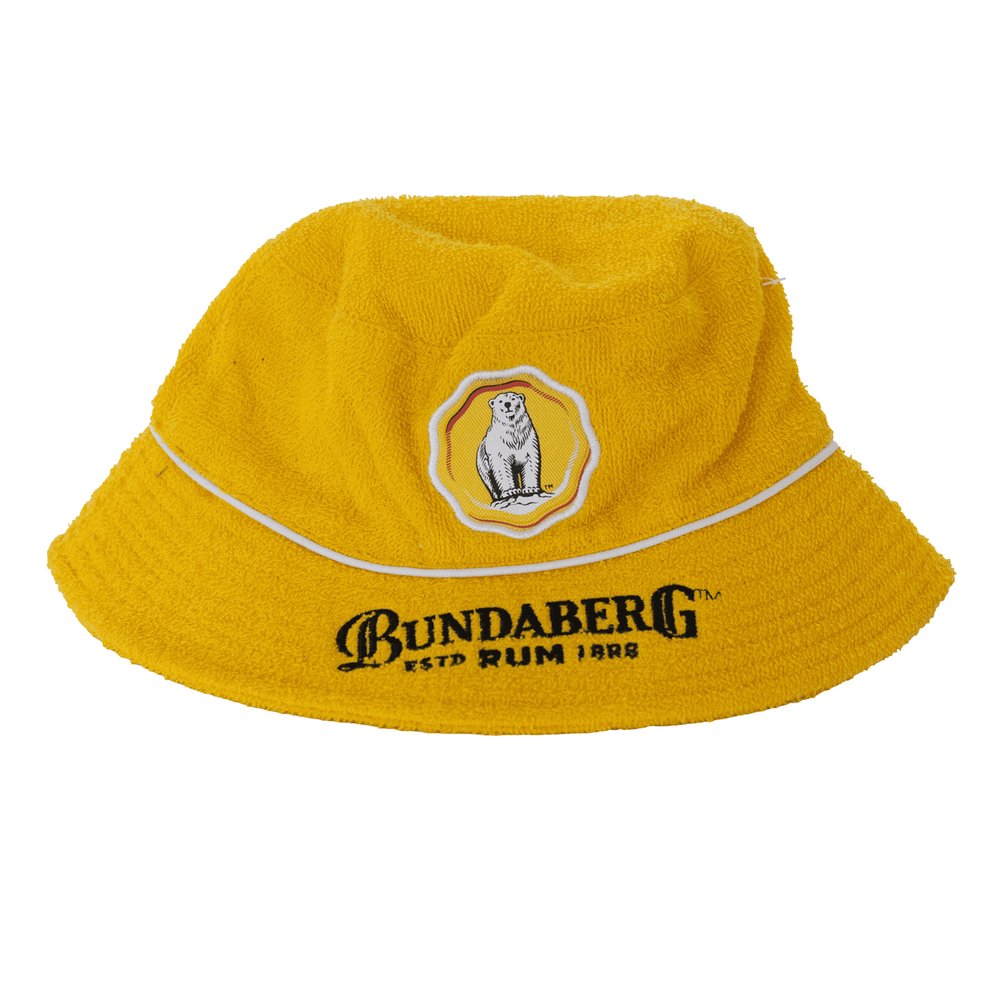
The single strongest signal in the catalogue right now: things that feel like something. Weighted metal, soft-touch coatings, corduroy, a satisfying magnetic snap. In a screen-flattened world, the object that rewards the hand is the object that gets kept — and a kept object brands for years, not weeks.
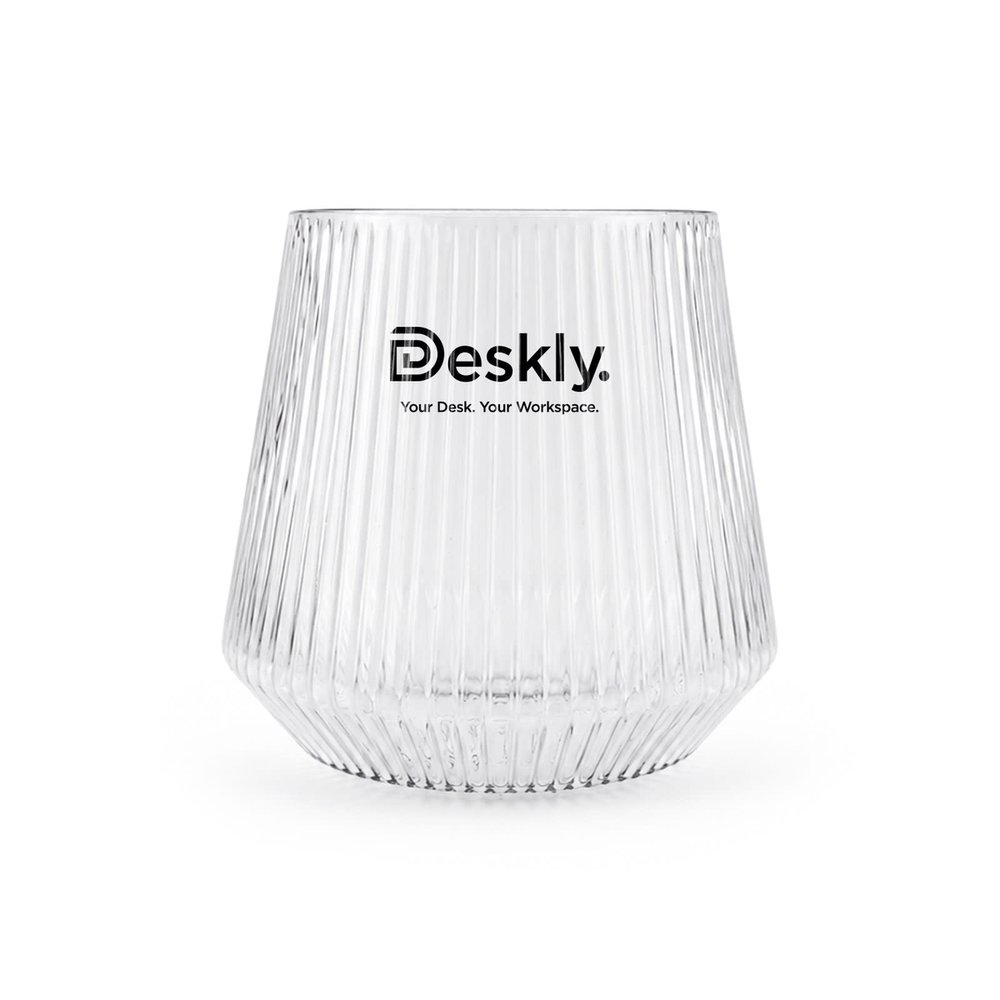
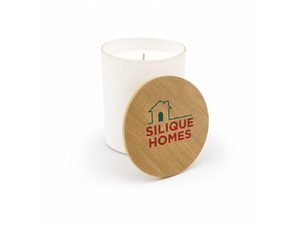
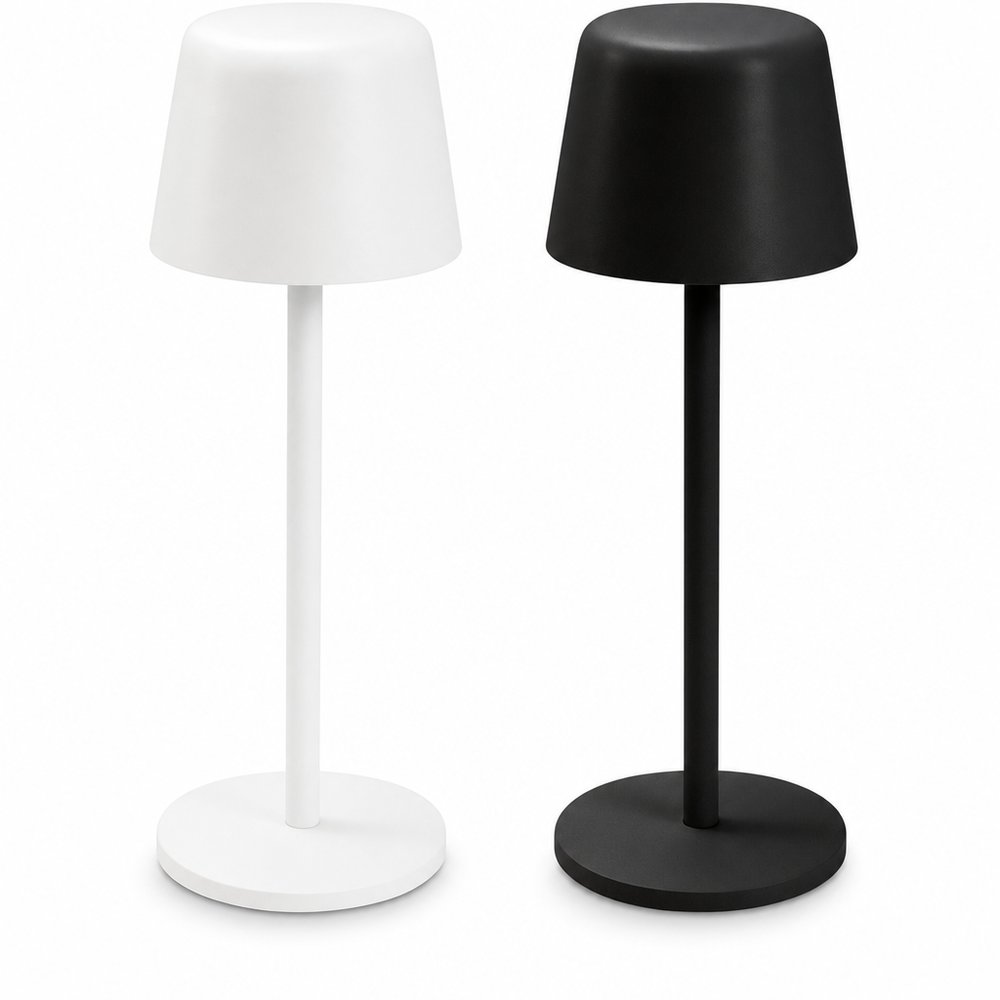
Minimalism stopped being cold. The pieces landing now pair restraint with warmth — a portable pool of light, a candle with a bamboo lid, muted earth tones over stark white. It reads as considered rather than clinical, which is exactly the register a premium gift wants: quiet, but never austere.
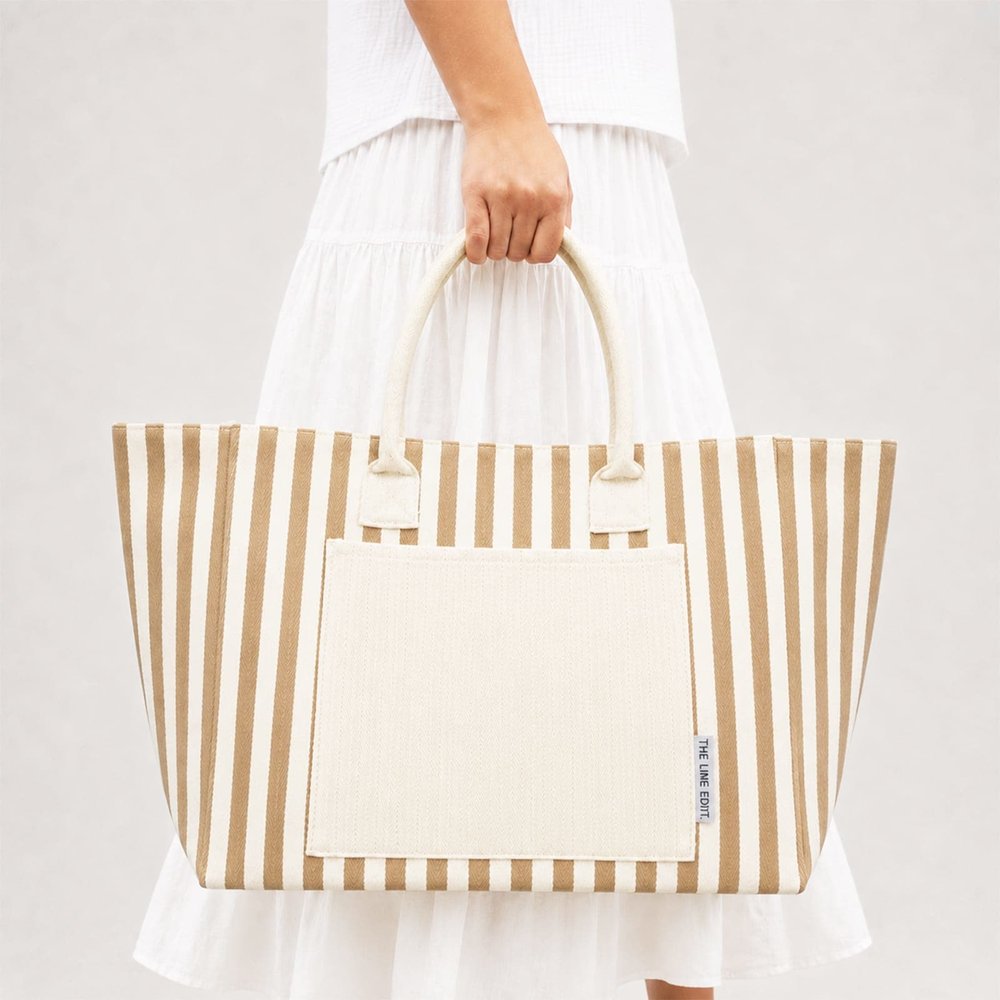
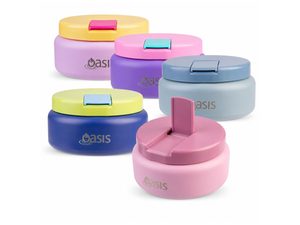
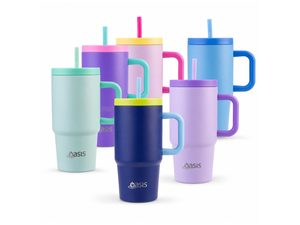
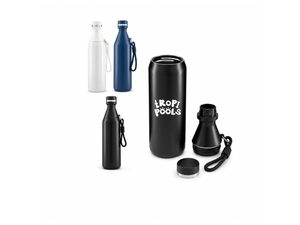
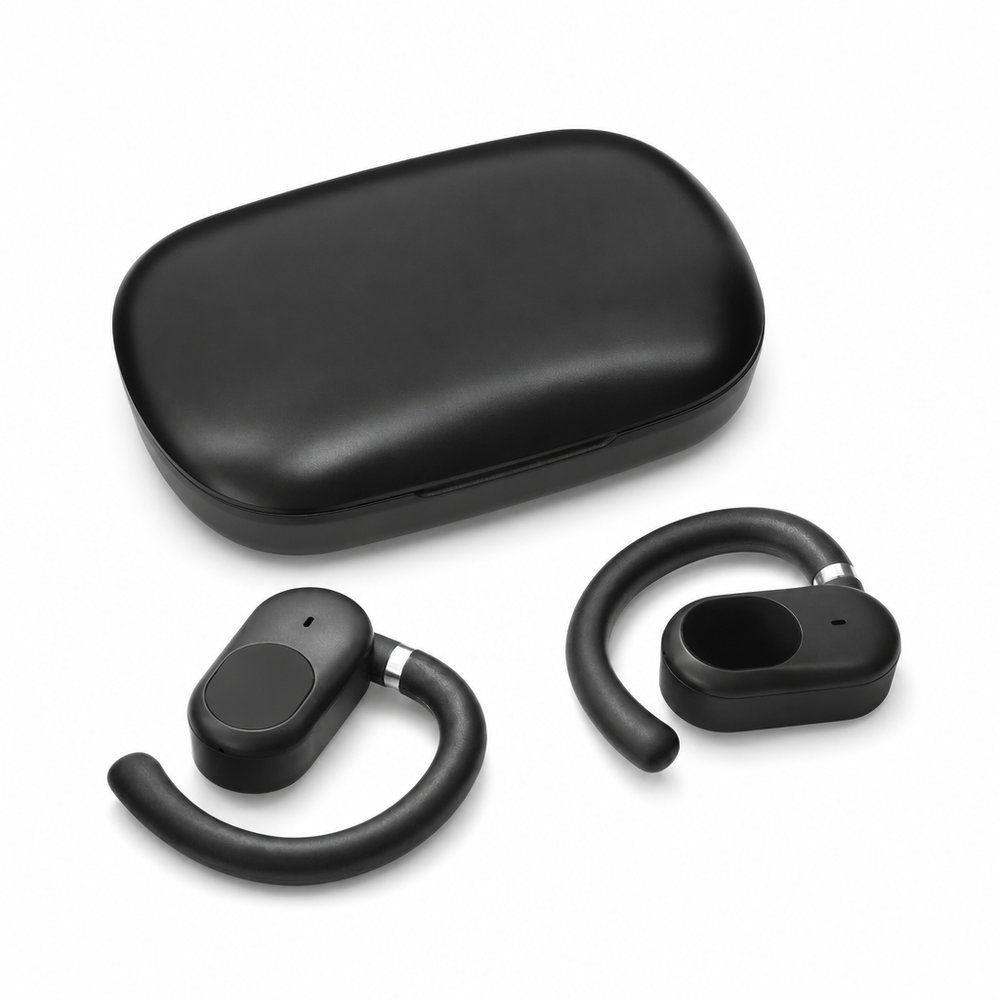
Function with a sense of humour. Bright commuter tumblers, open-ear earbuds, clever everyday-carry that solves a real problem and enjoys doing it. This is where Gen-Z-facing brands live — usefulness is the price of entry, personality is what gets it posted.
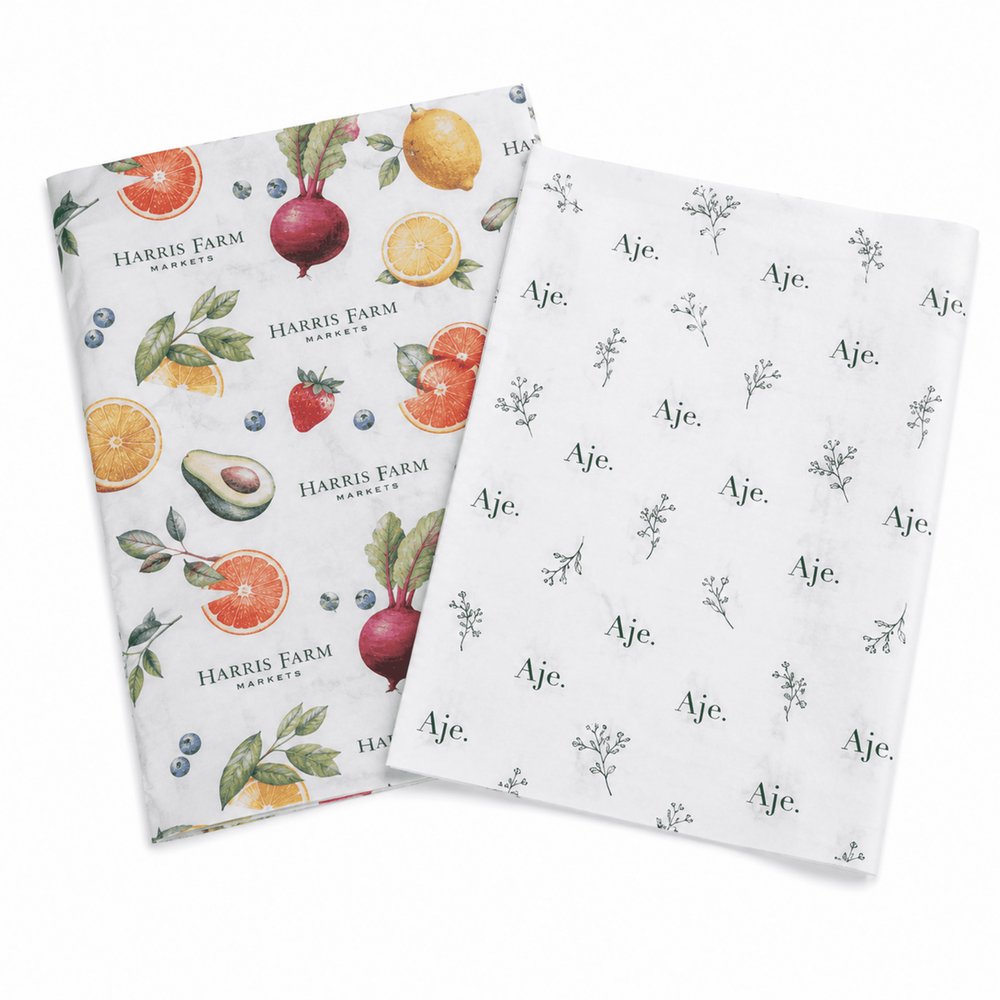
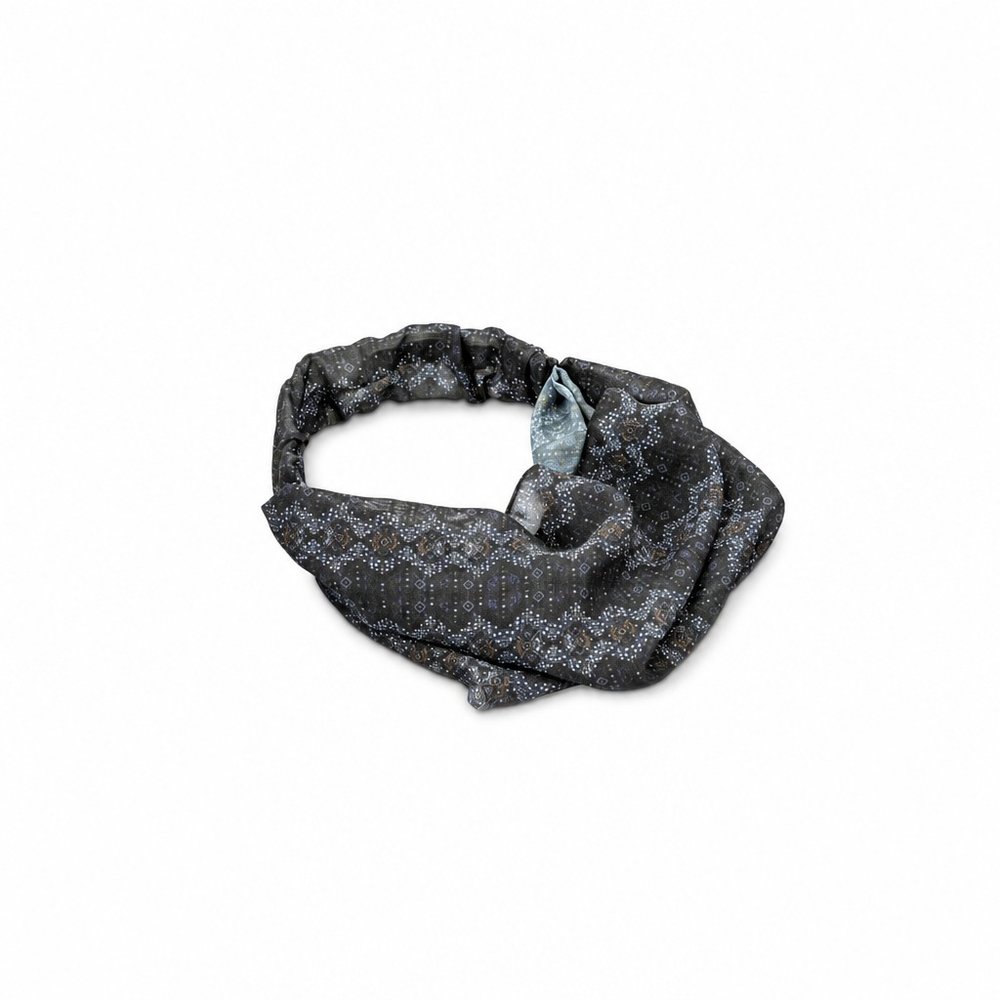
The sustainability story has moved from the swing tag to the material itself. Recycled ocean nylon, RPET, bamboo — where the eco credential is physically true, not printed on. The category has stopped asking recipients to accept less, and that honesty is what's driving it into the mainstream of this edit.
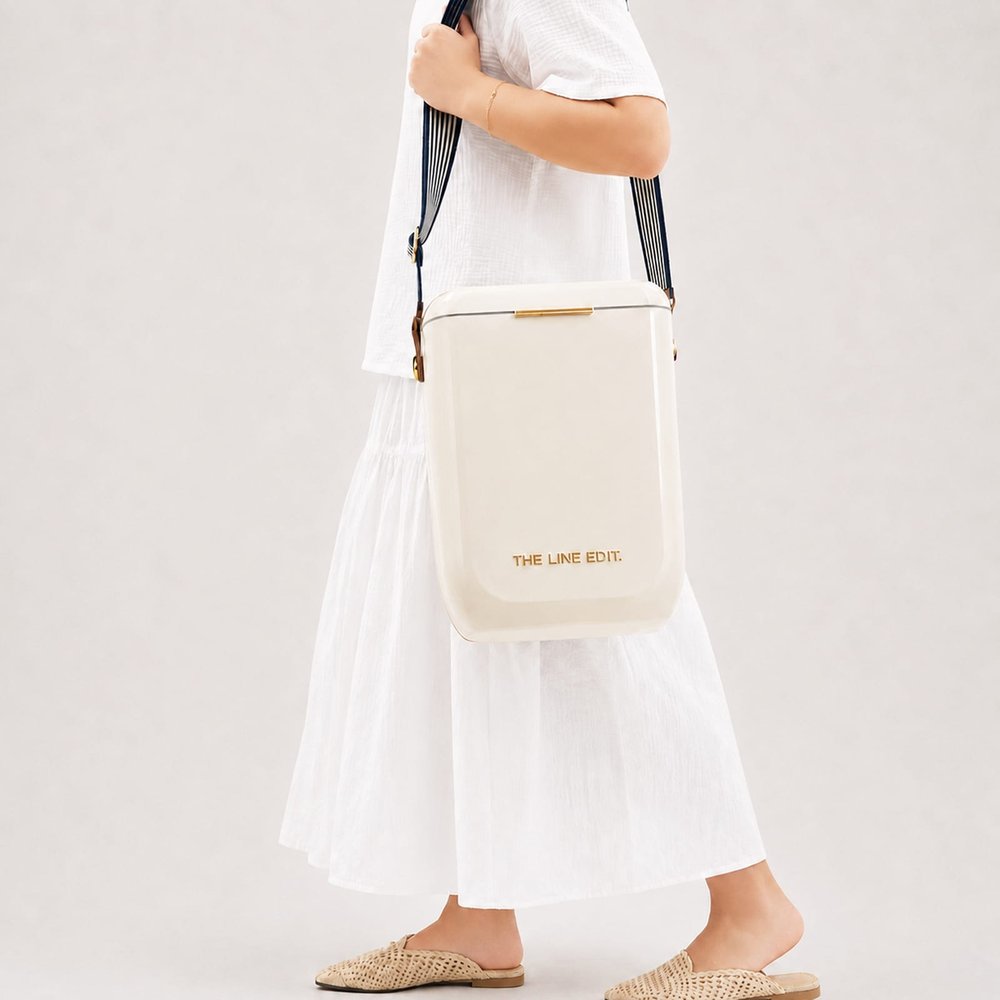
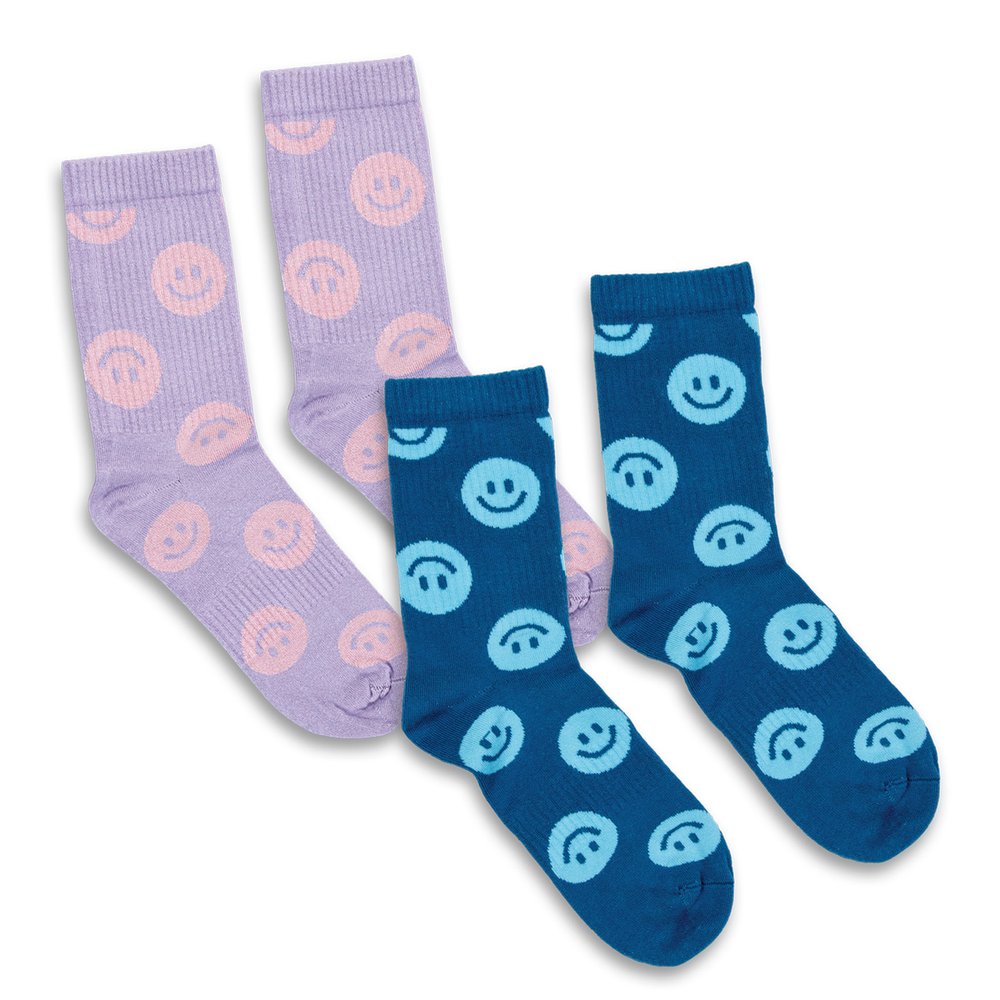

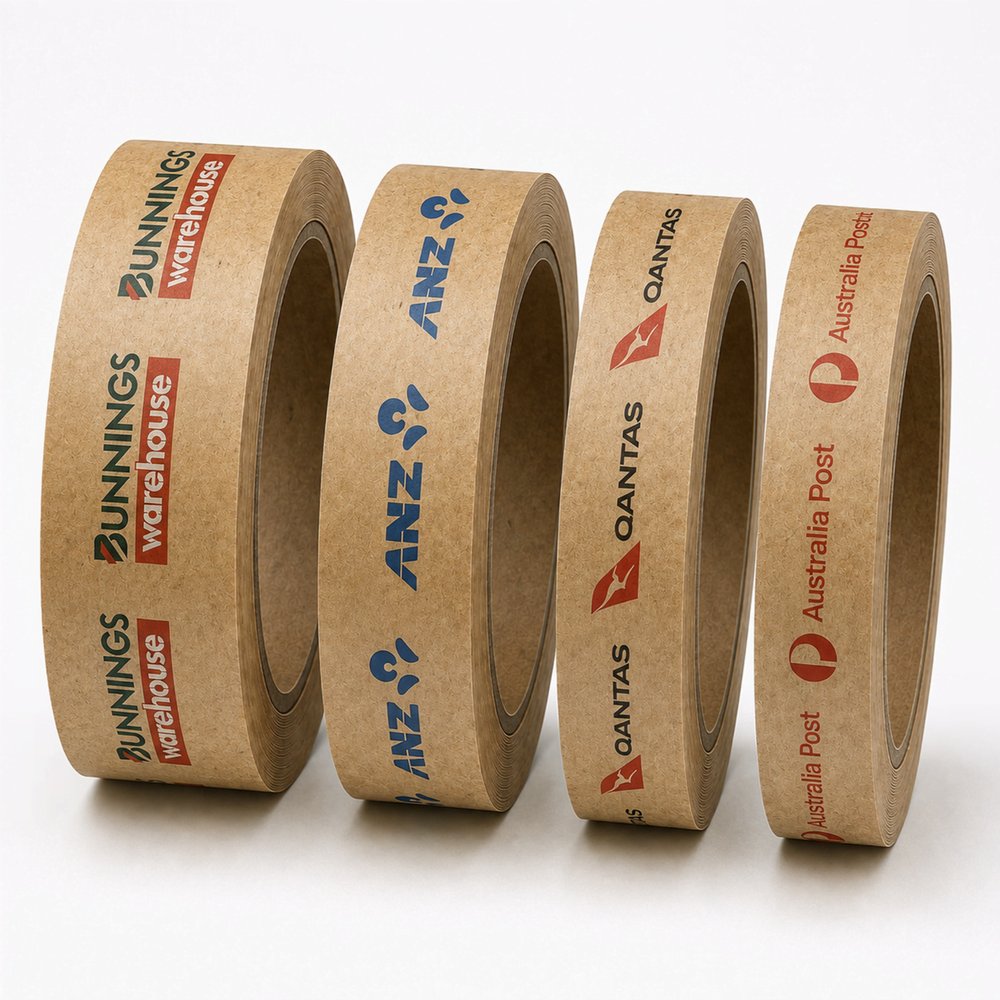
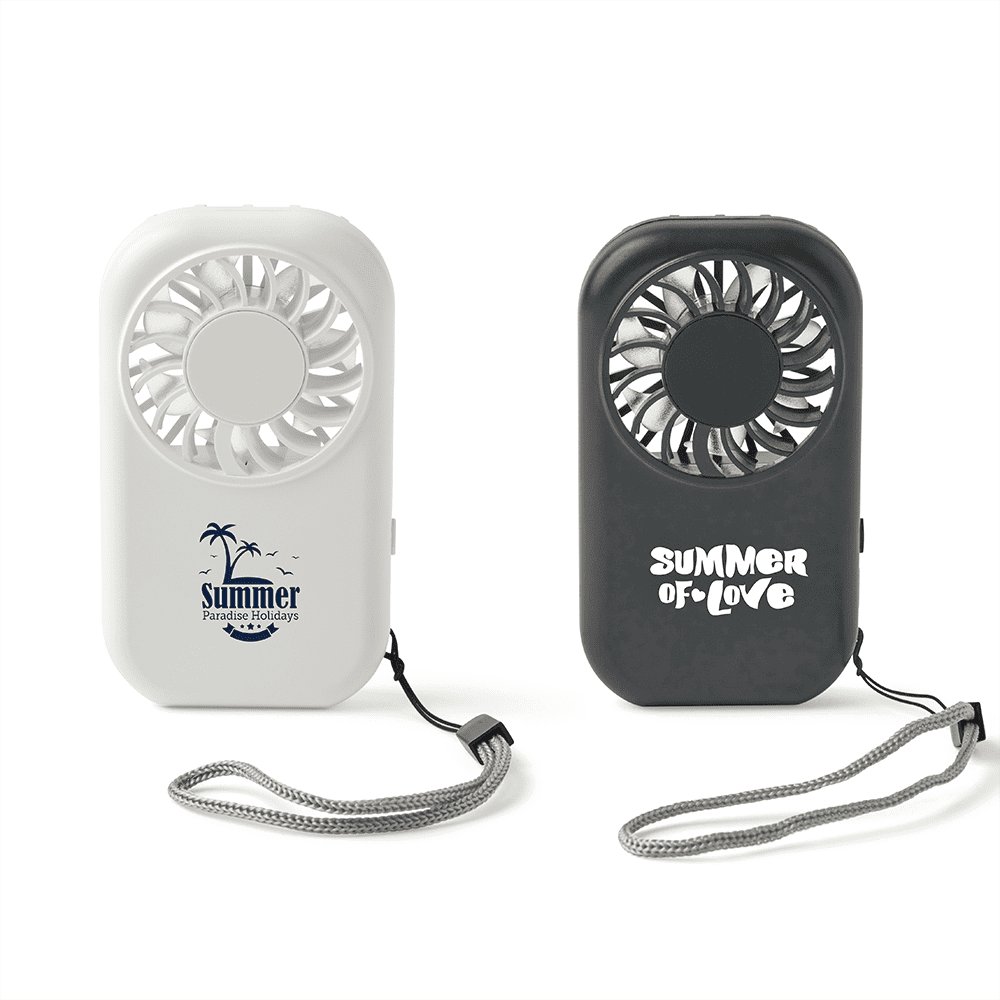
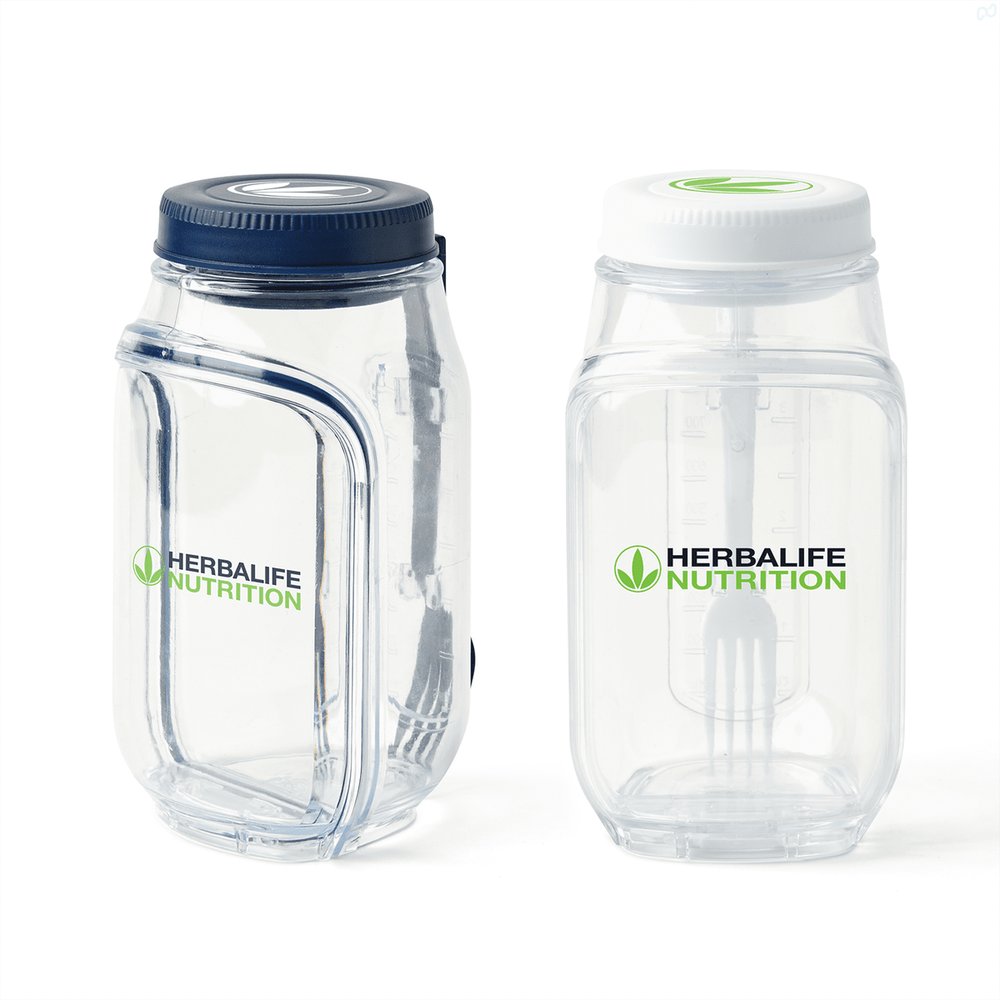
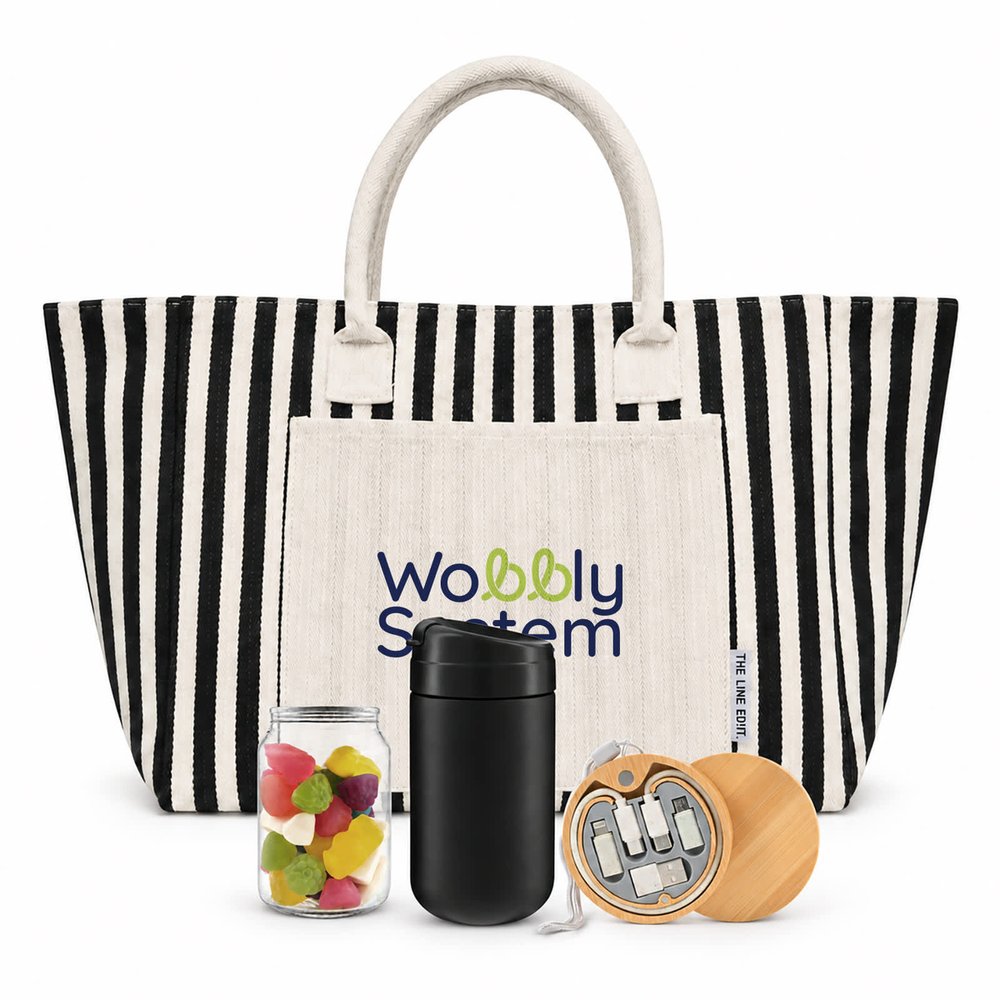
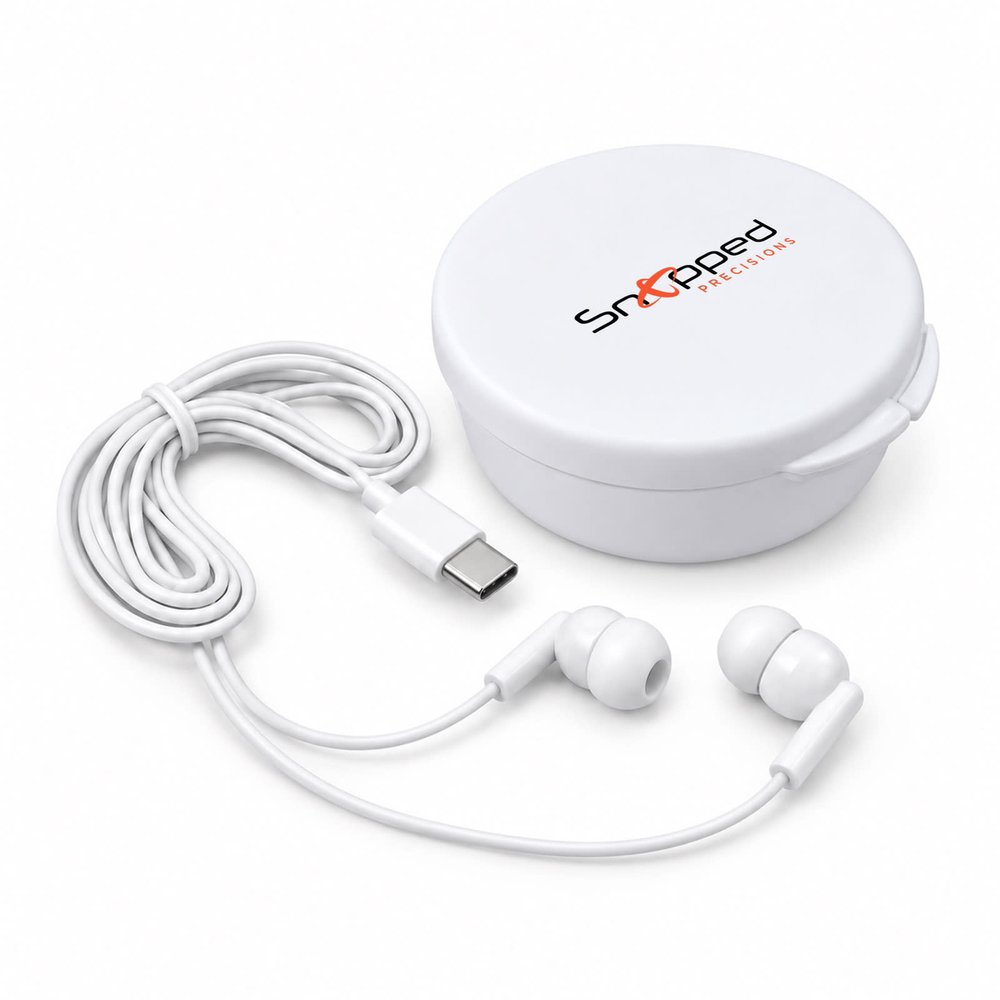
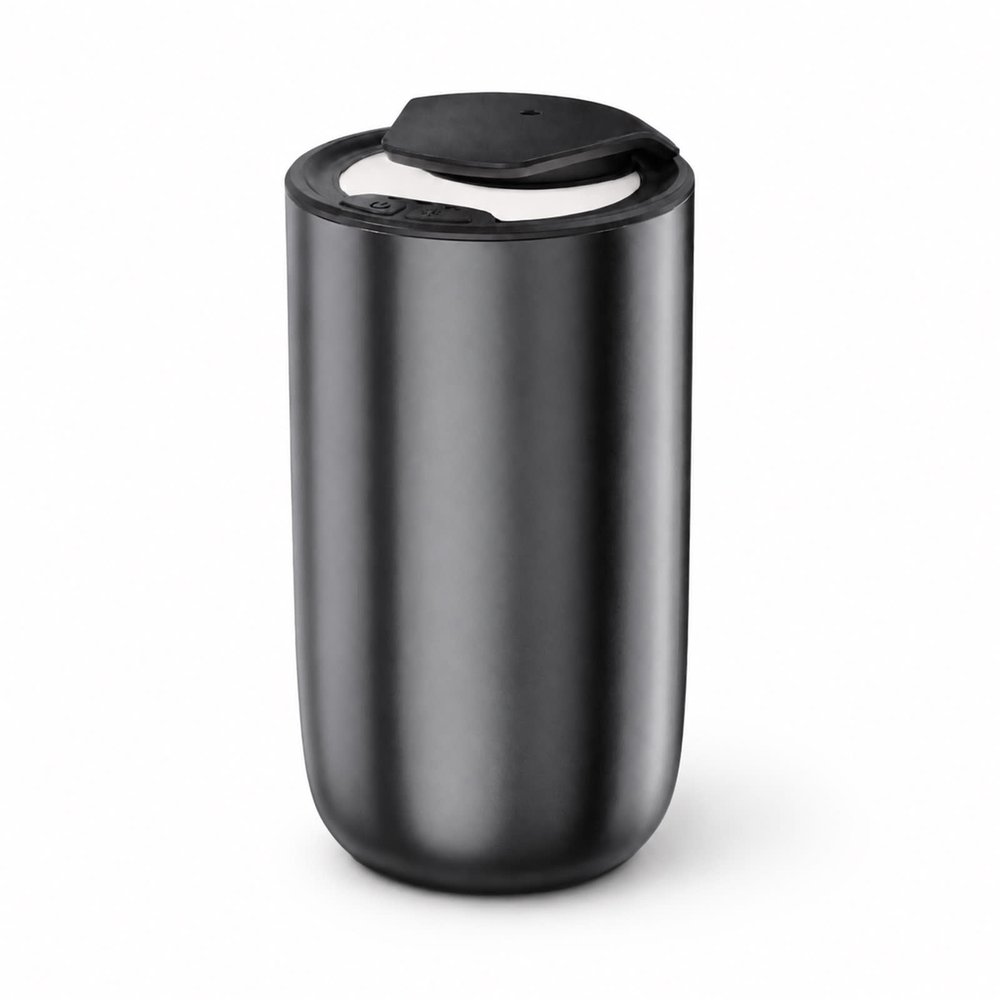
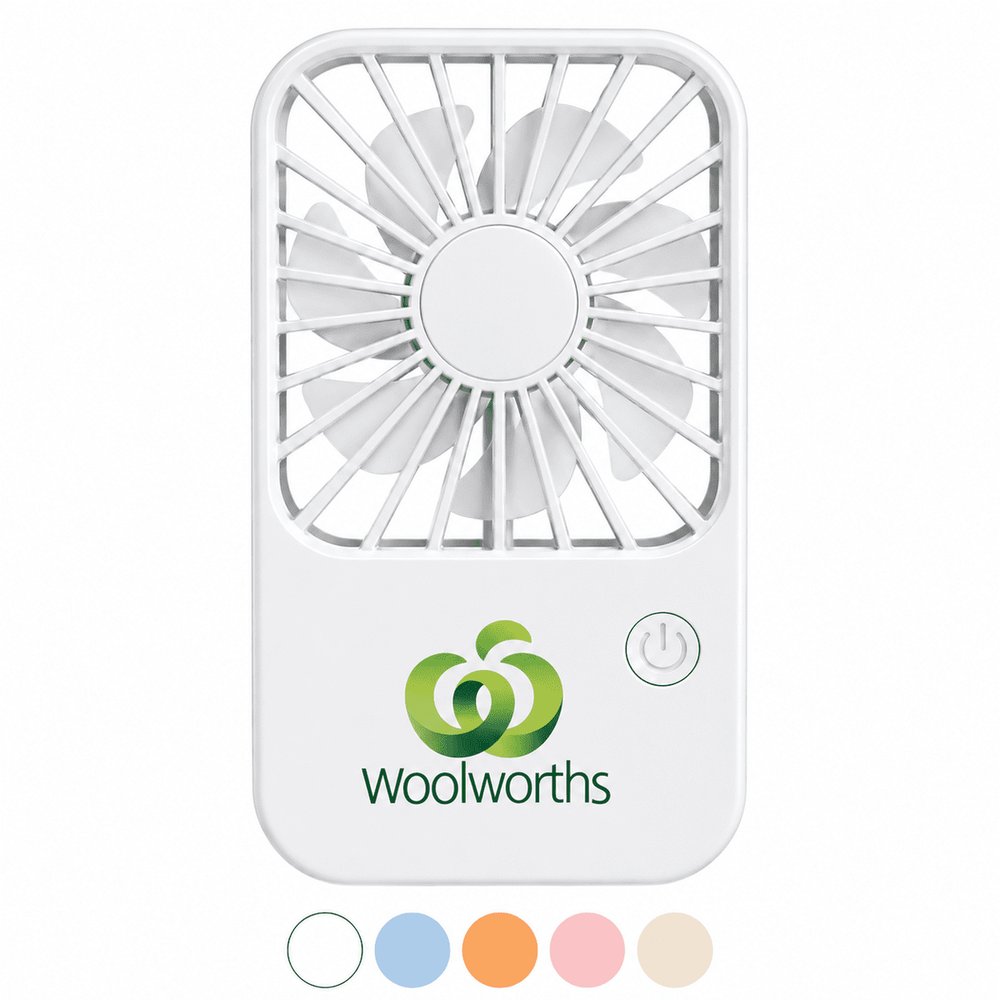
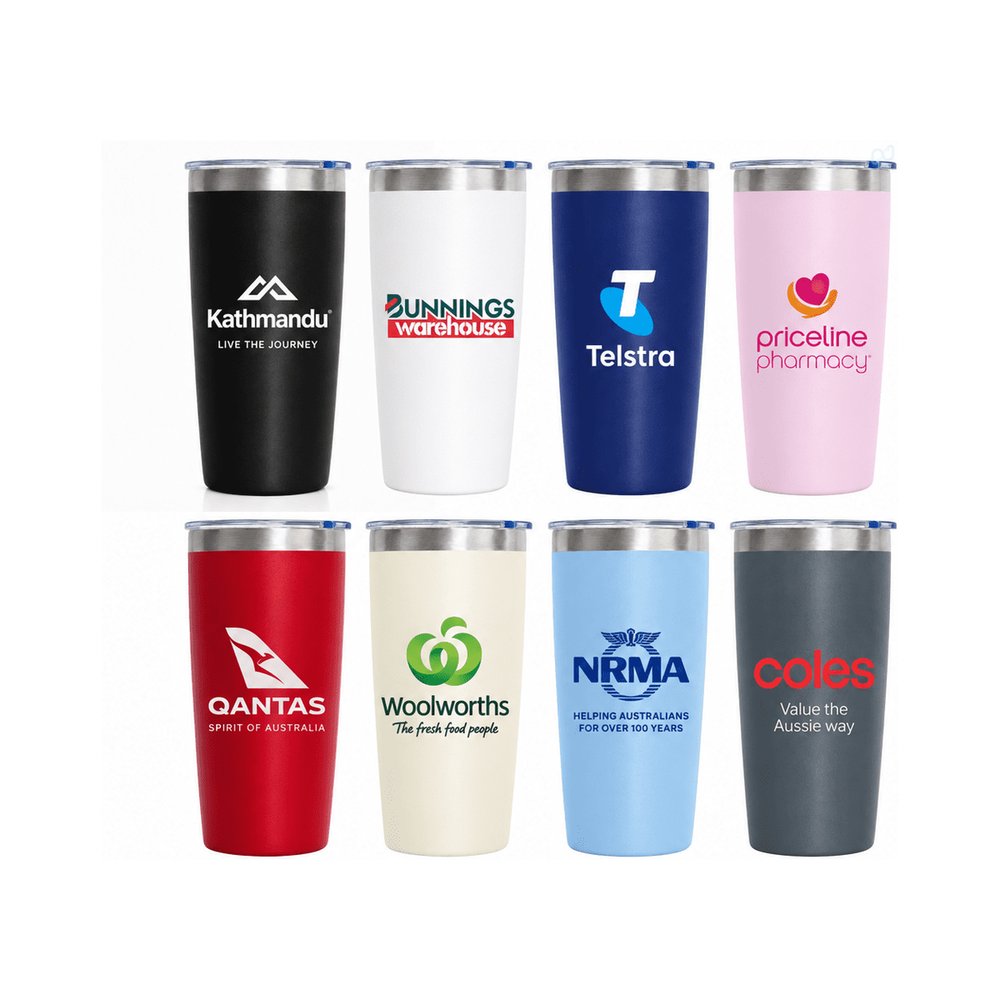
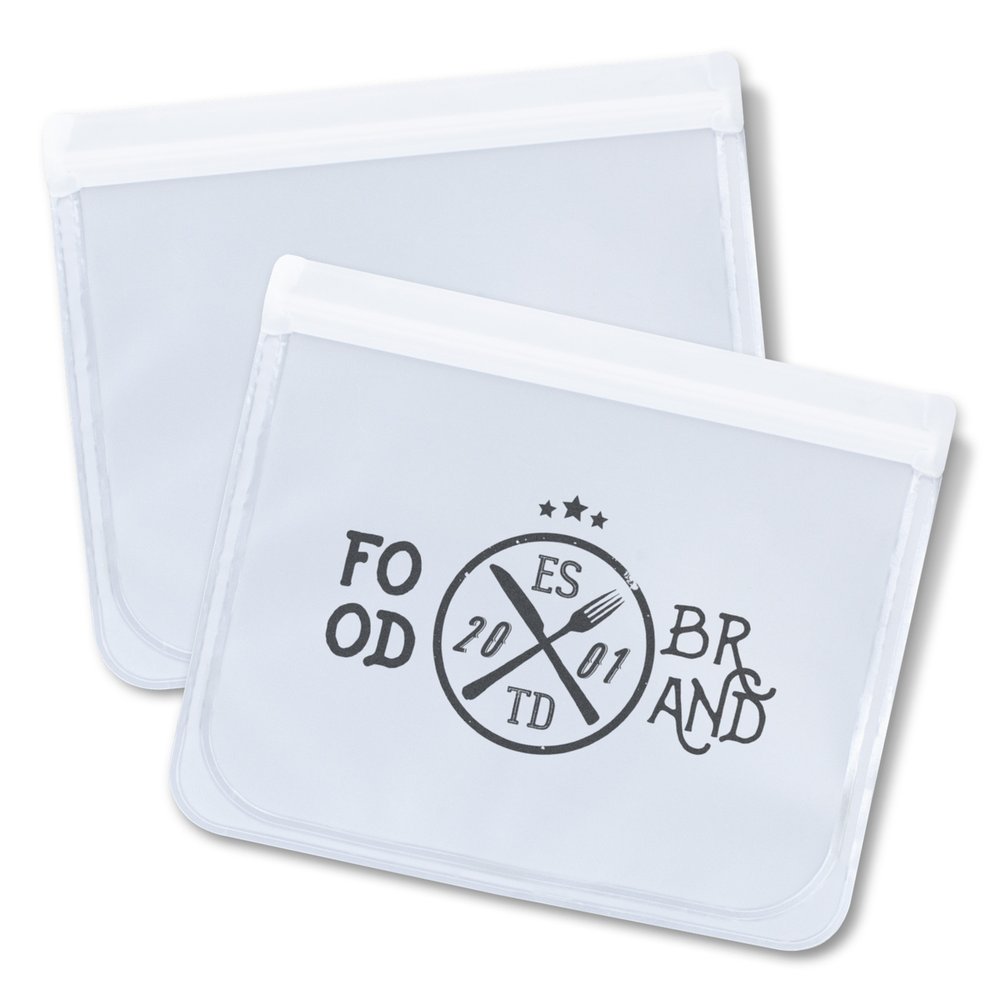

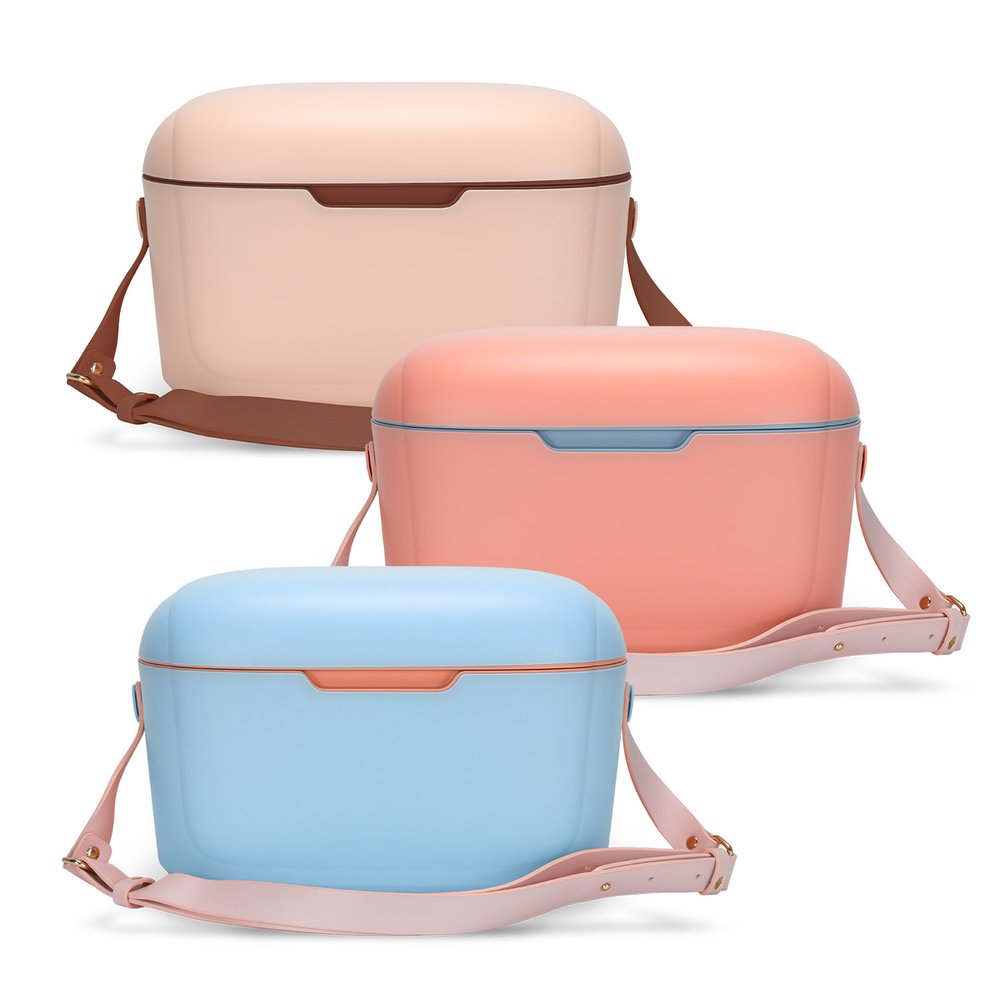
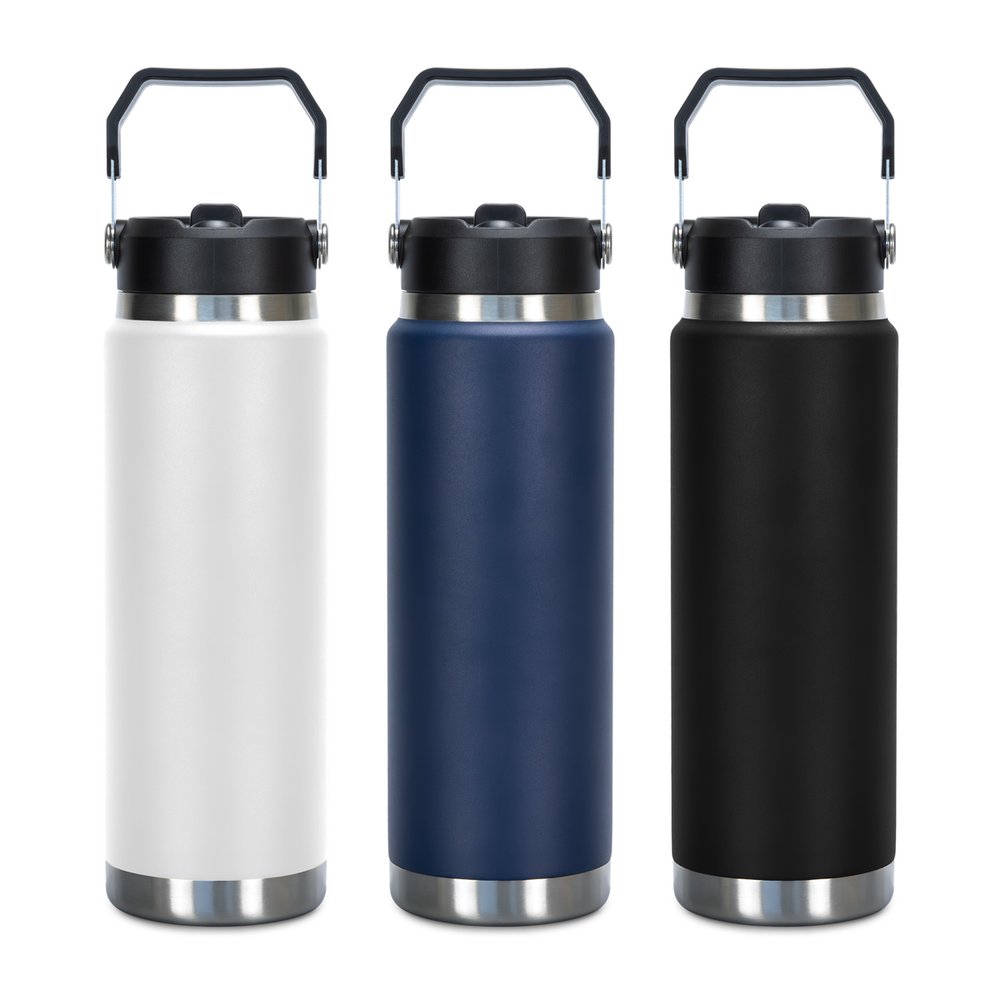
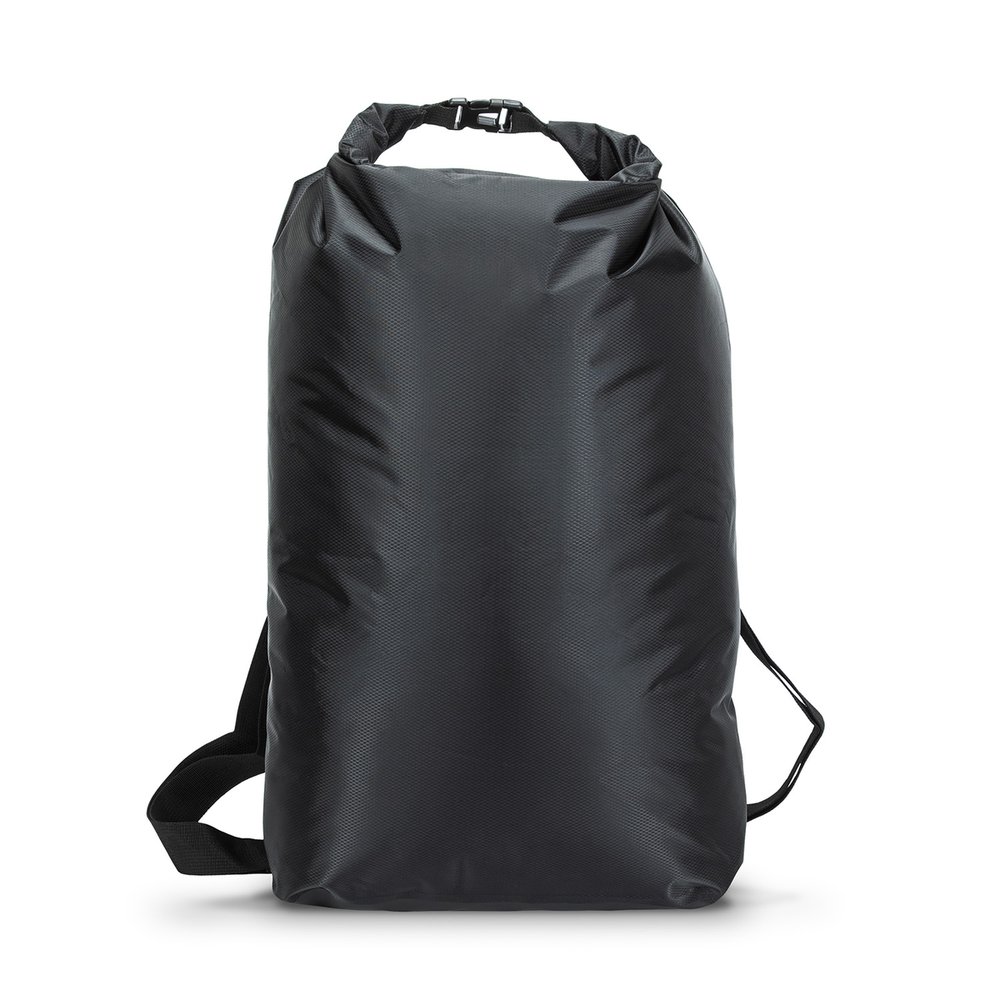
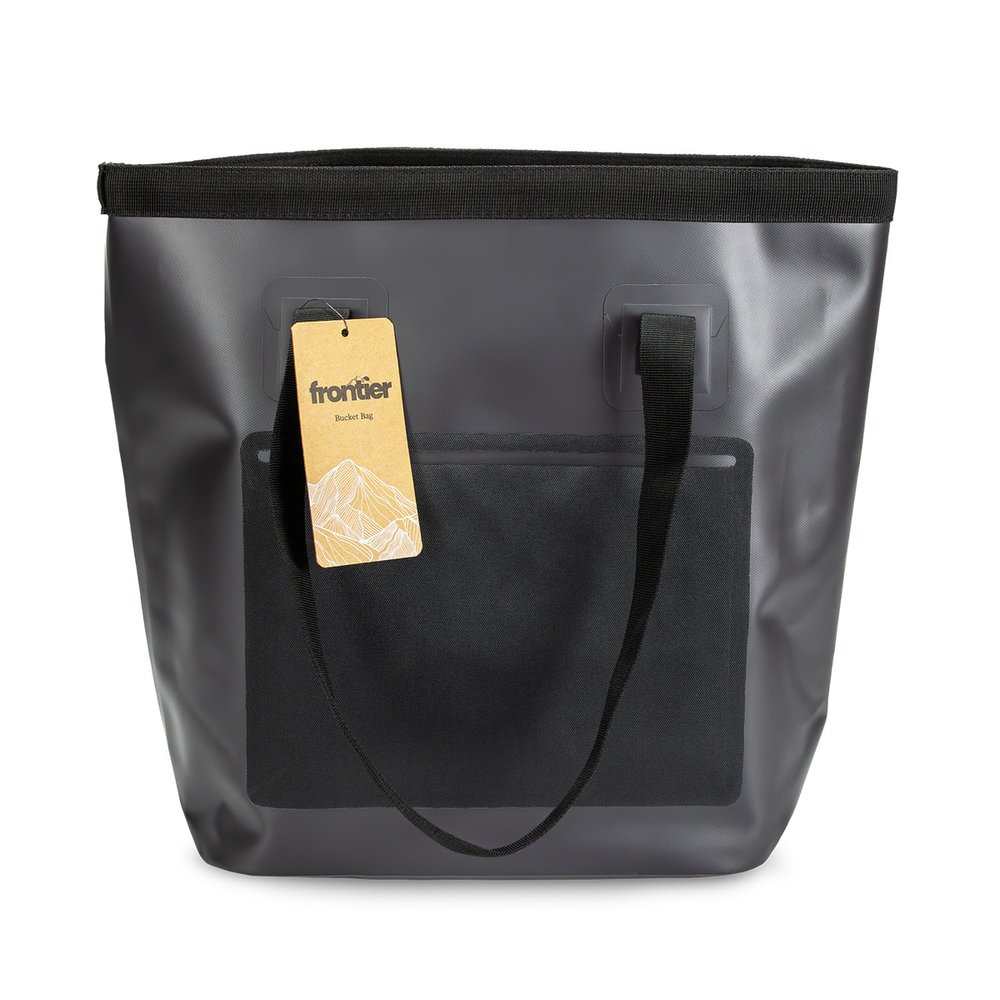
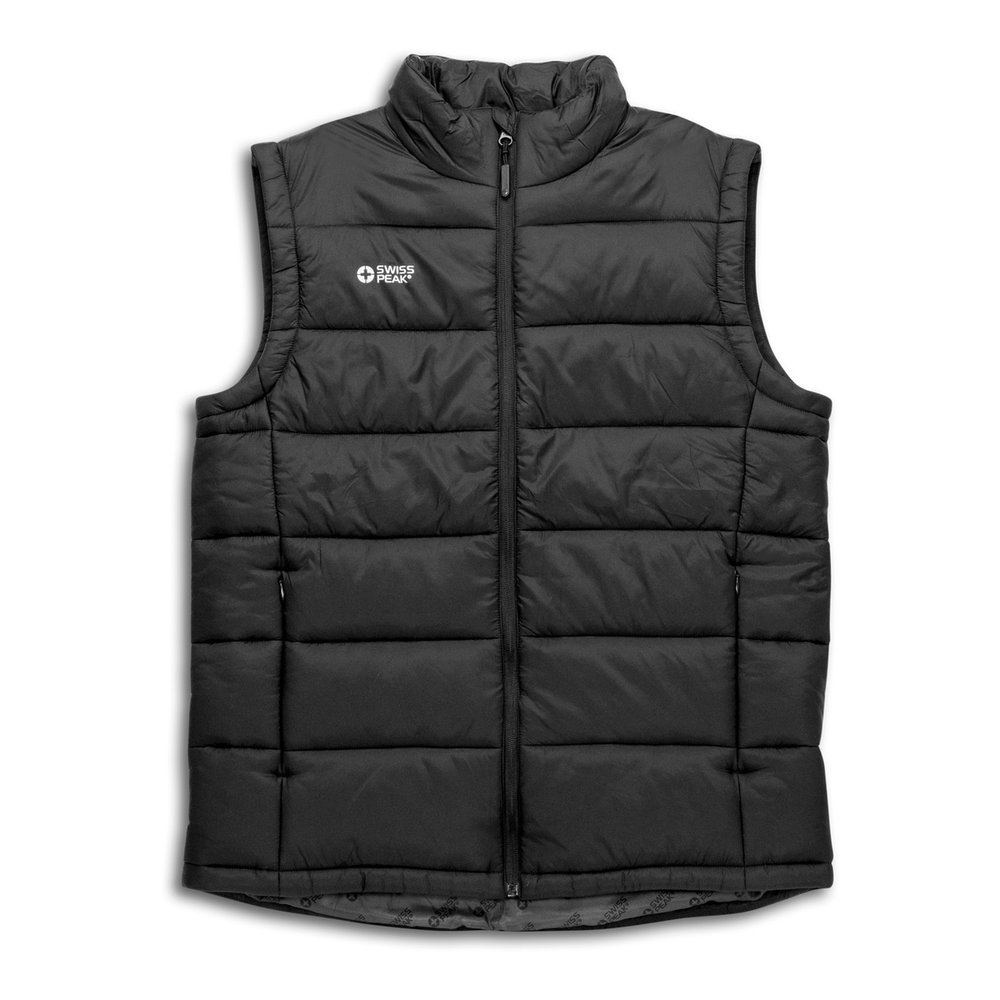
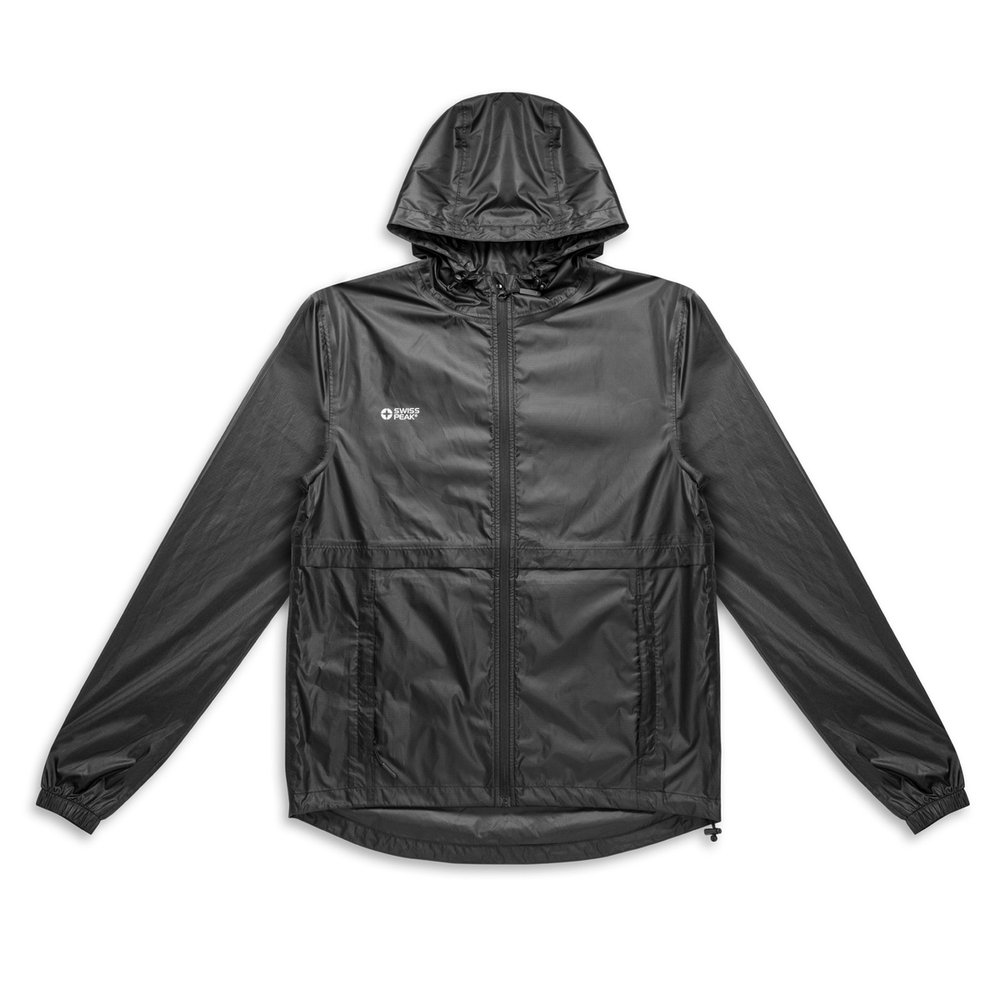
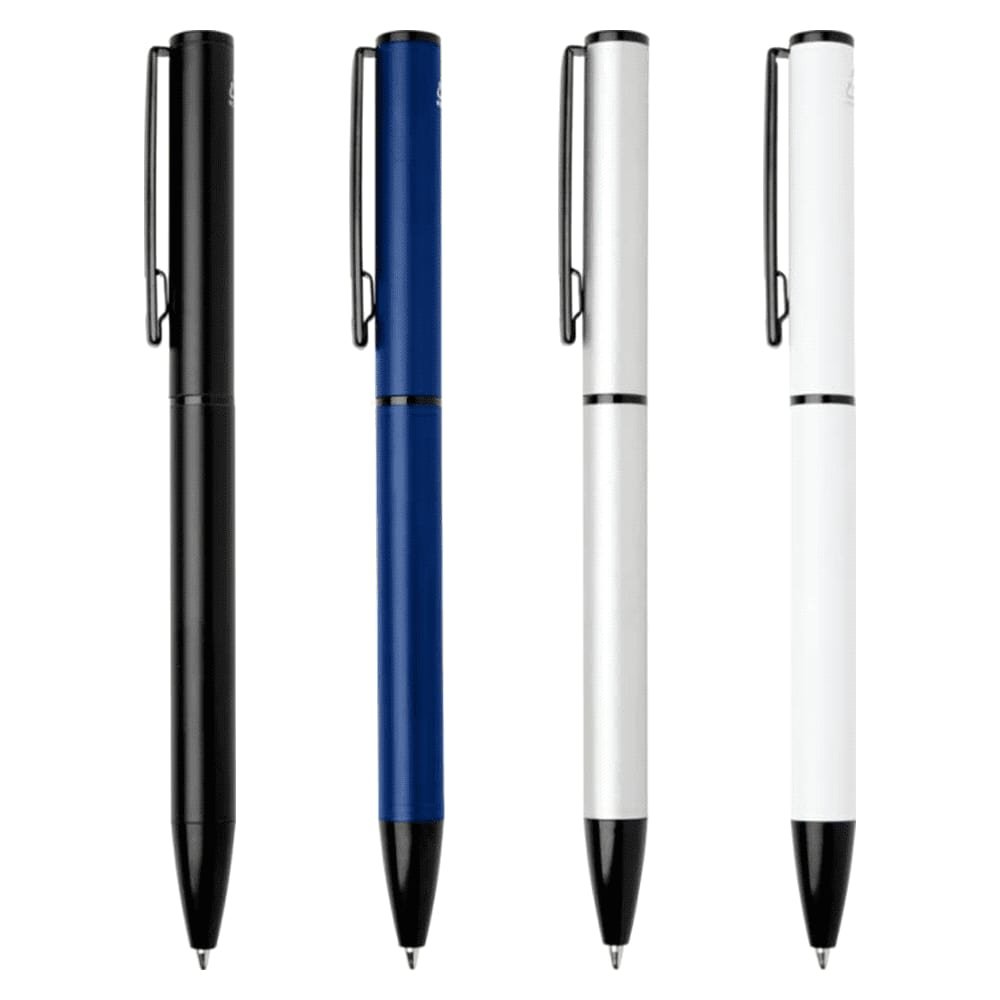
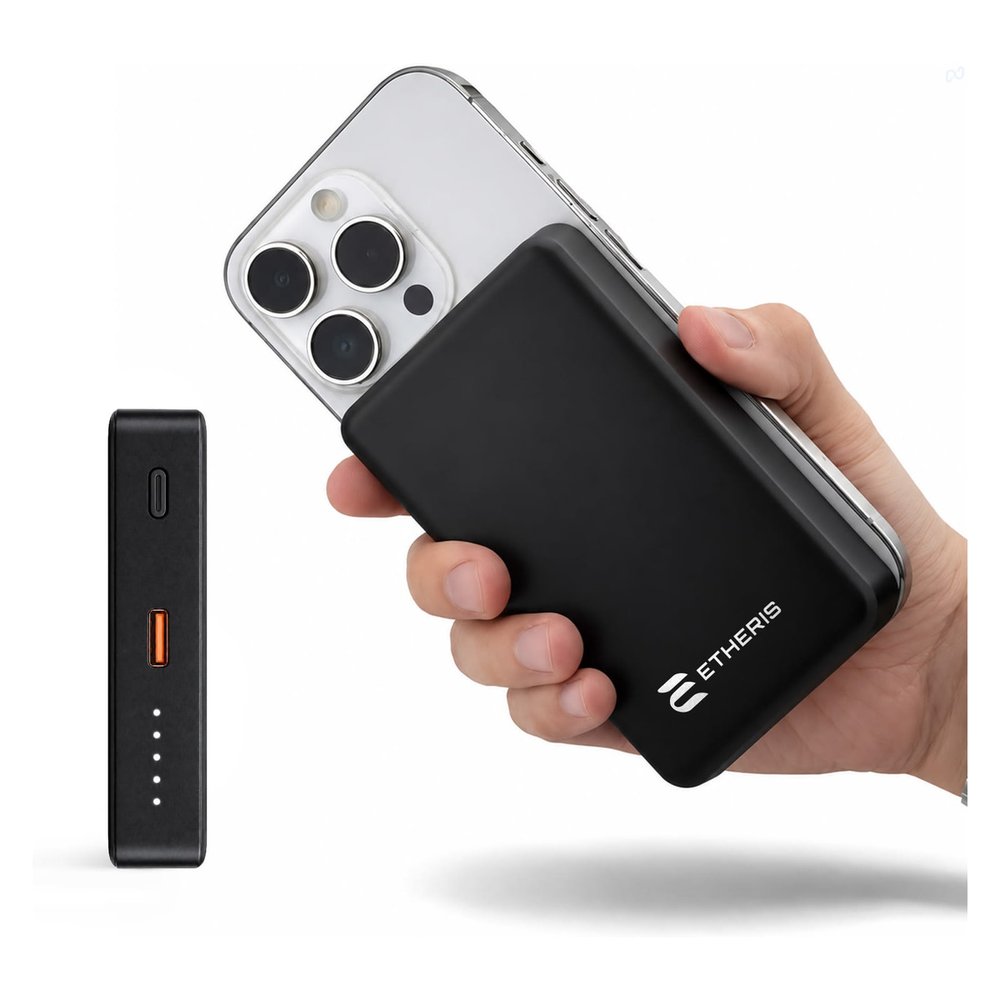
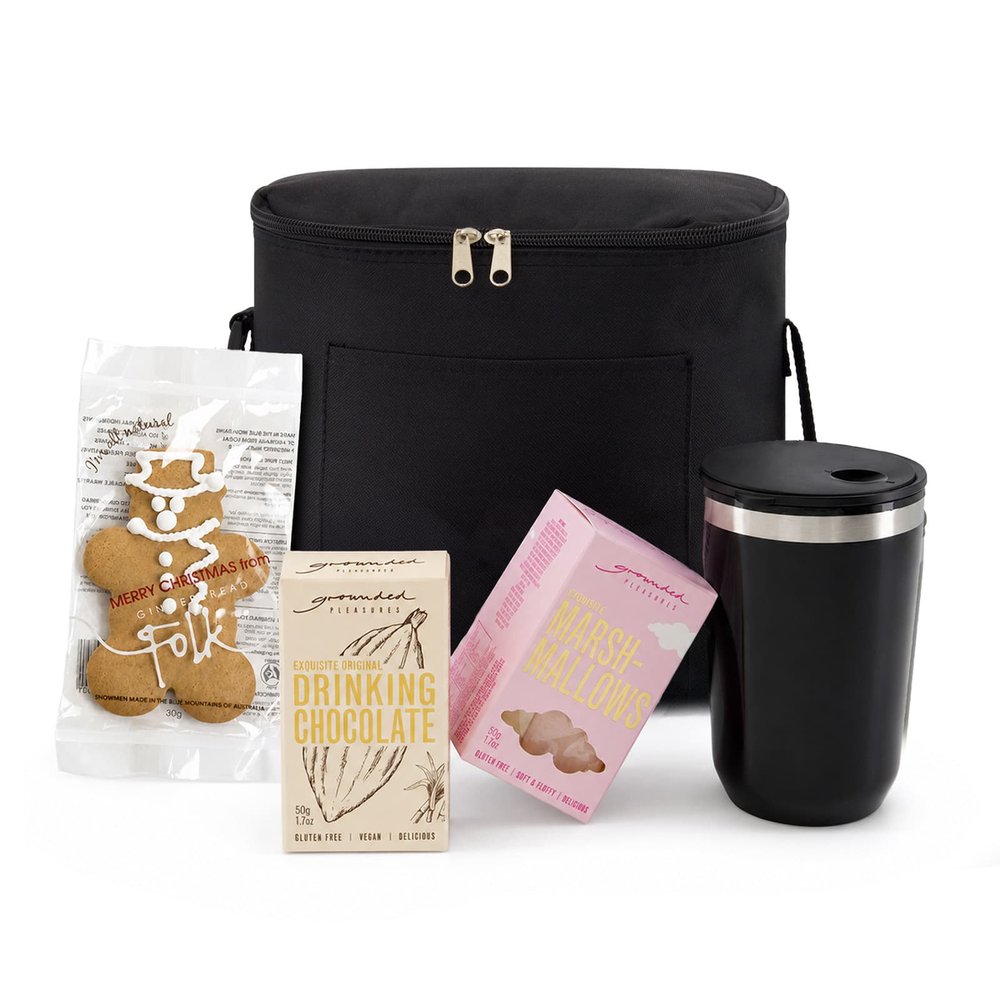
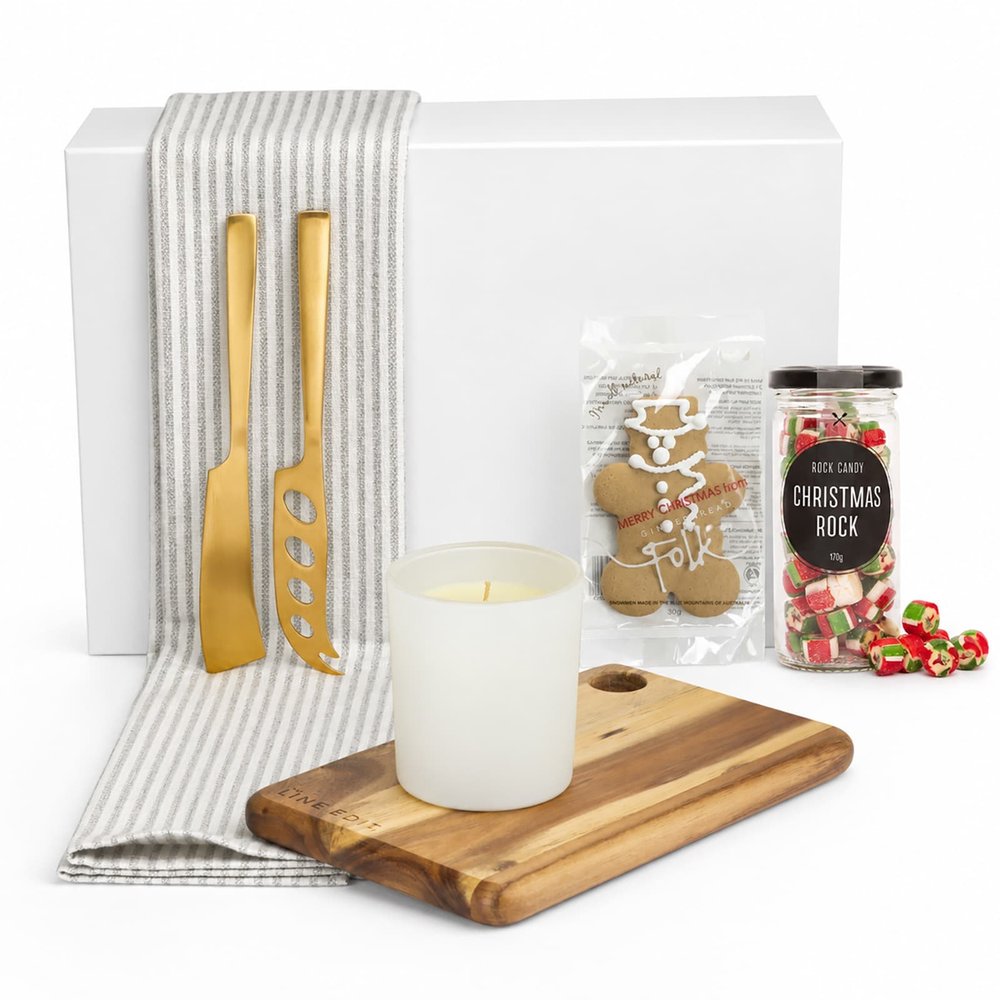
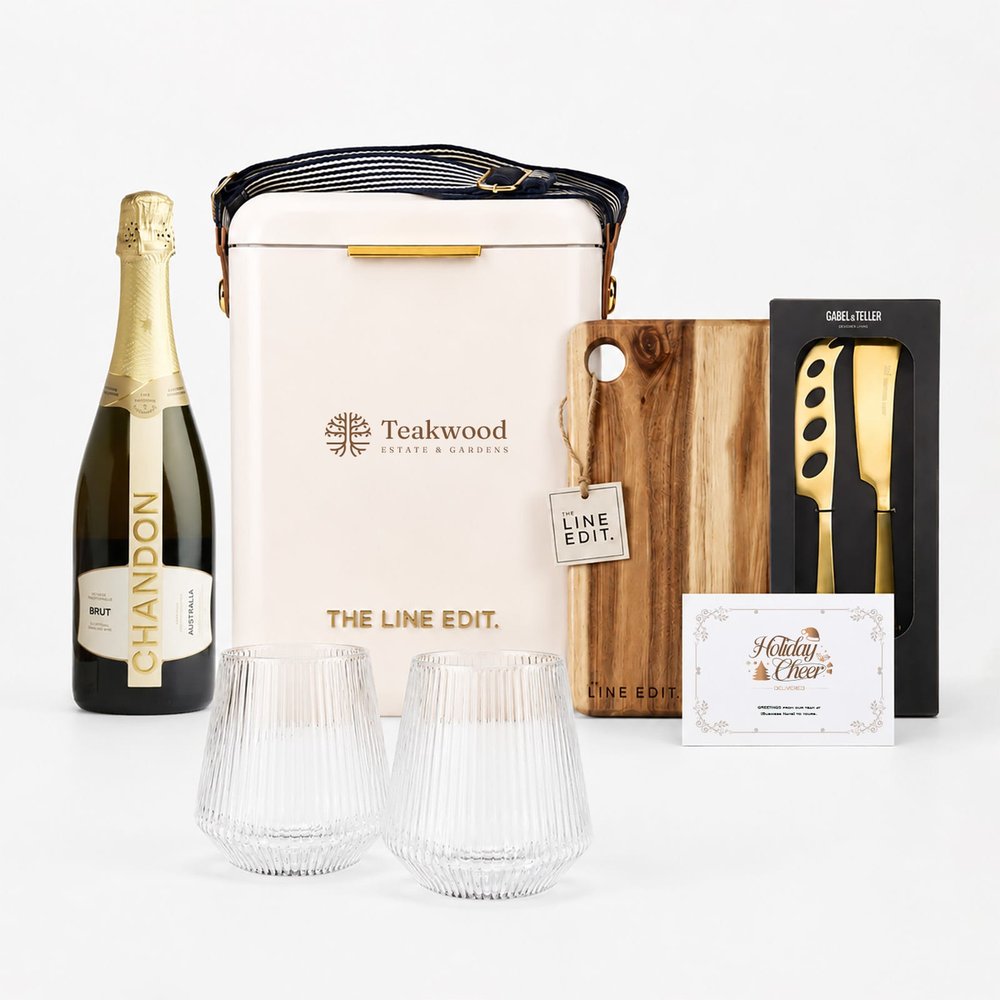
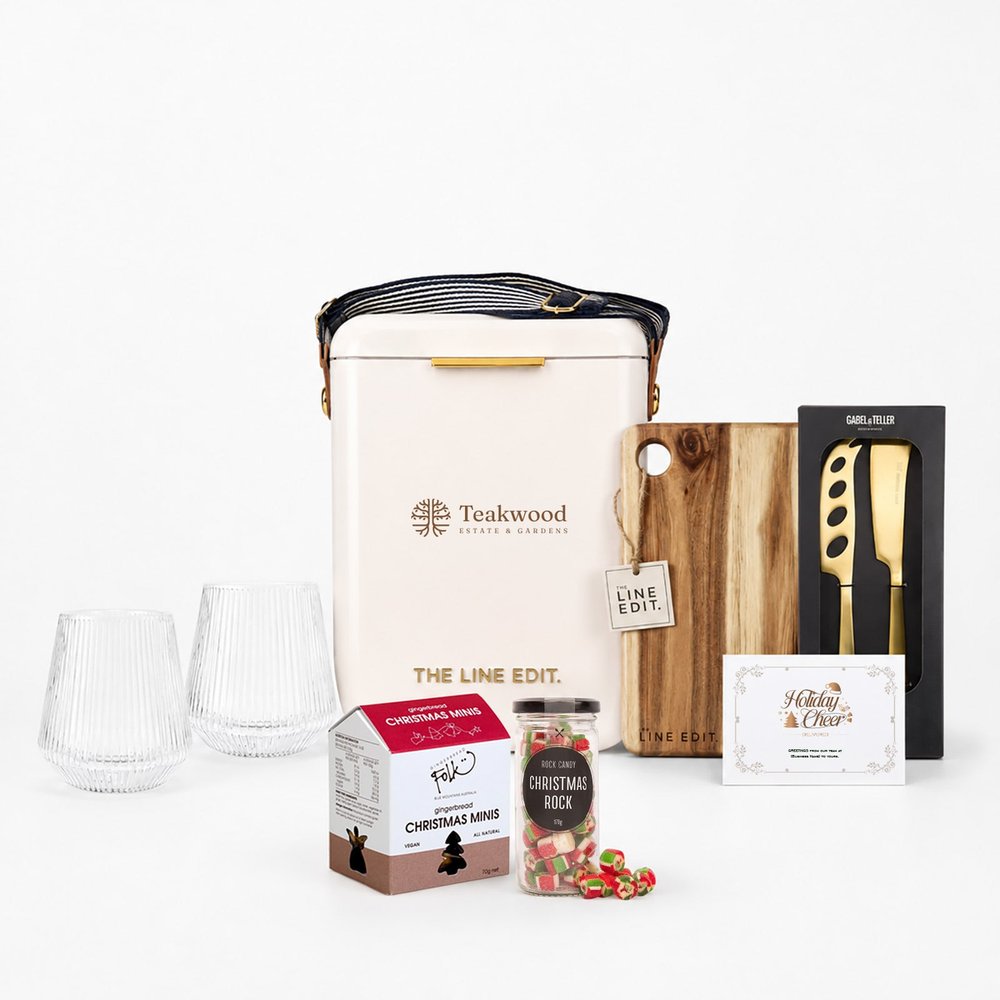
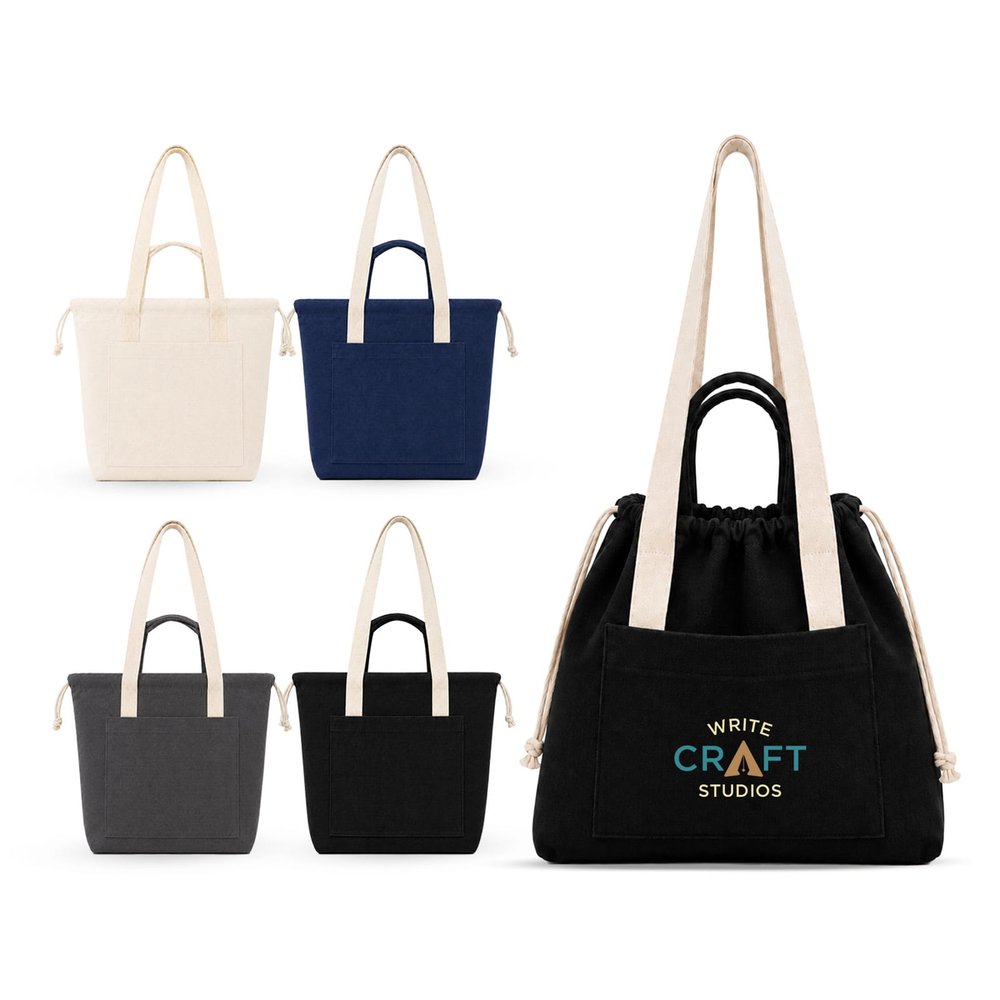
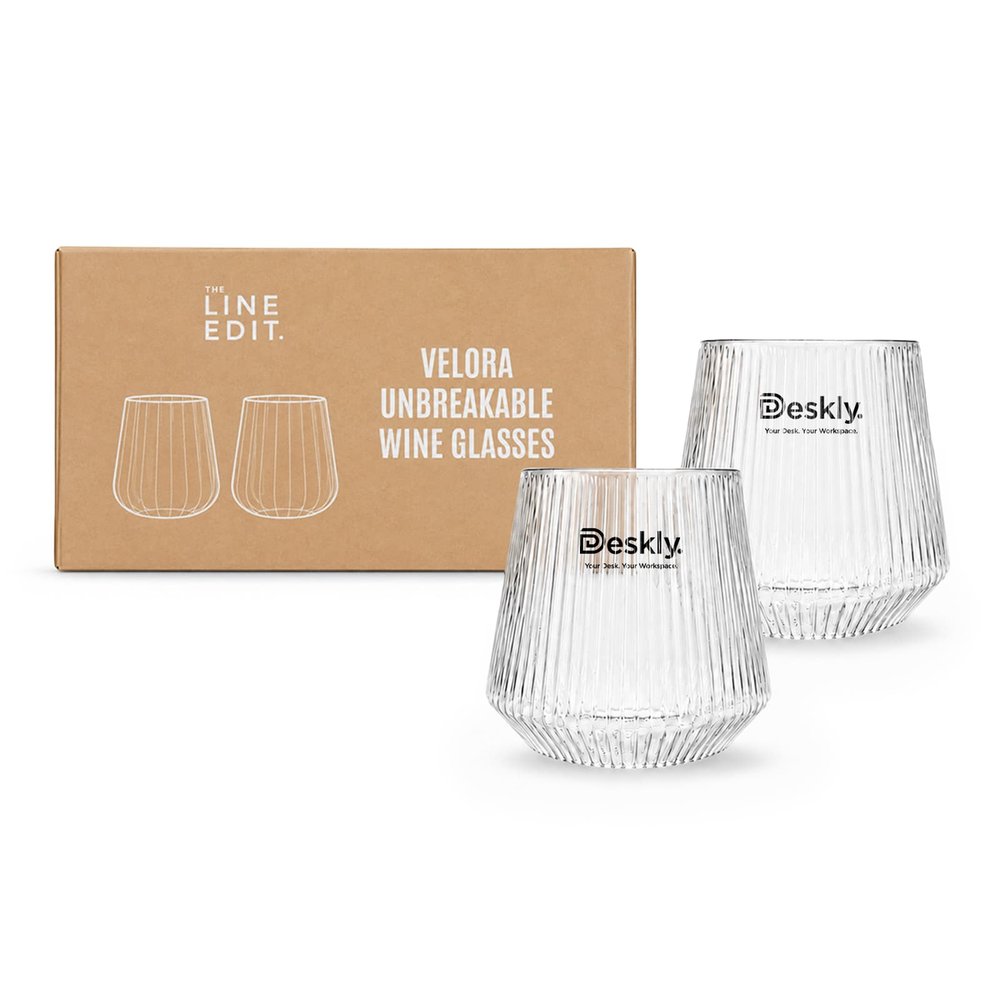
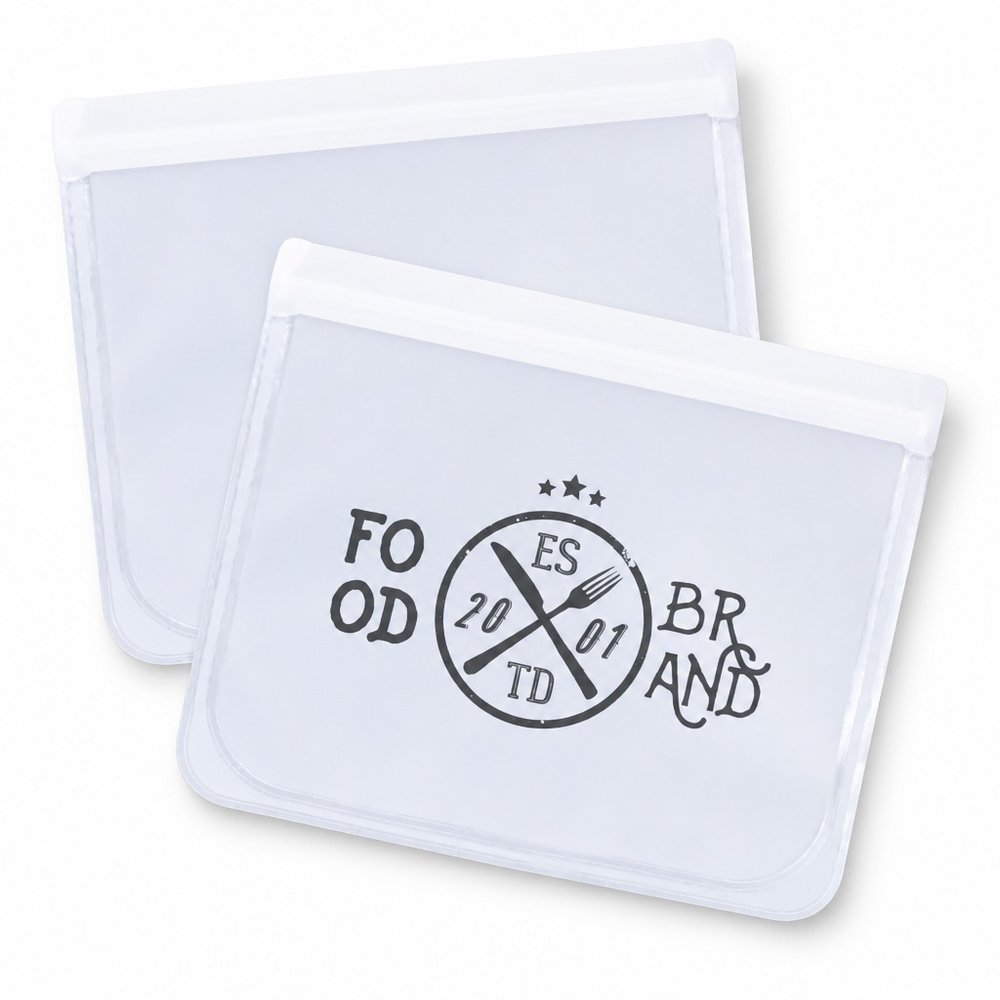
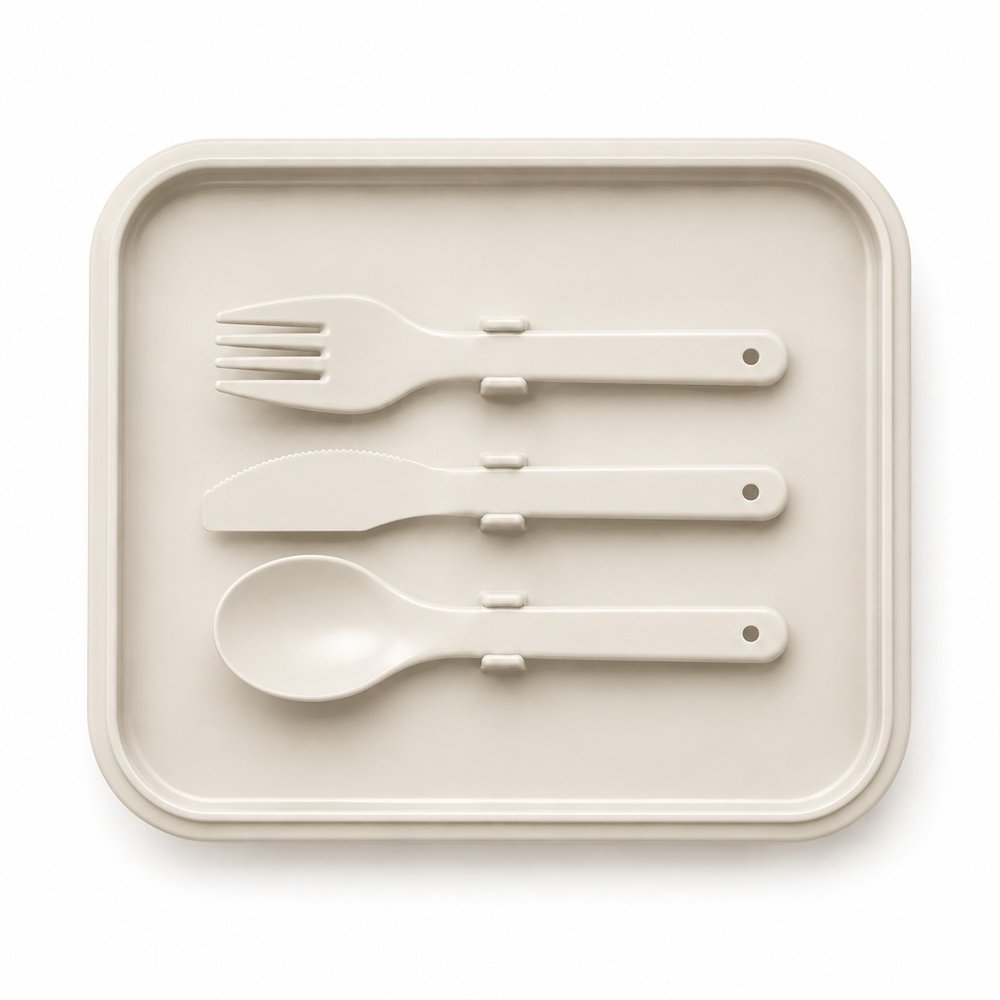
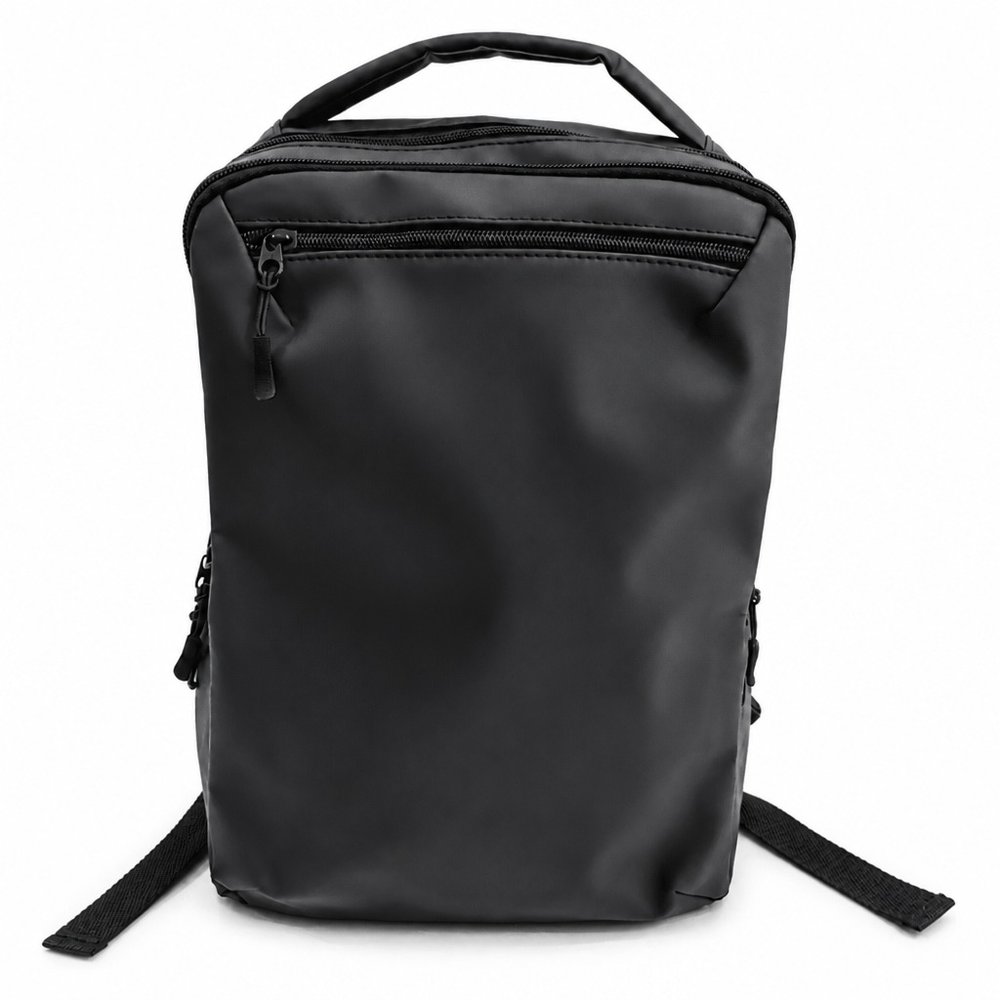
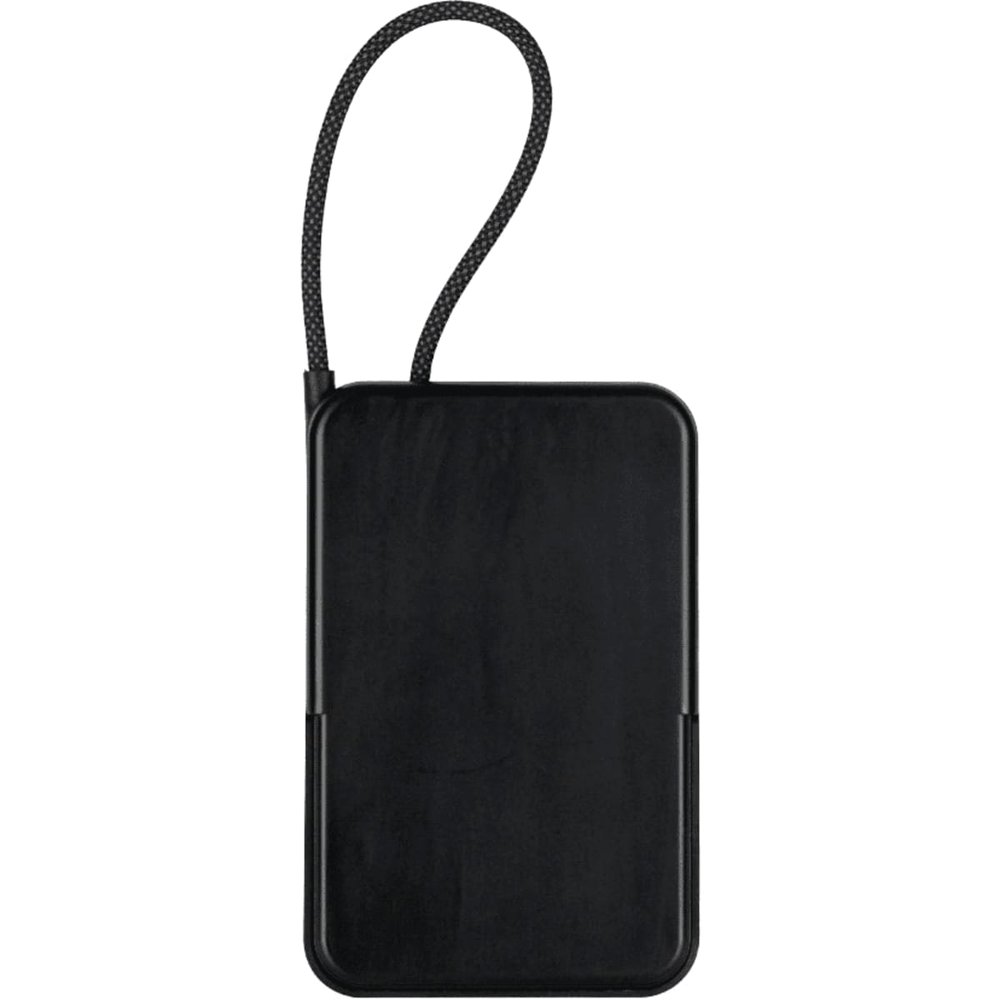
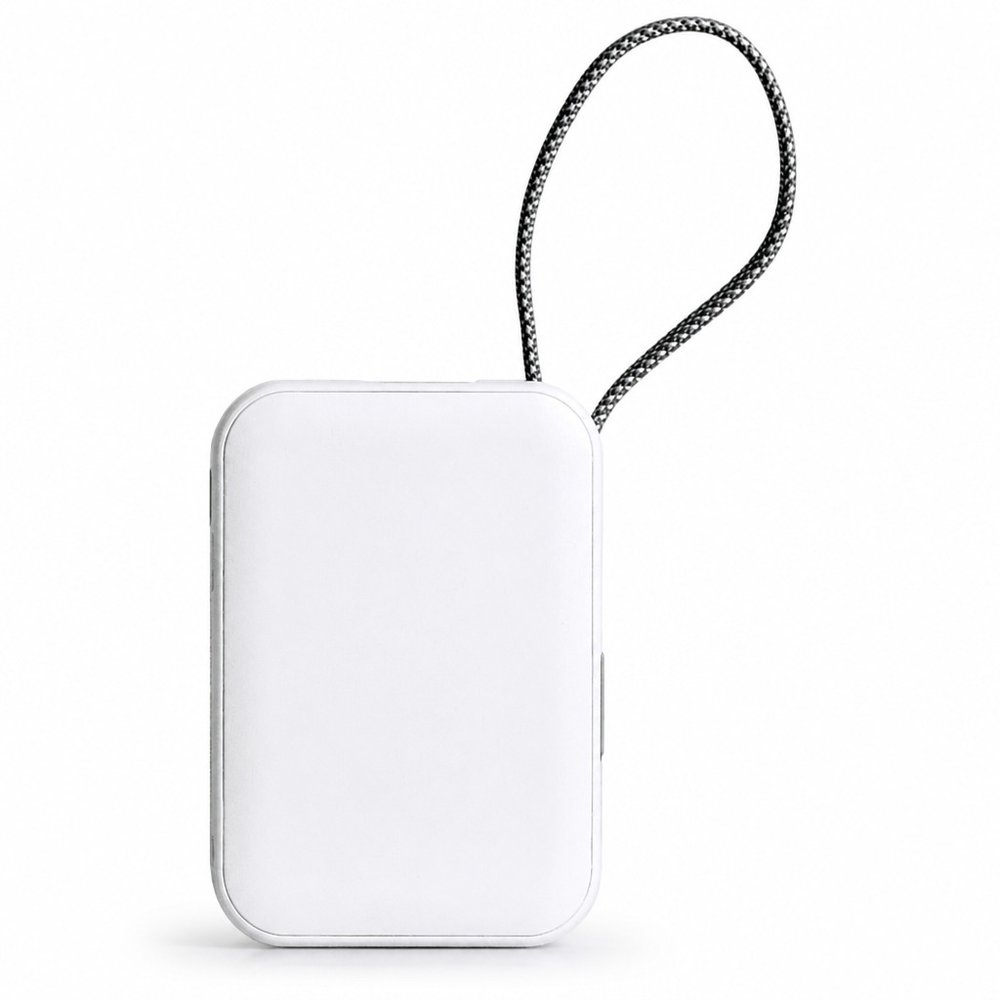
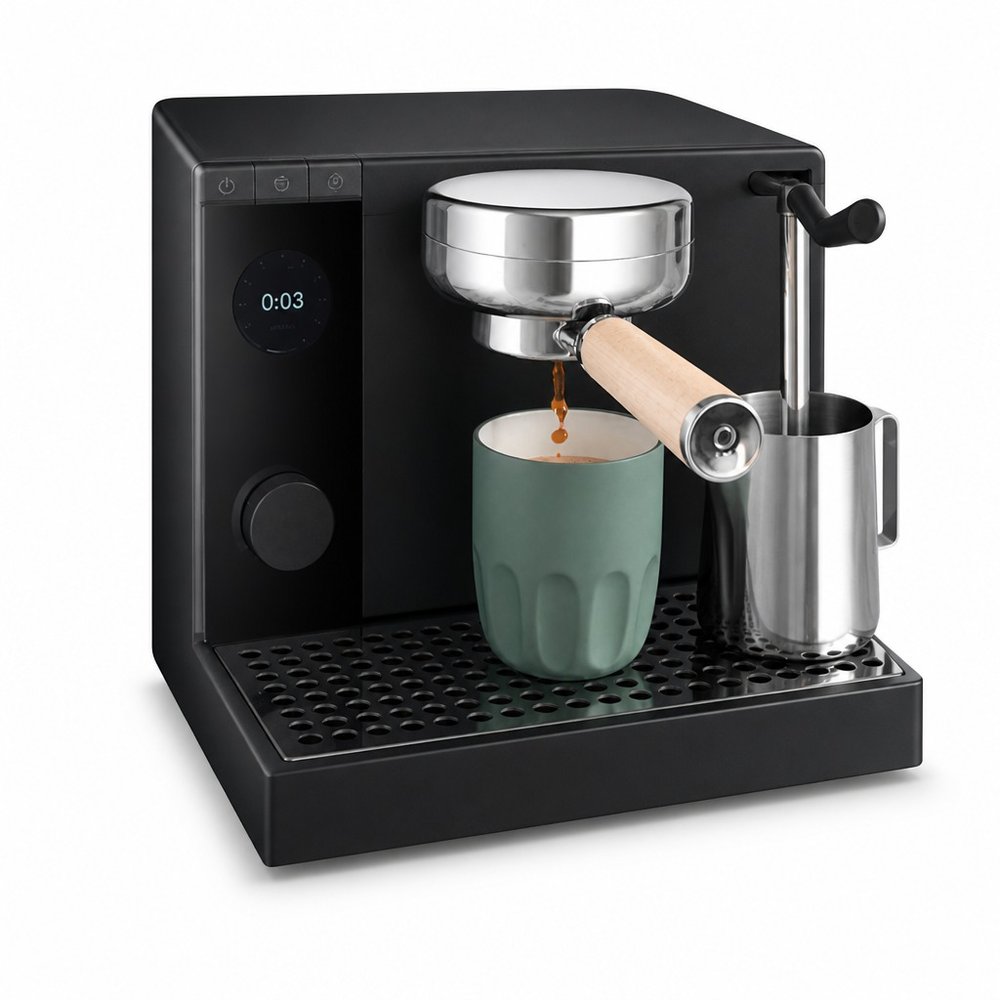
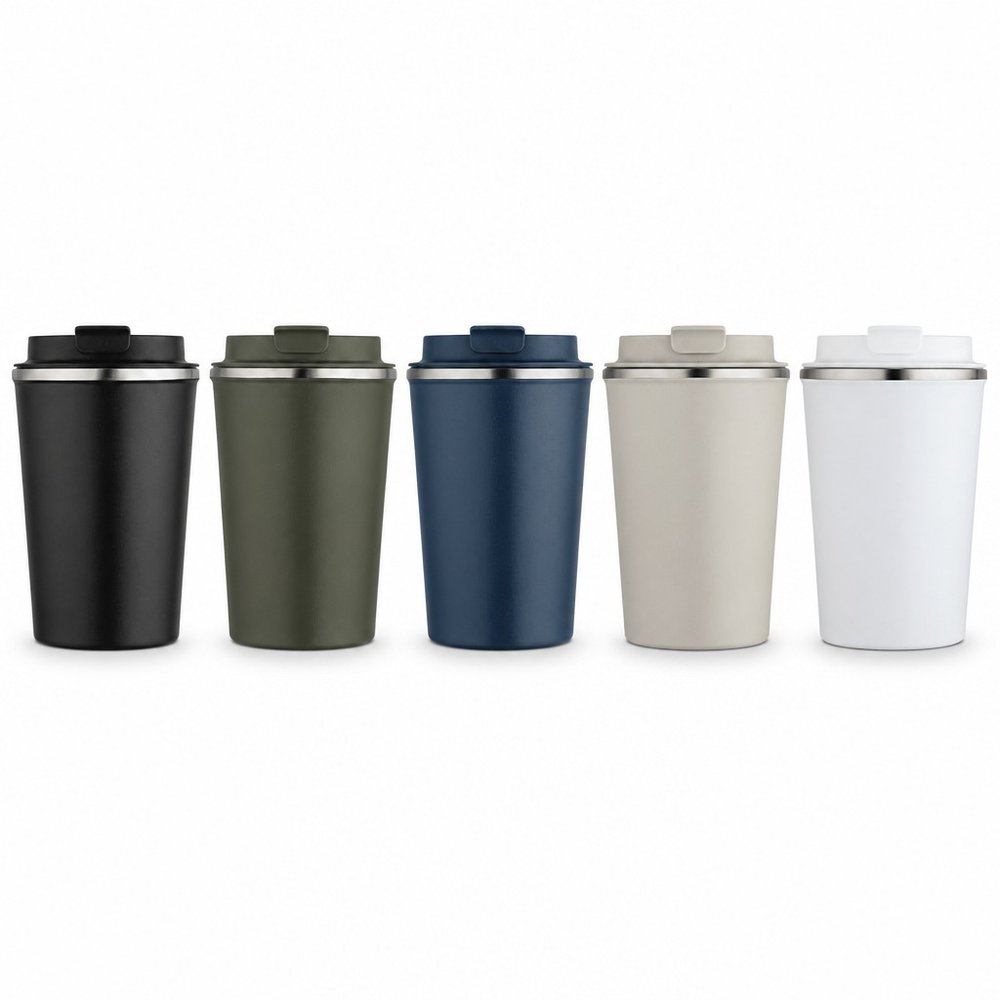
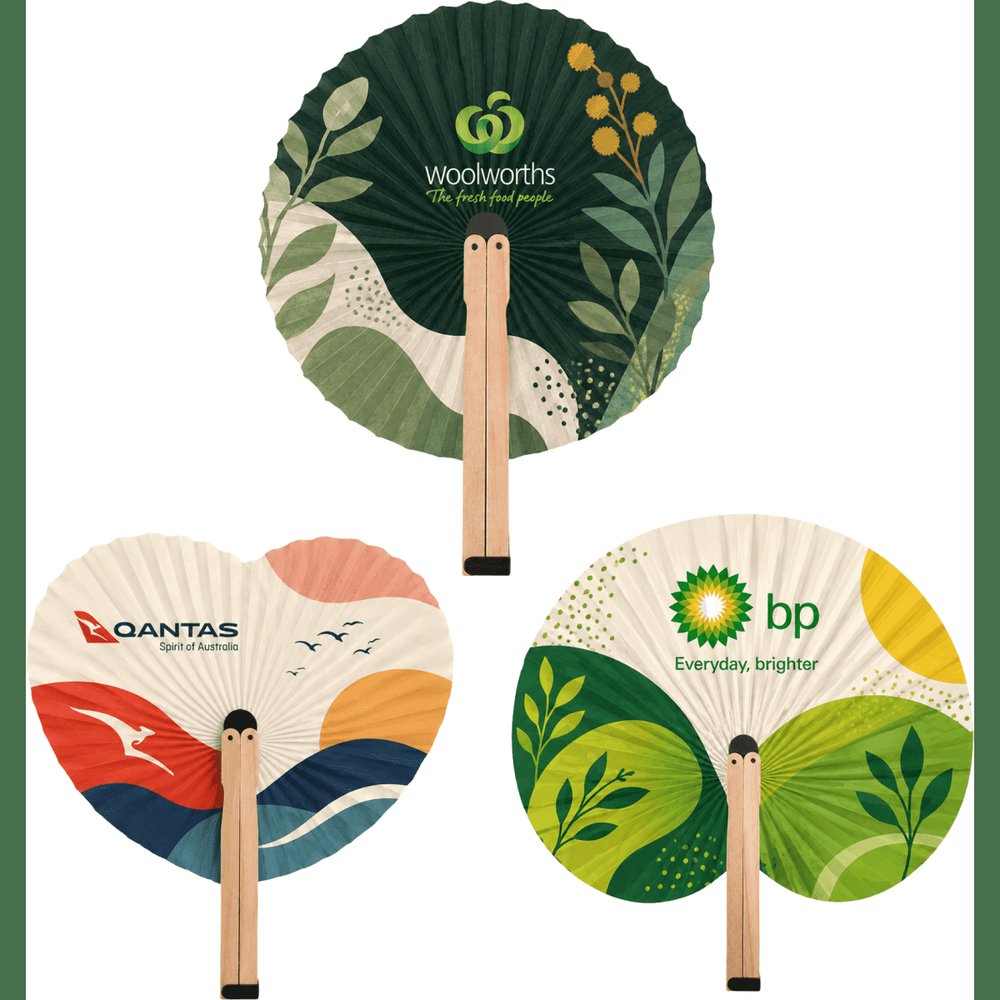
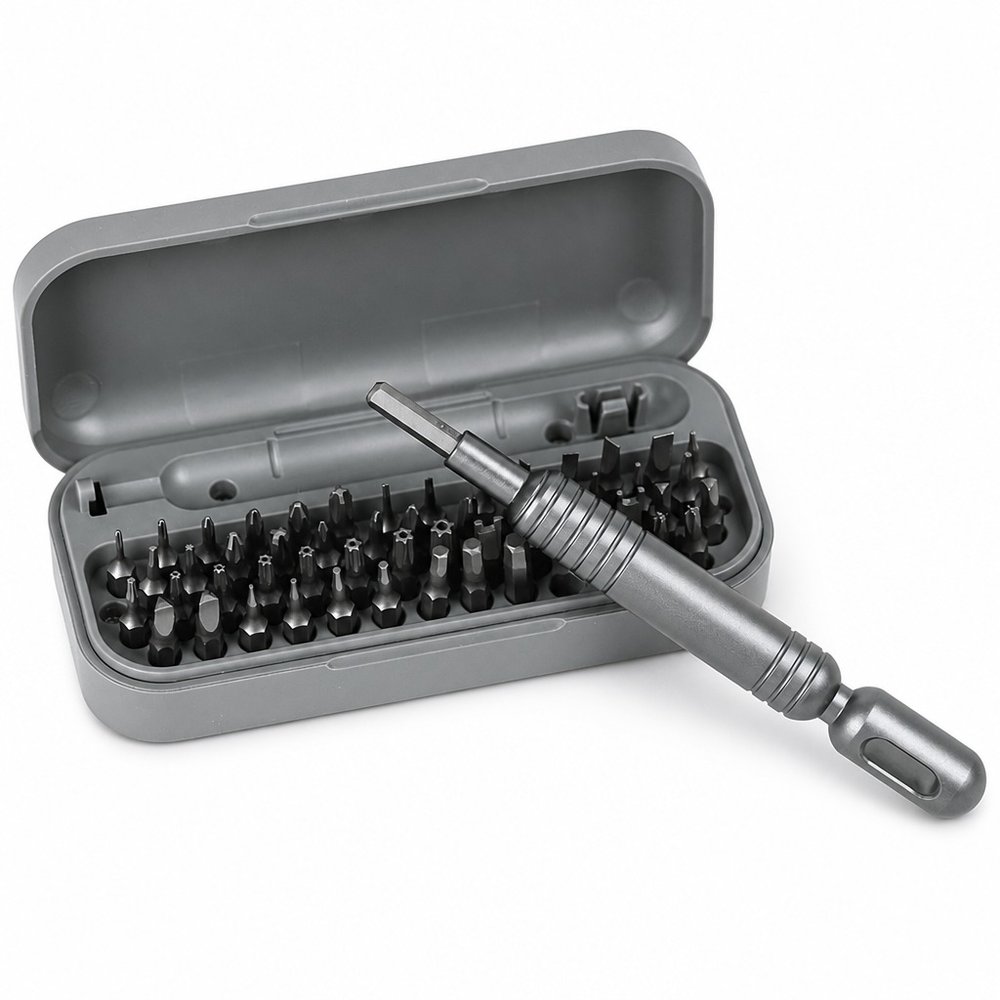
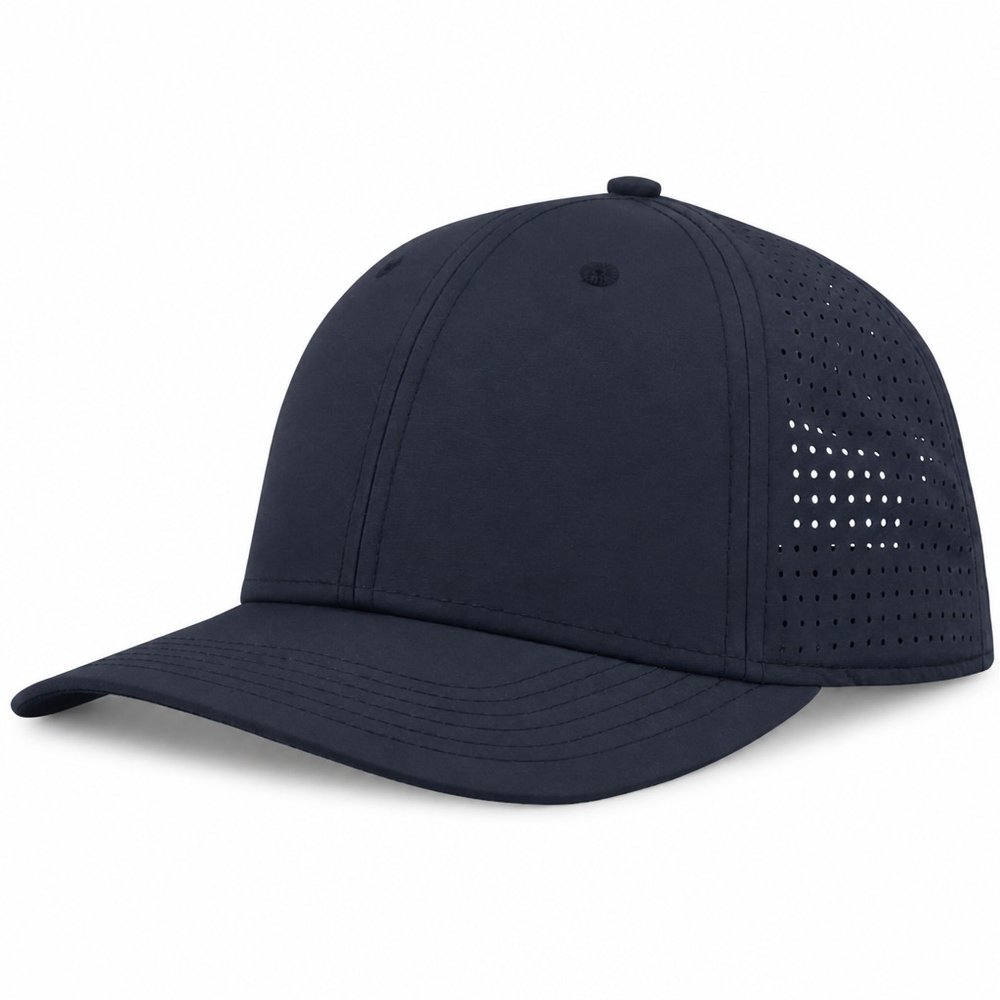
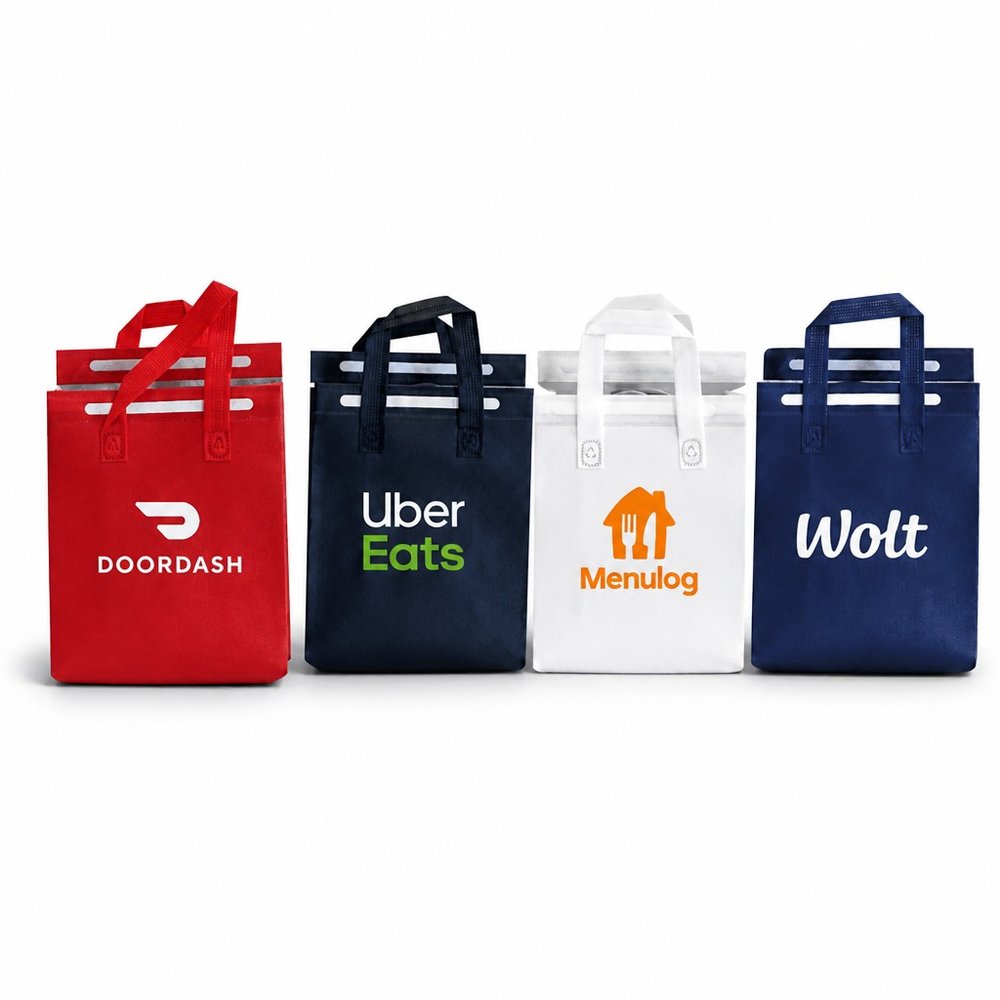
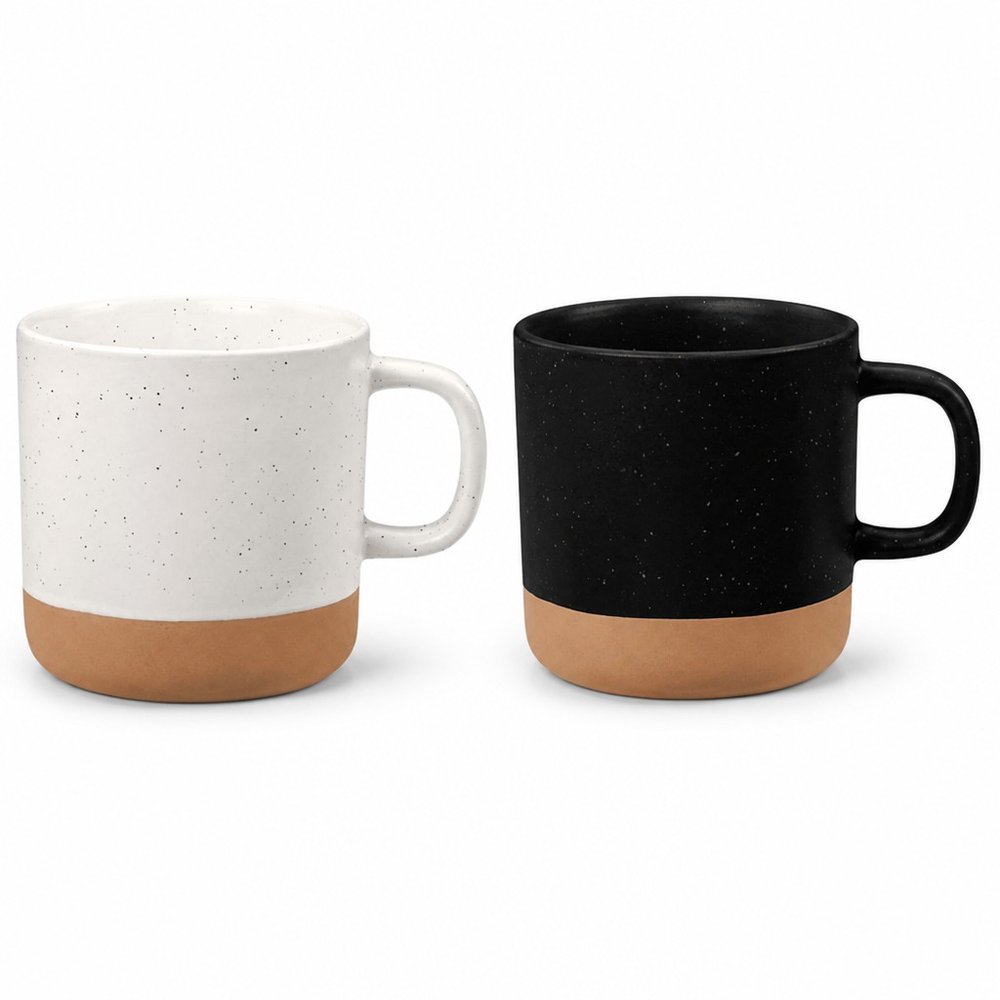
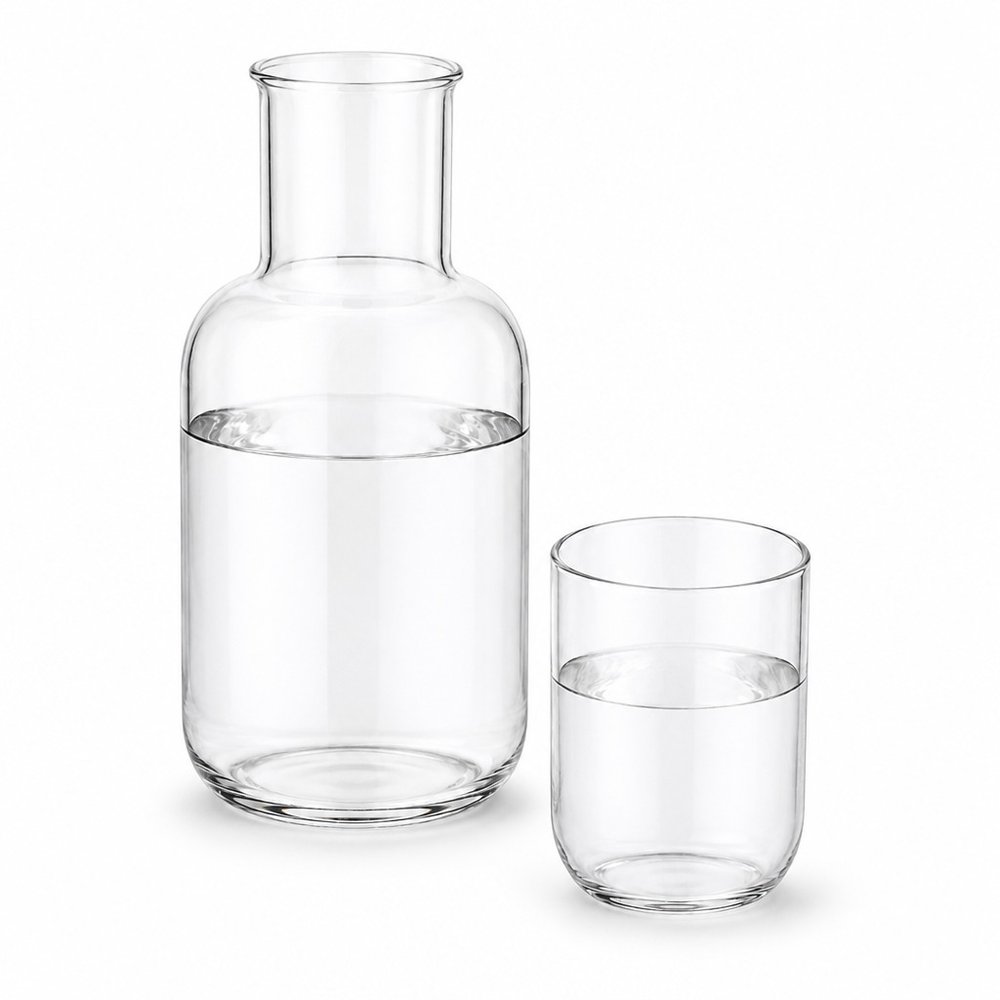
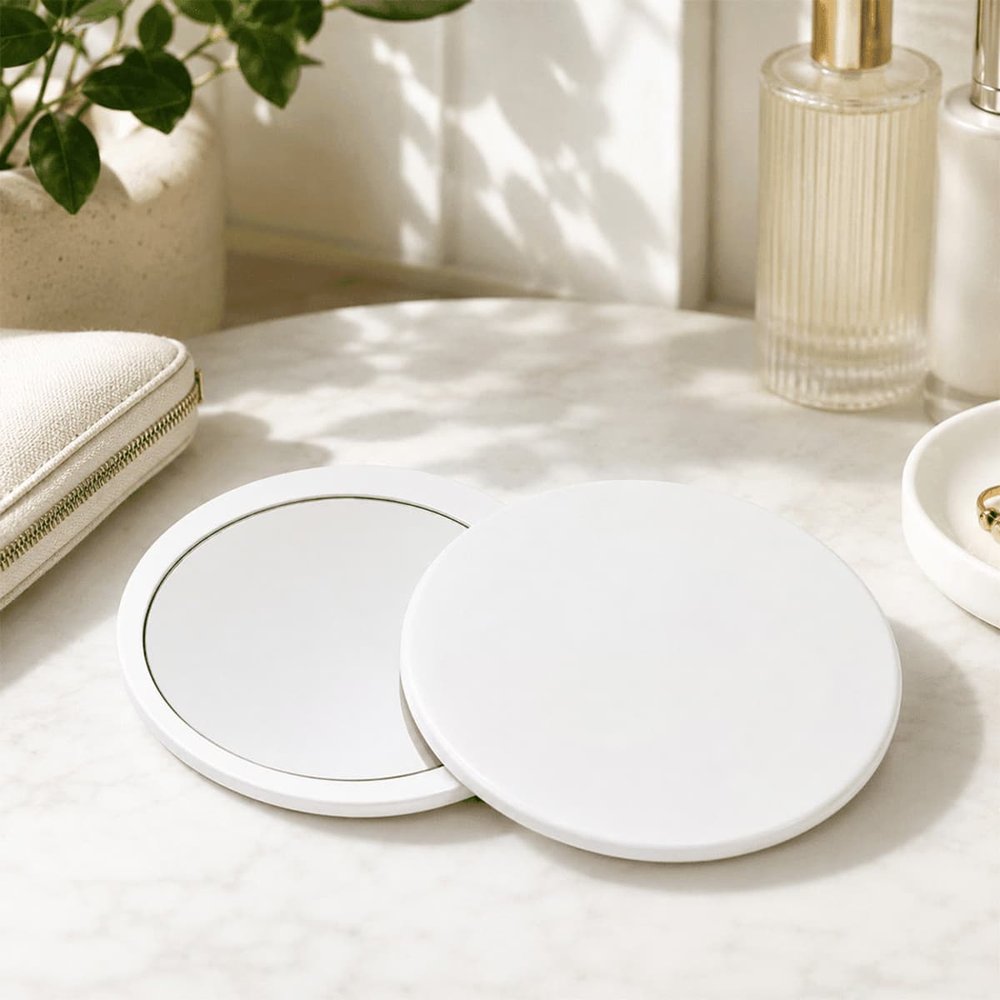
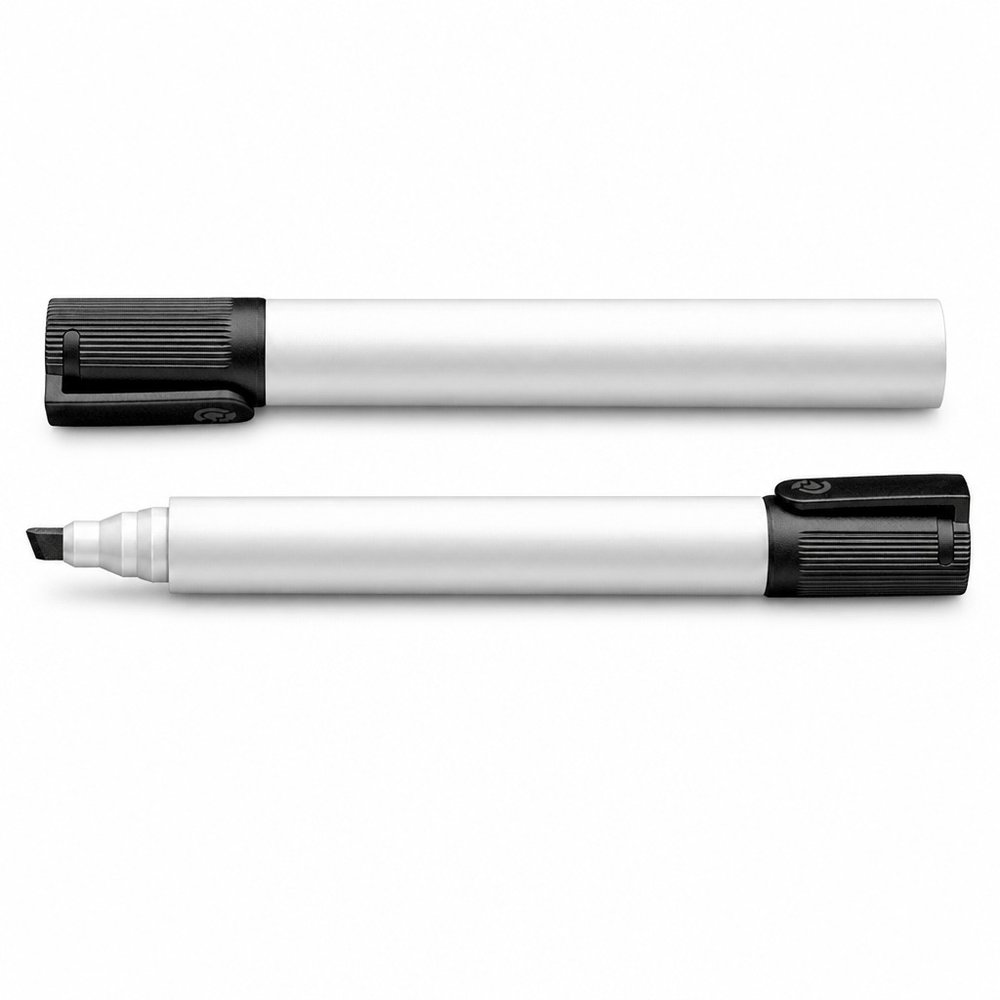
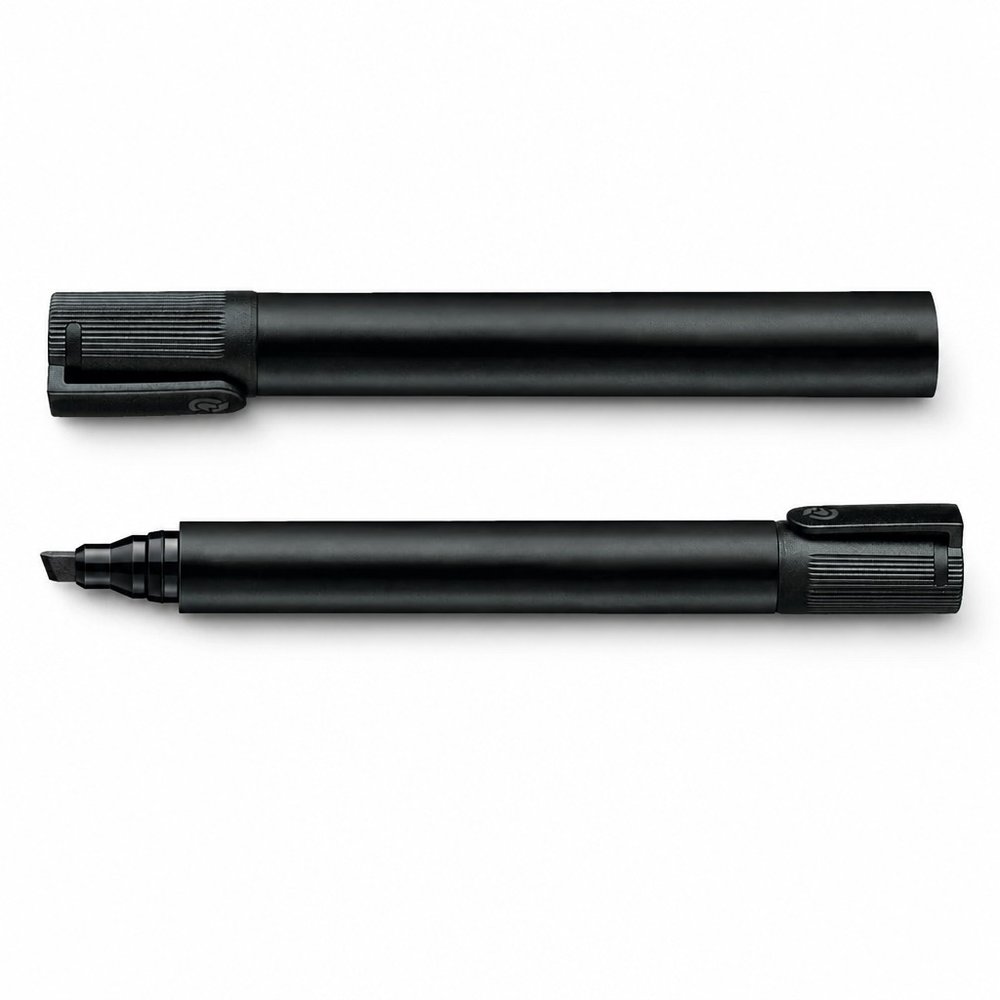

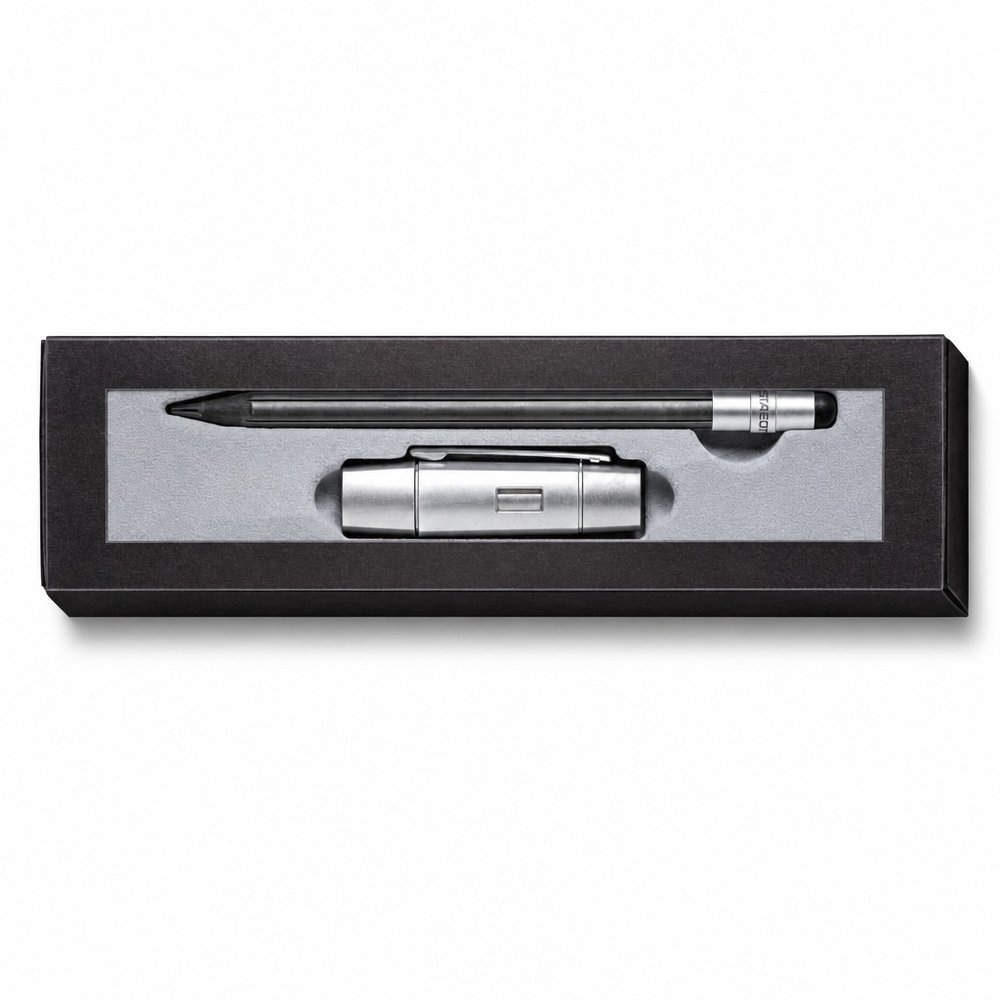
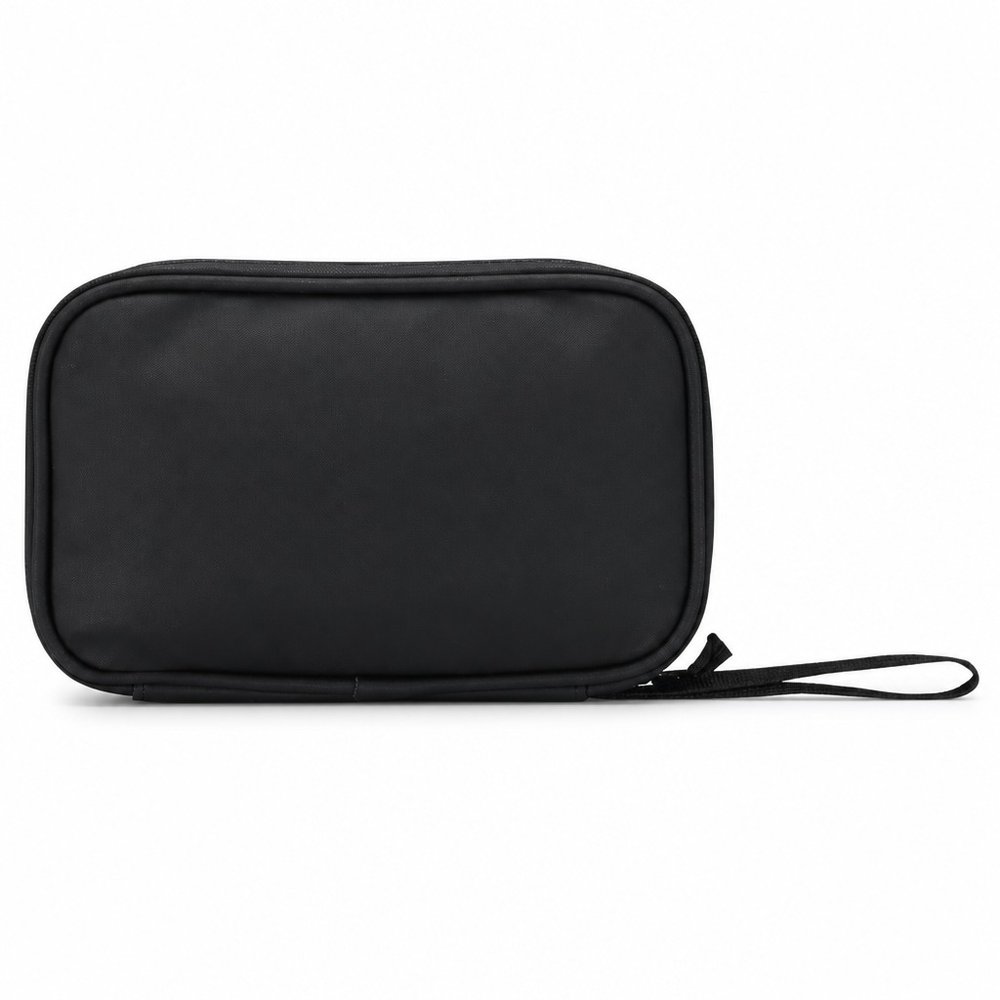
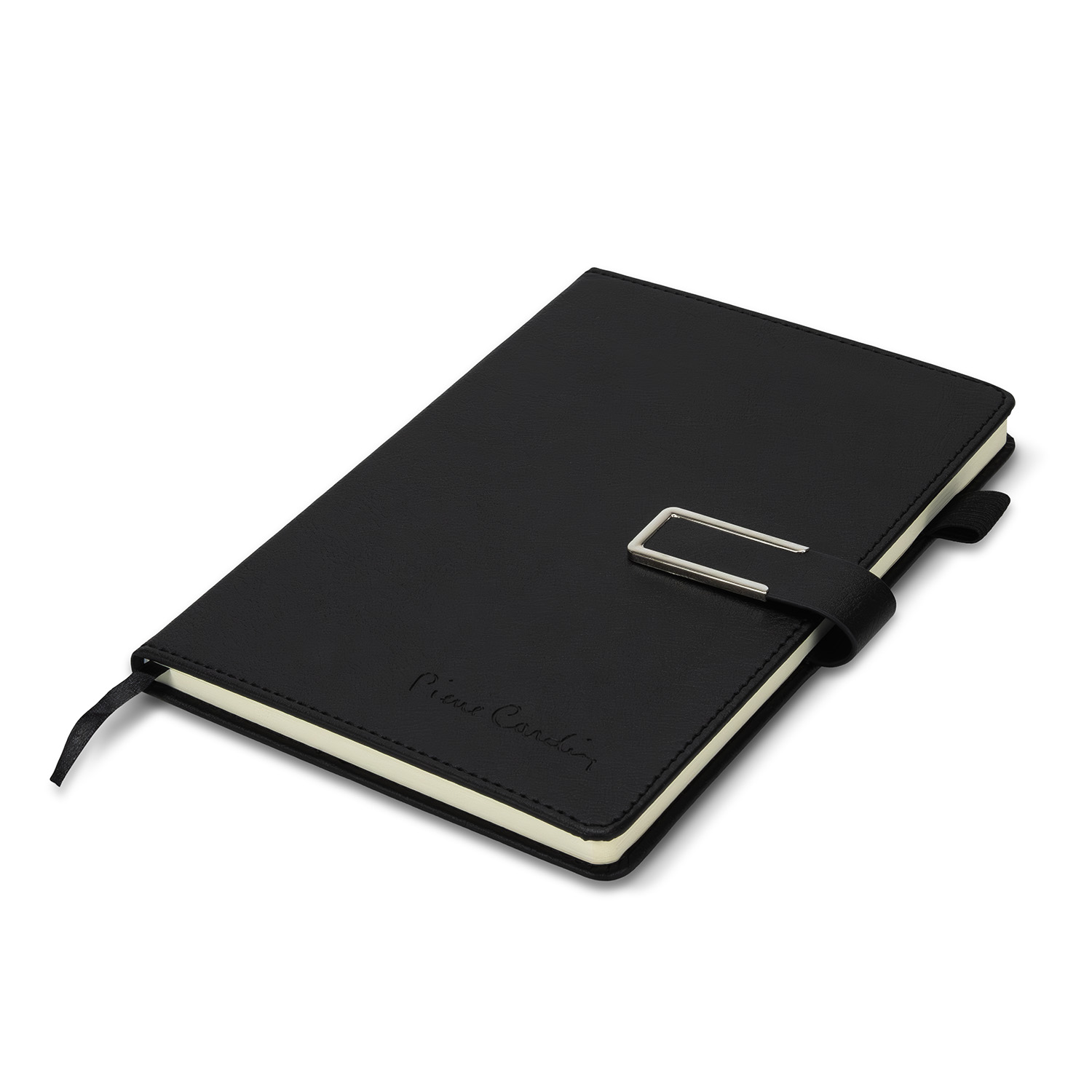
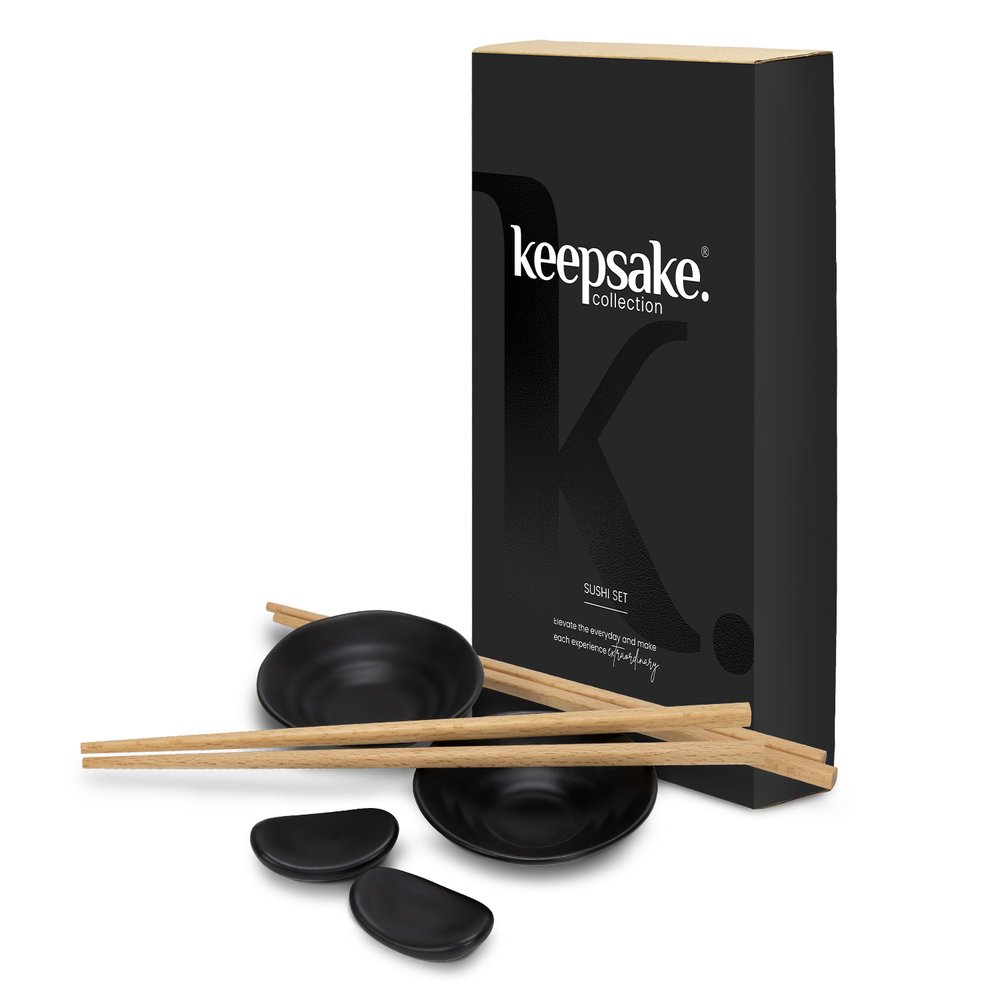
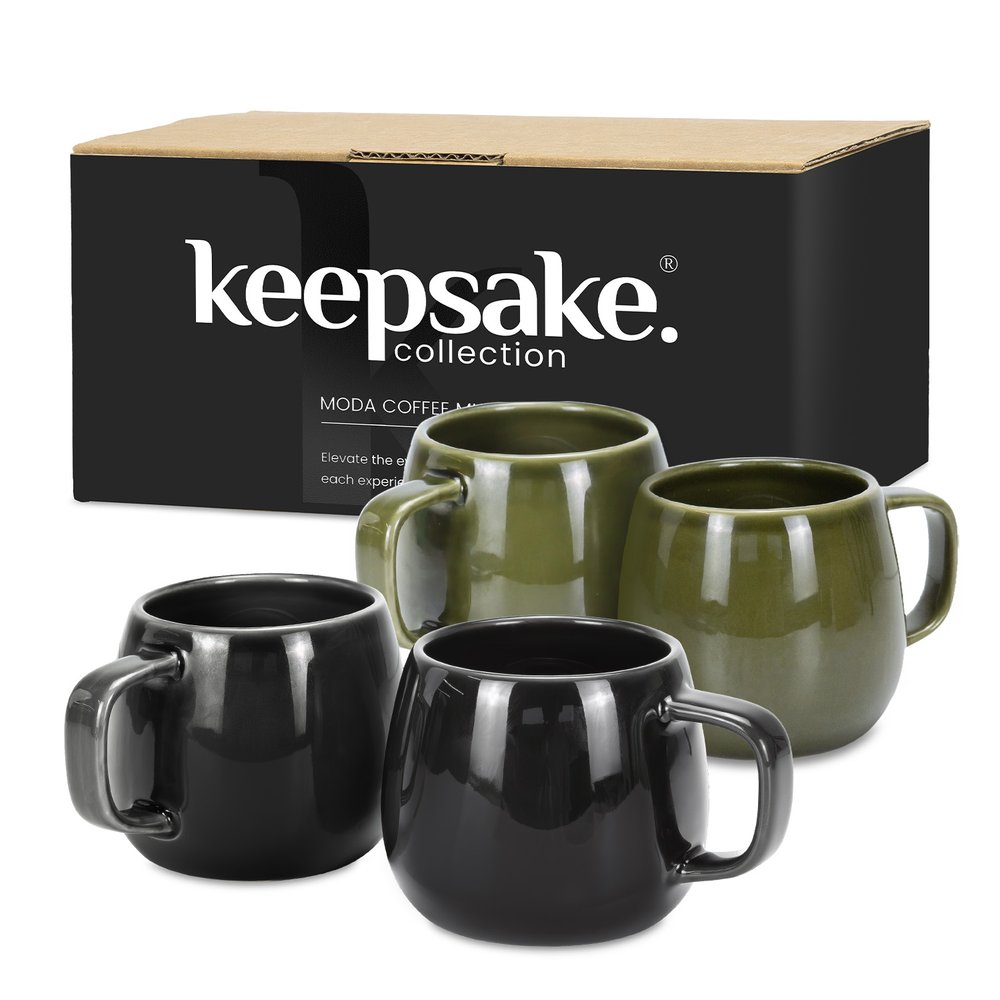
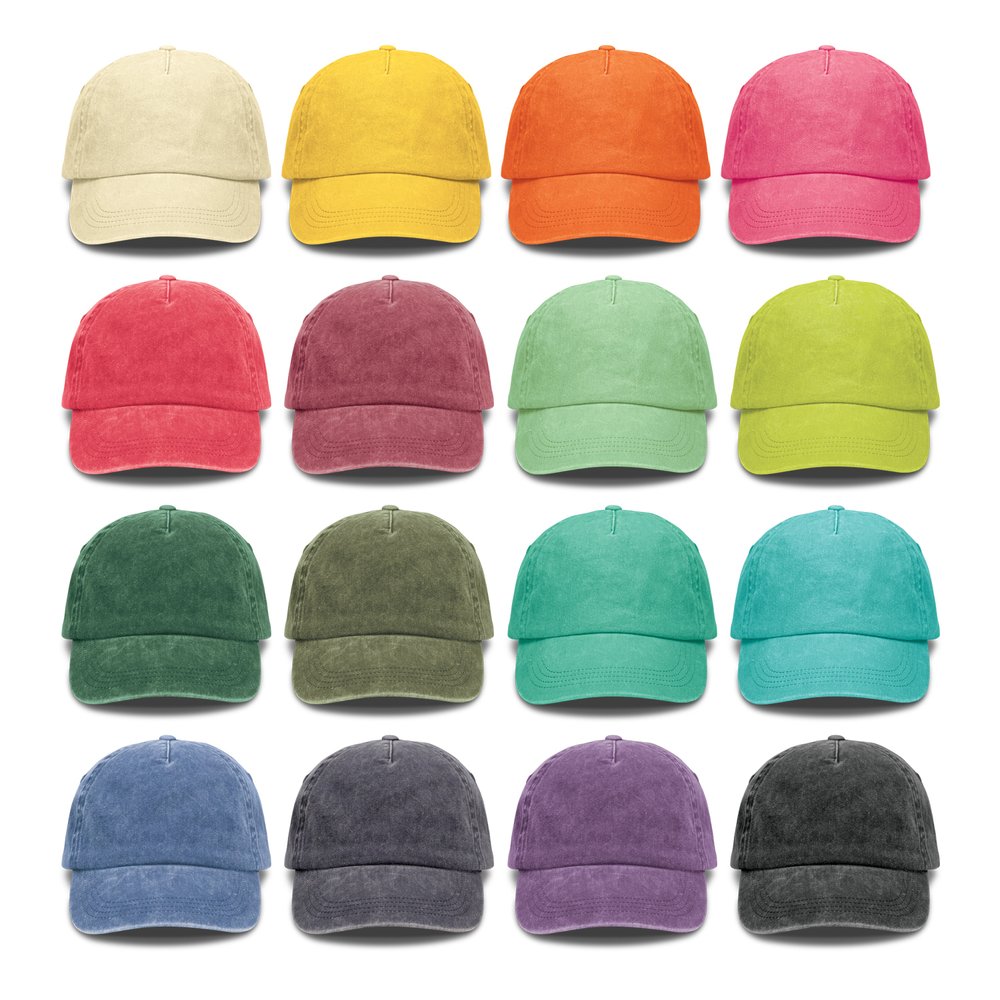
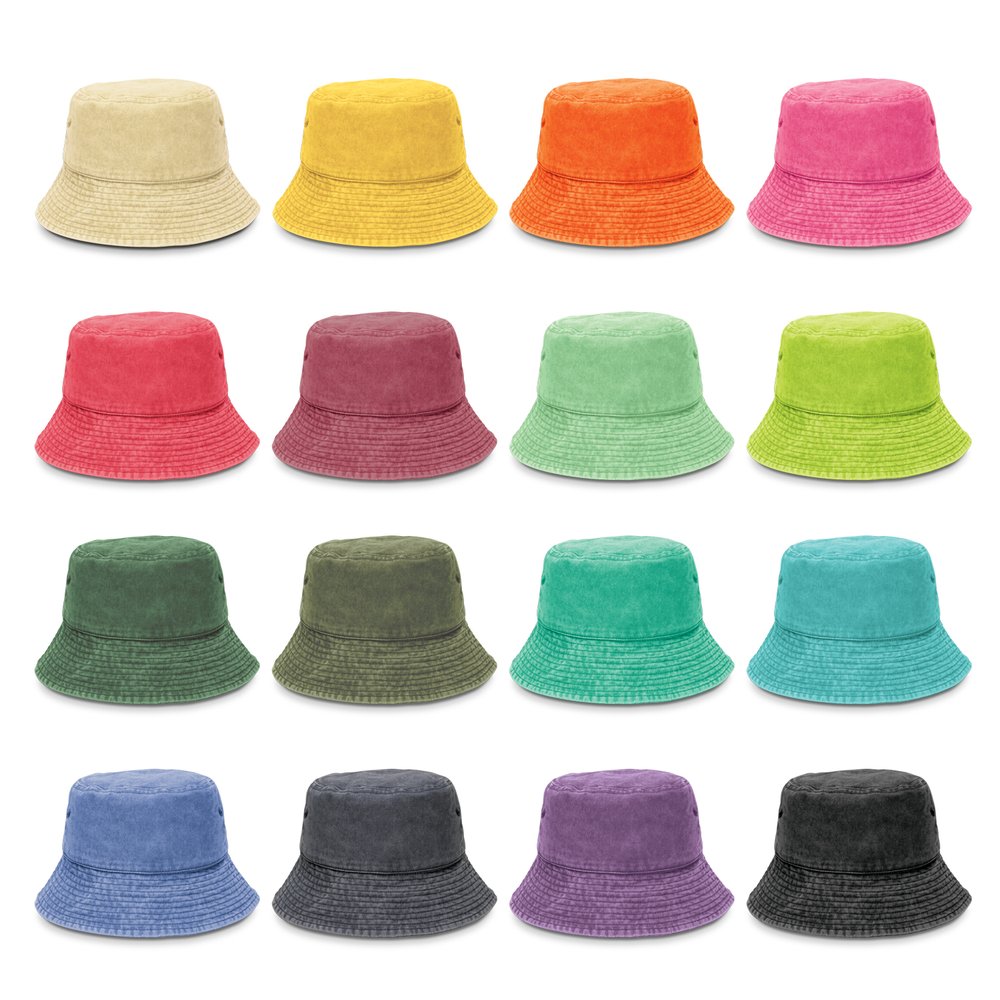
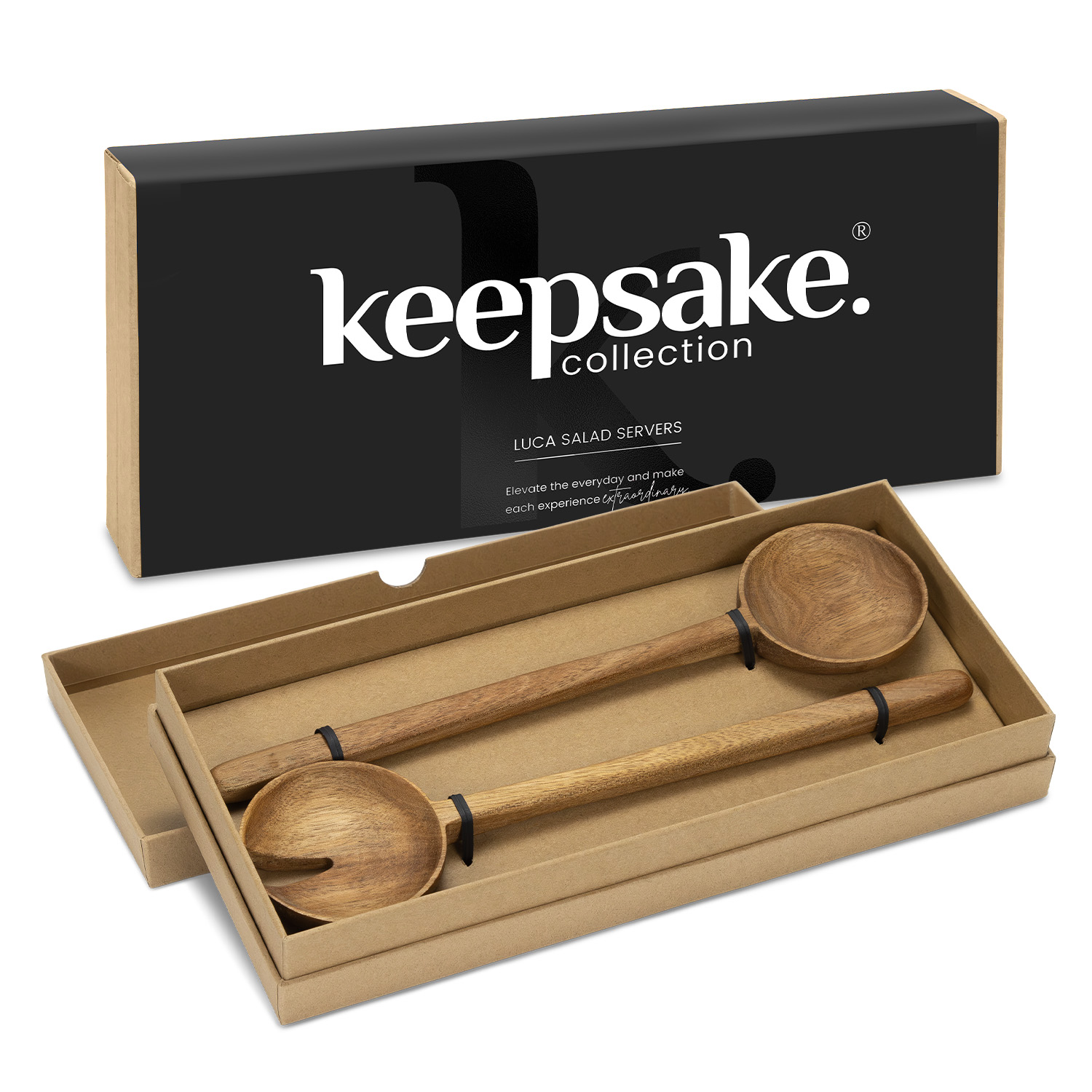
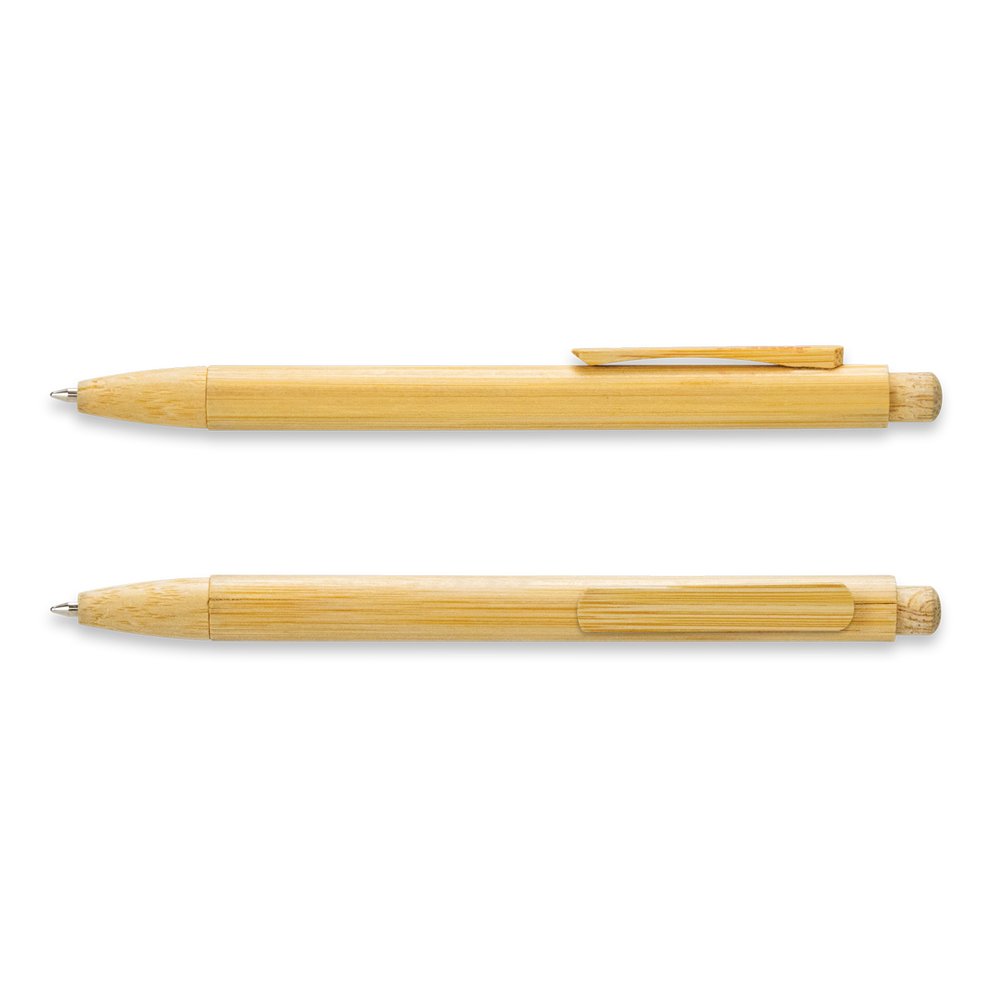
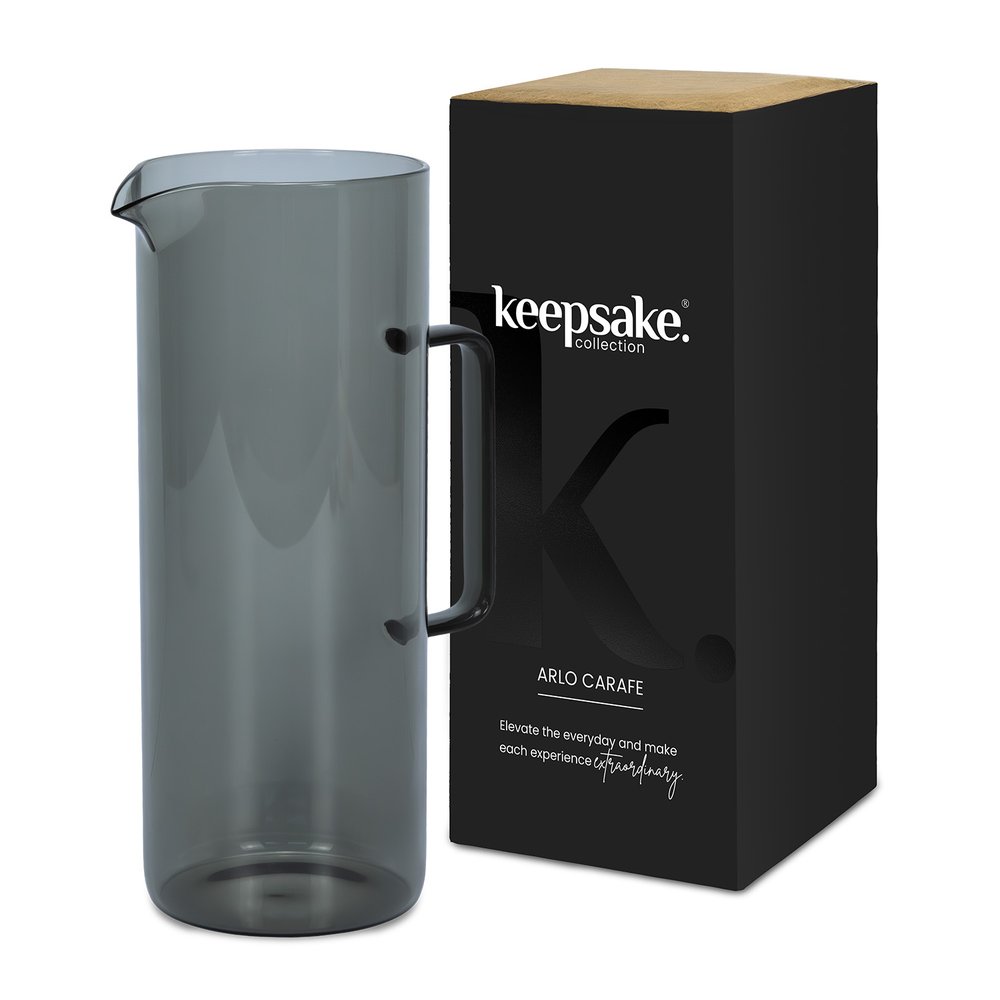
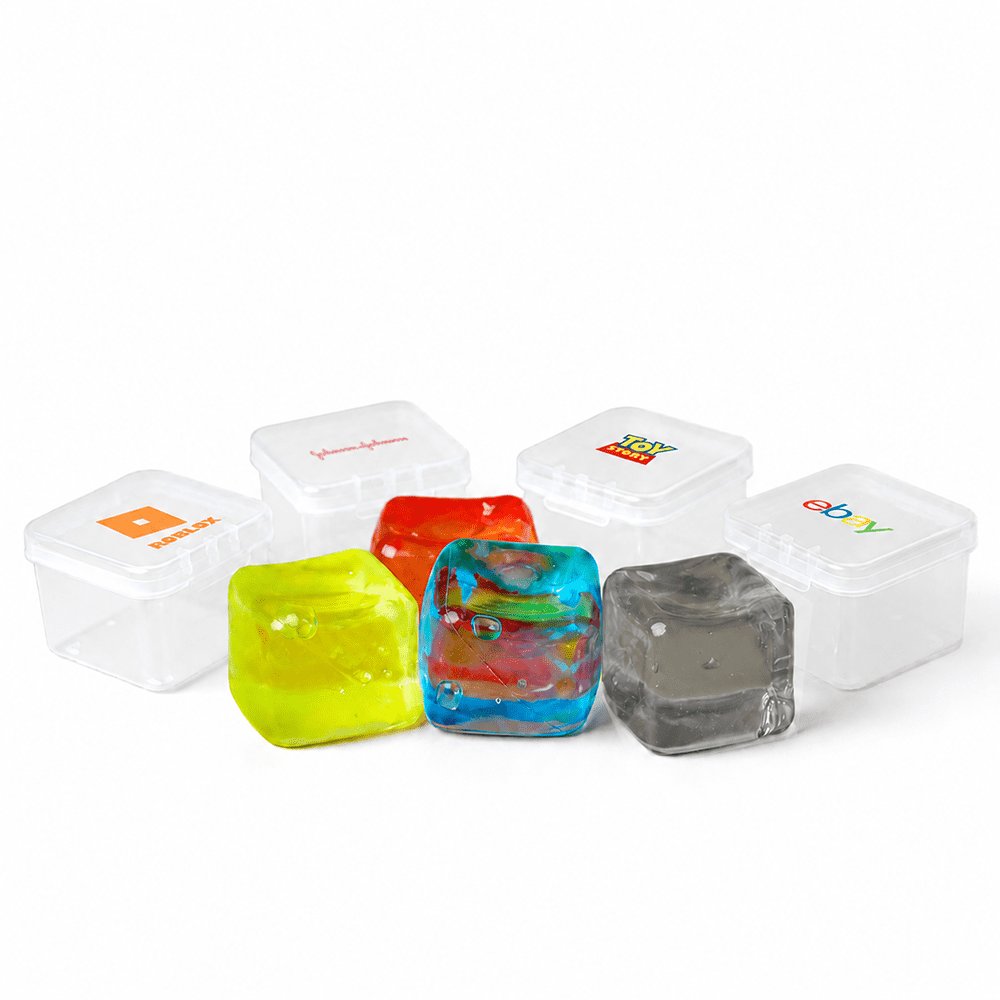
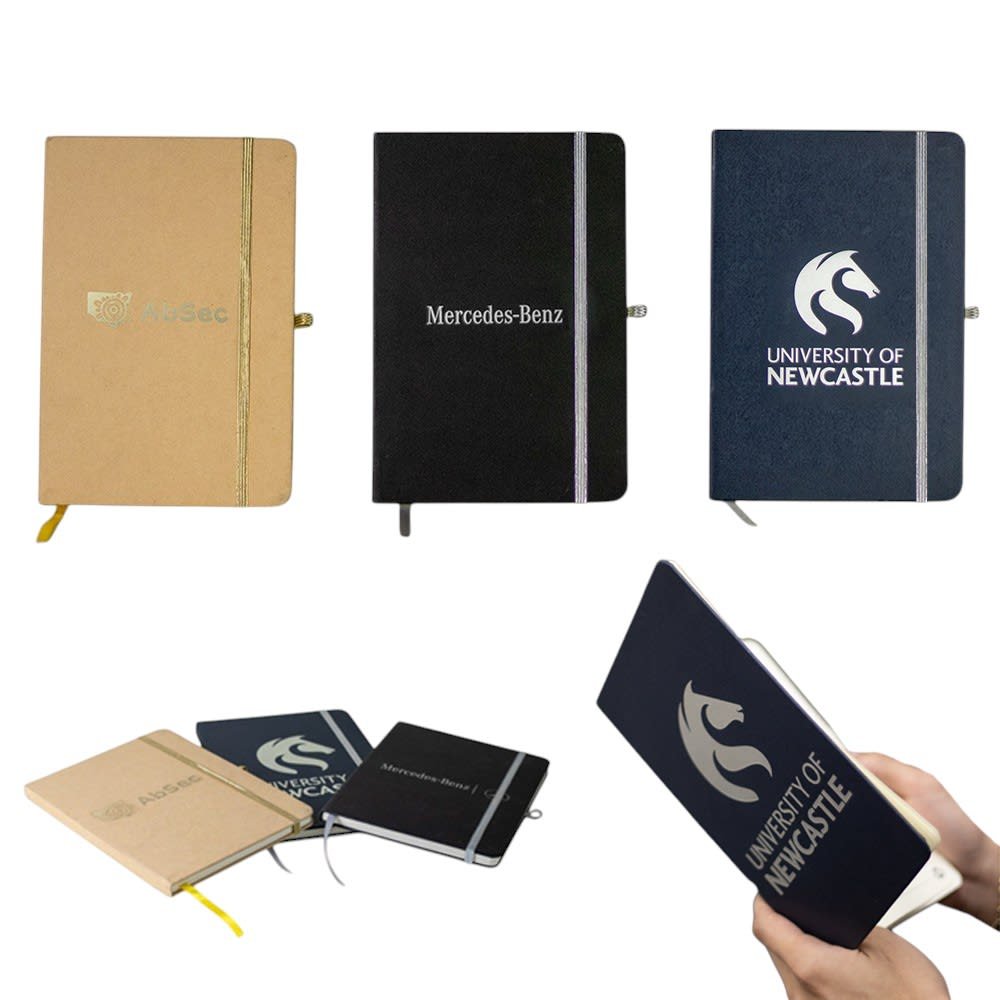
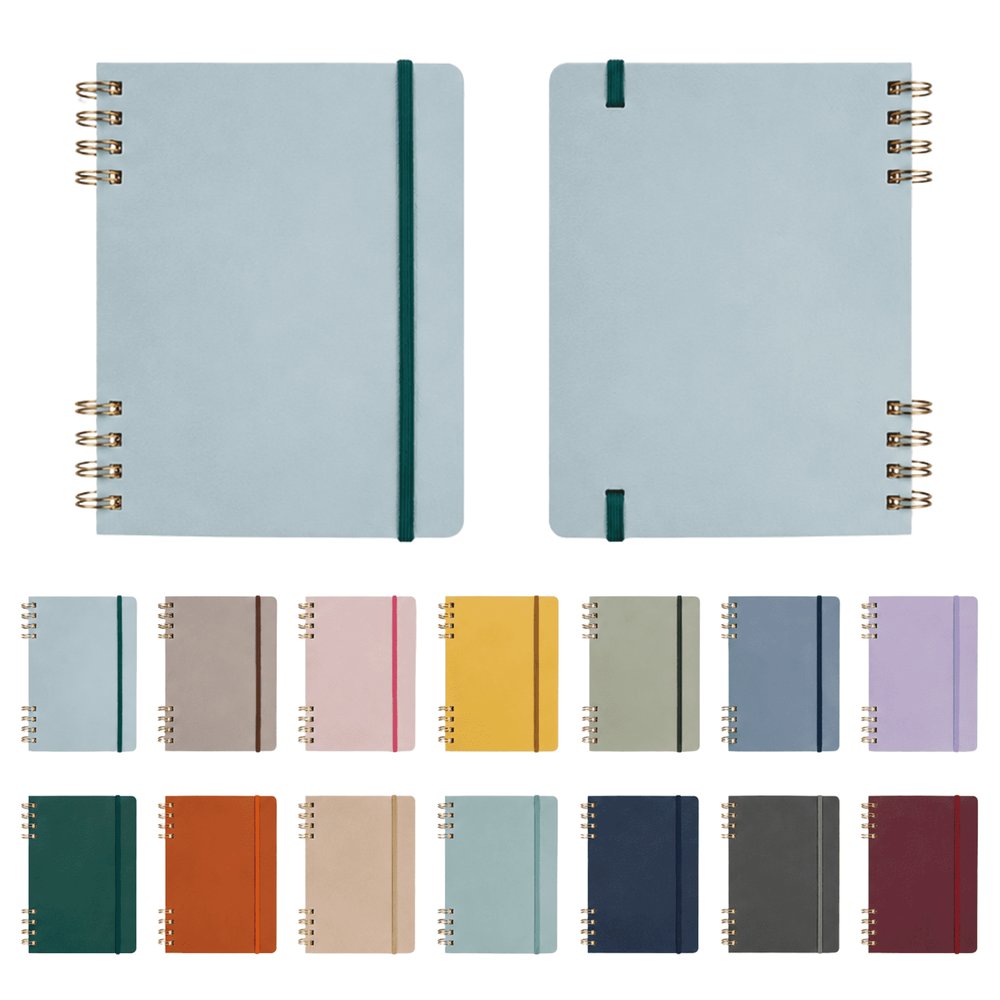
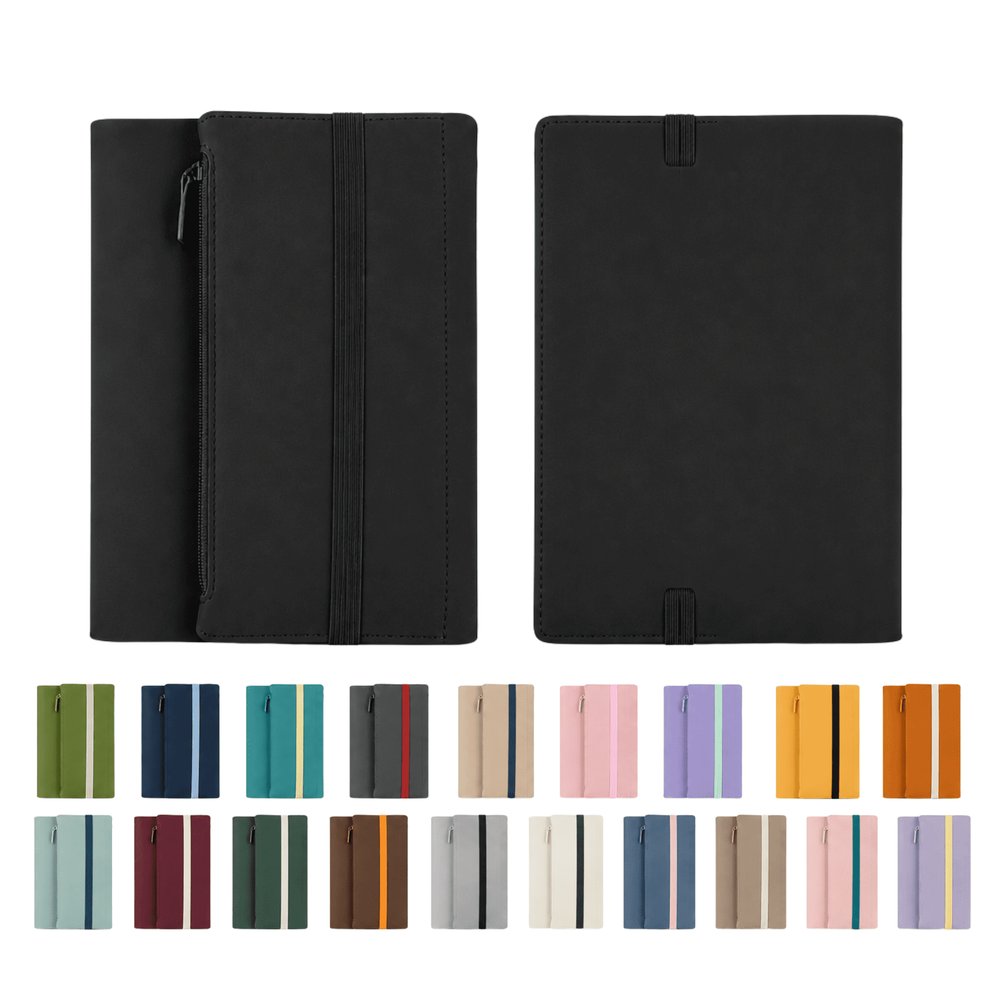
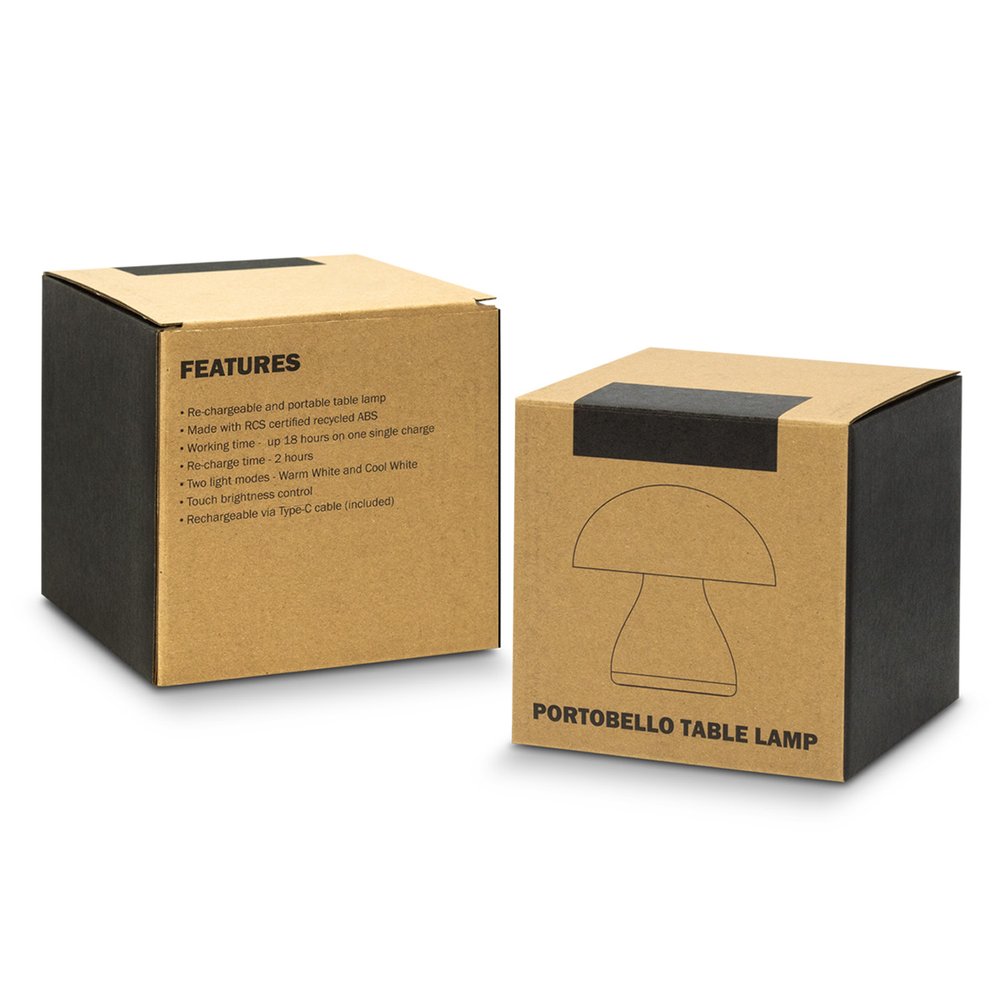
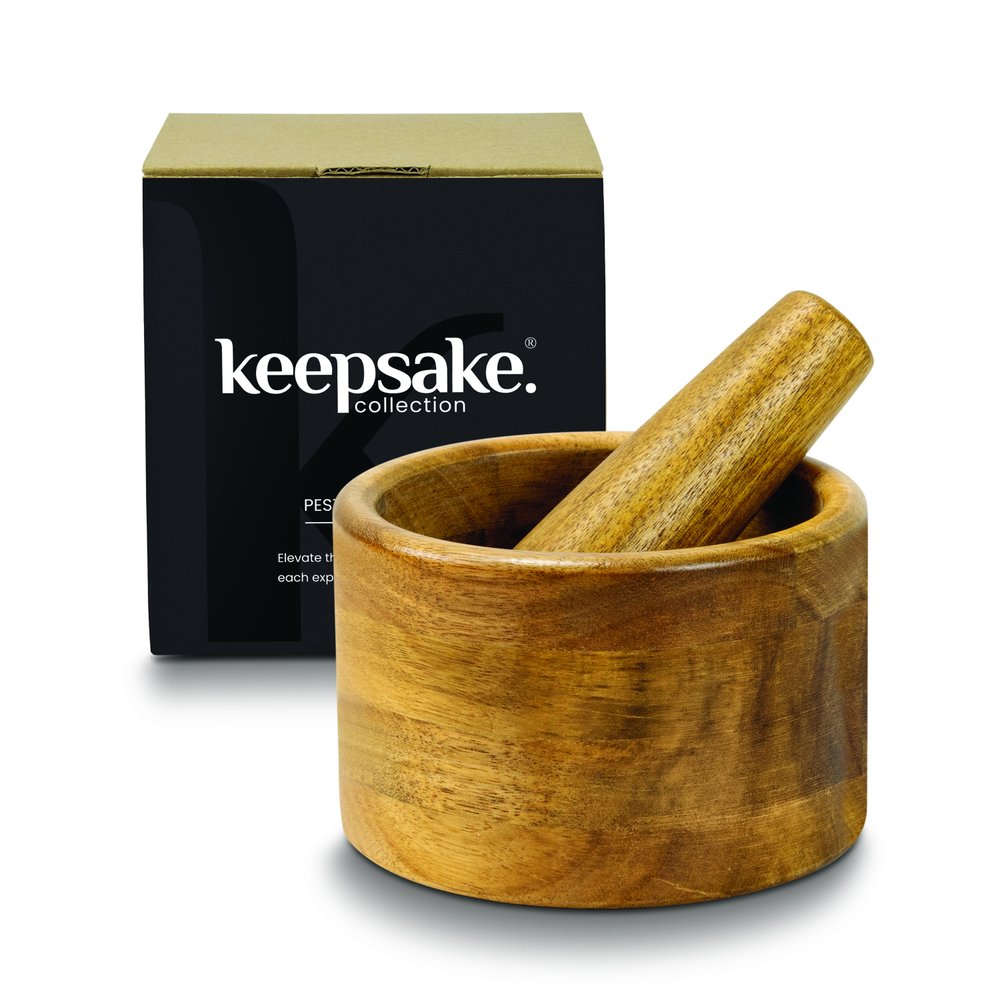
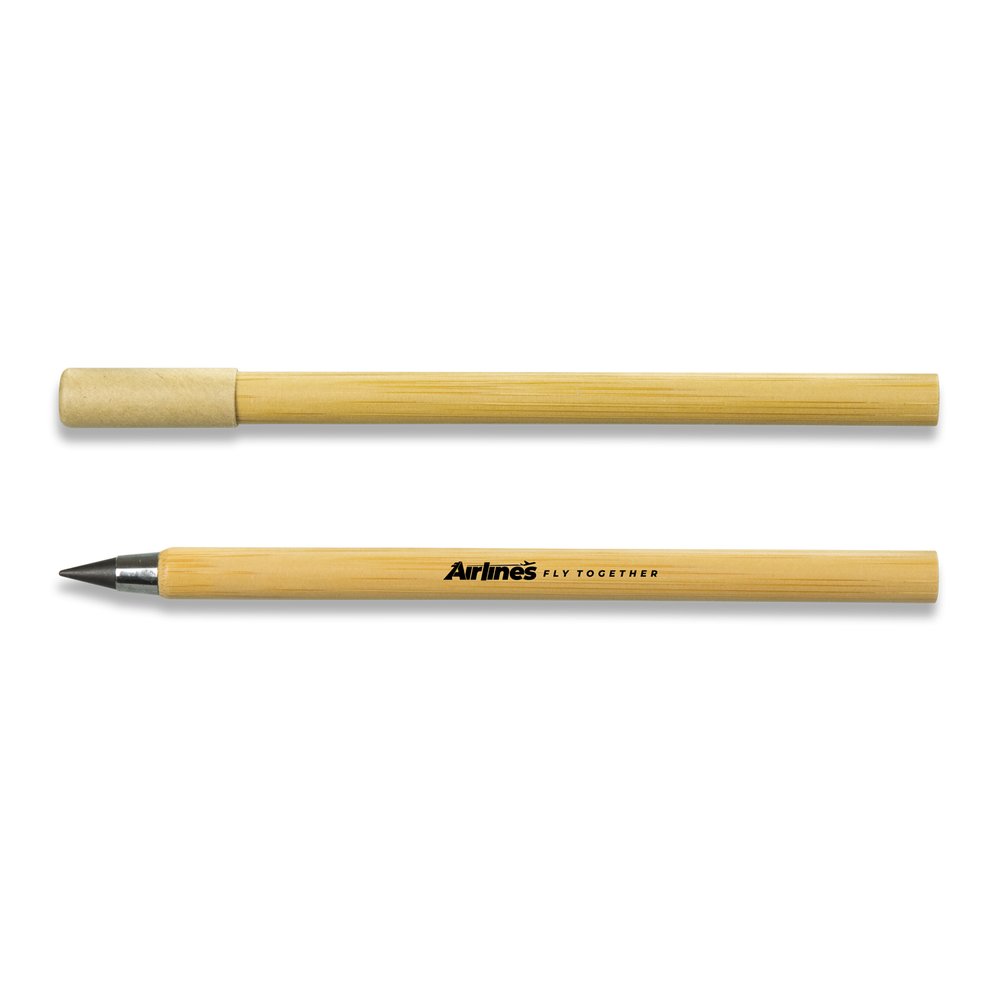
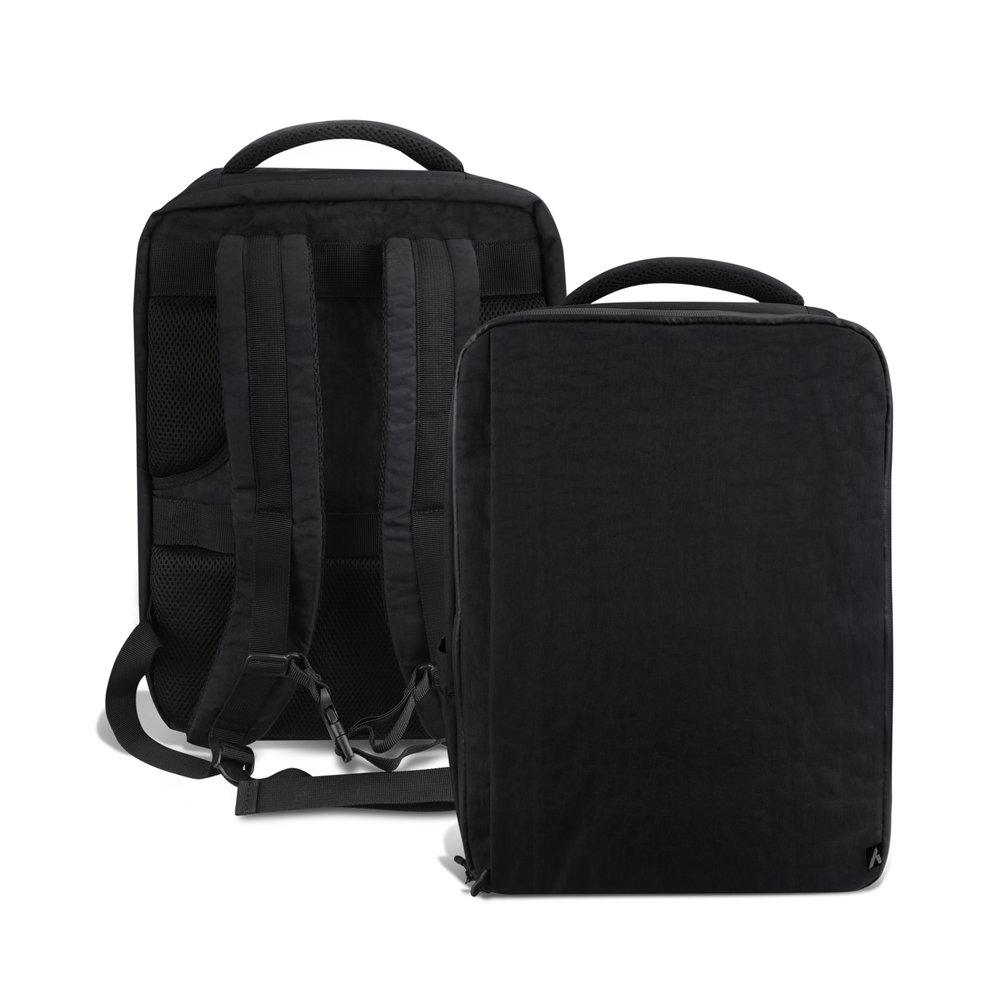
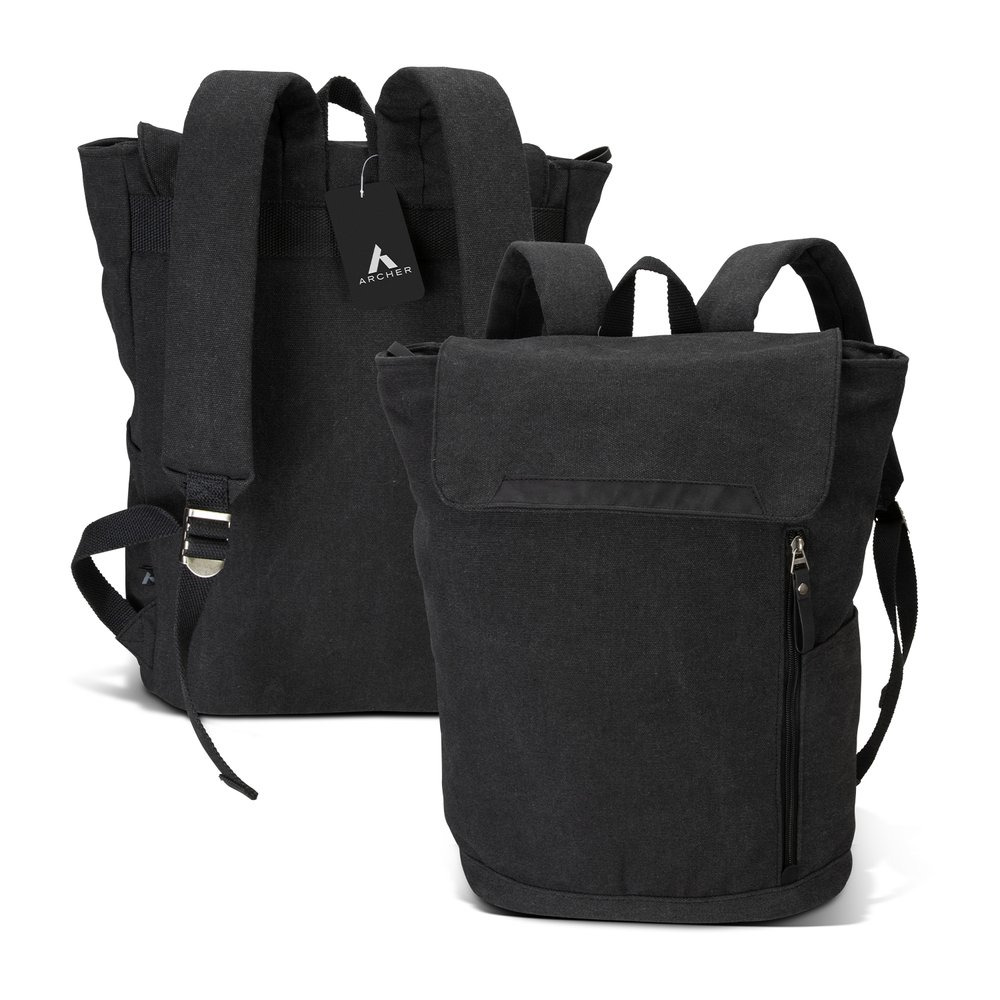
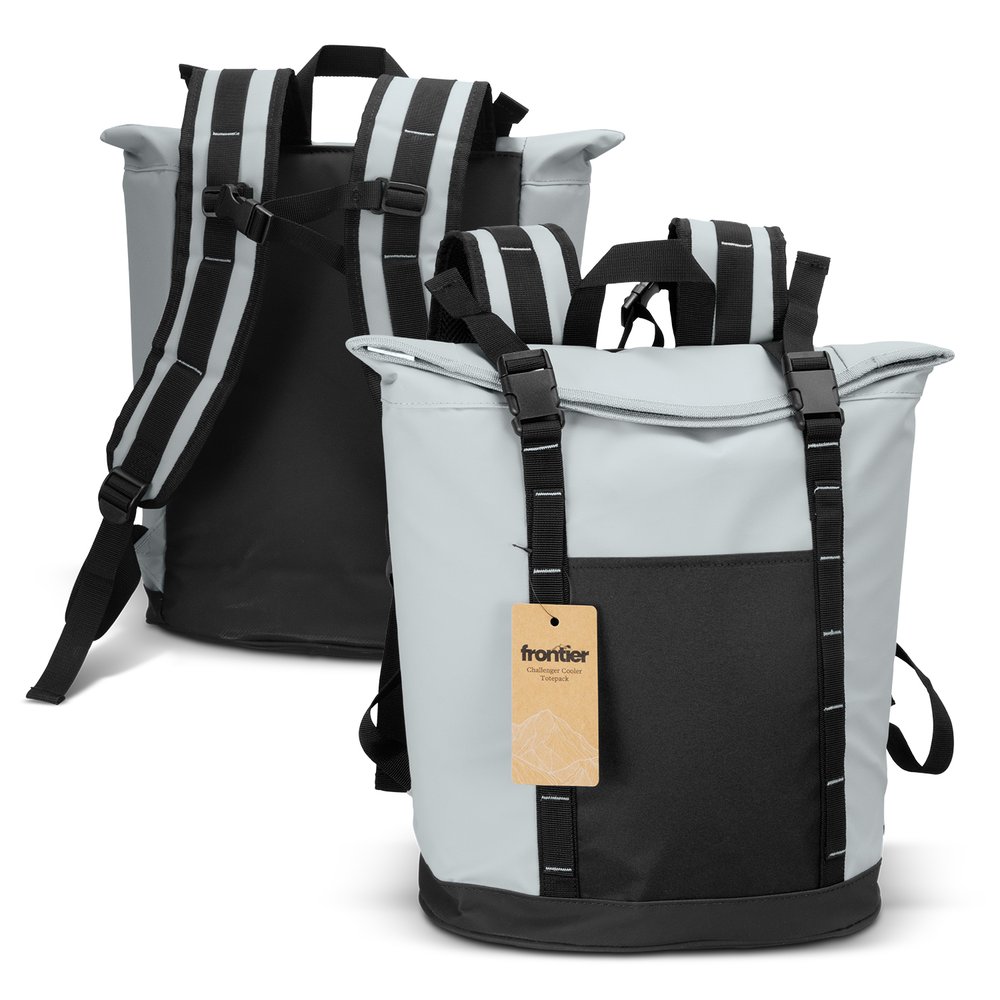
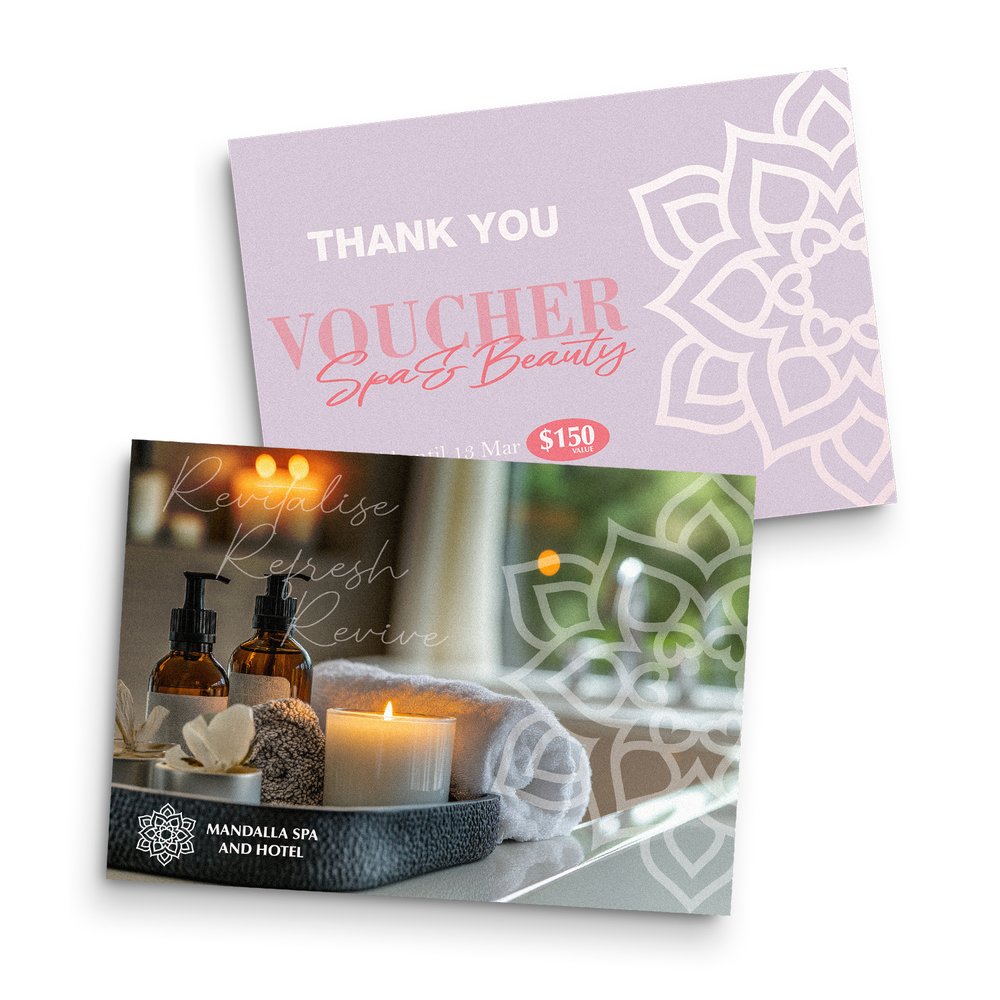
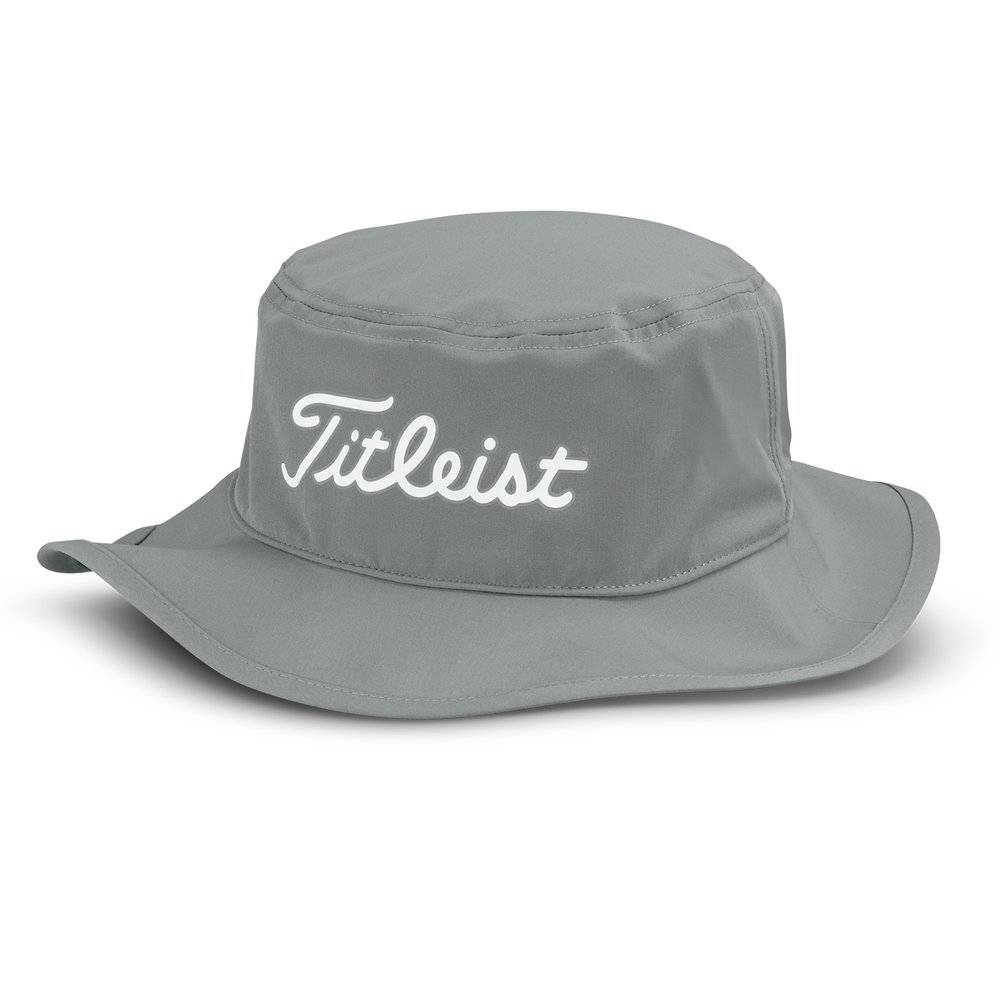
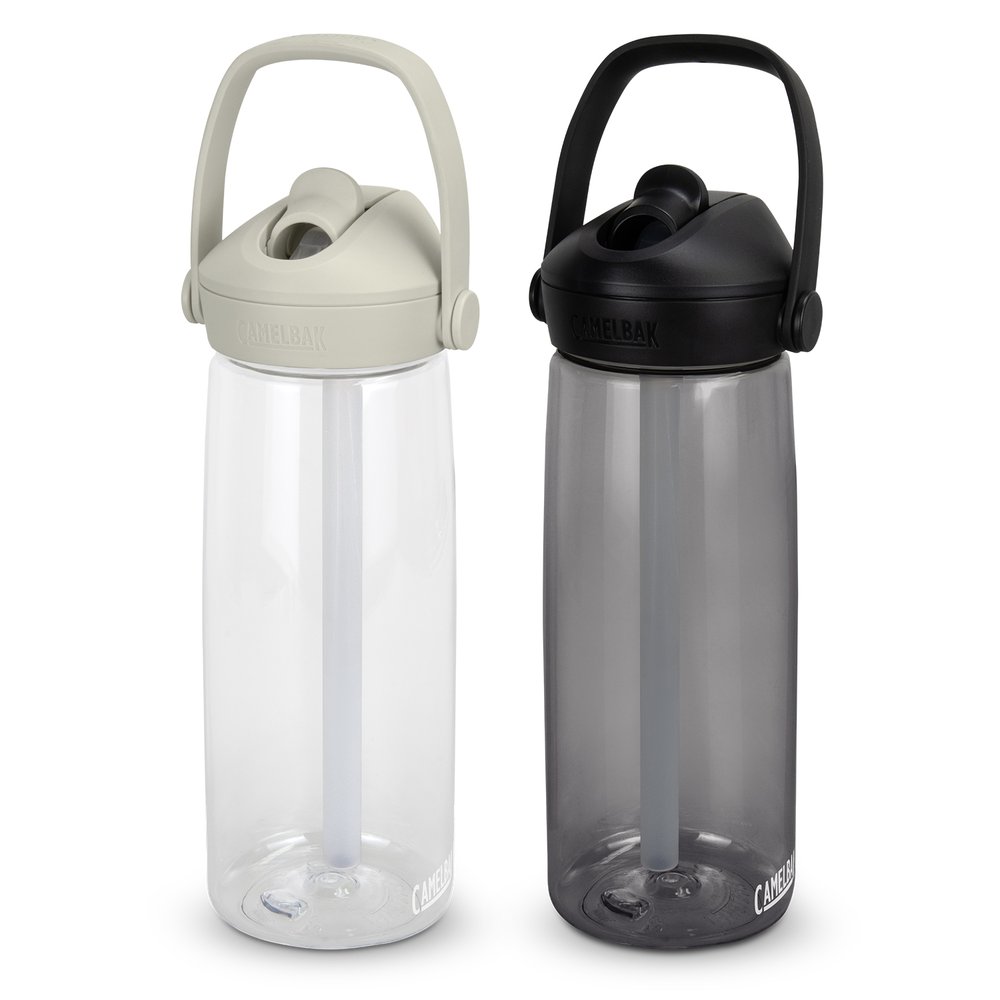
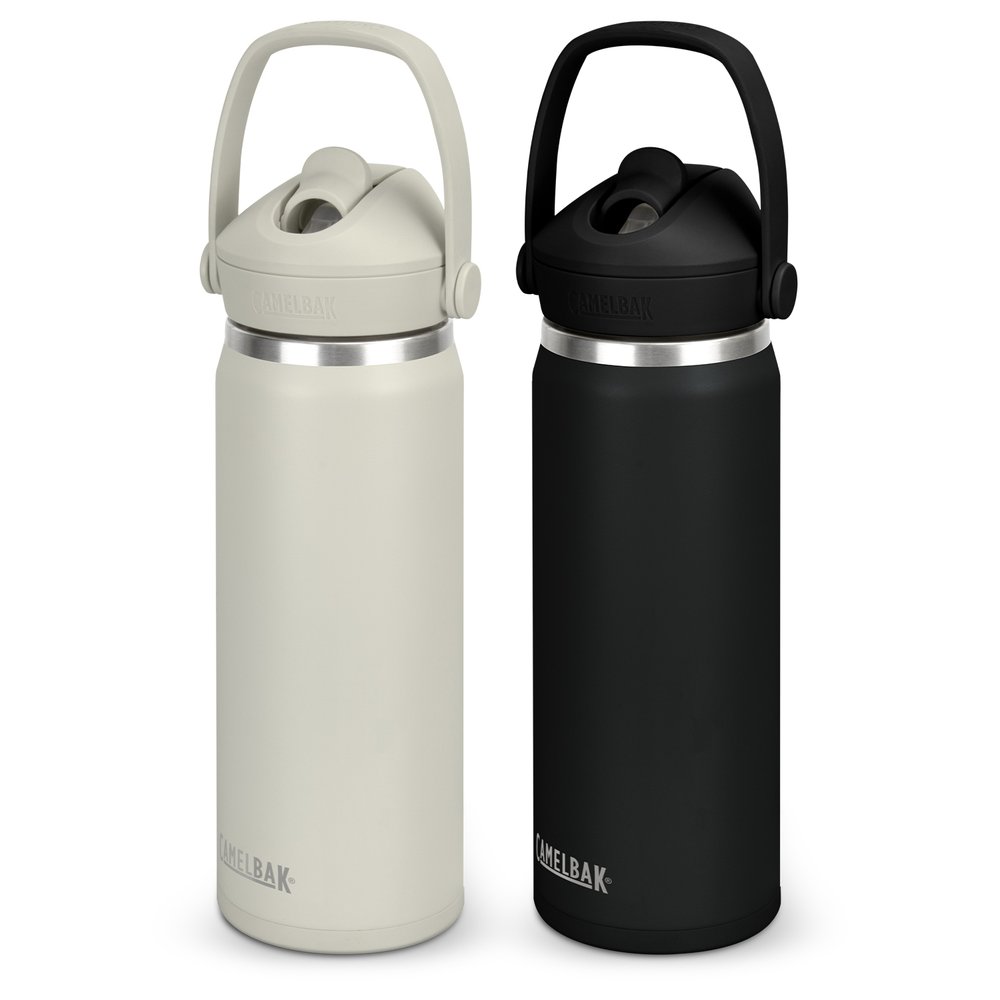
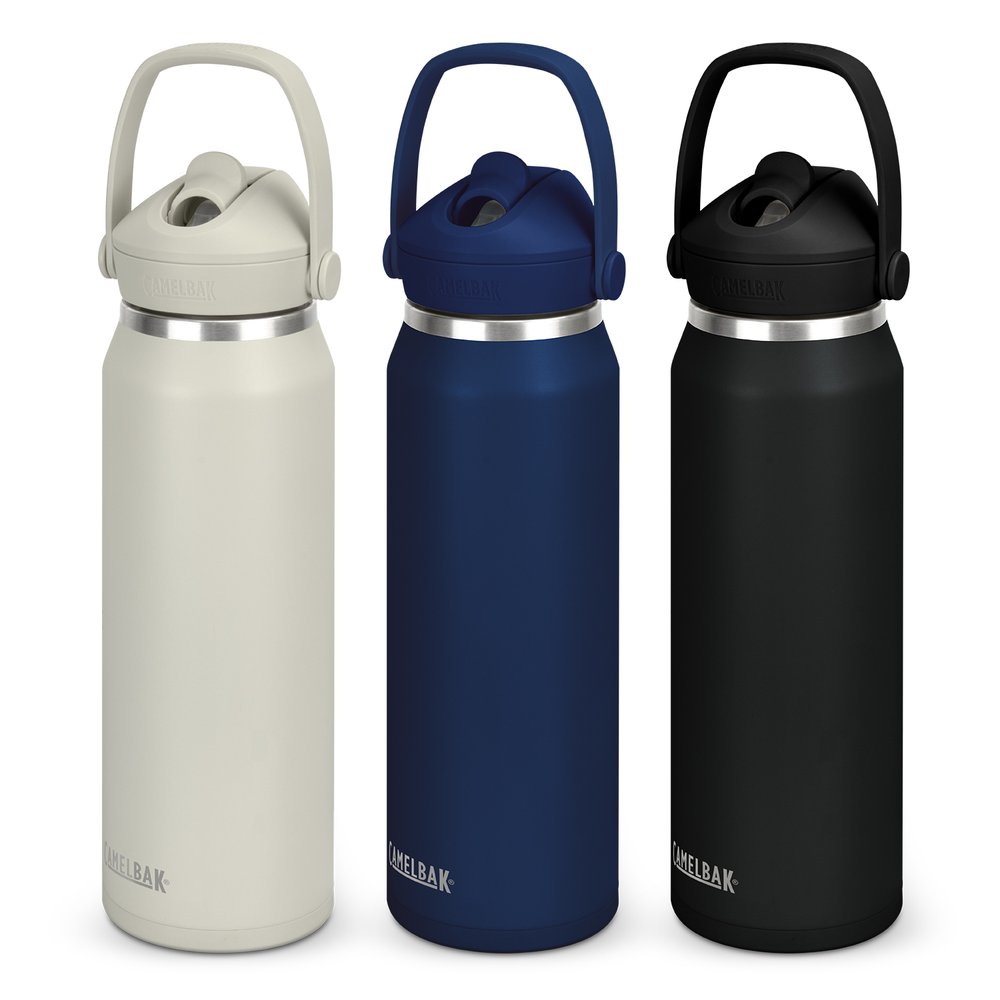
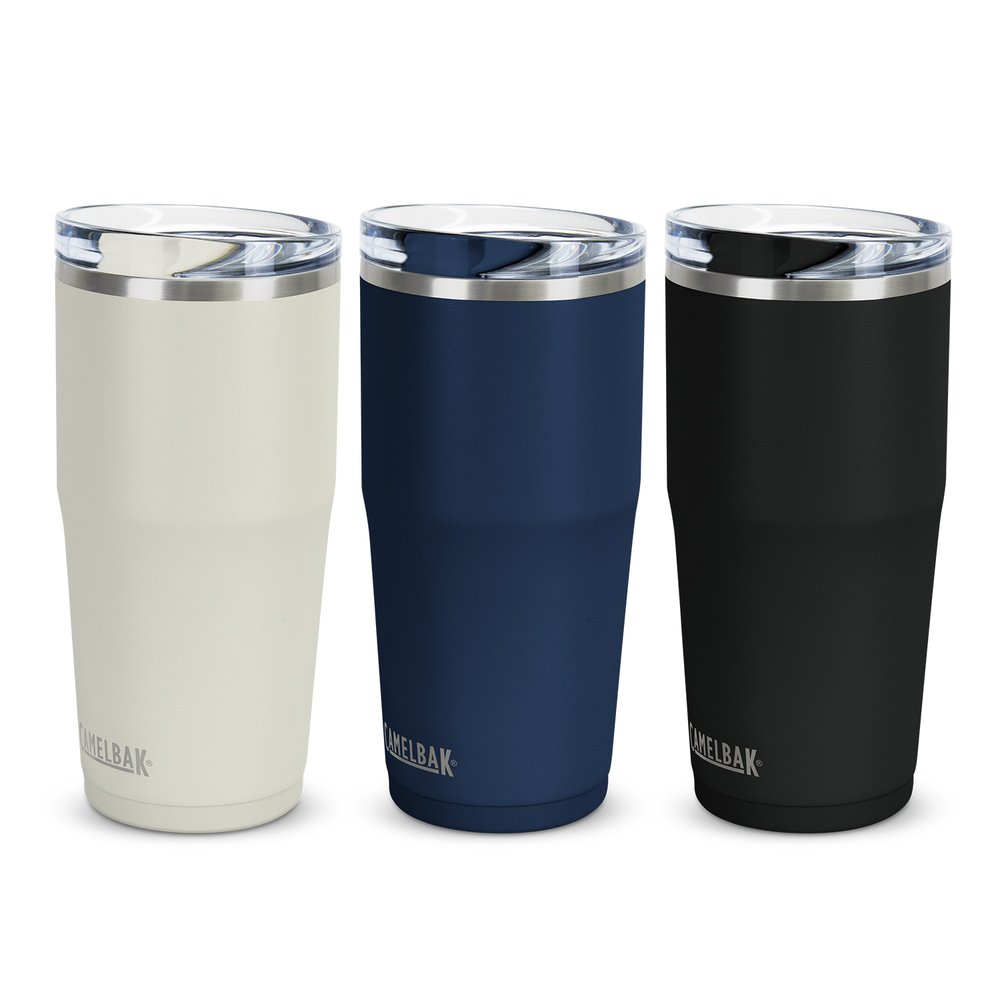
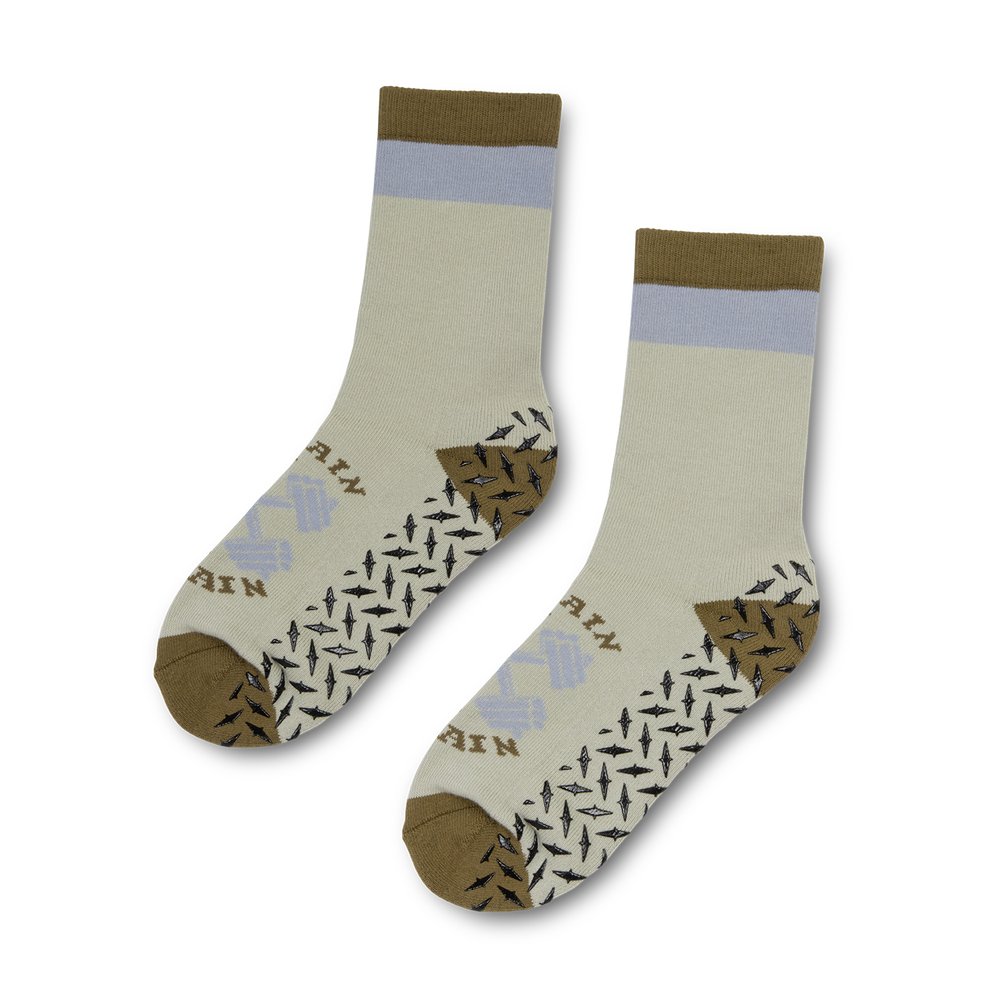
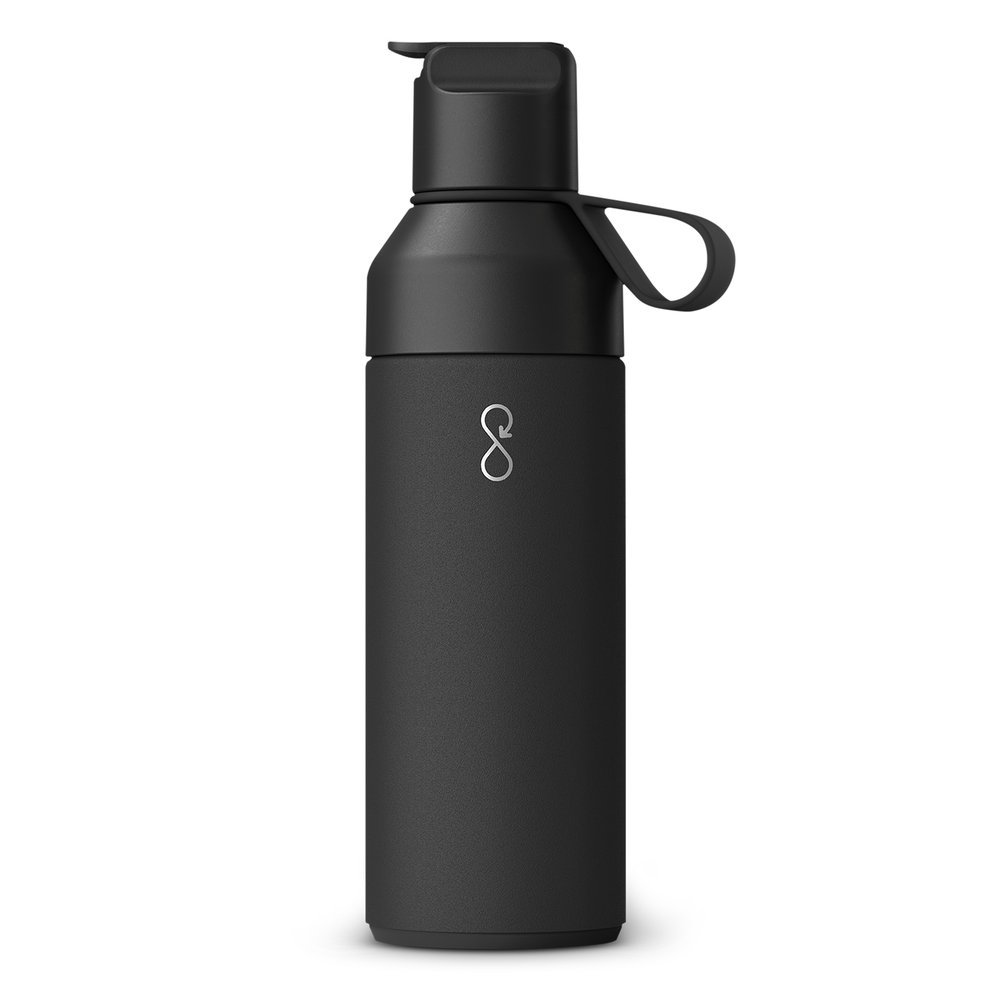
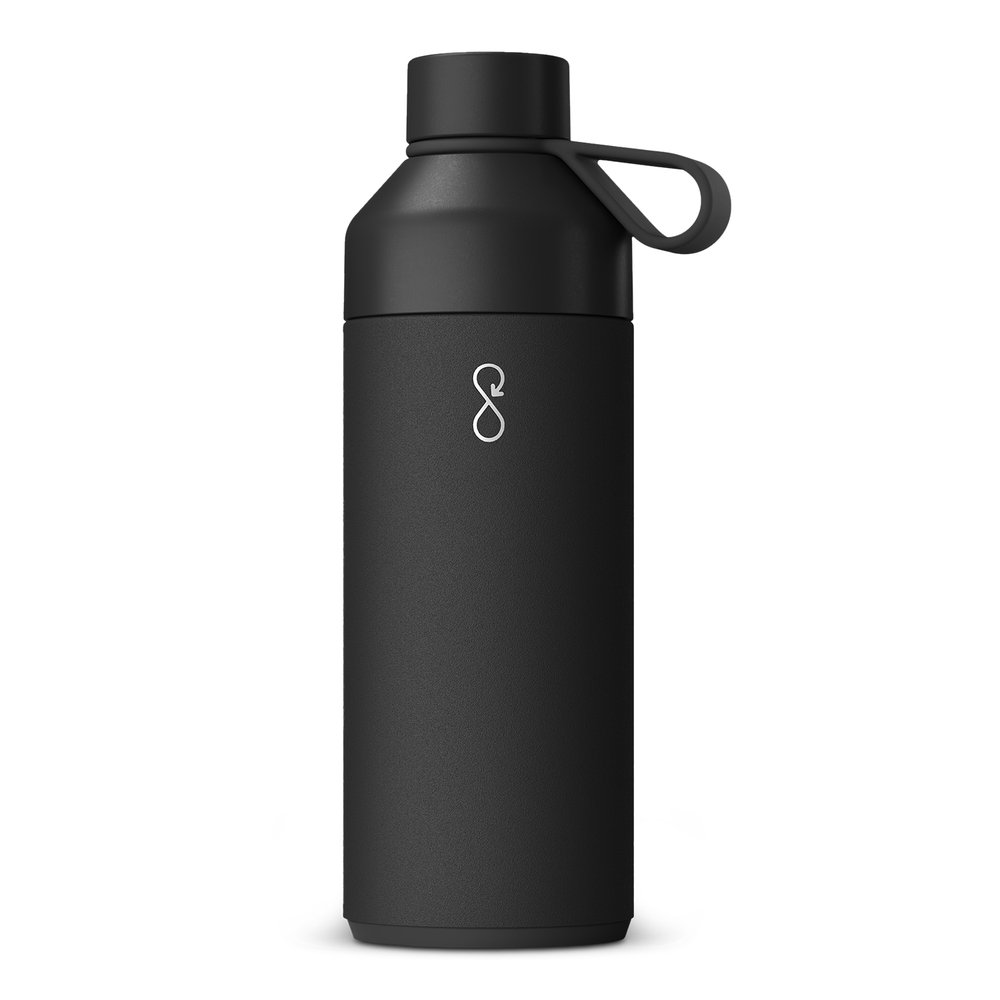
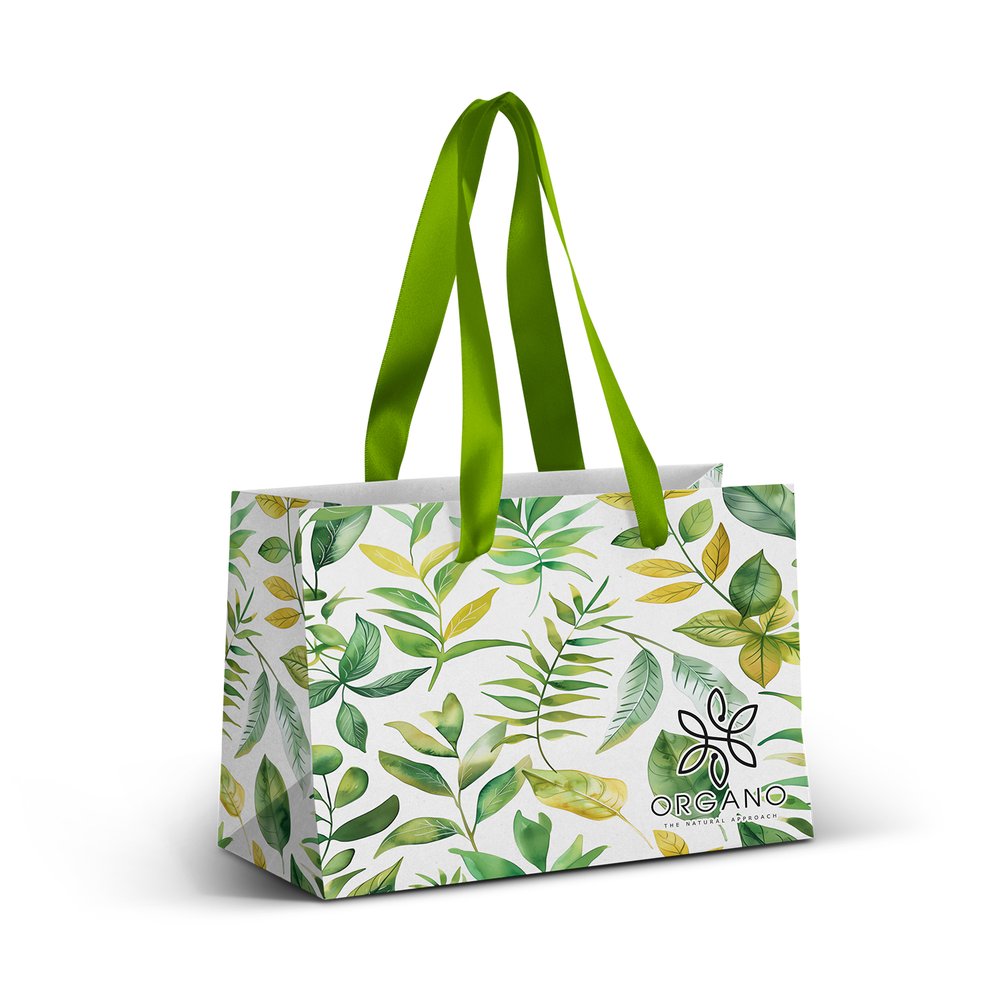
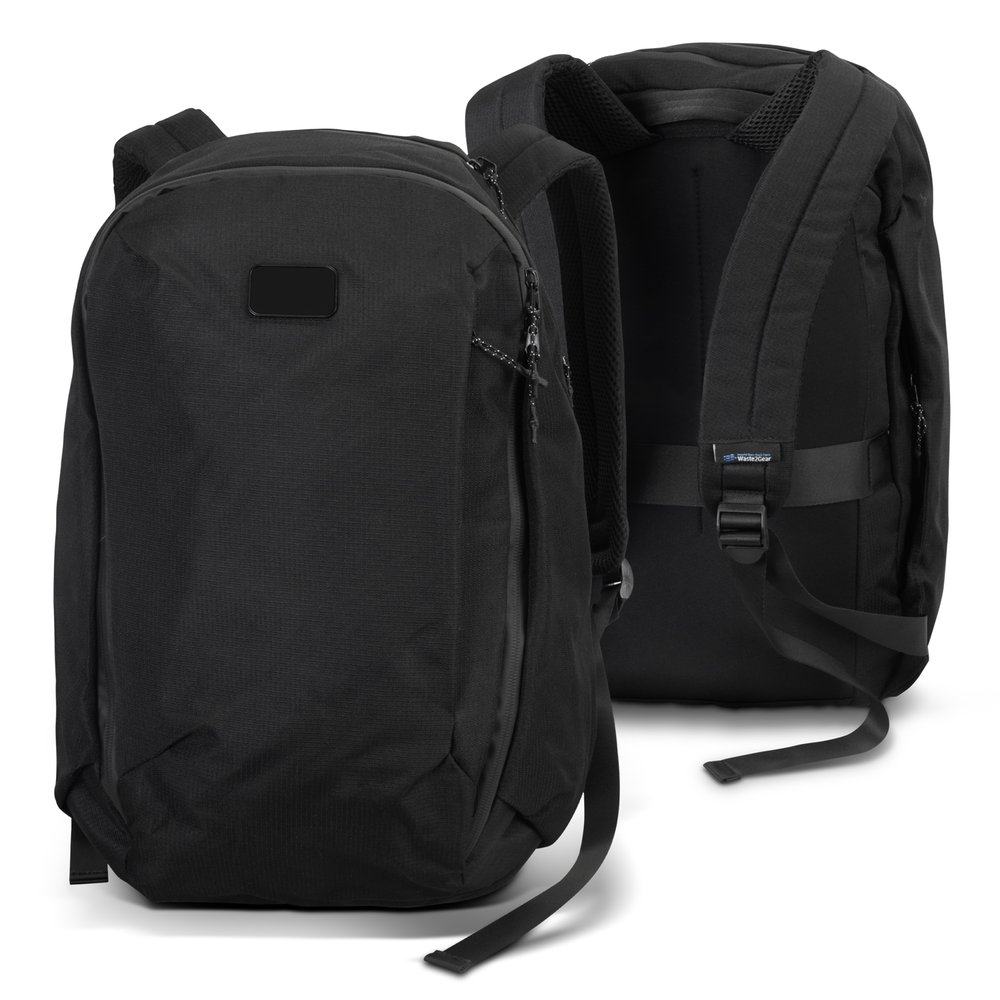
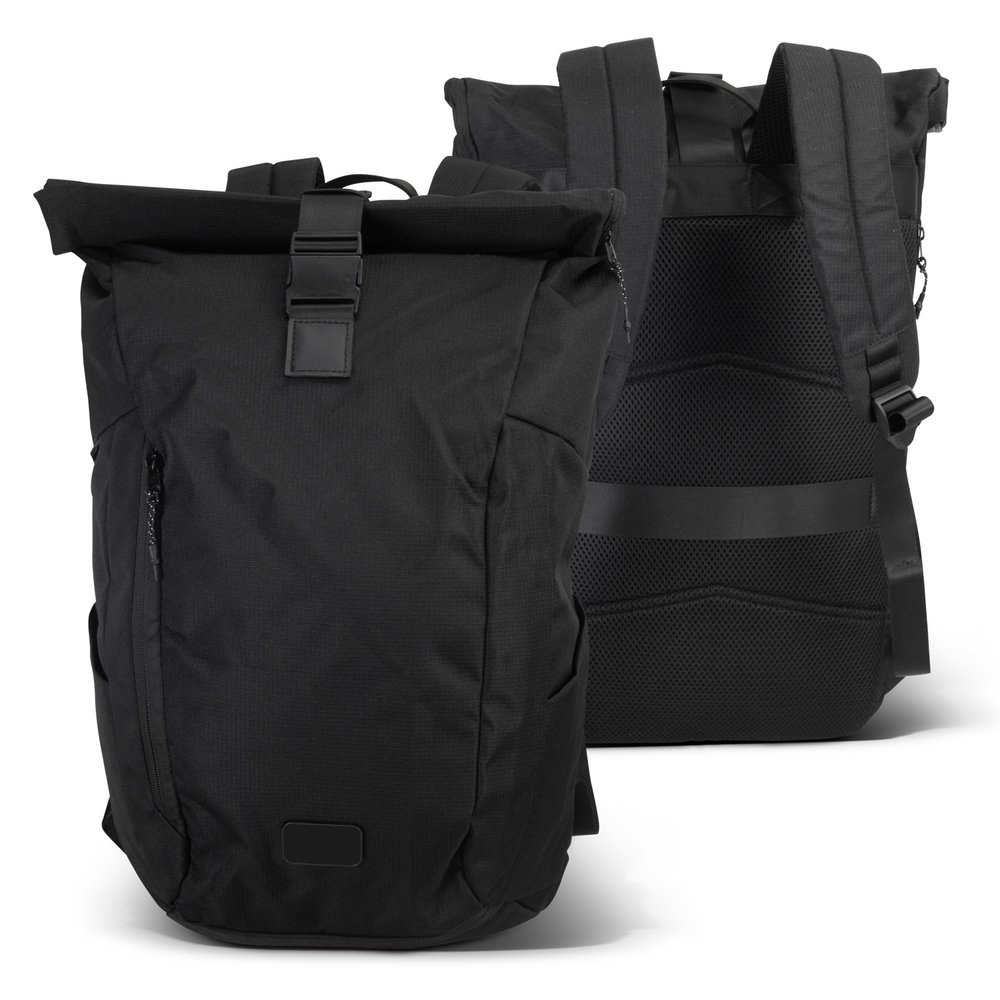
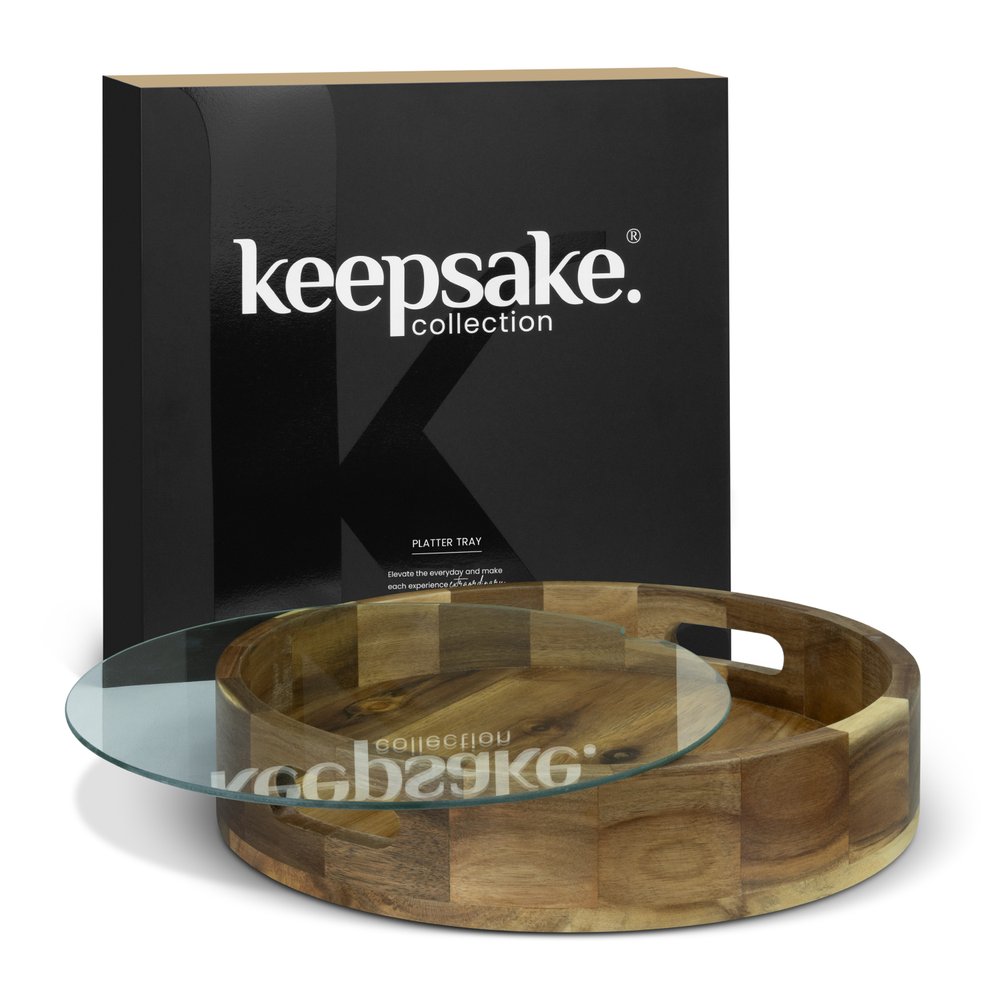
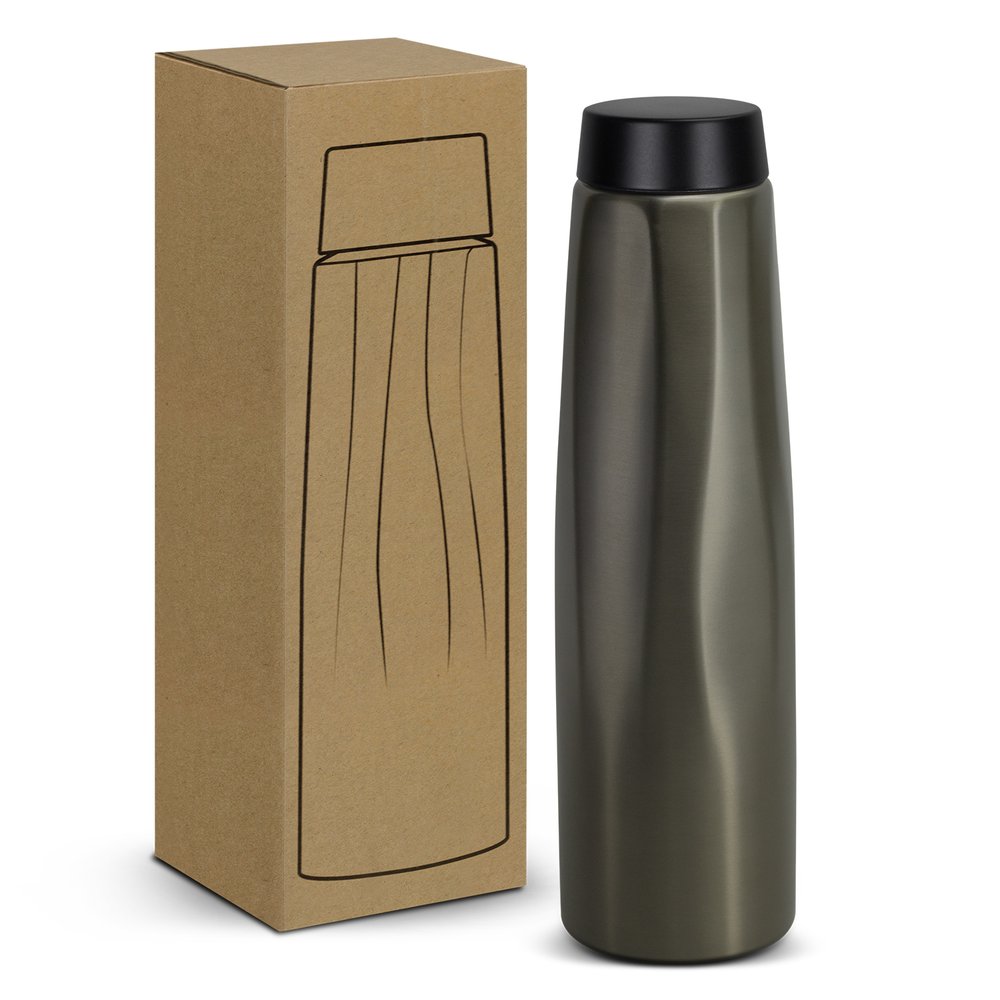
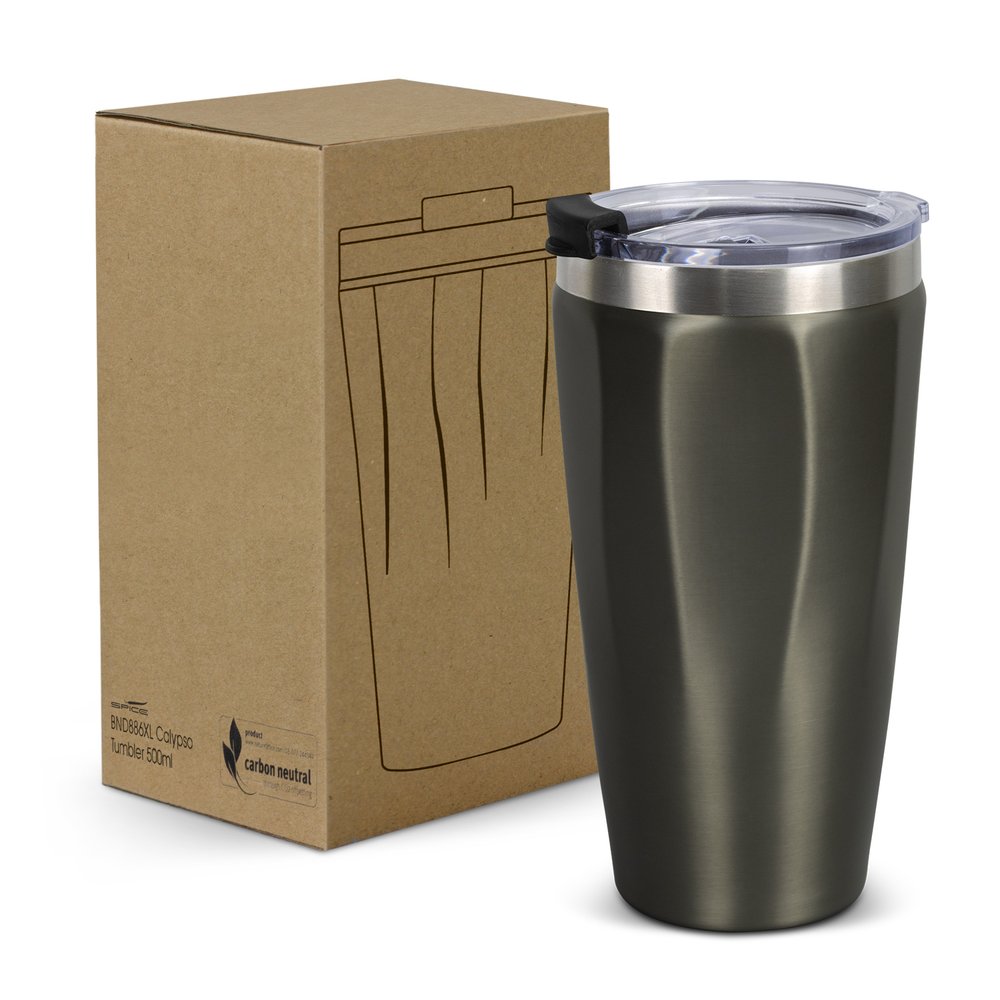
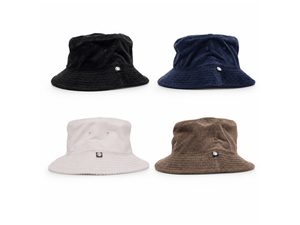
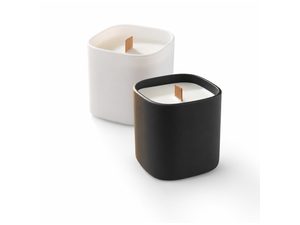
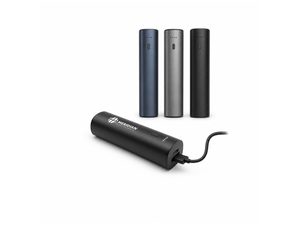
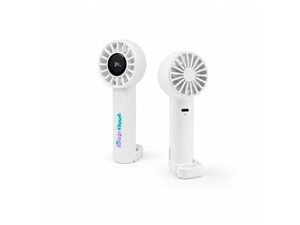



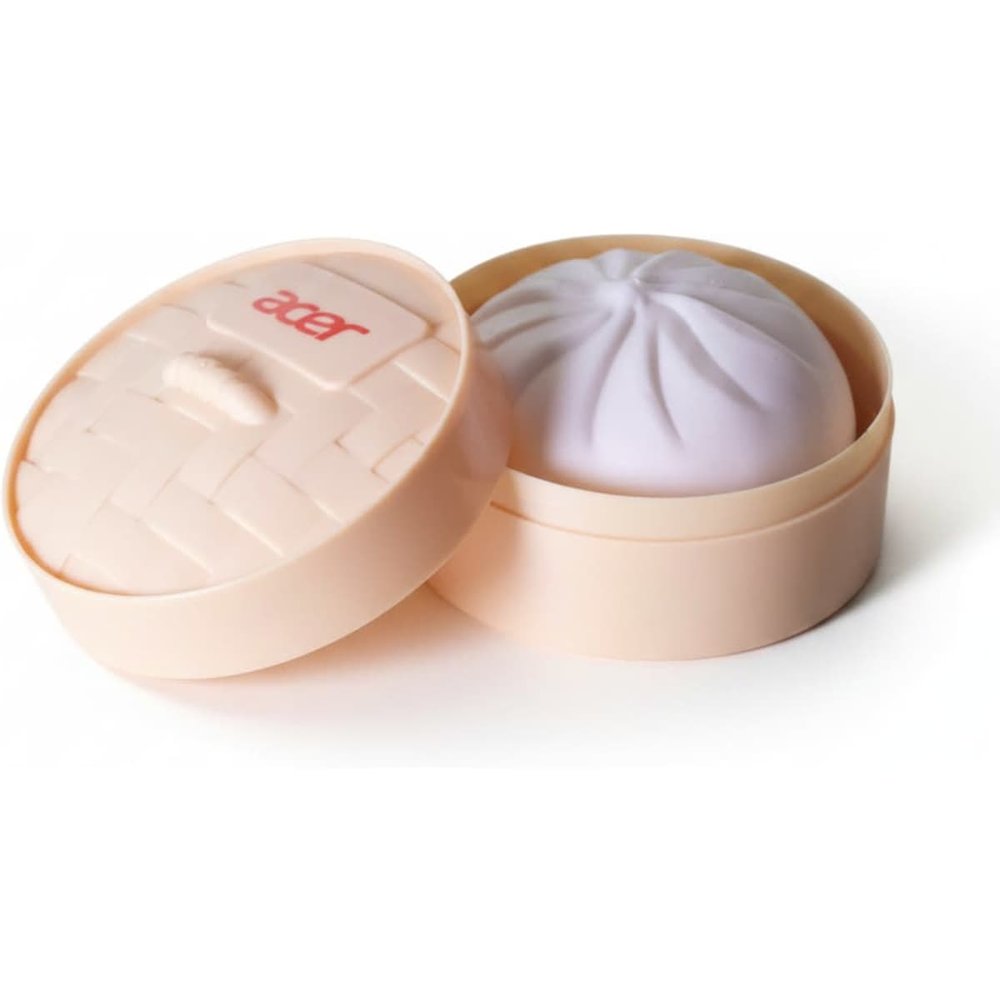
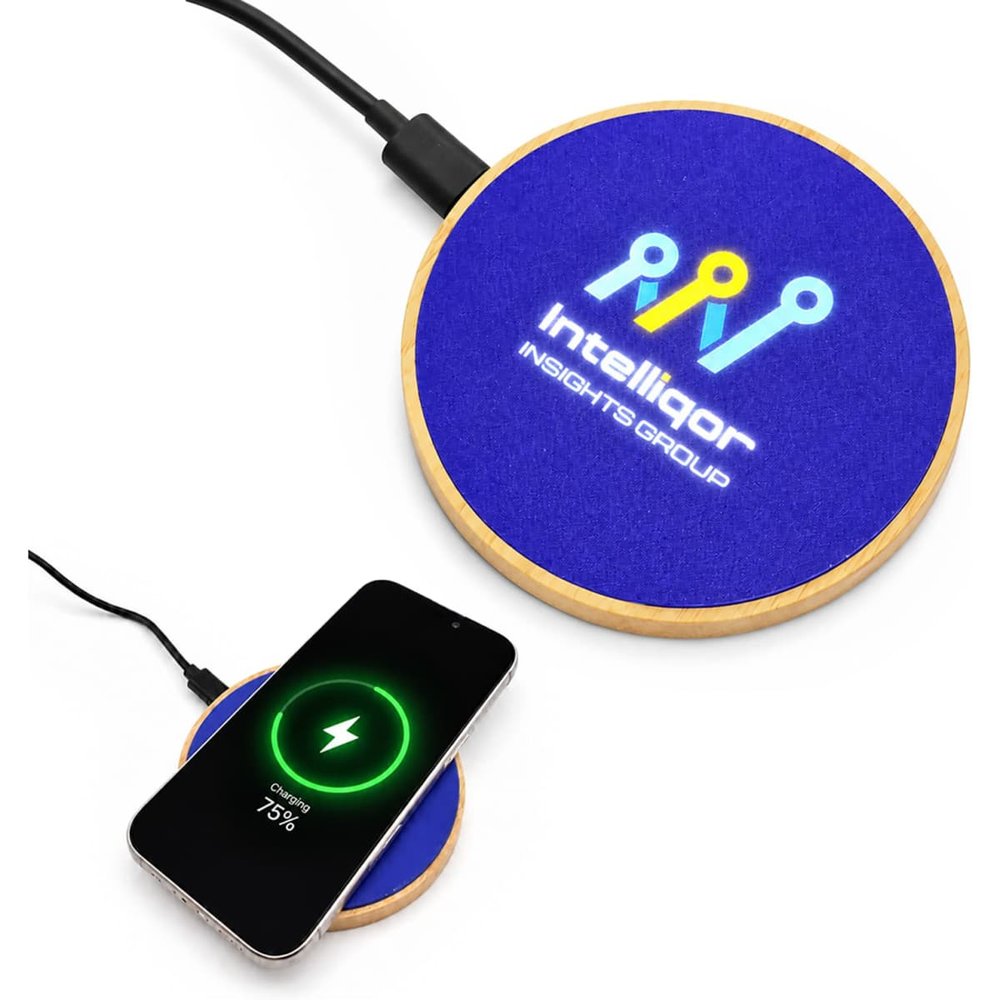
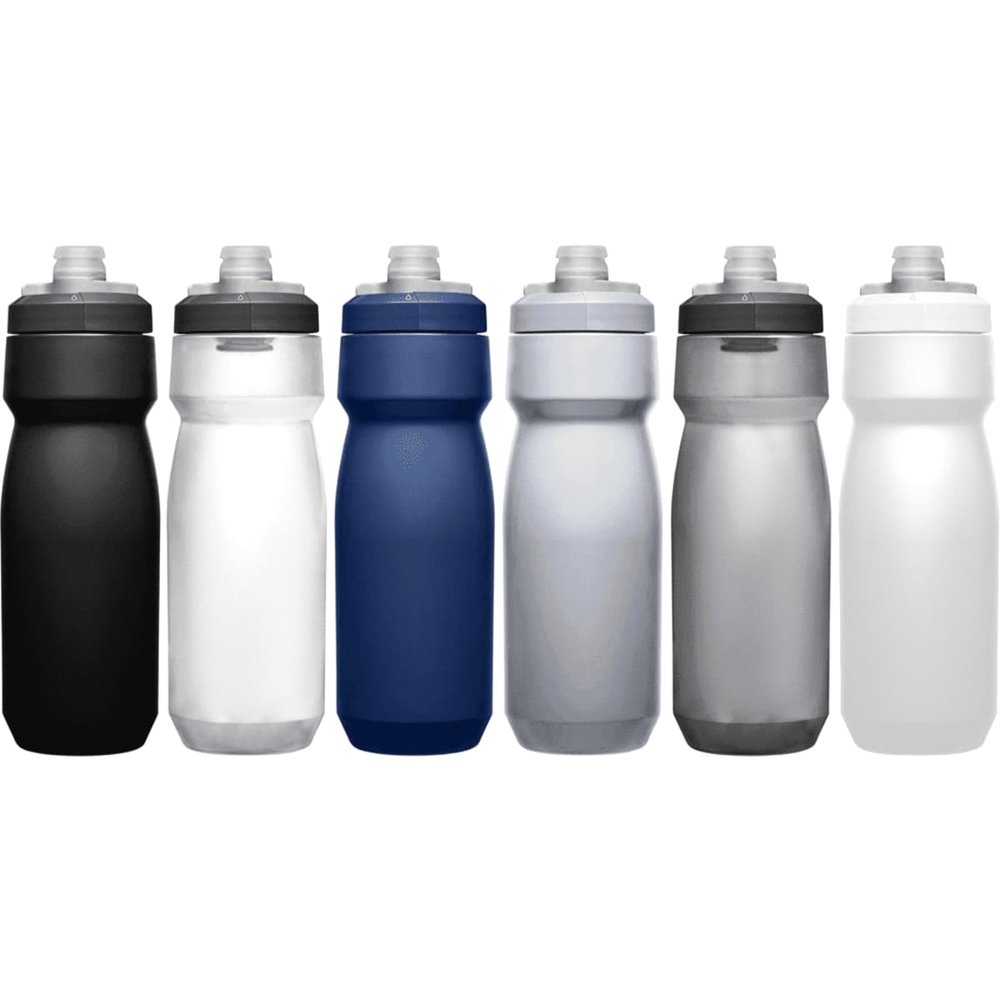
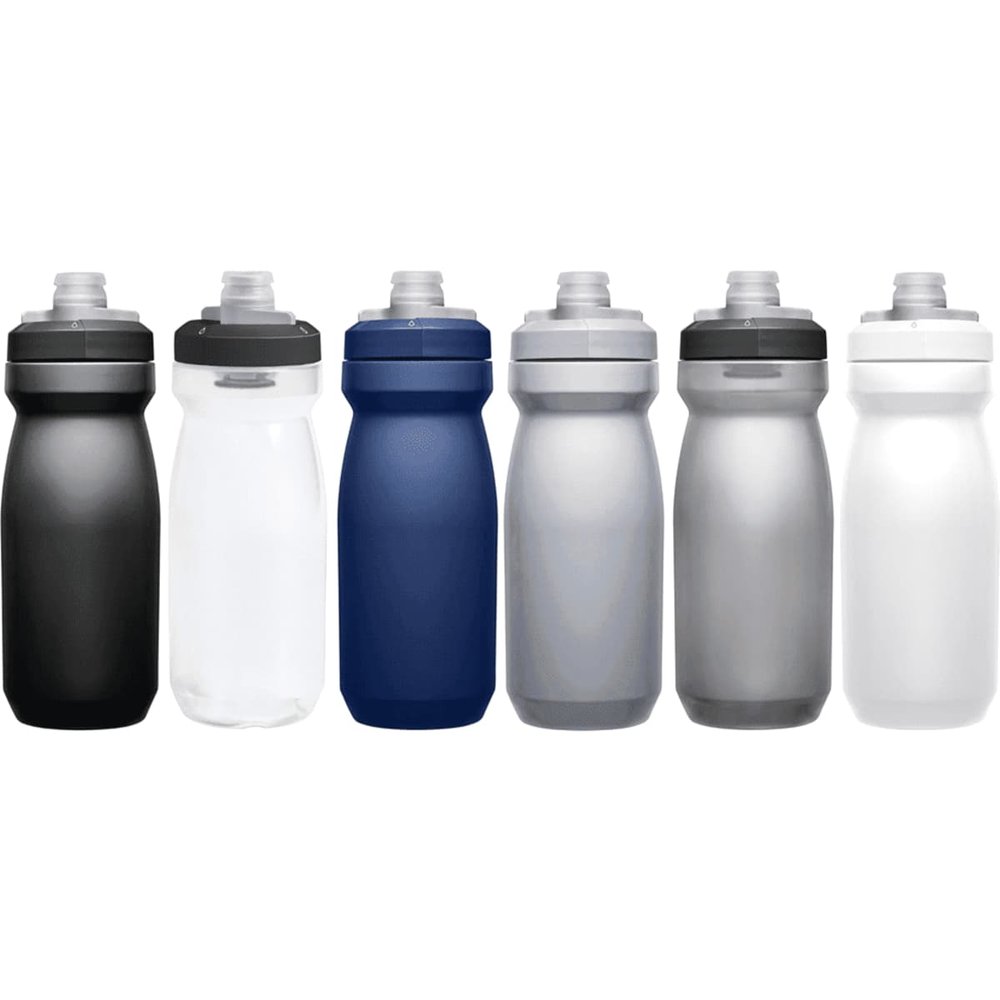
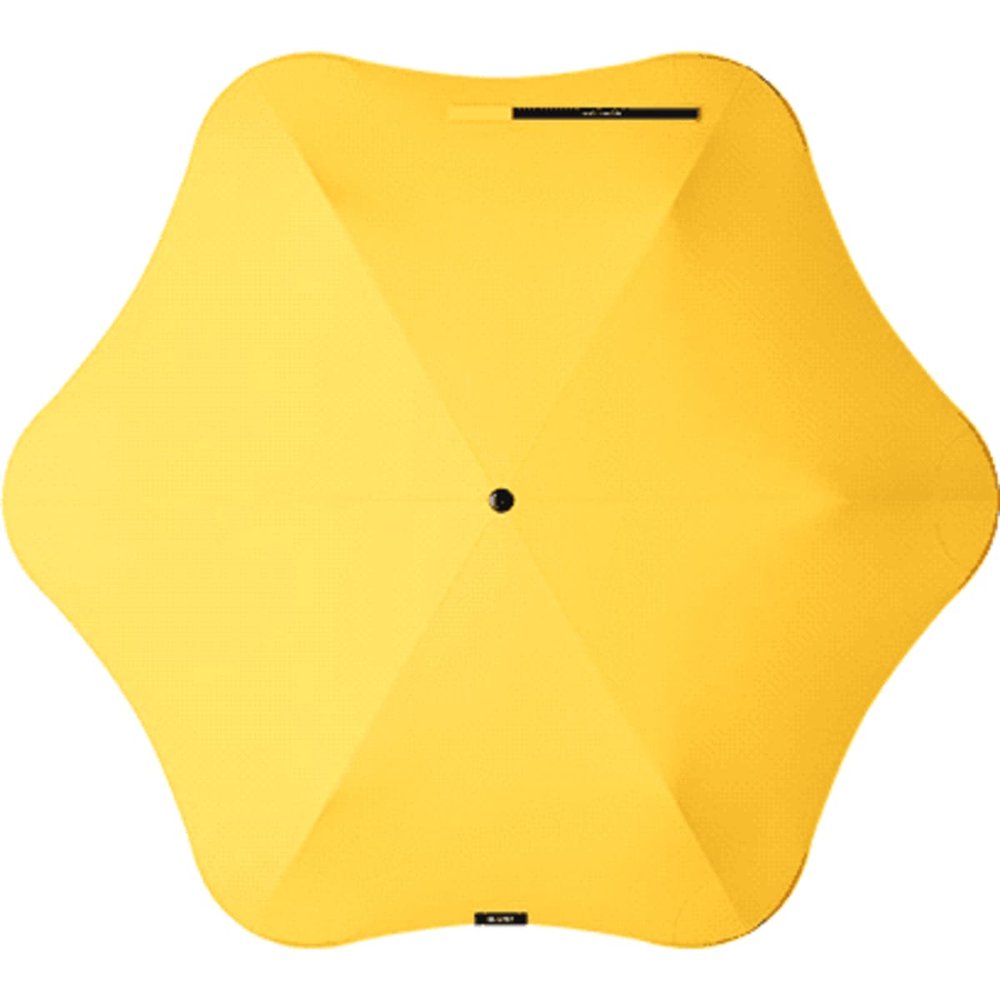
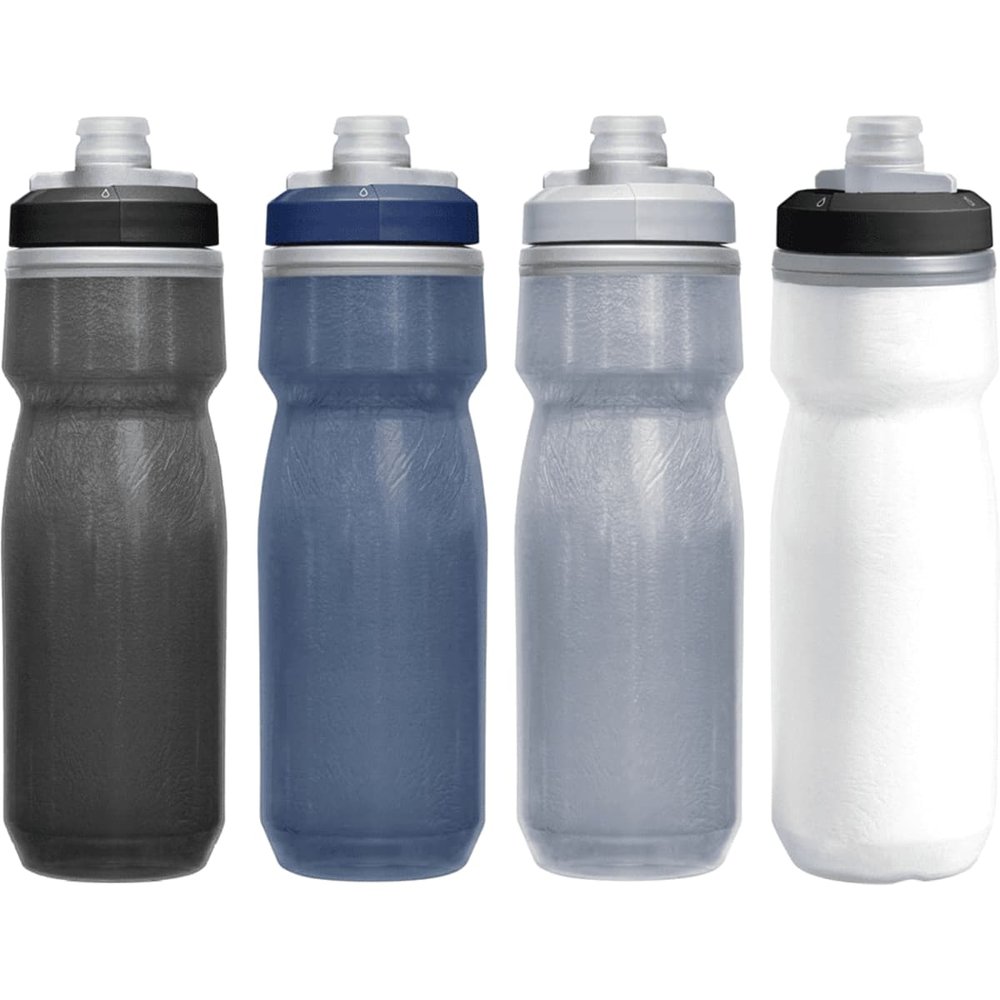
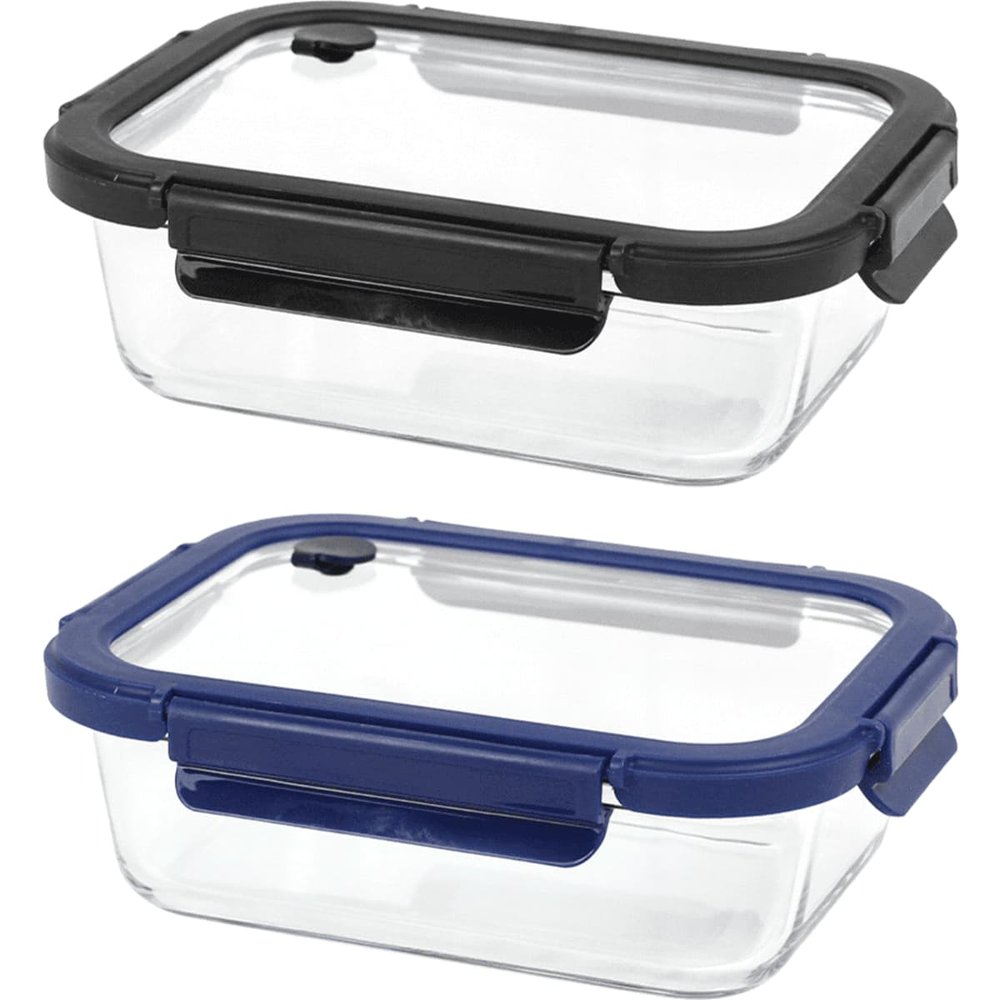
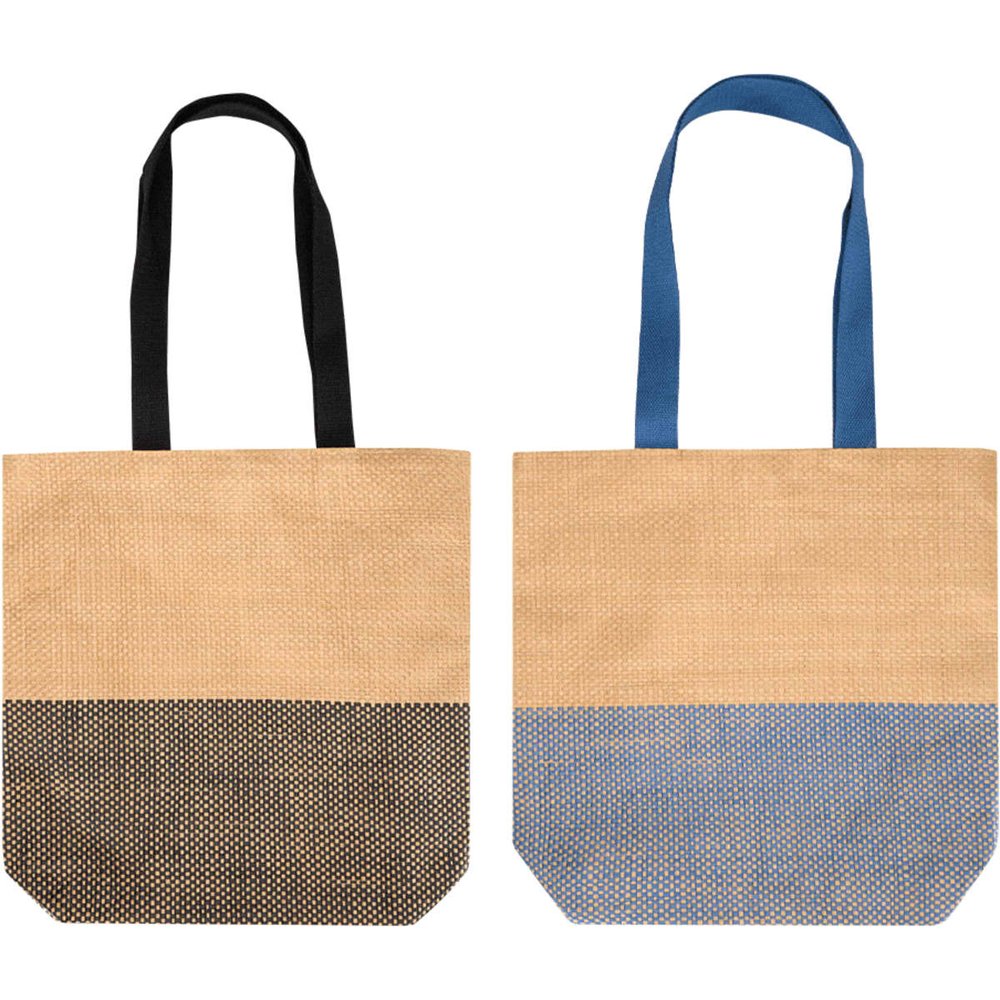
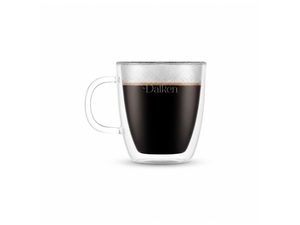
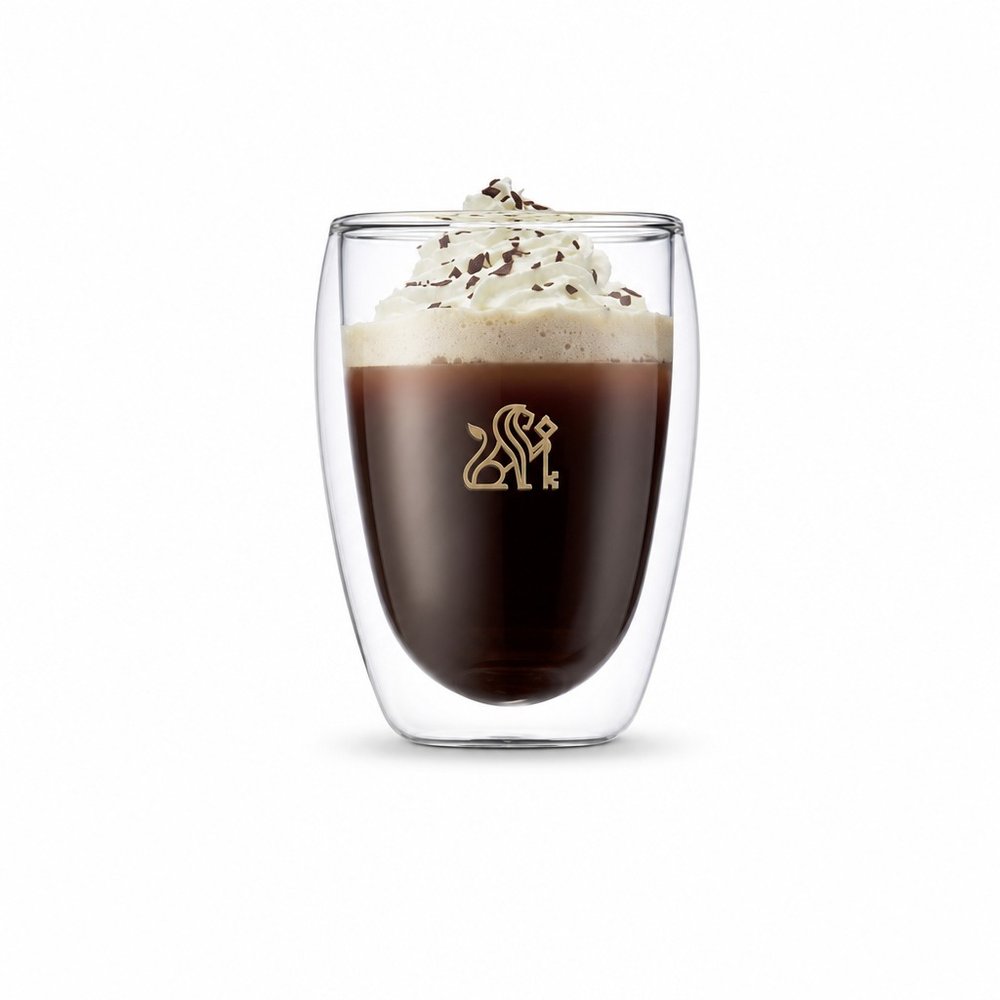
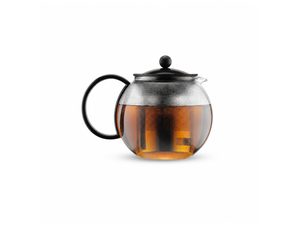
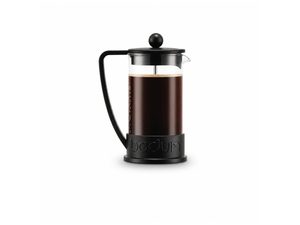
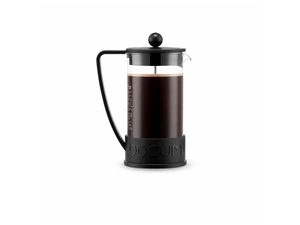


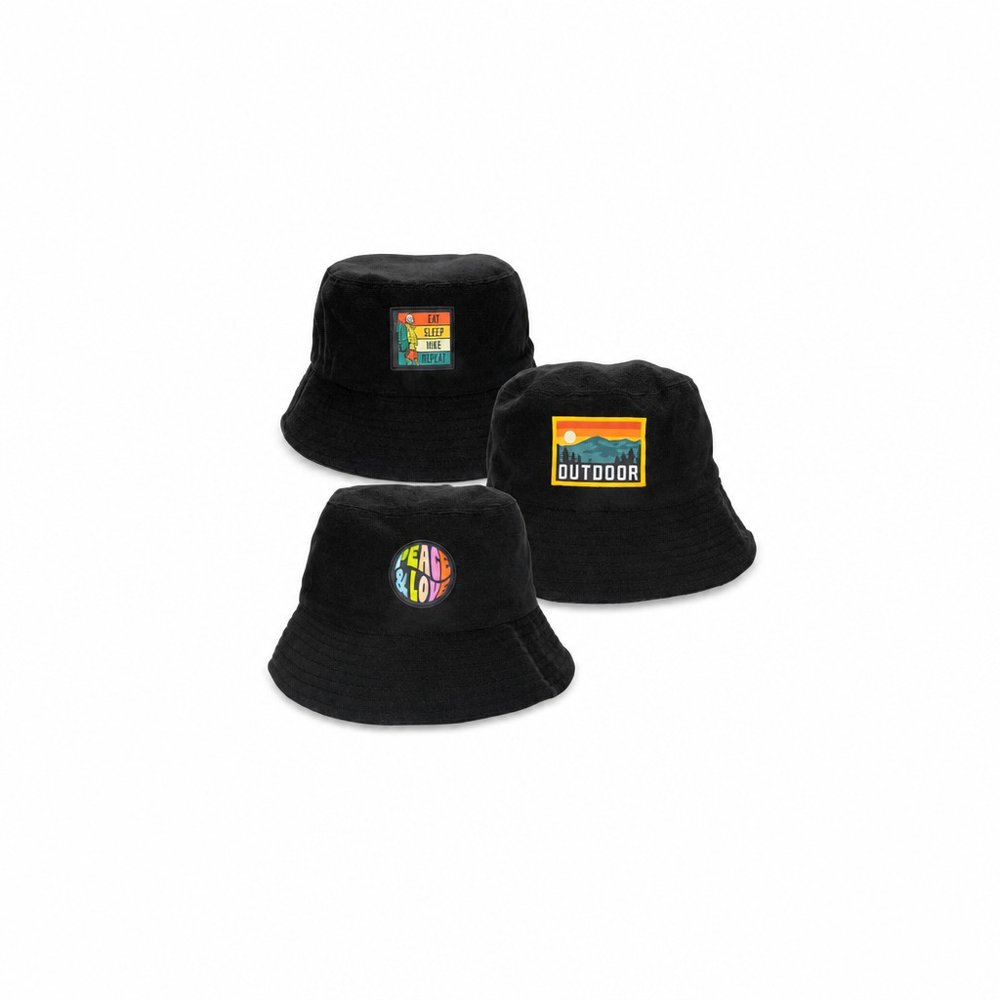
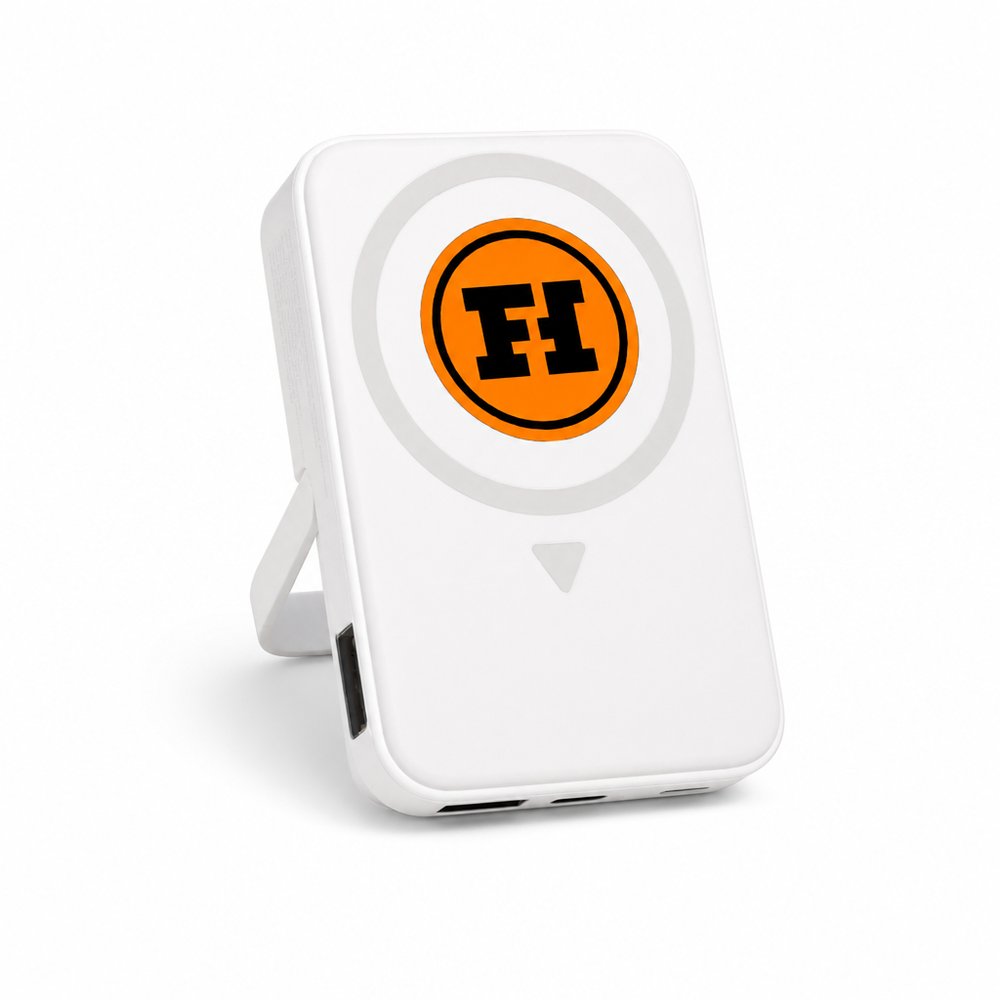
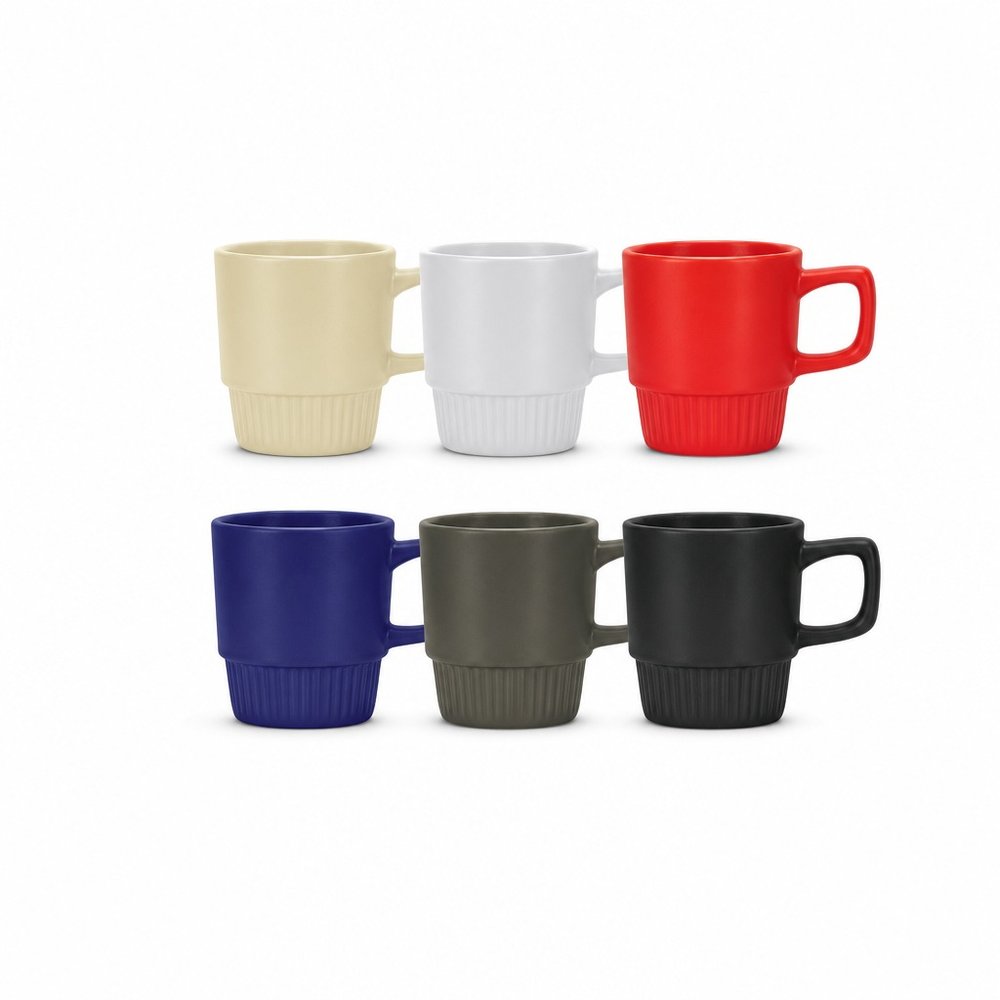
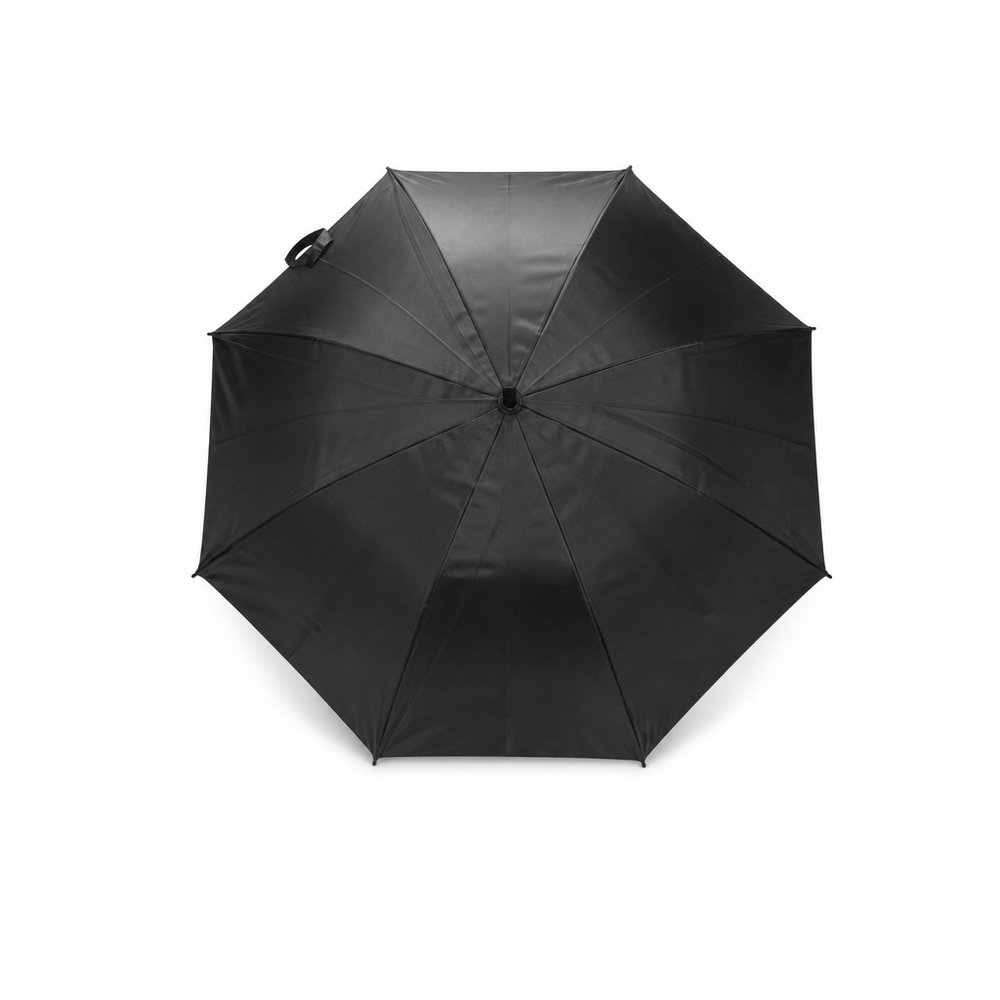
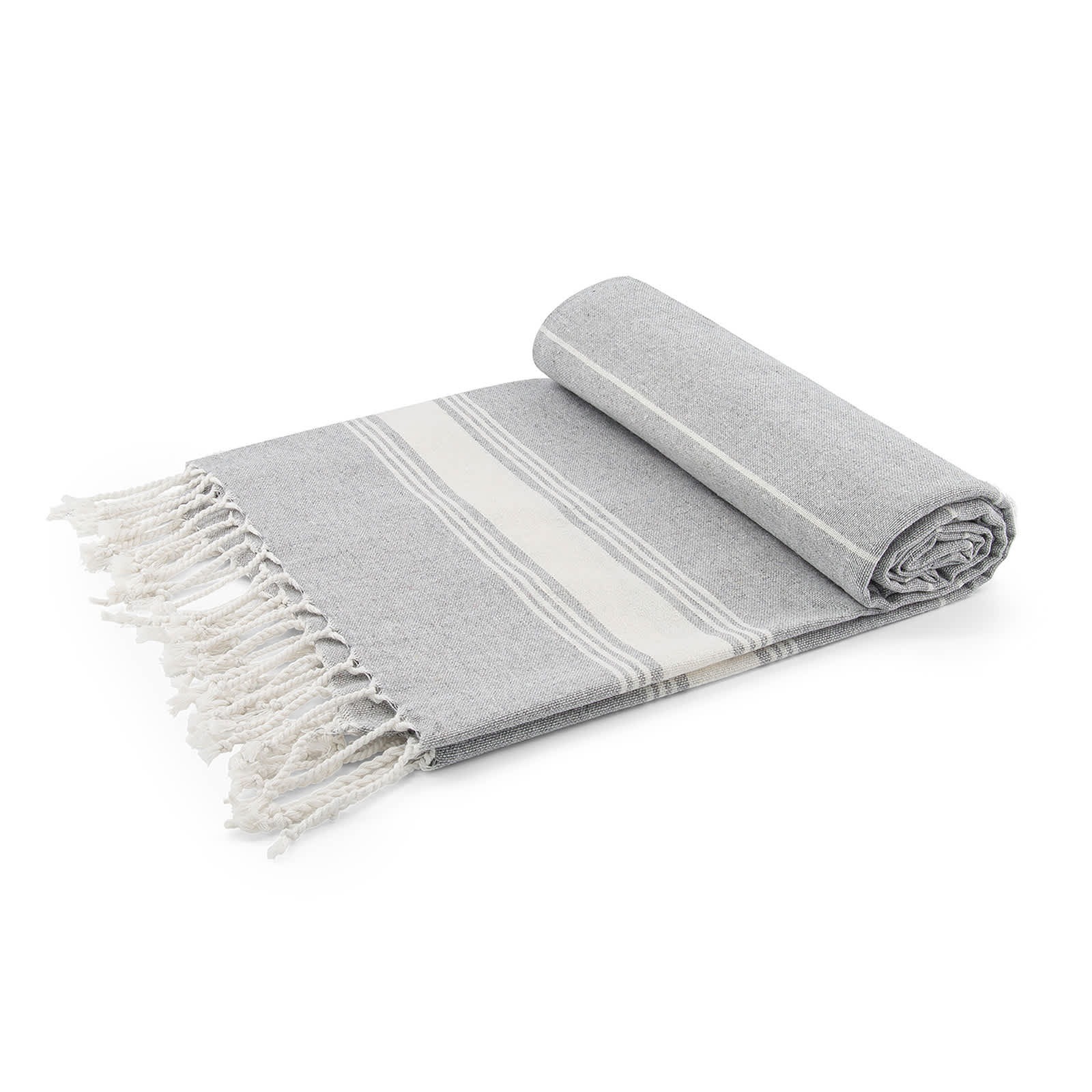
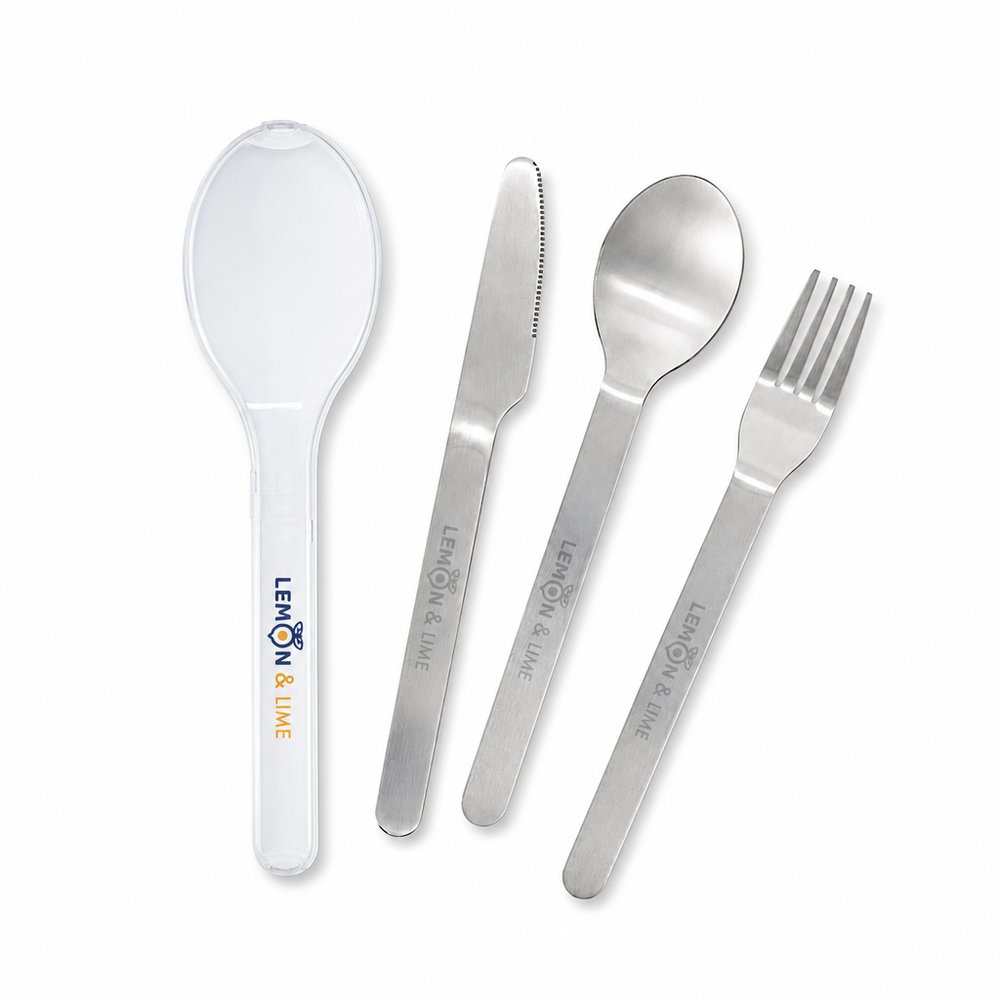
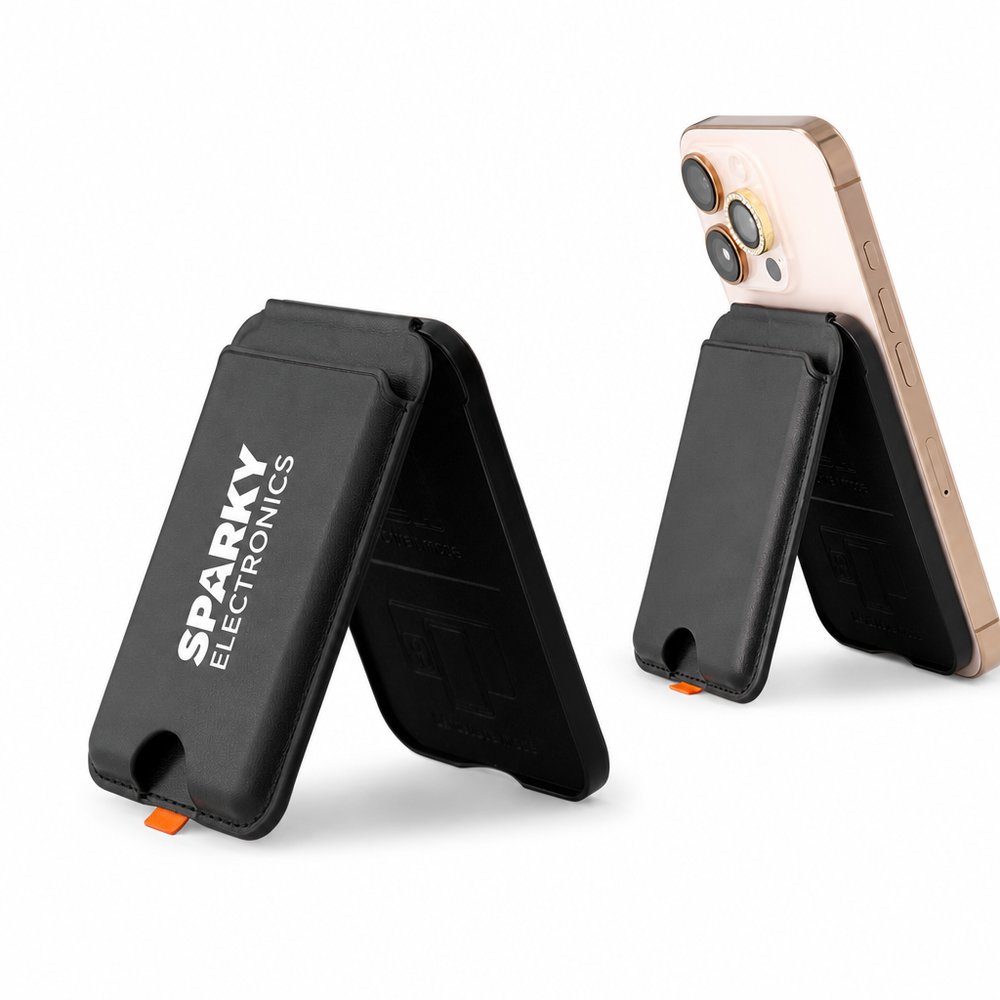
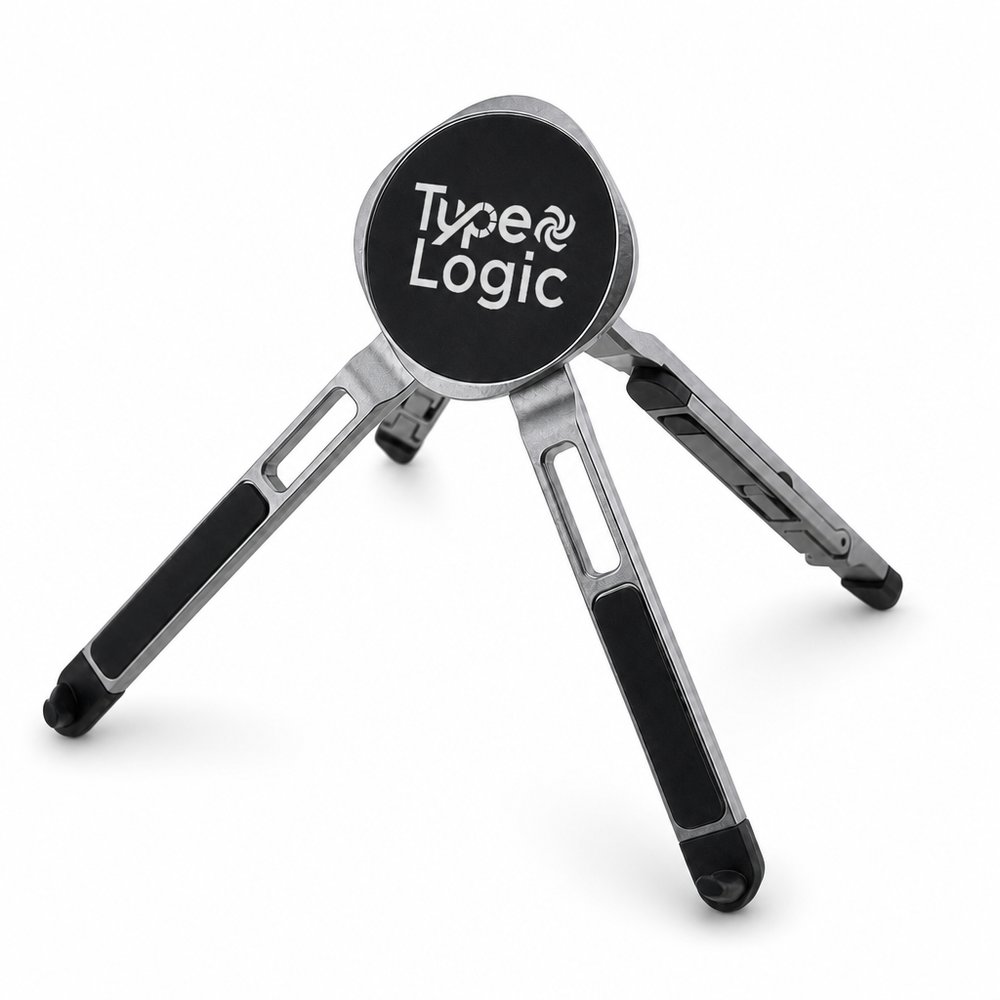
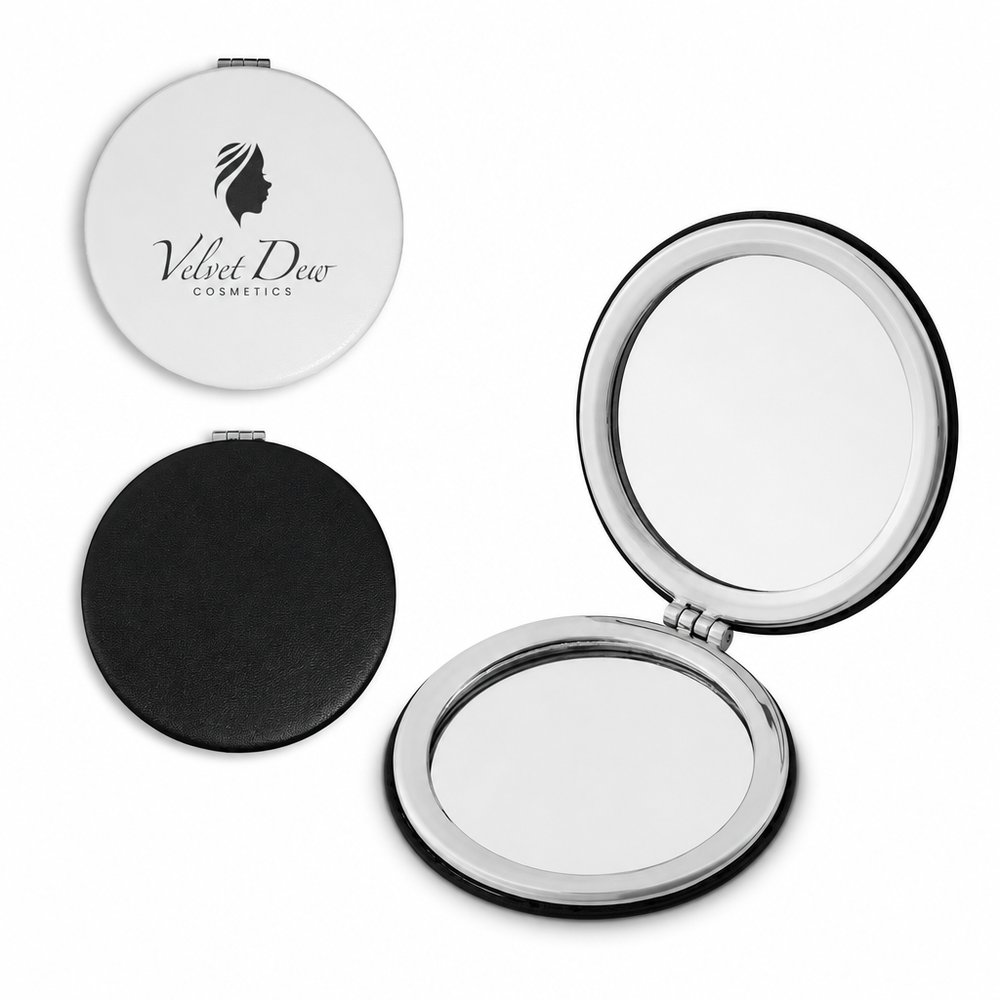
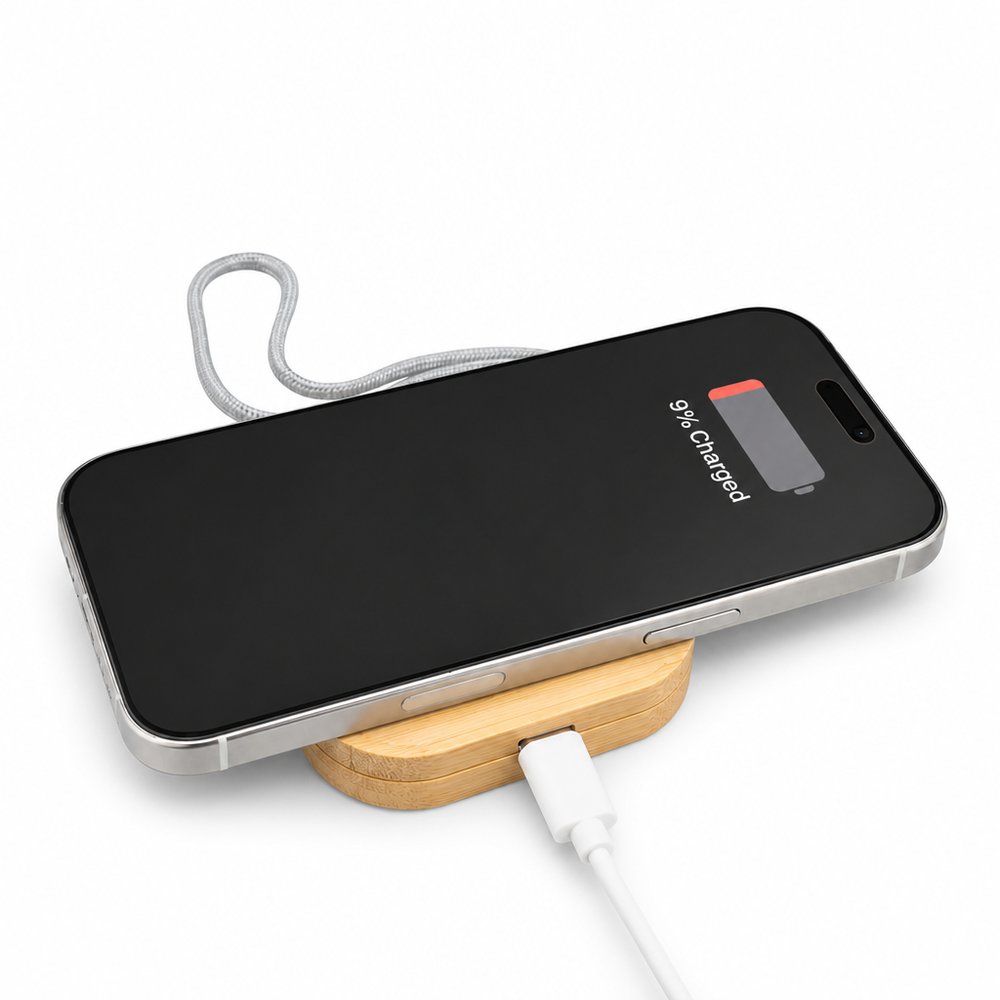
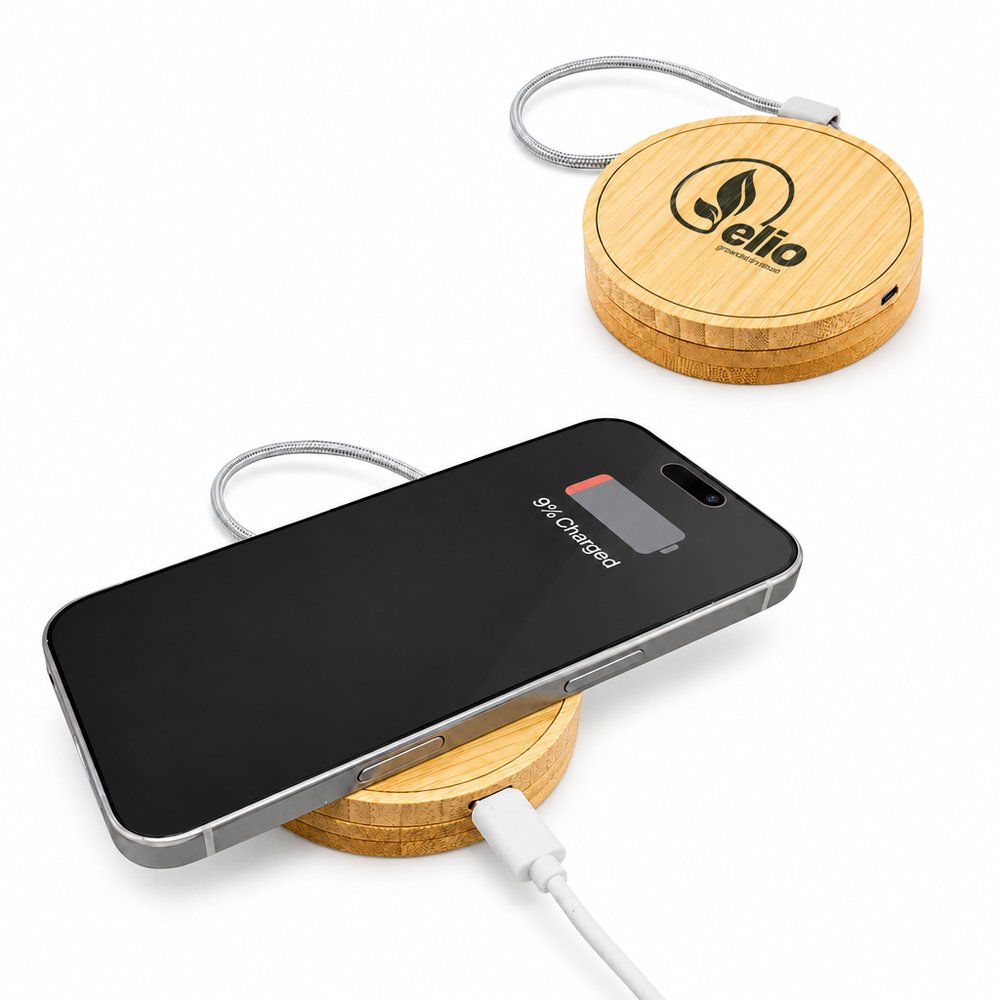
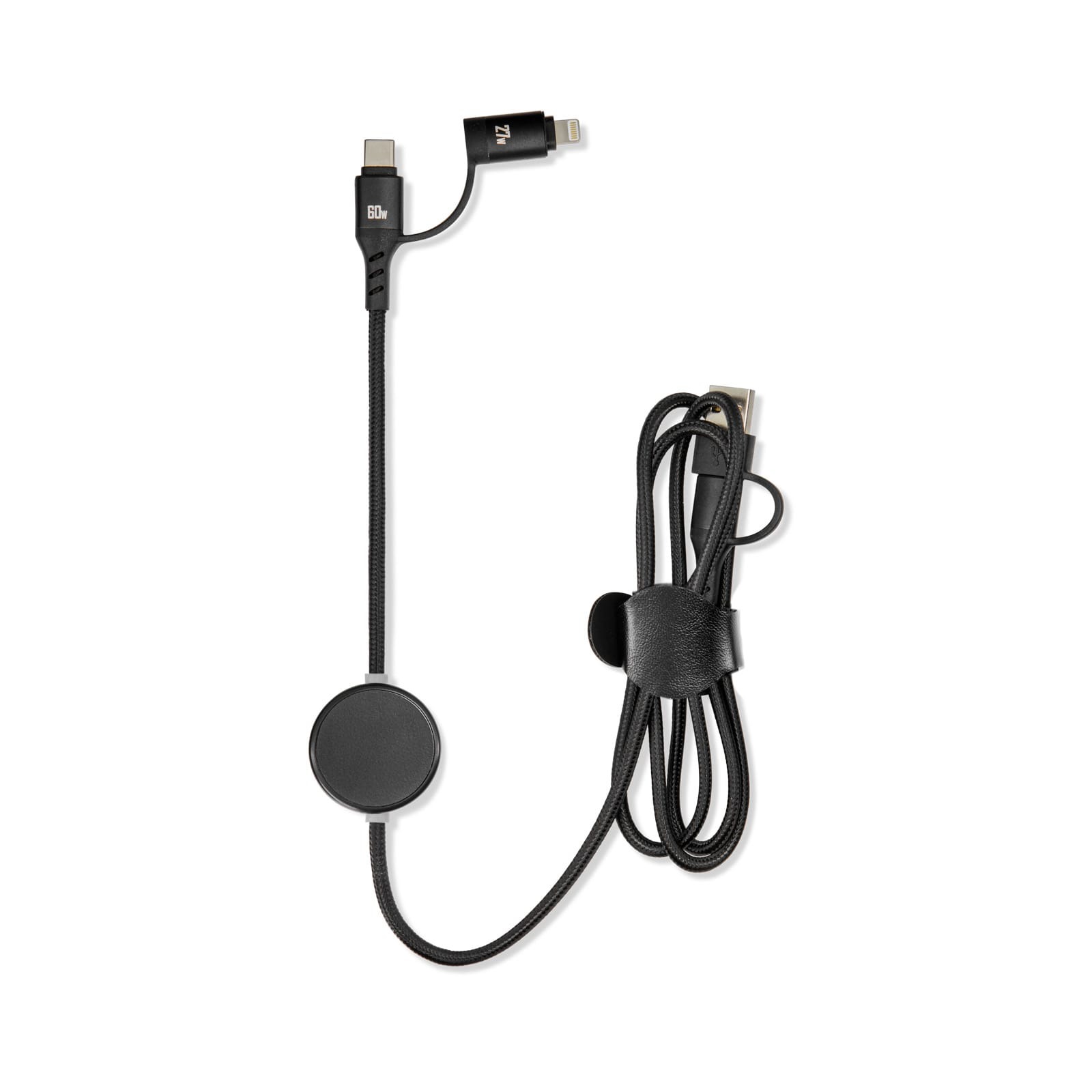
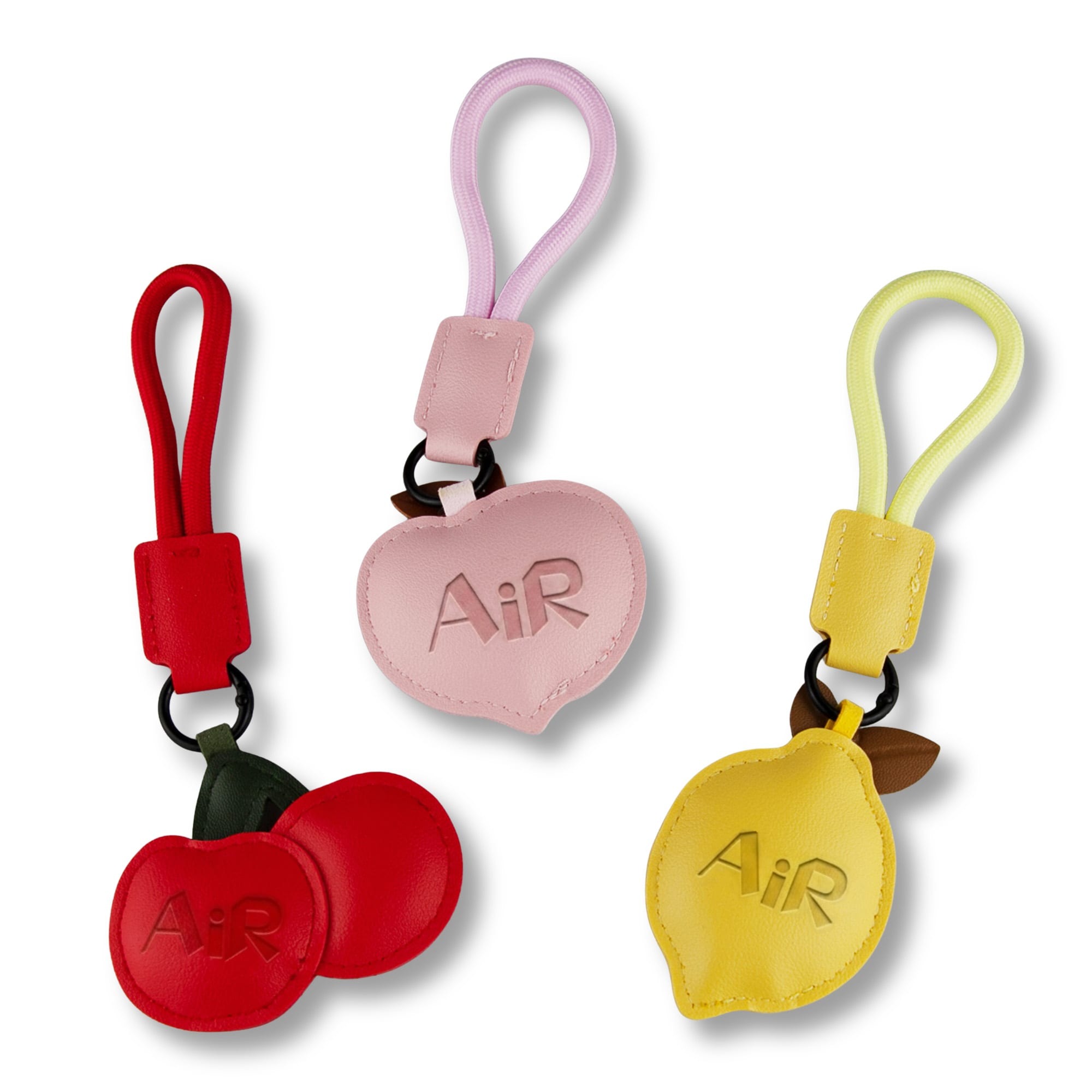
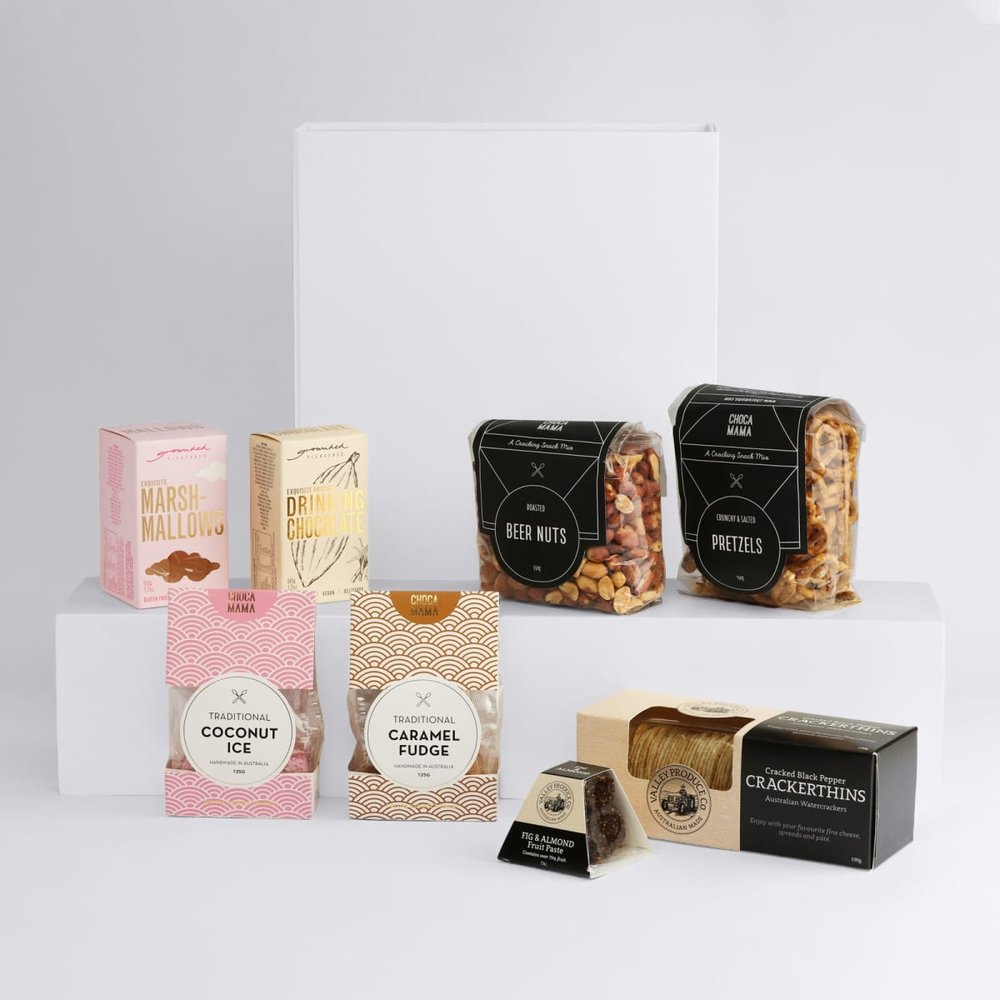
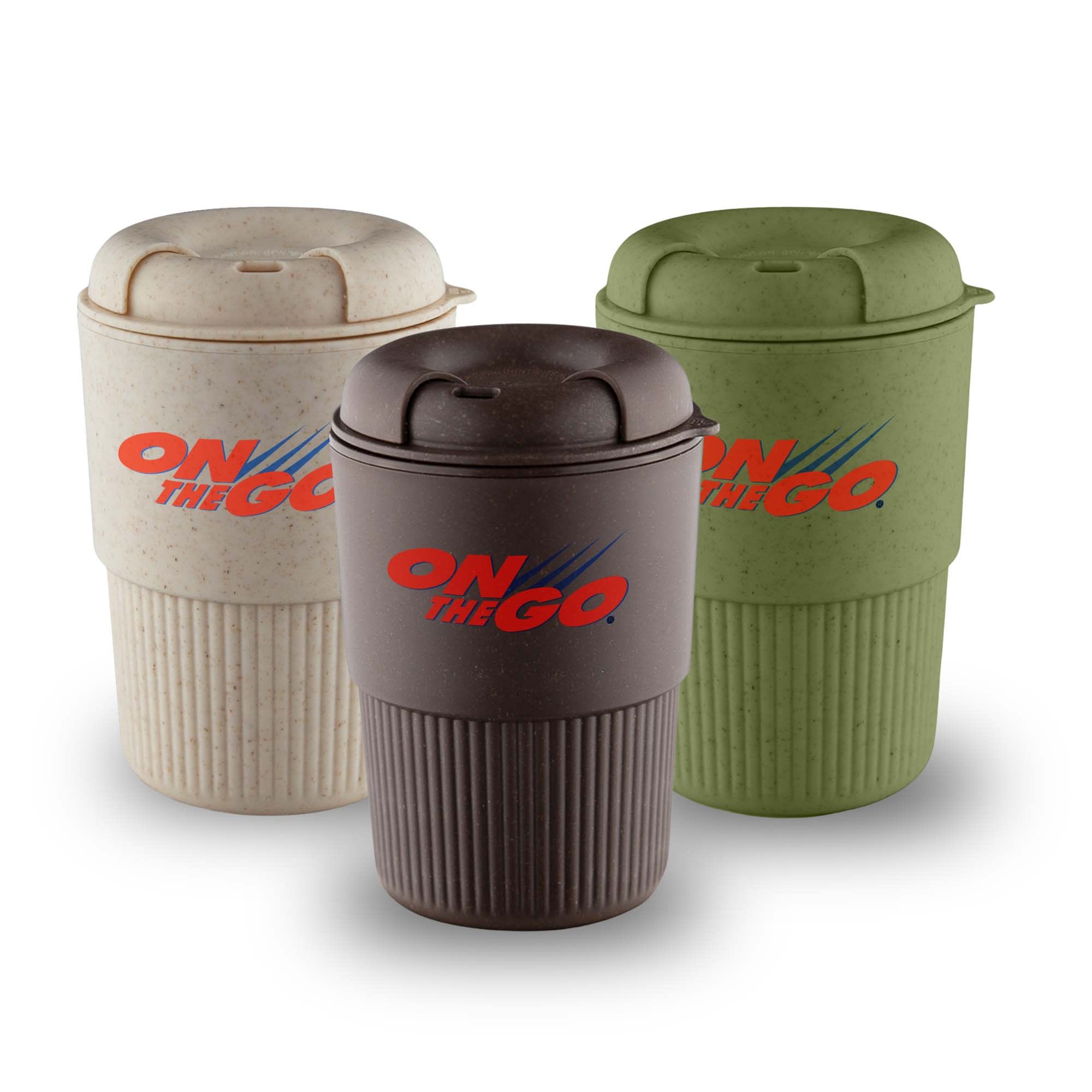
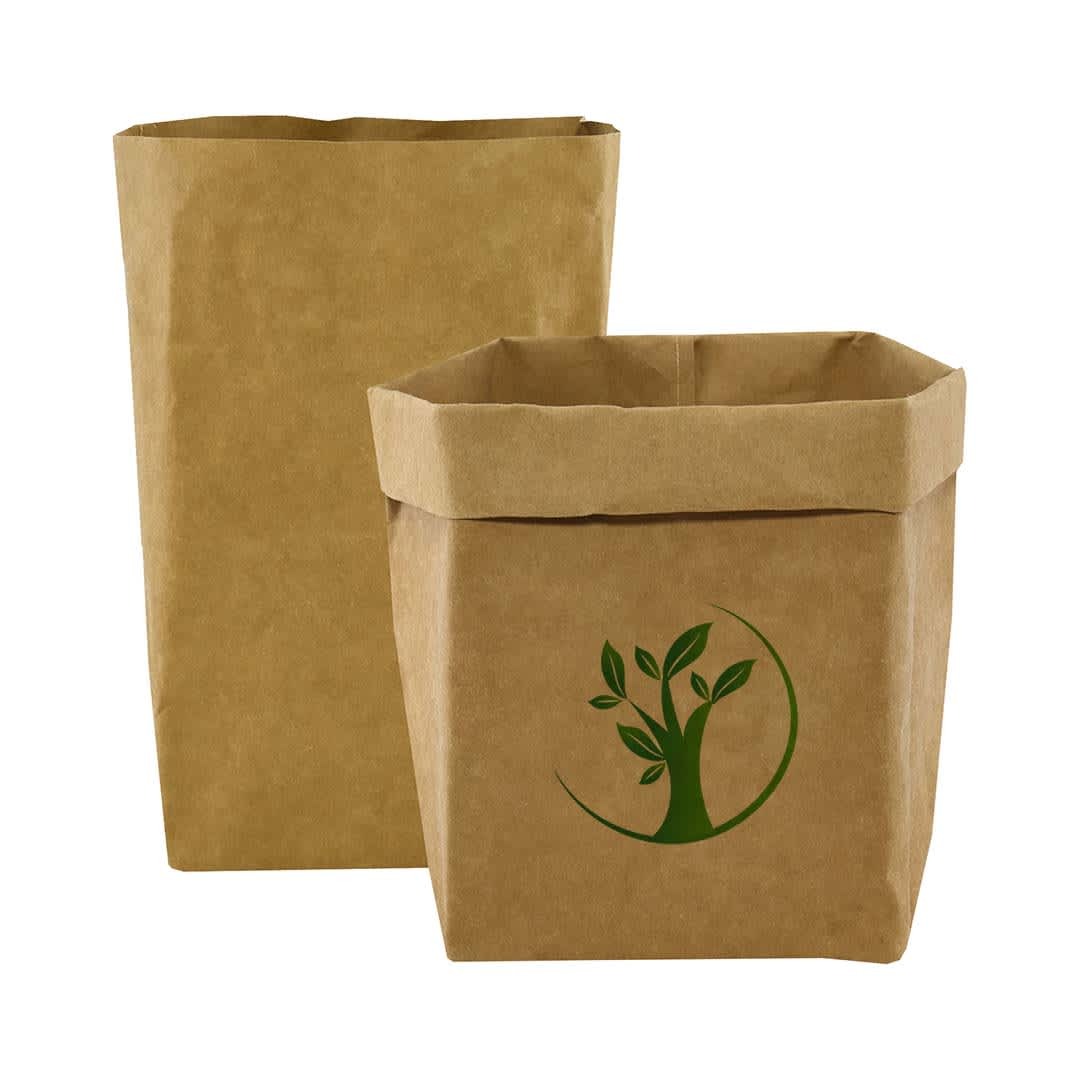
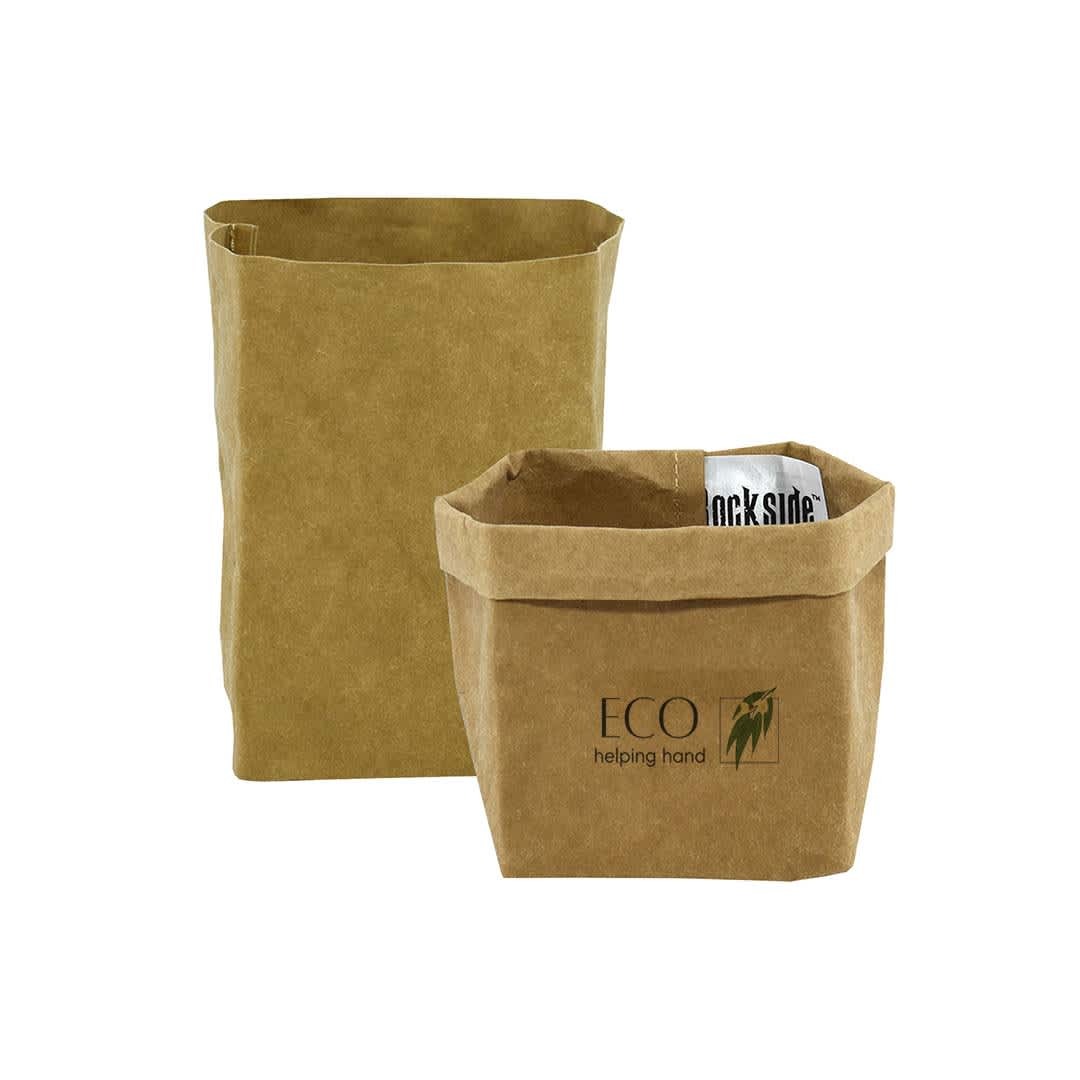
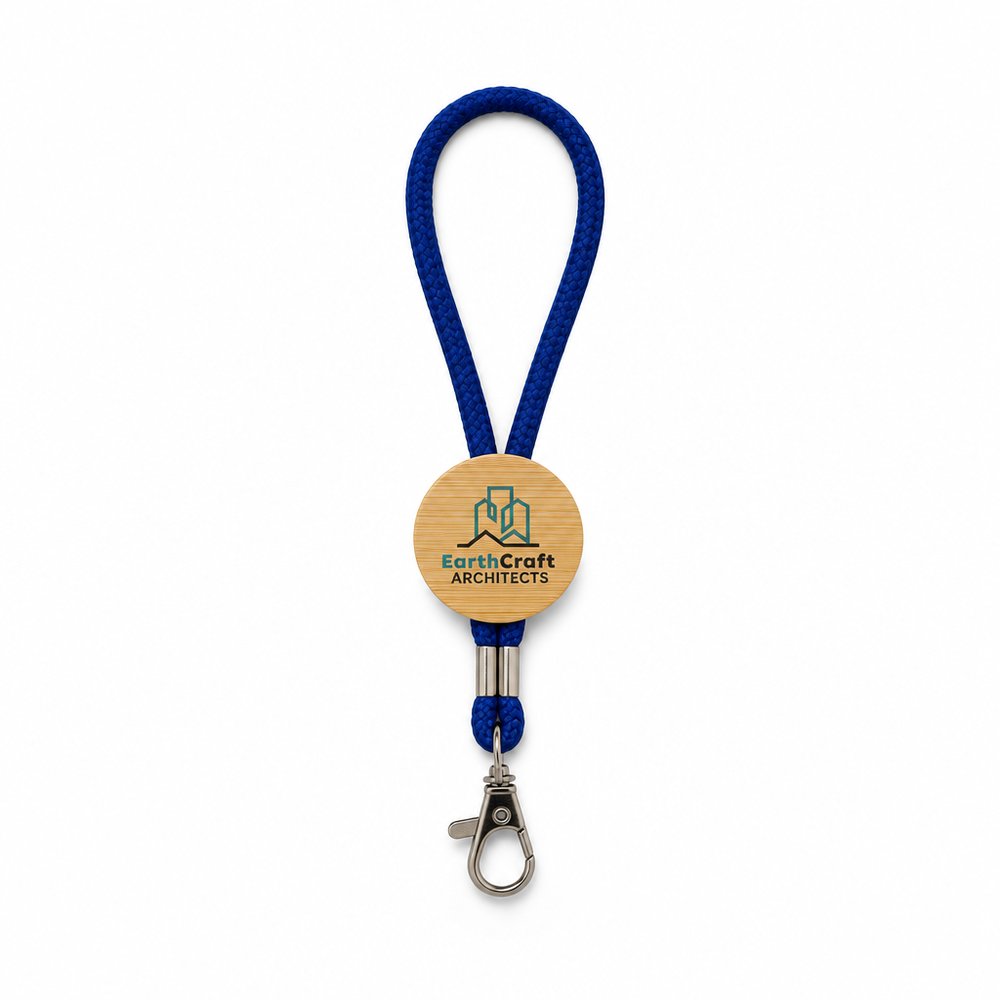
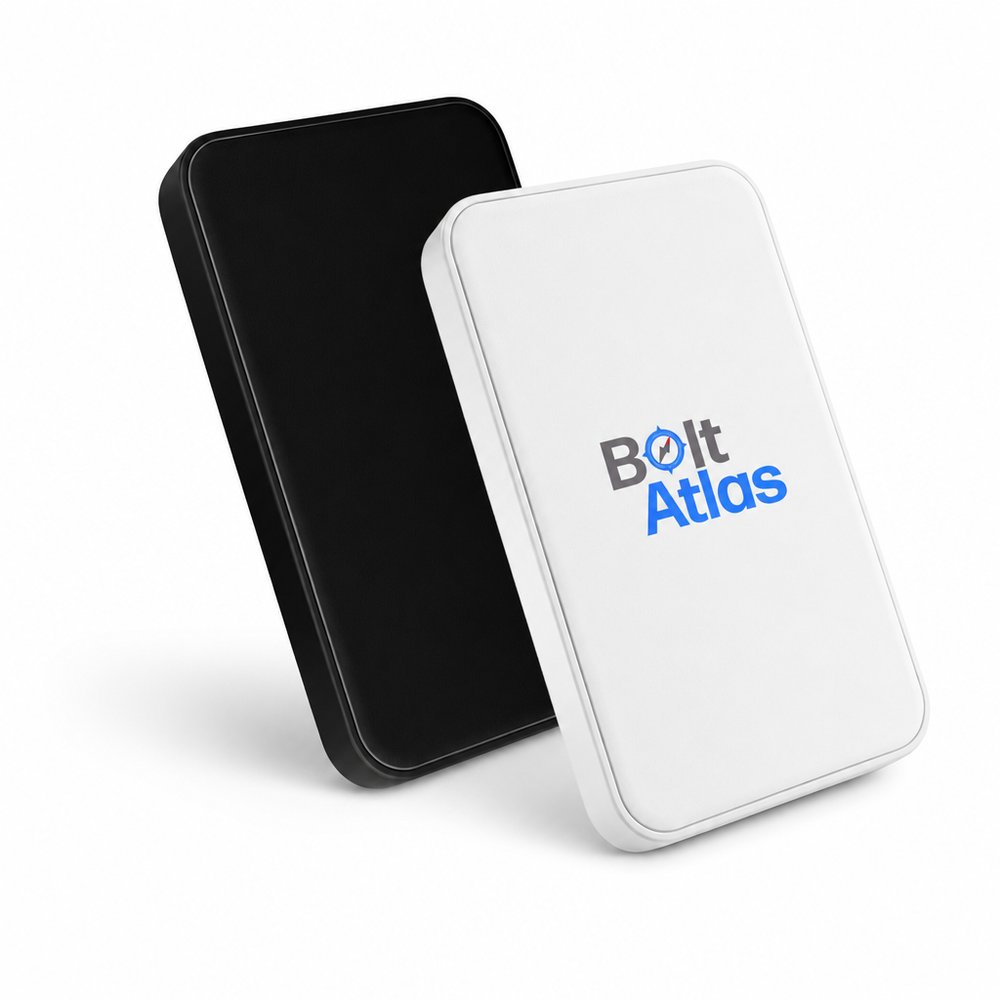
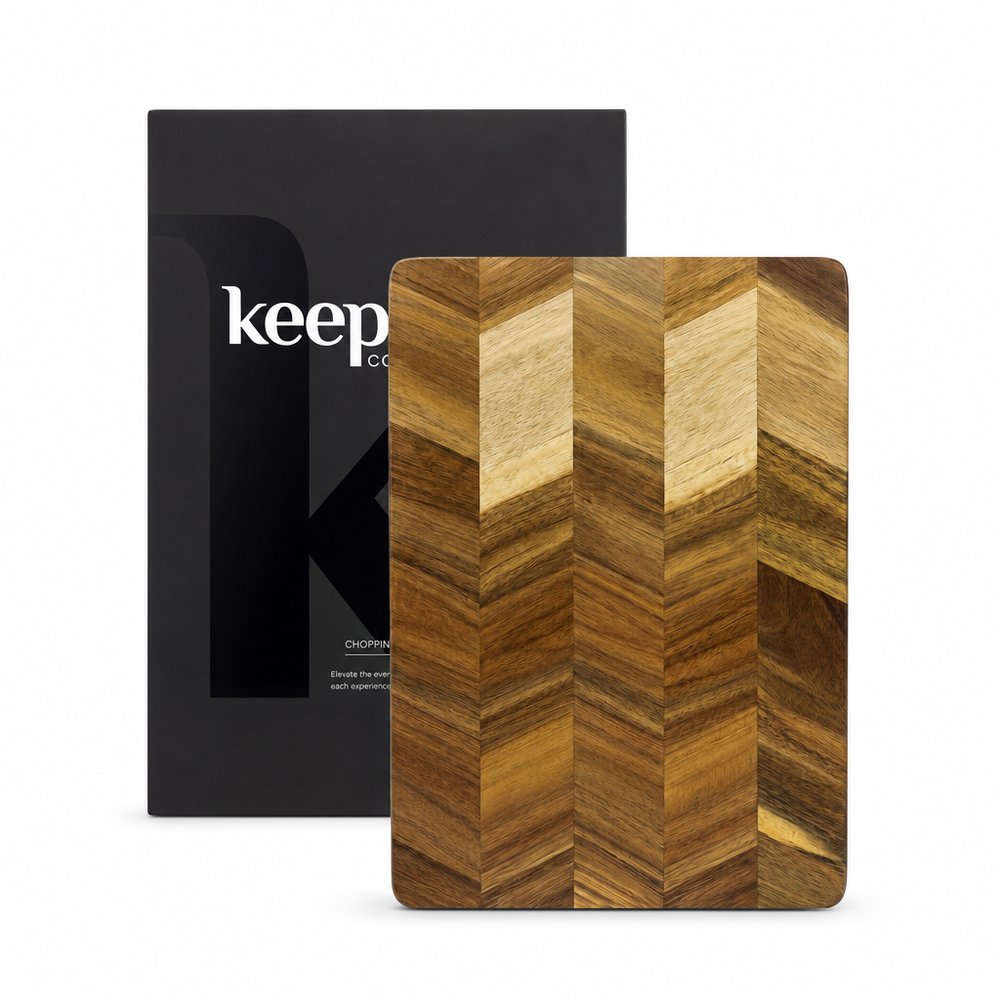
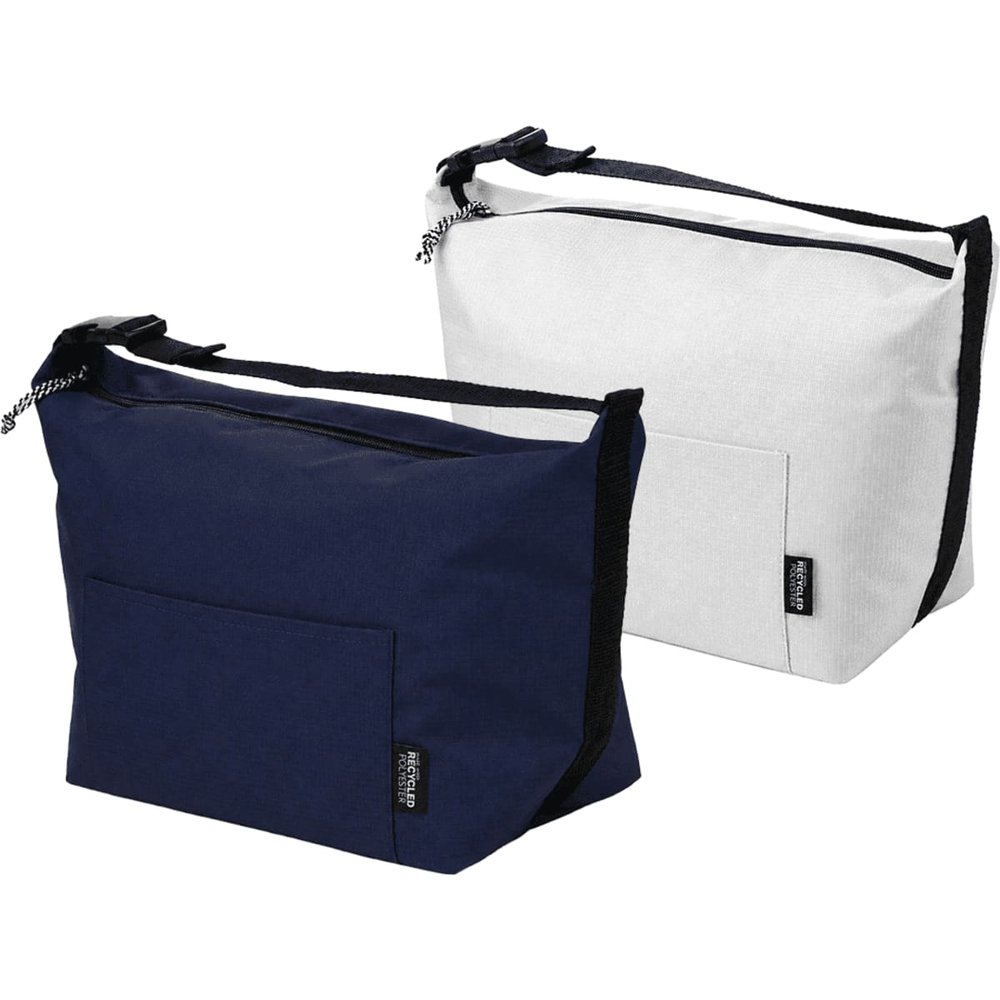
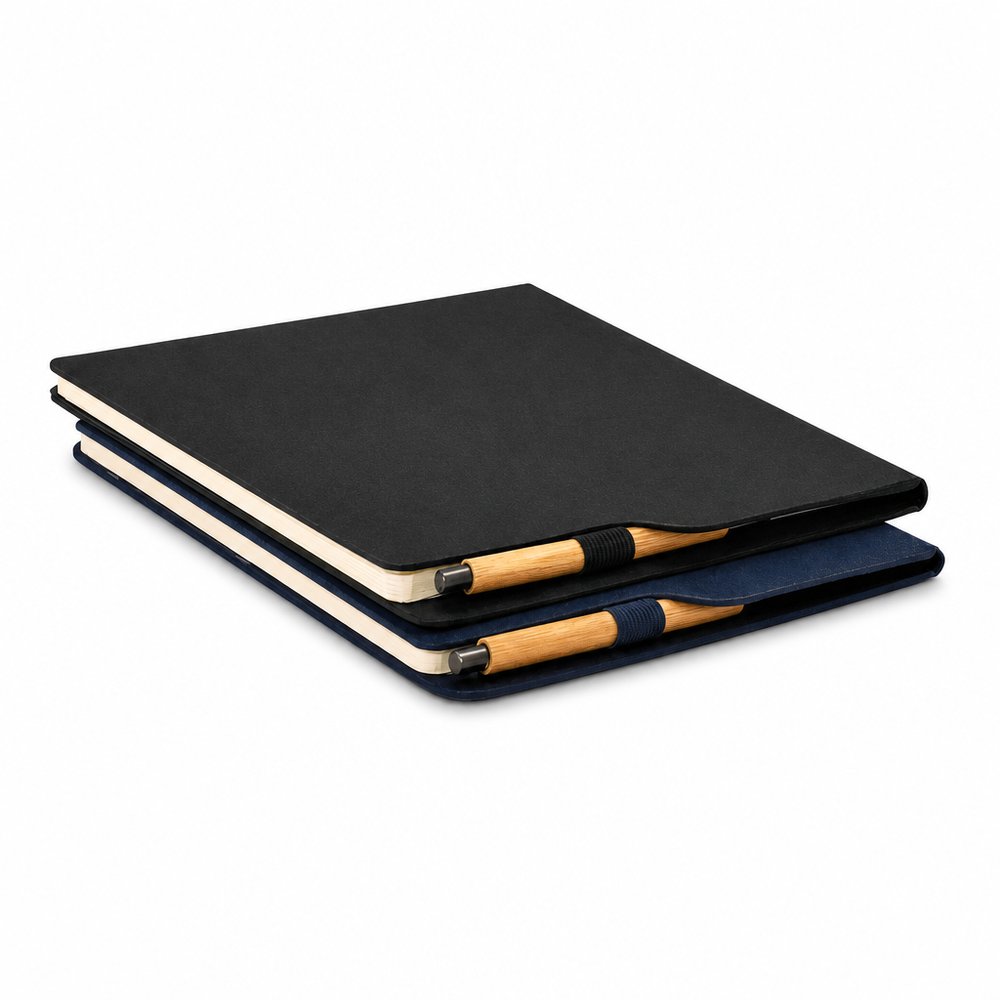

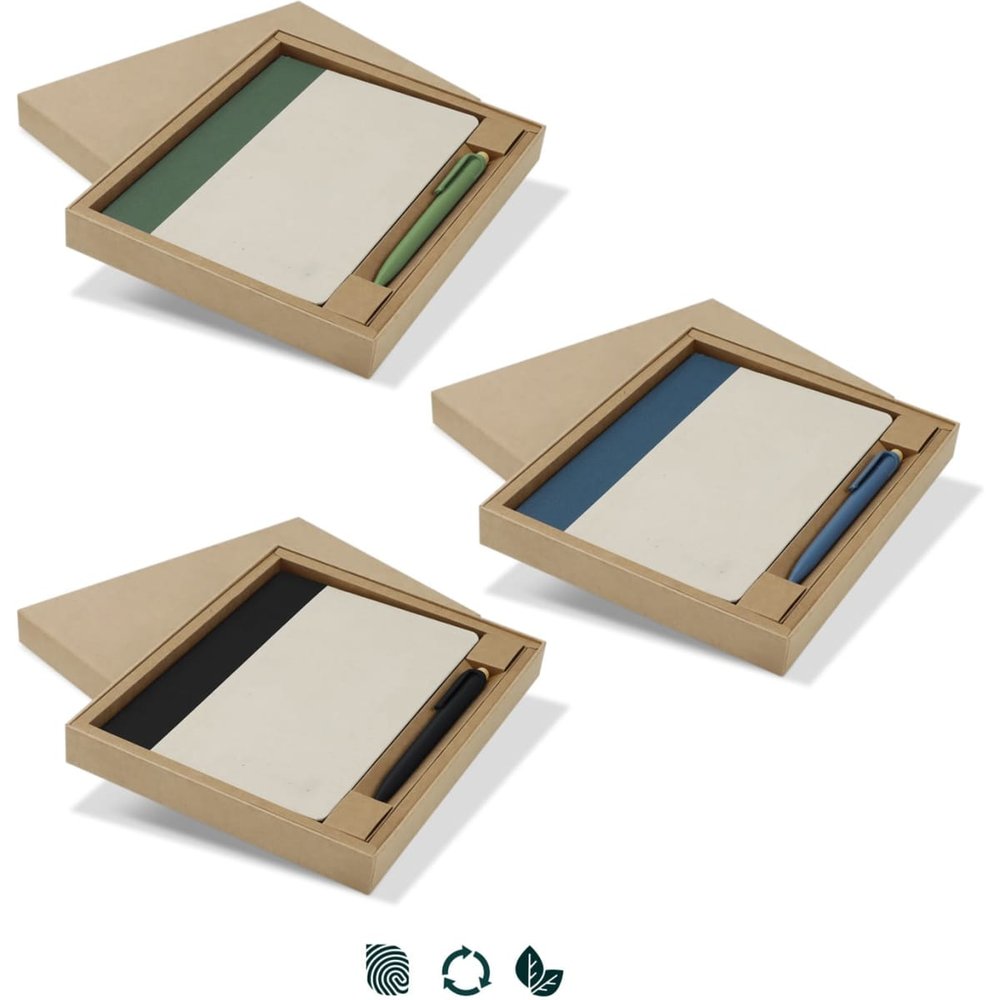
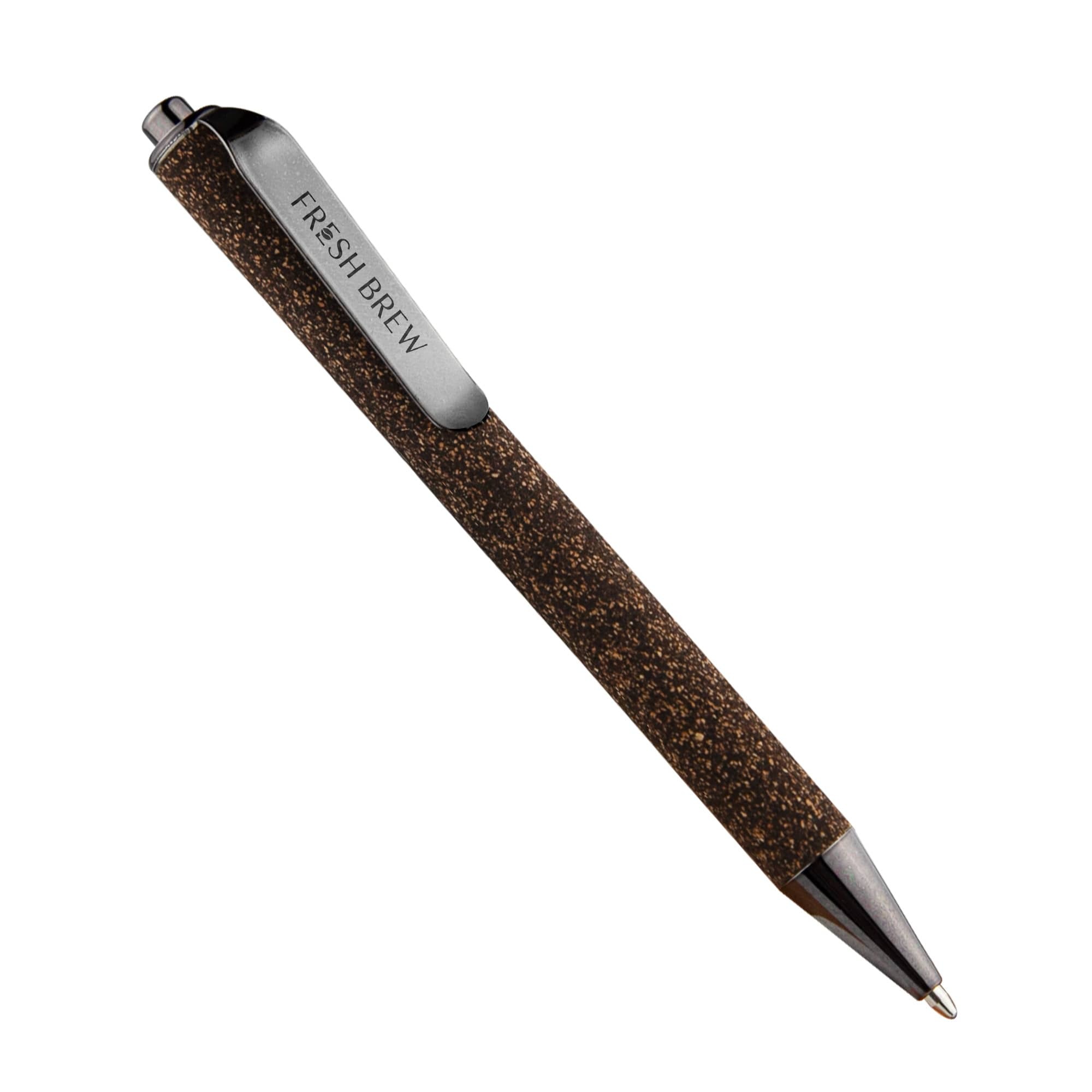
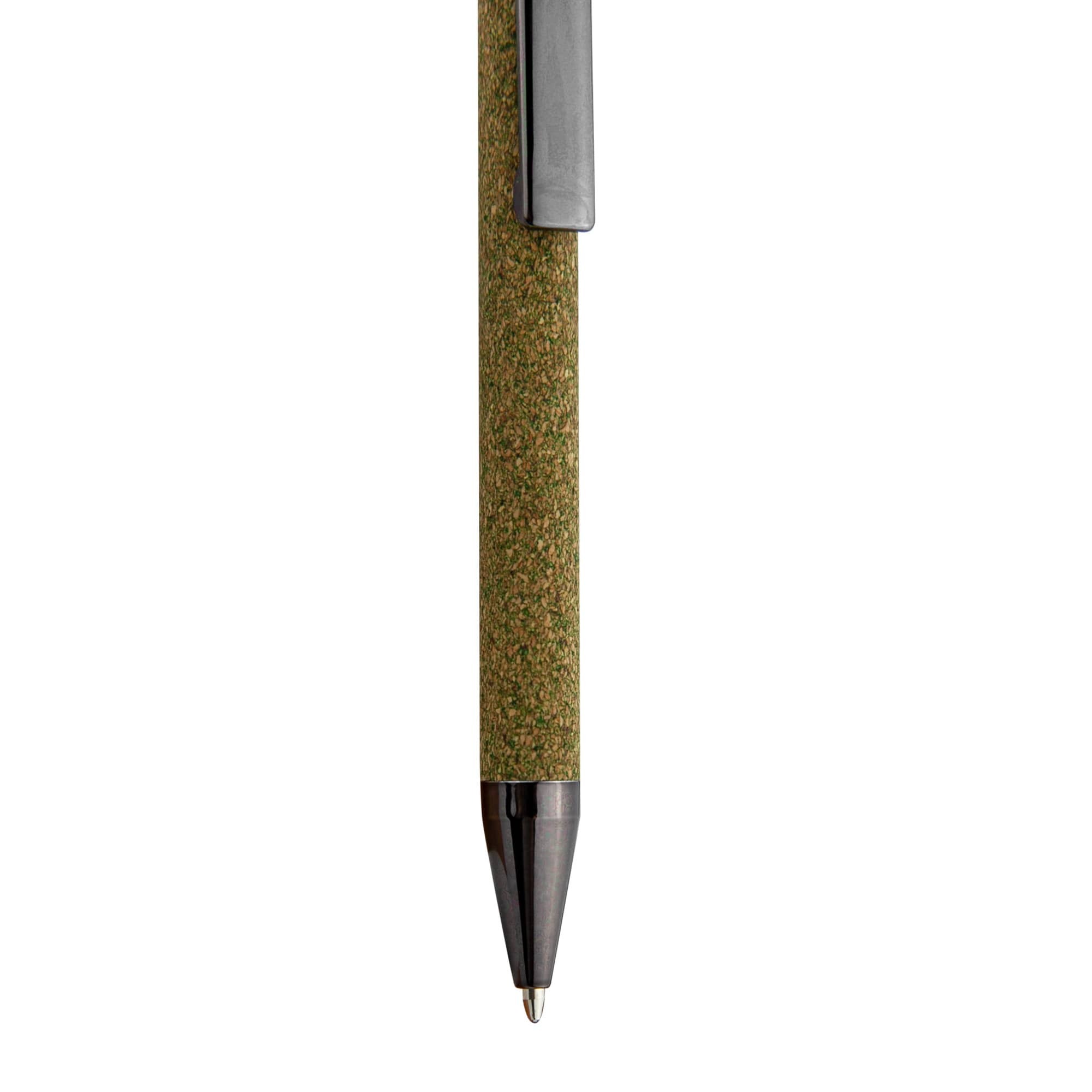
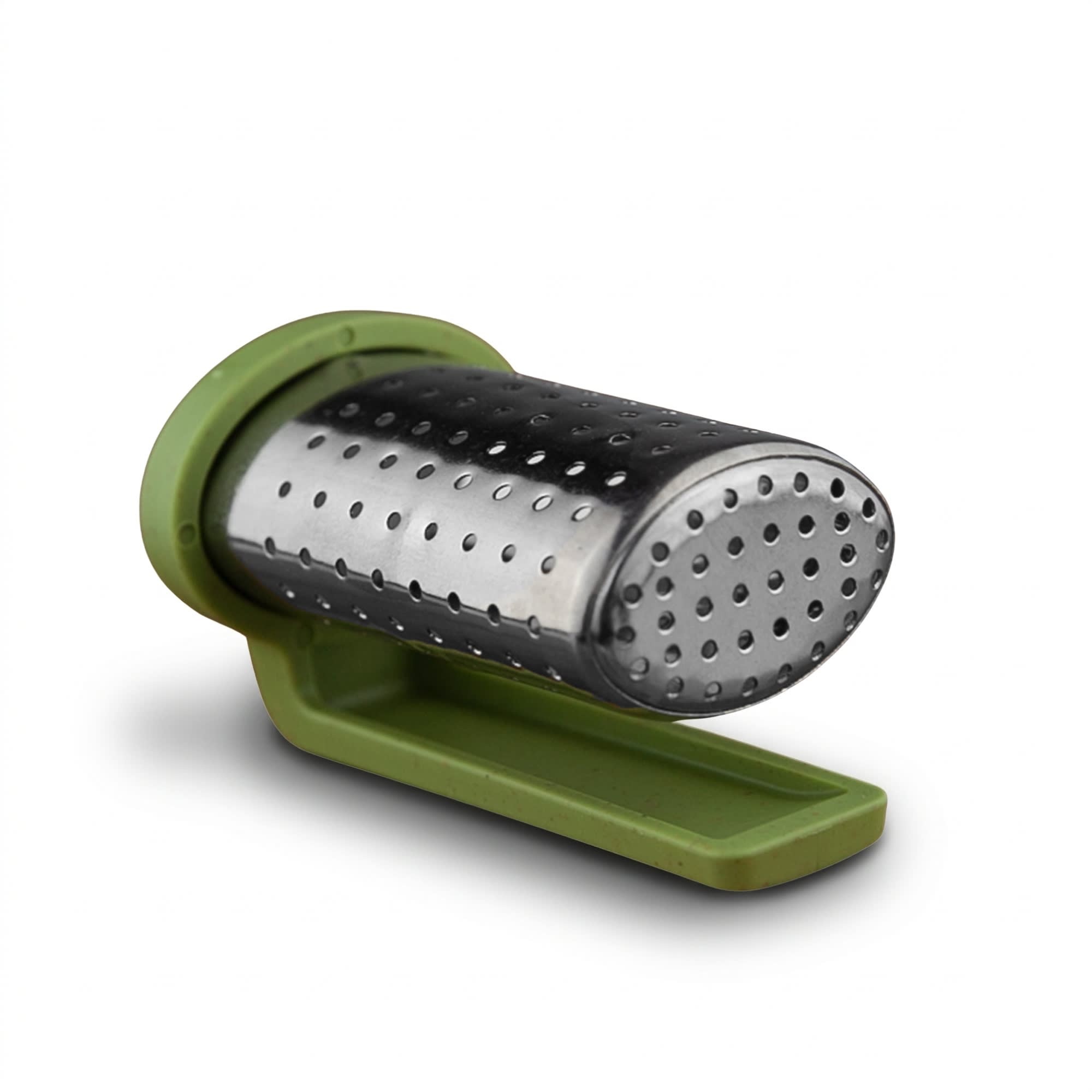
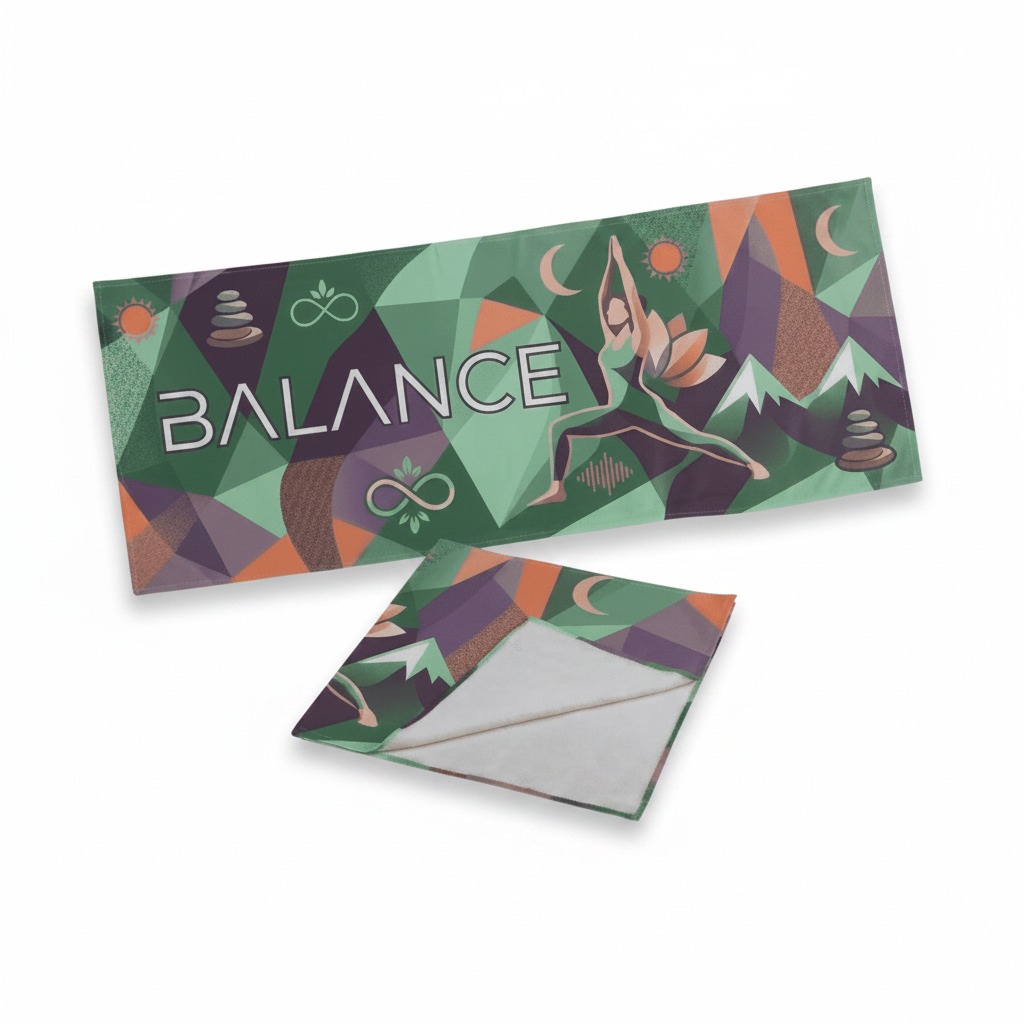


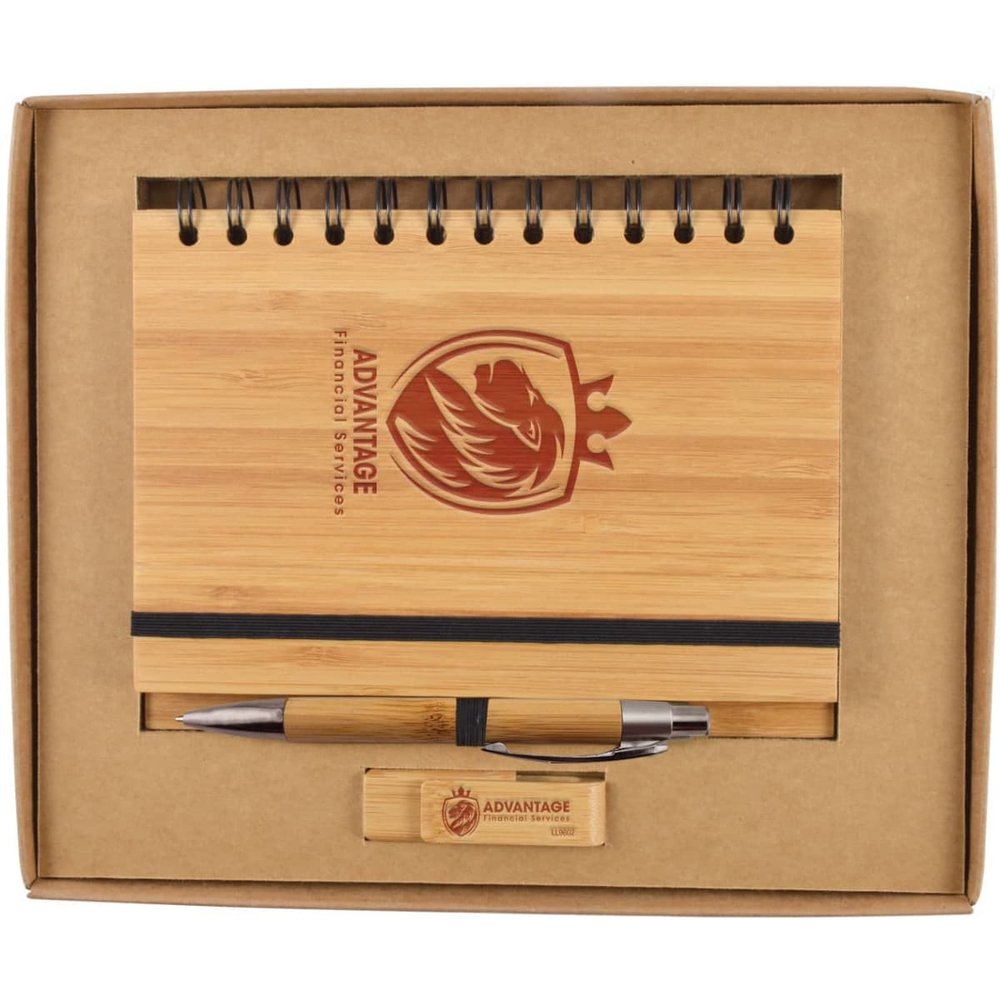
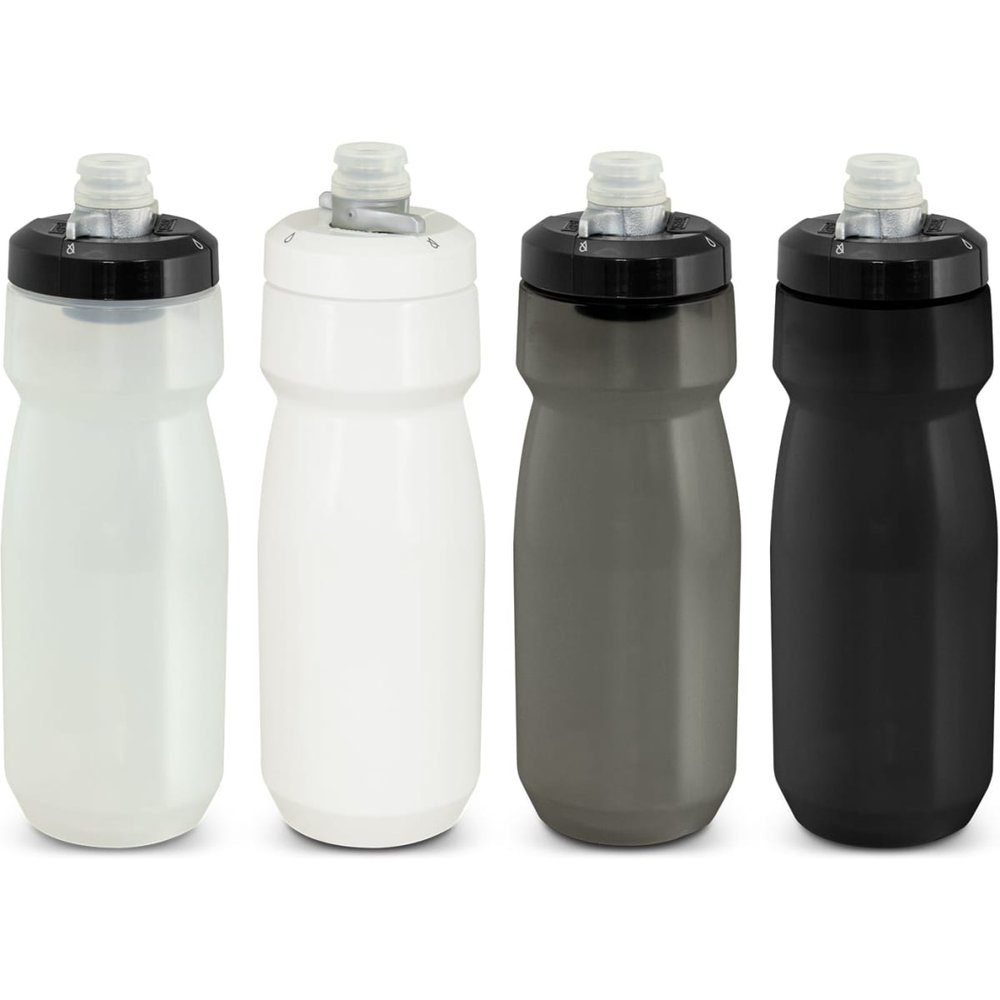

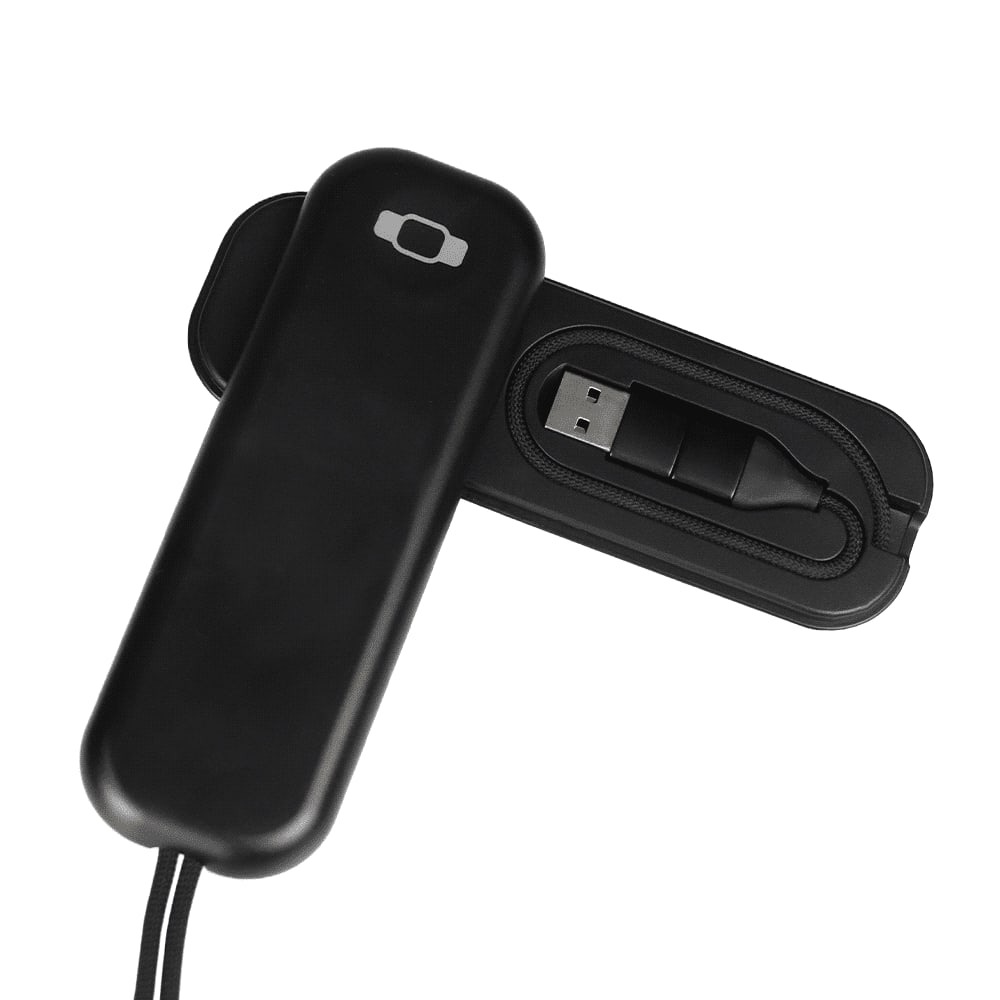


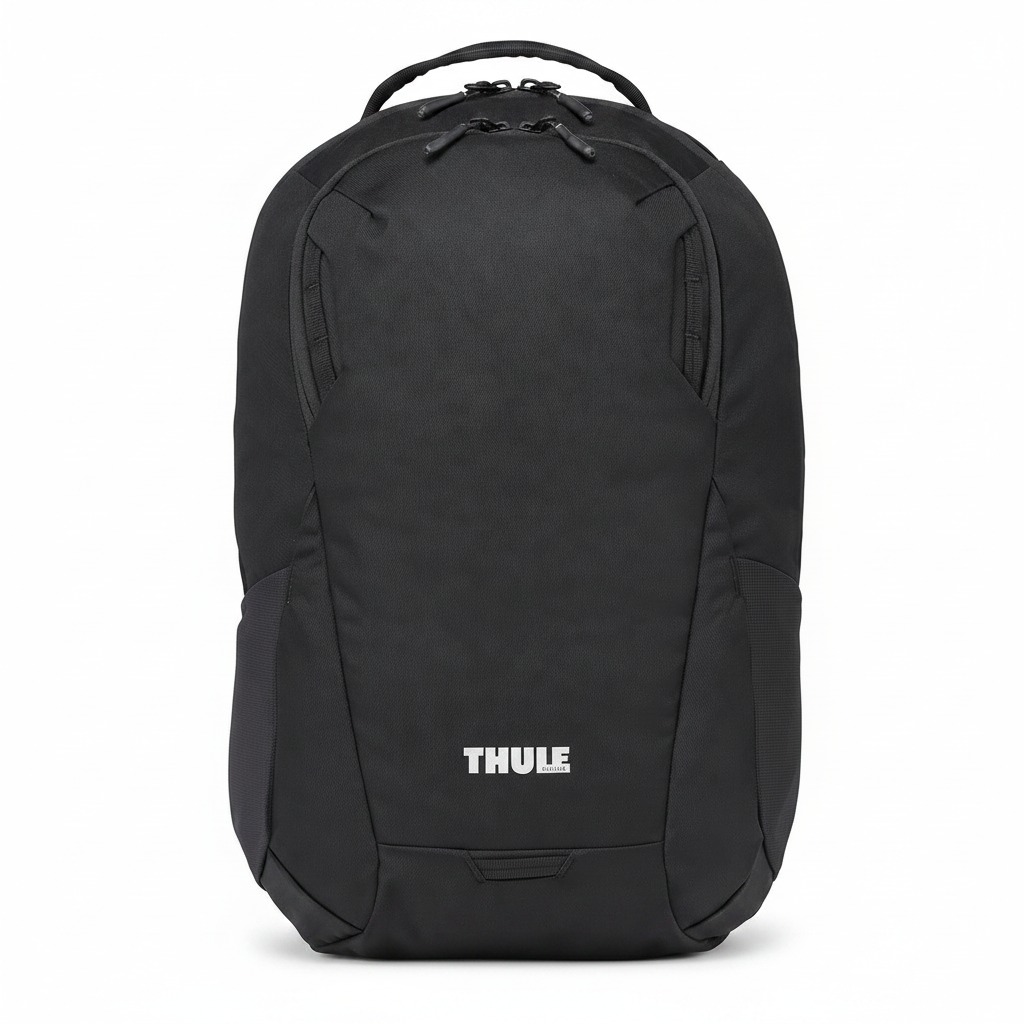

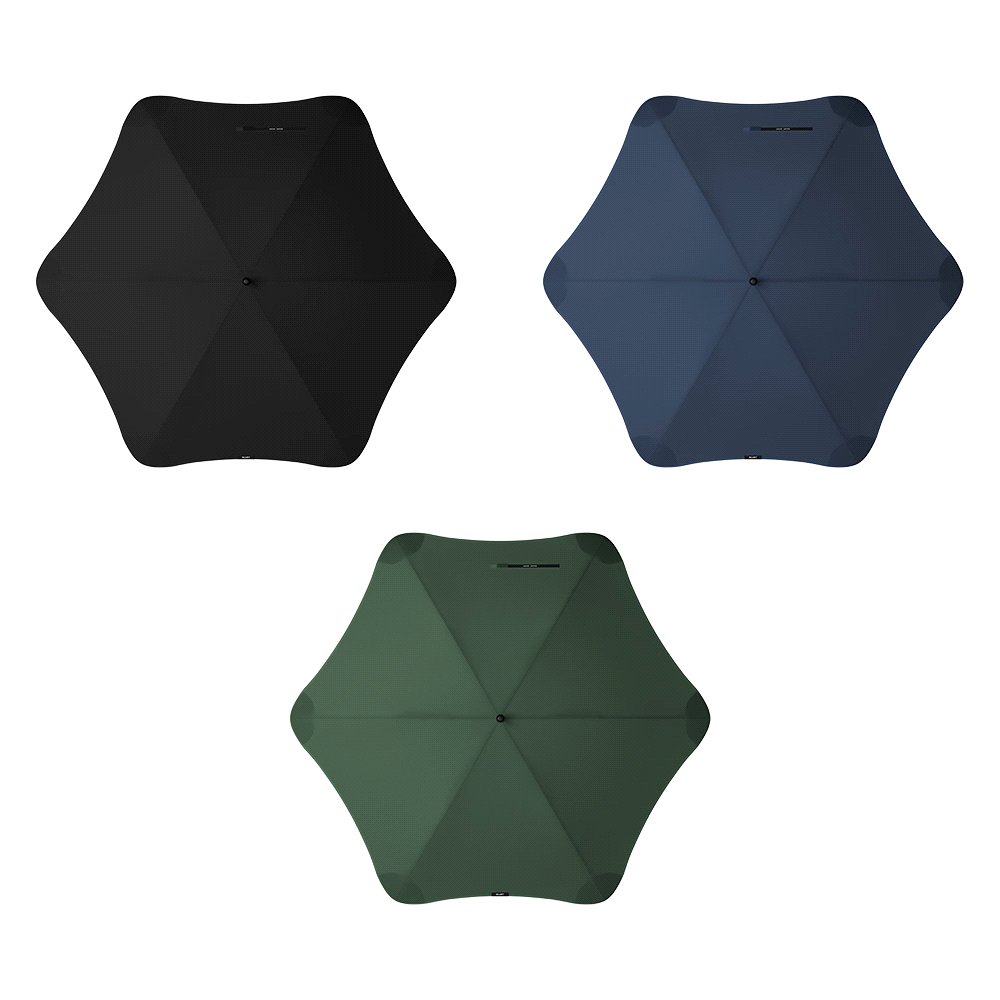
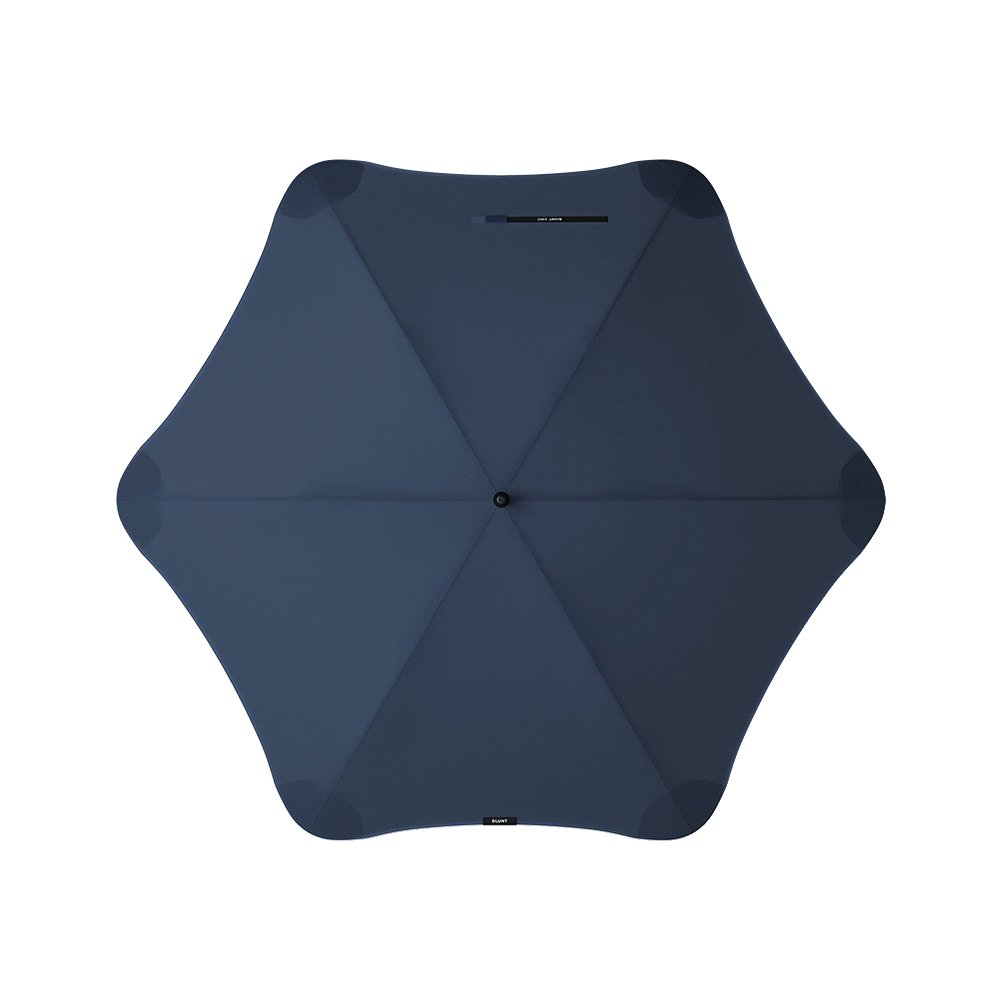
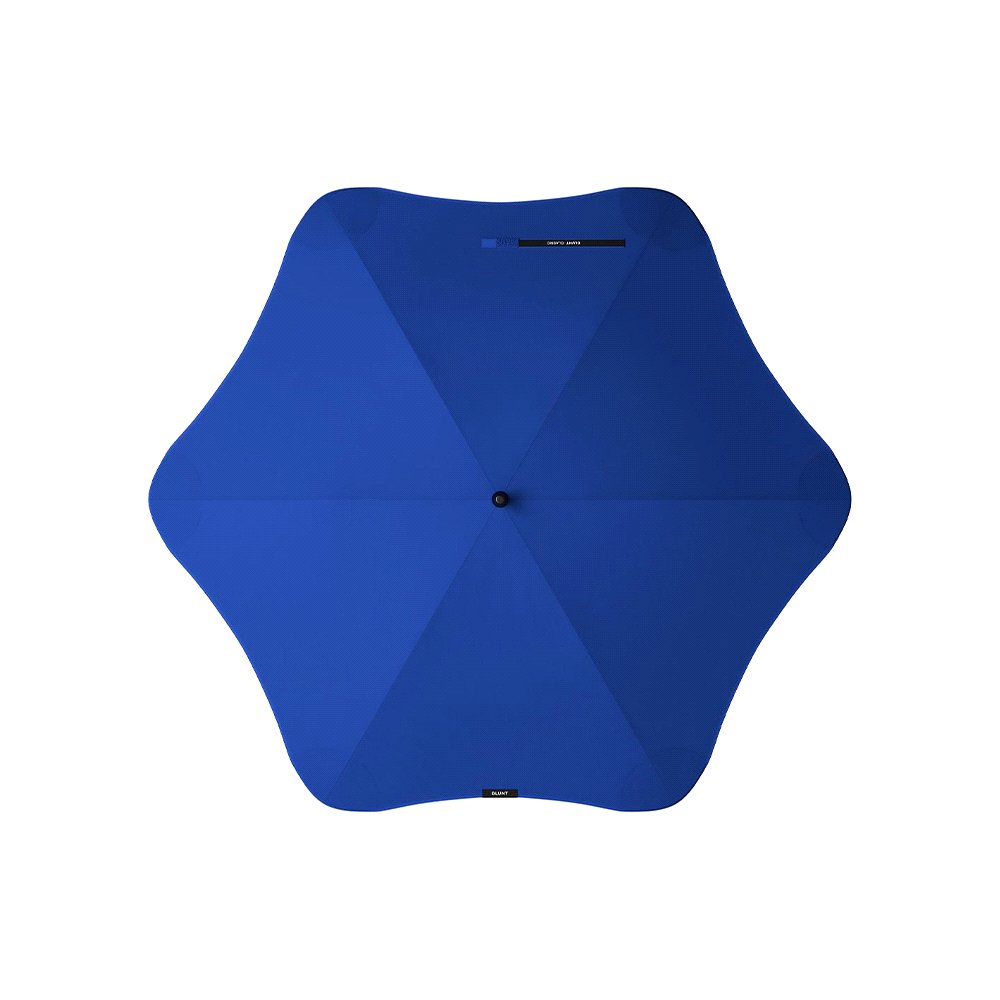
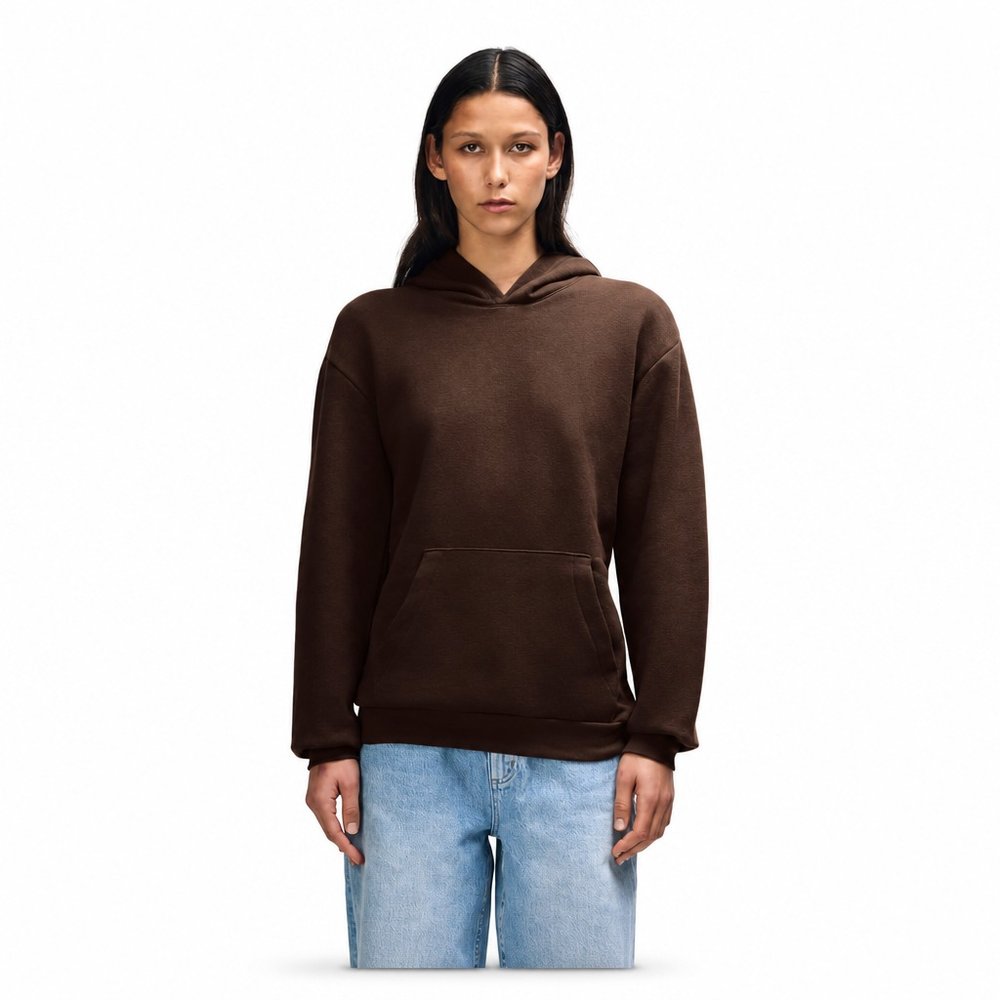
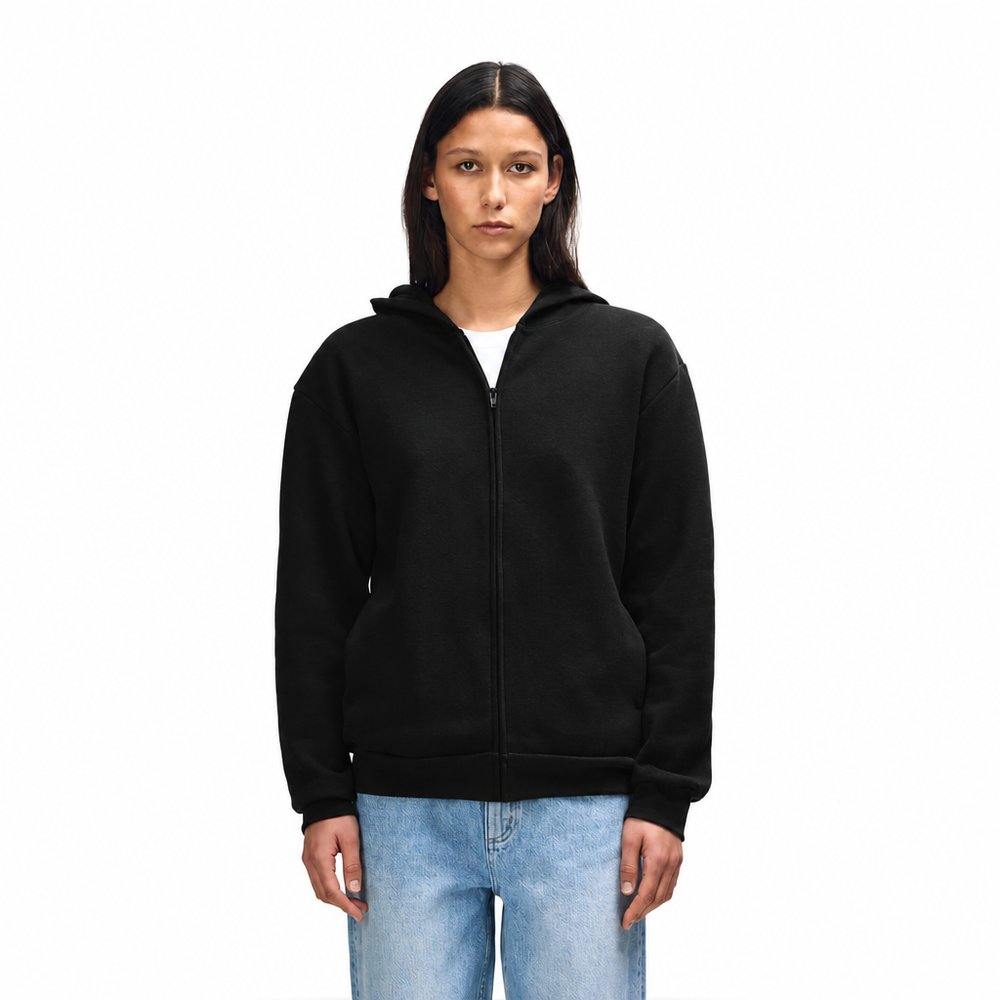
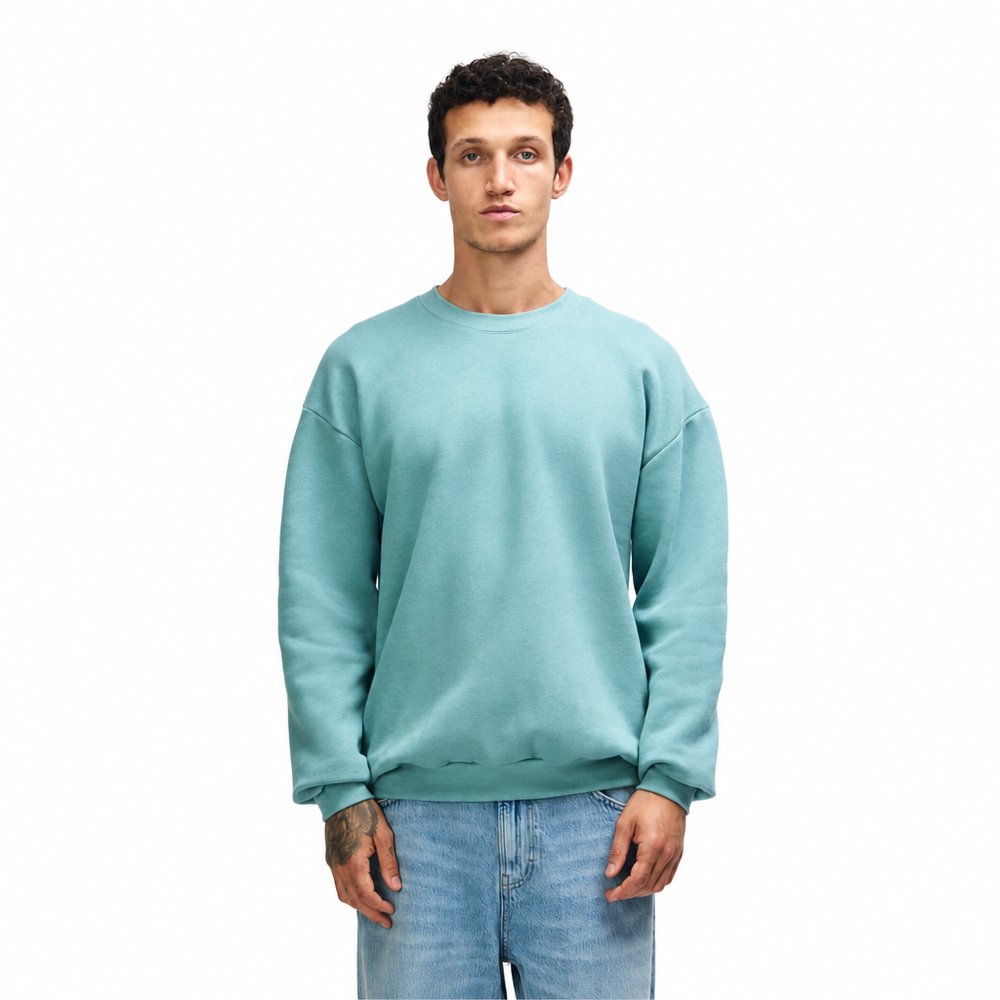
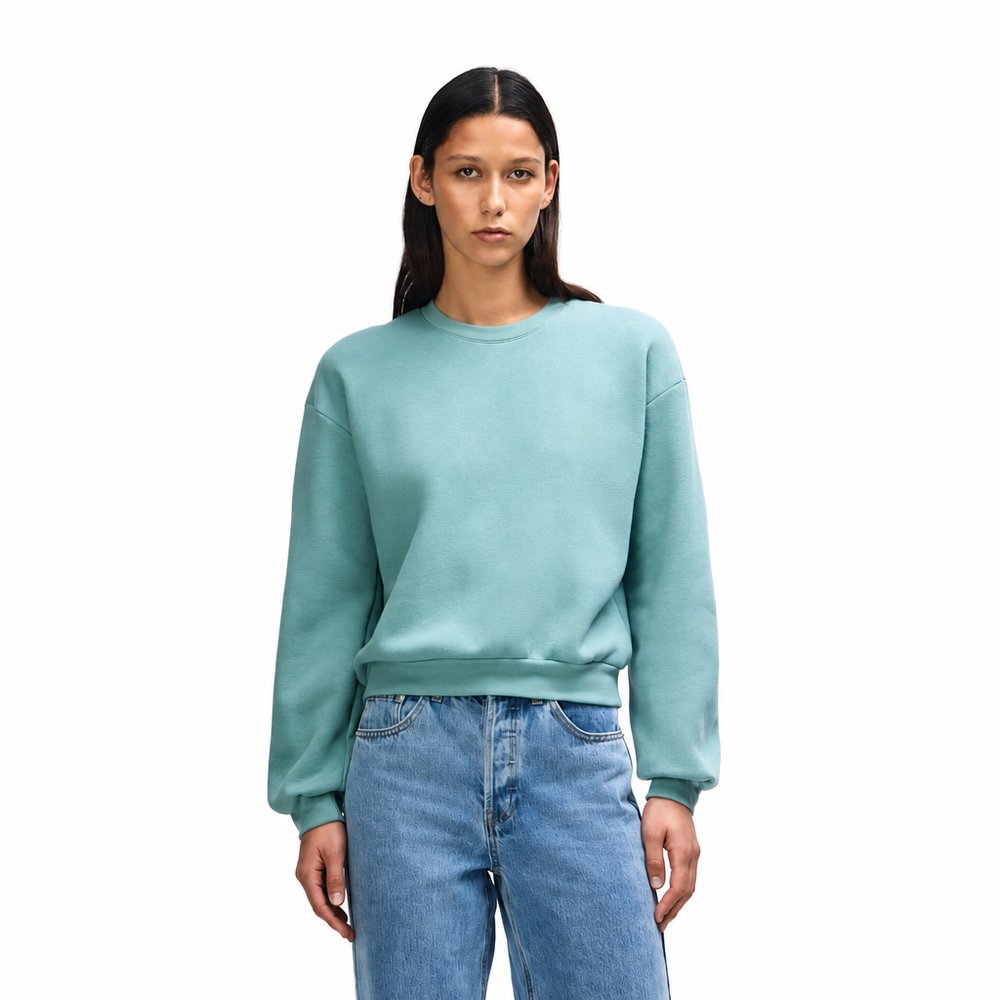
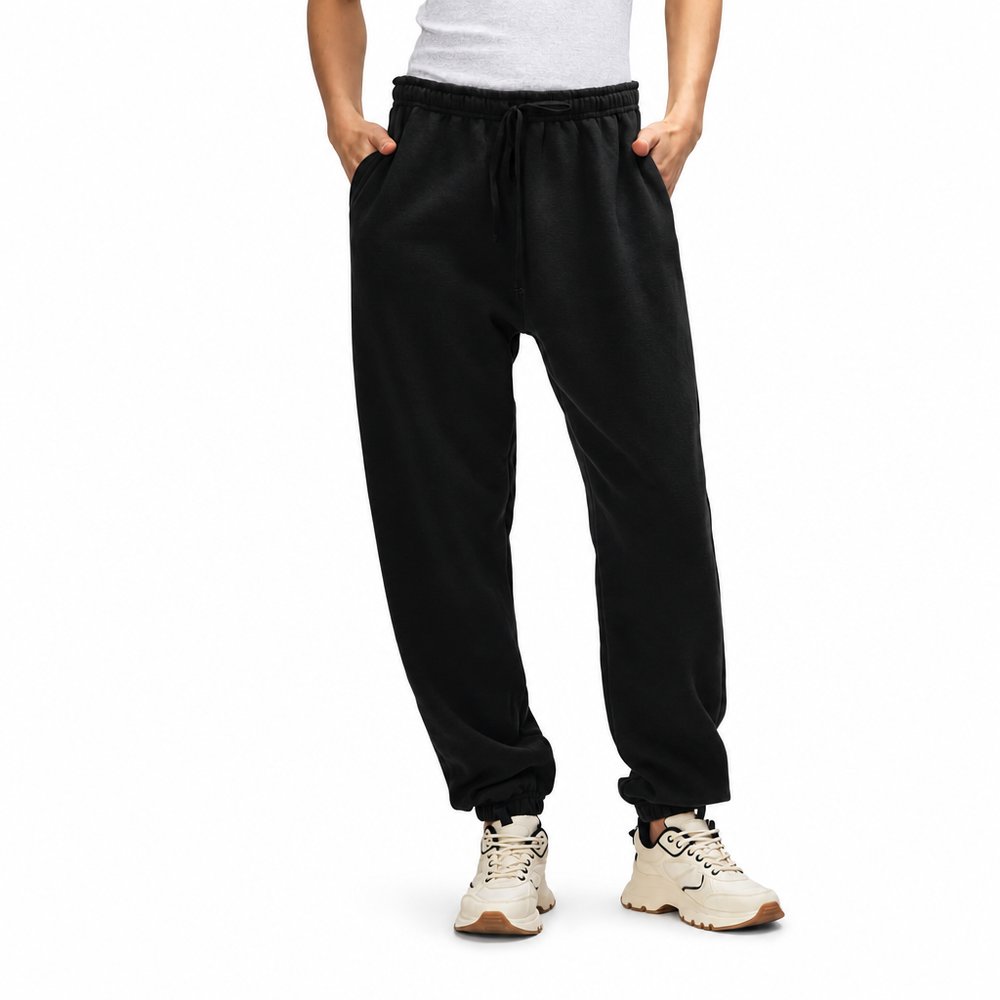
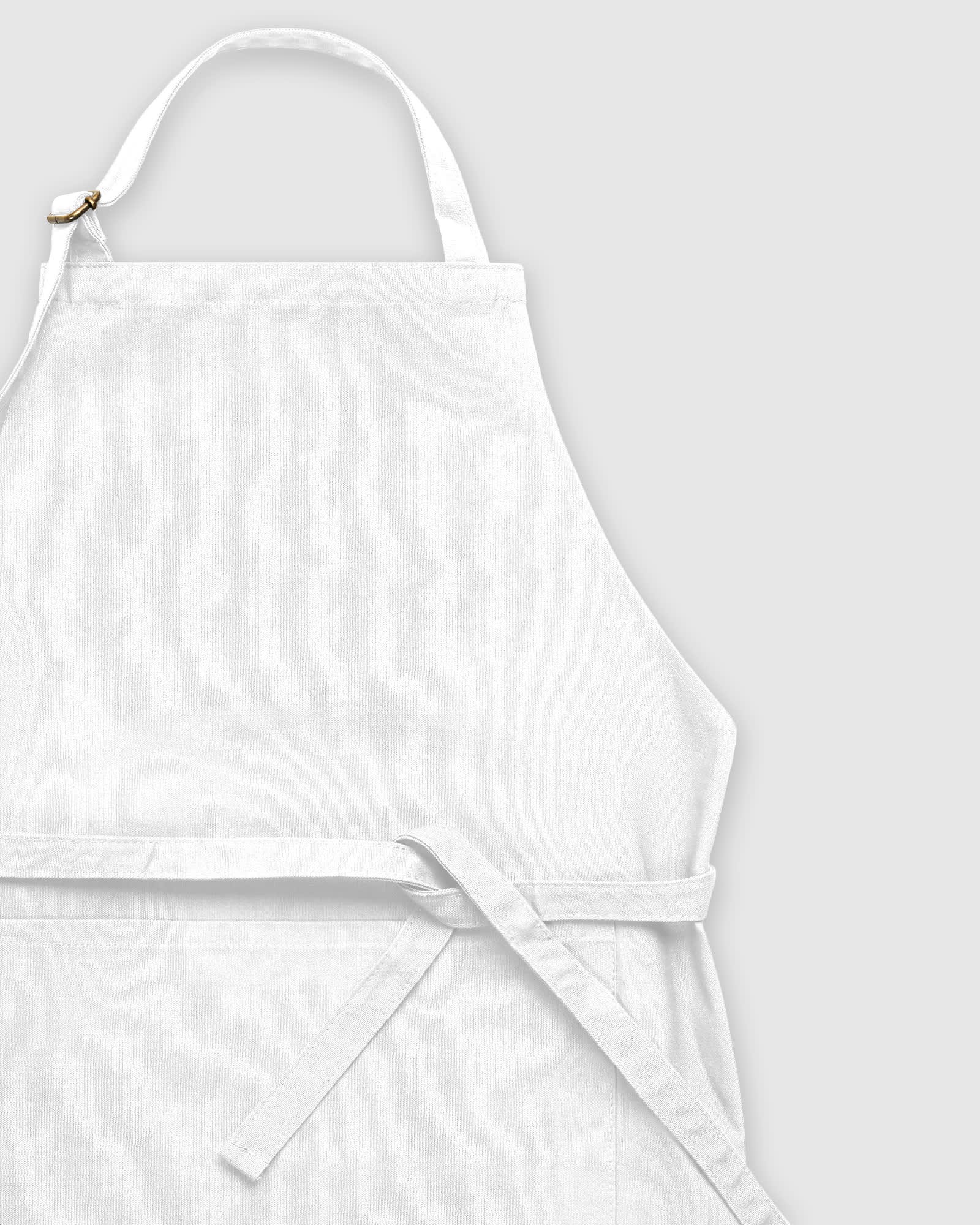
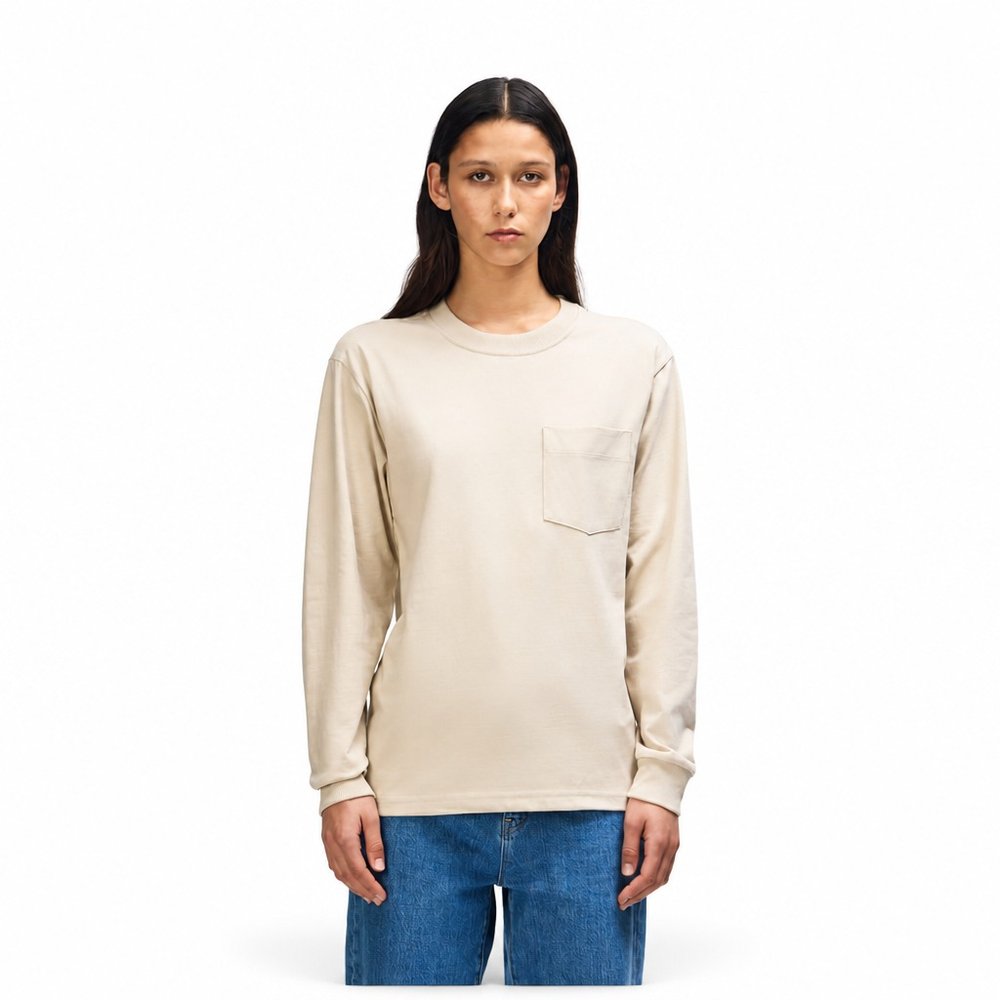
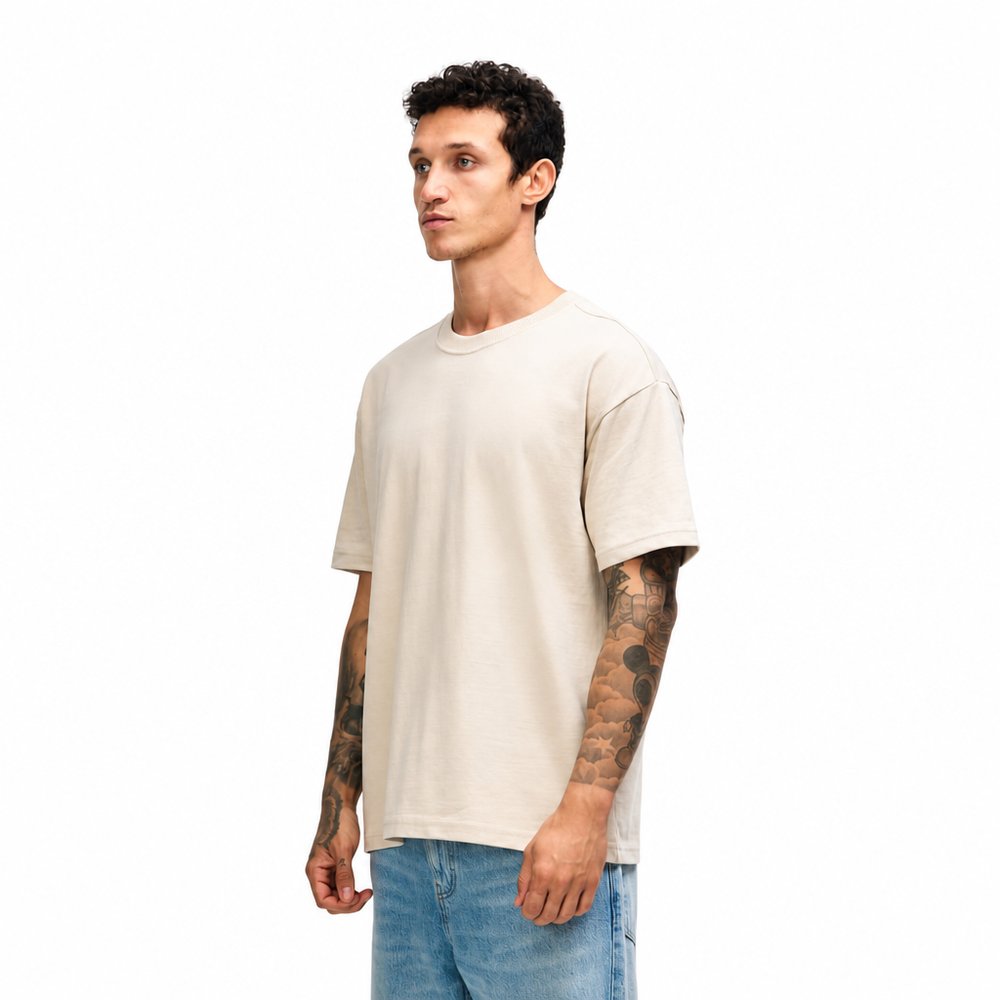
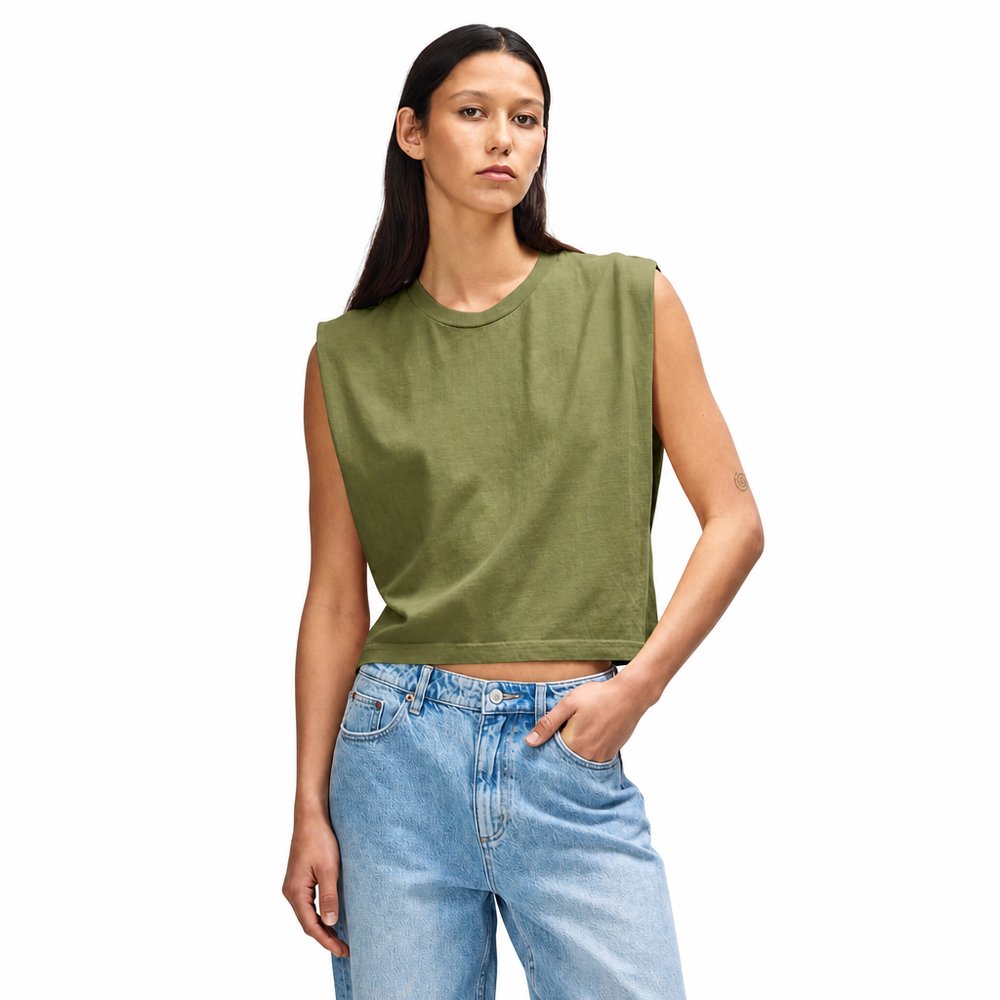
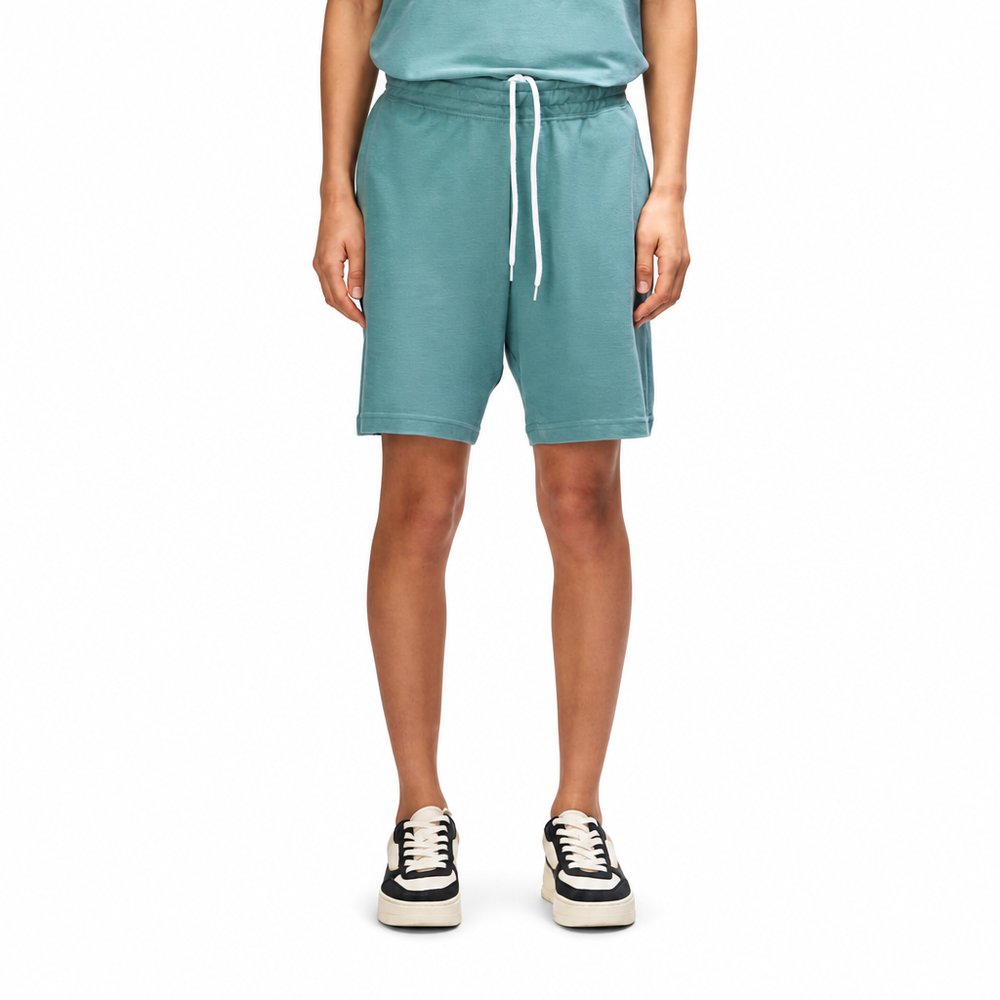
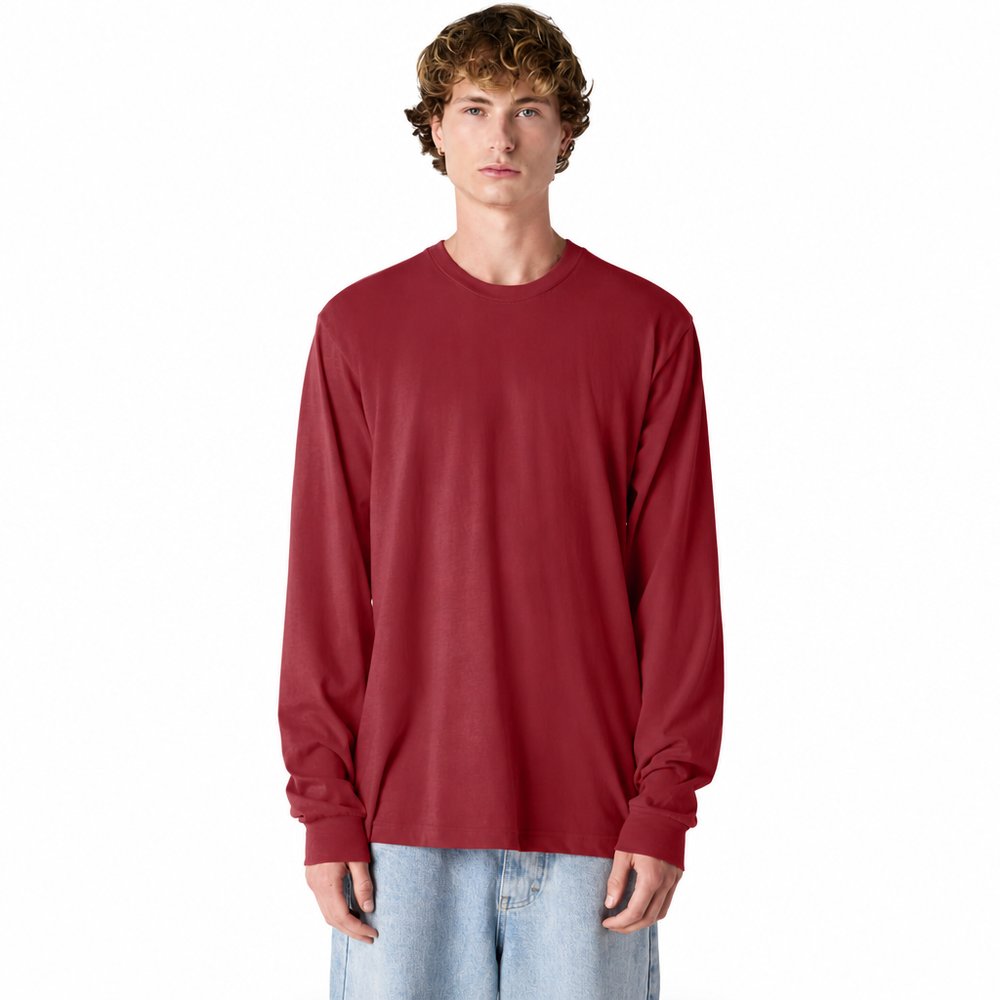
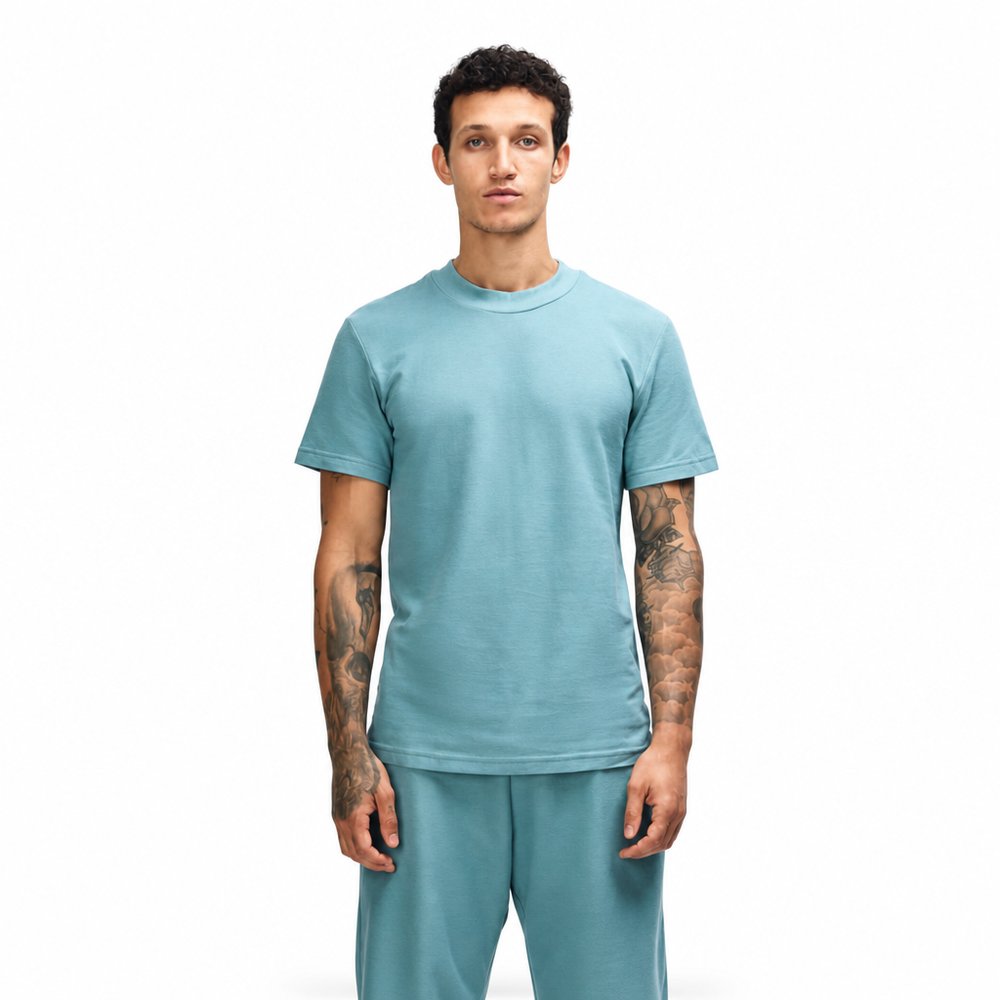
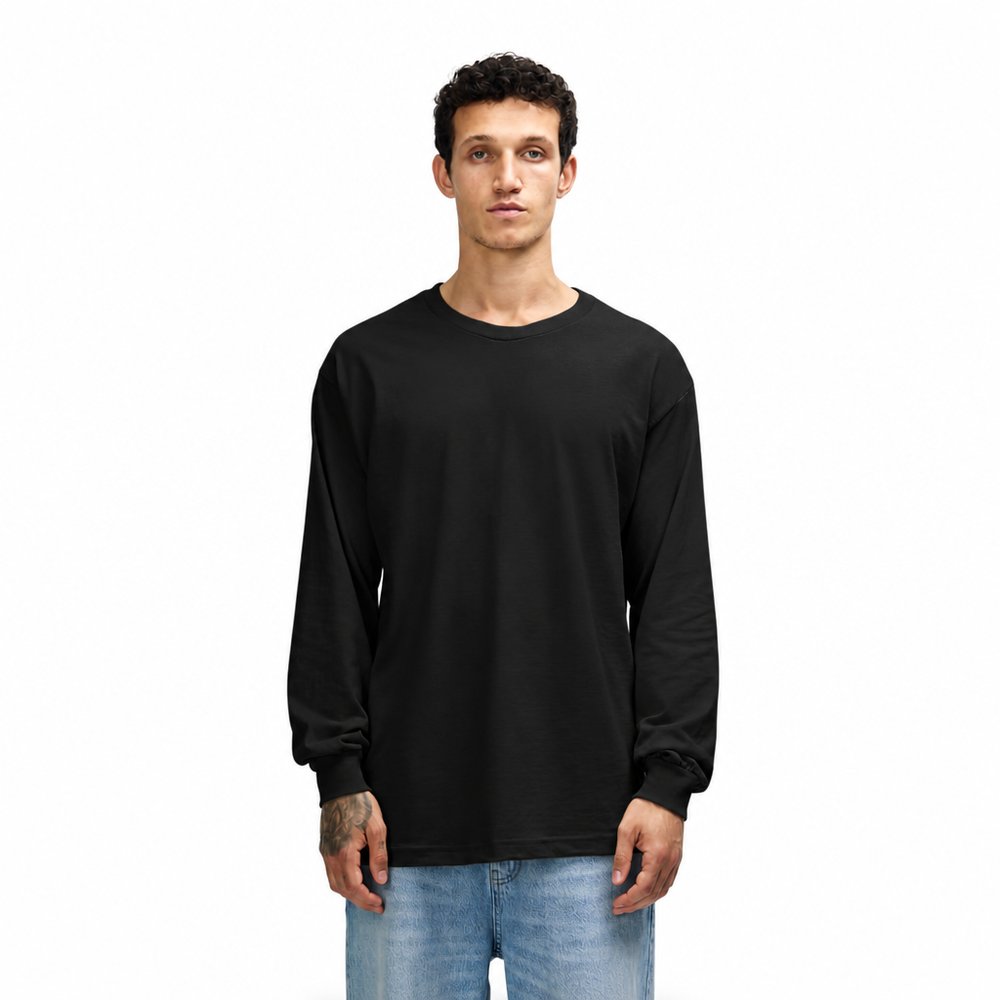
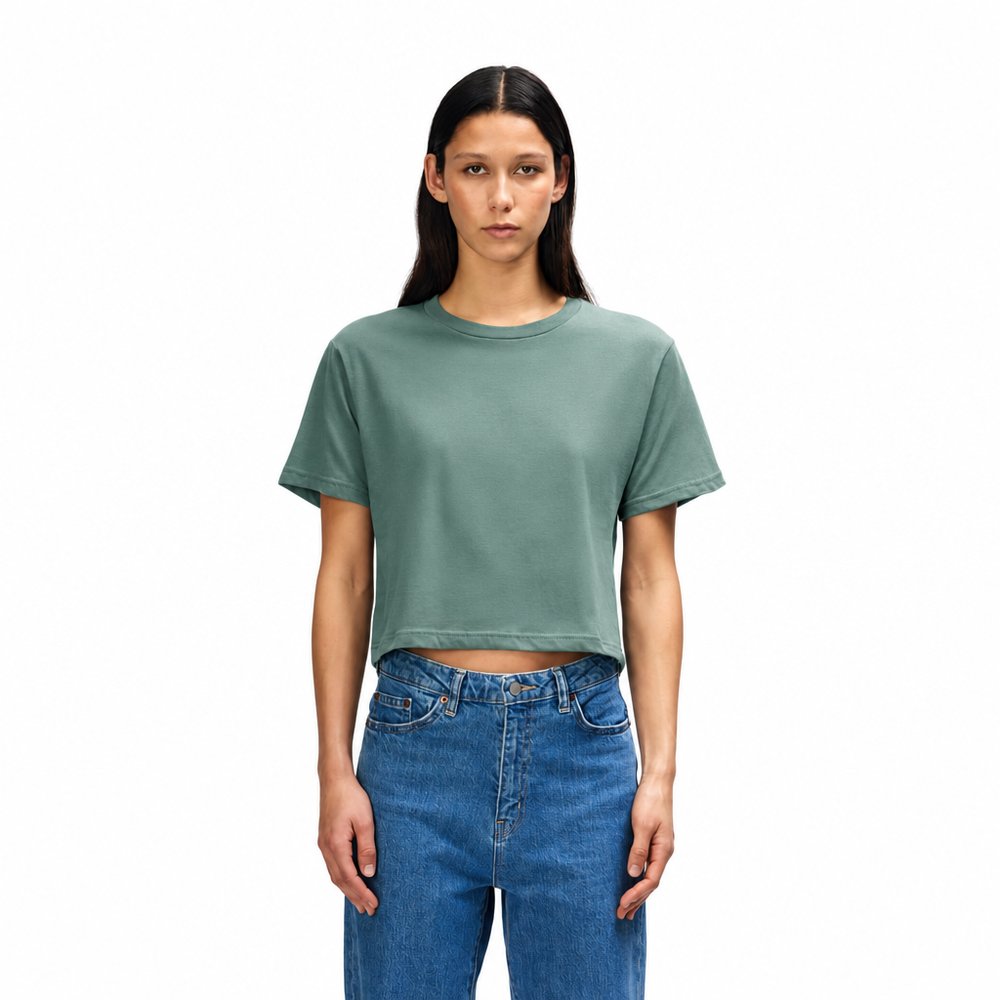
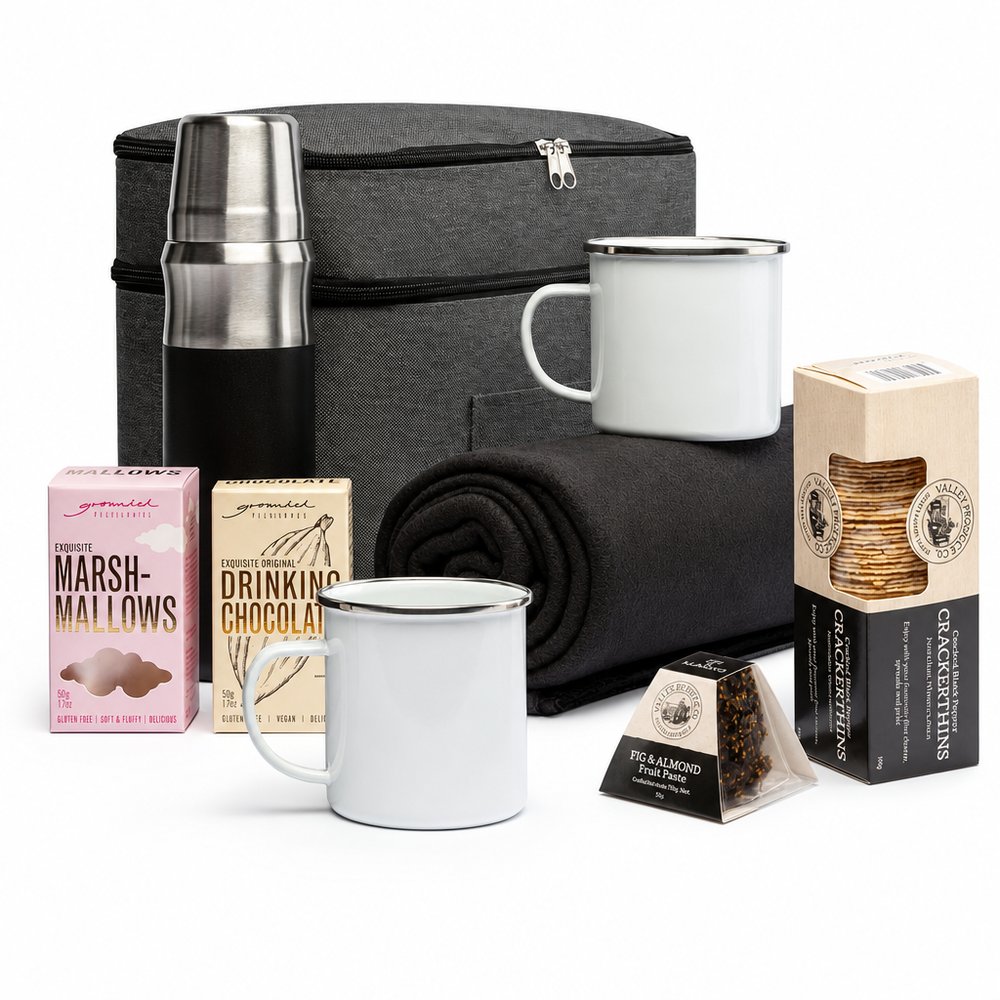
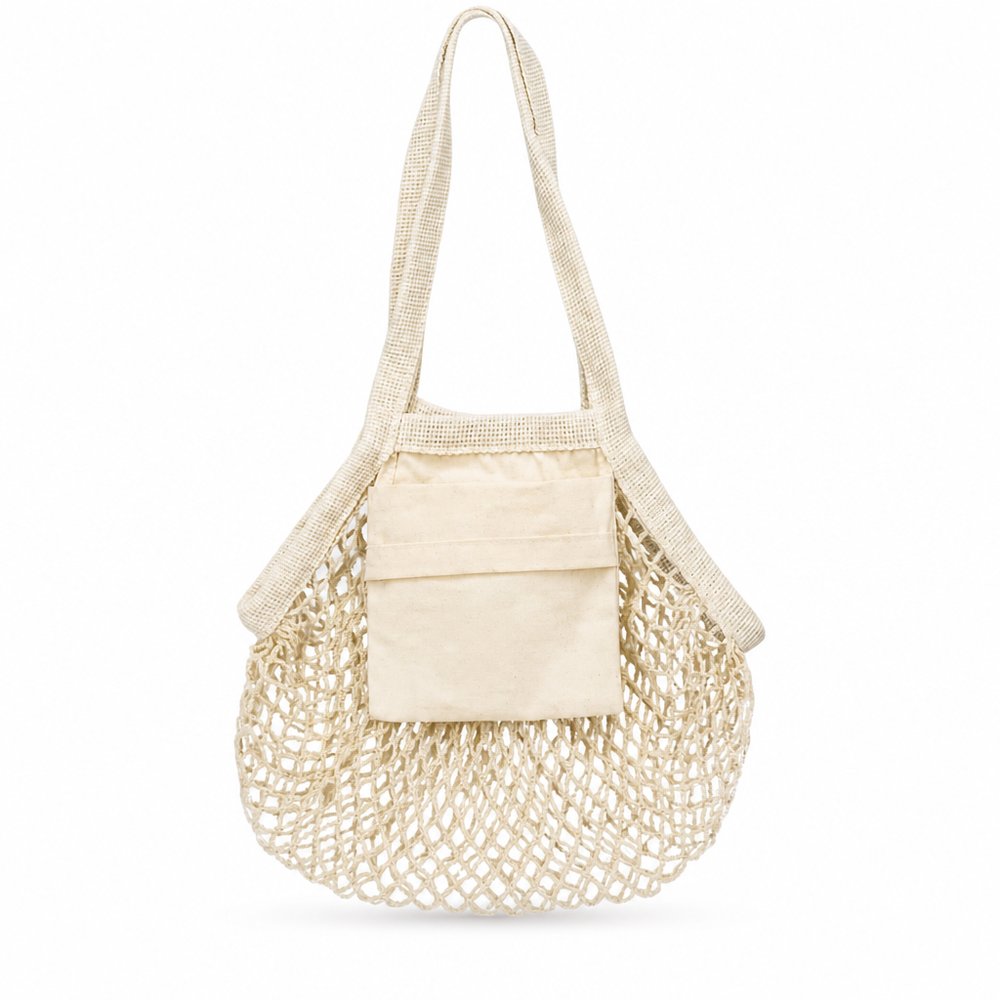
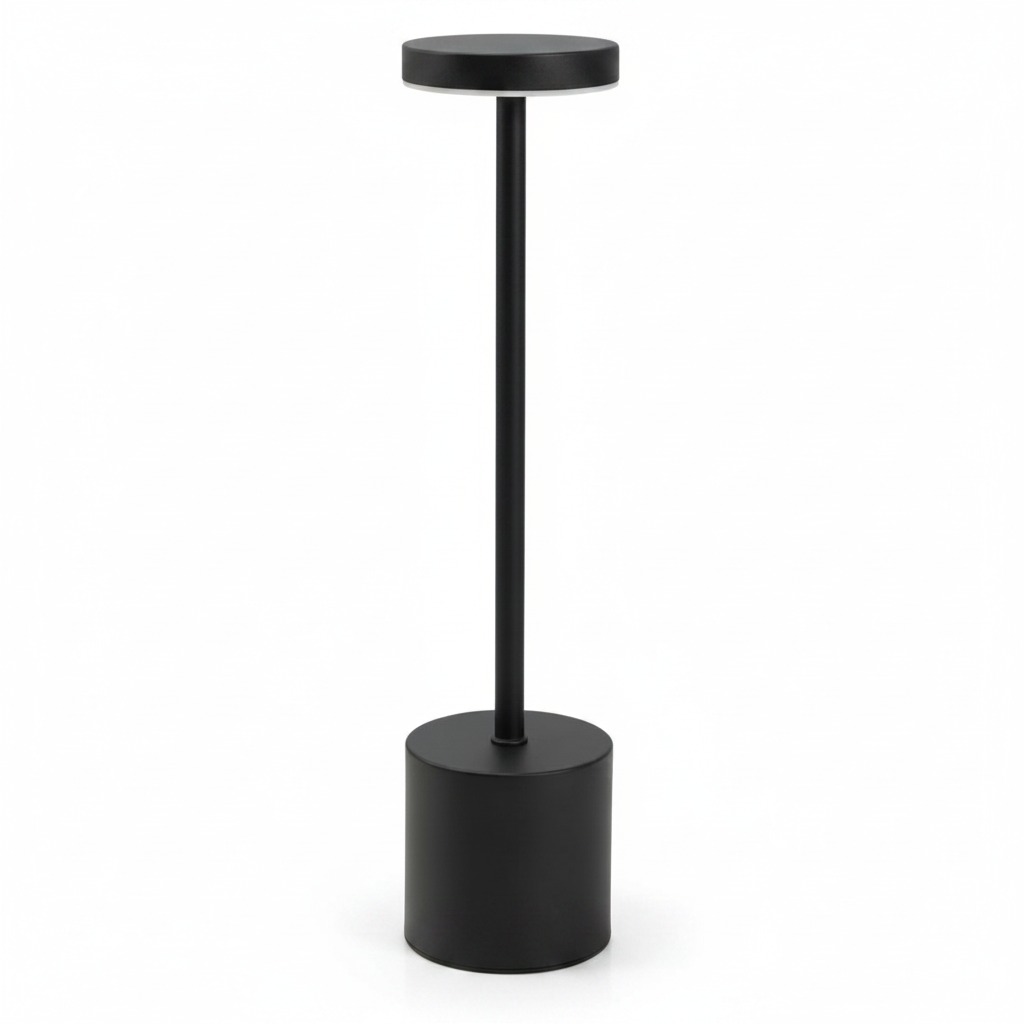

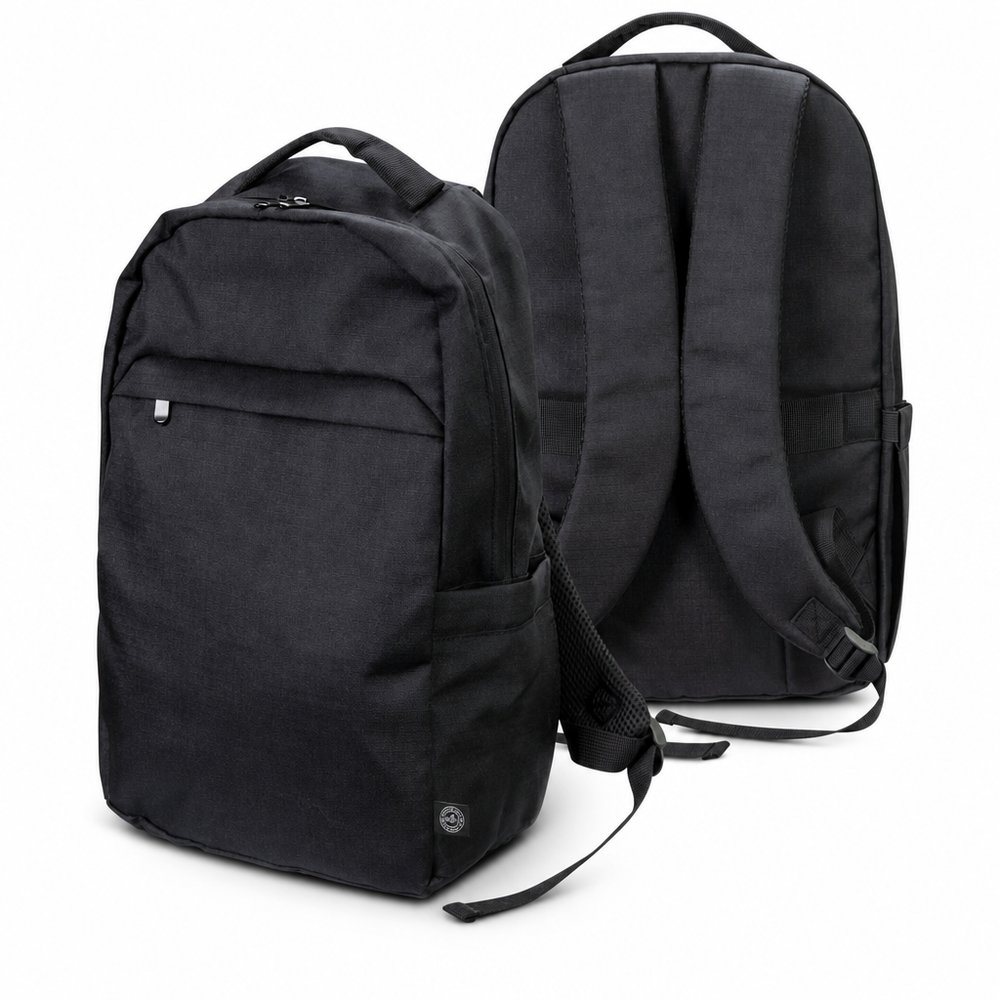
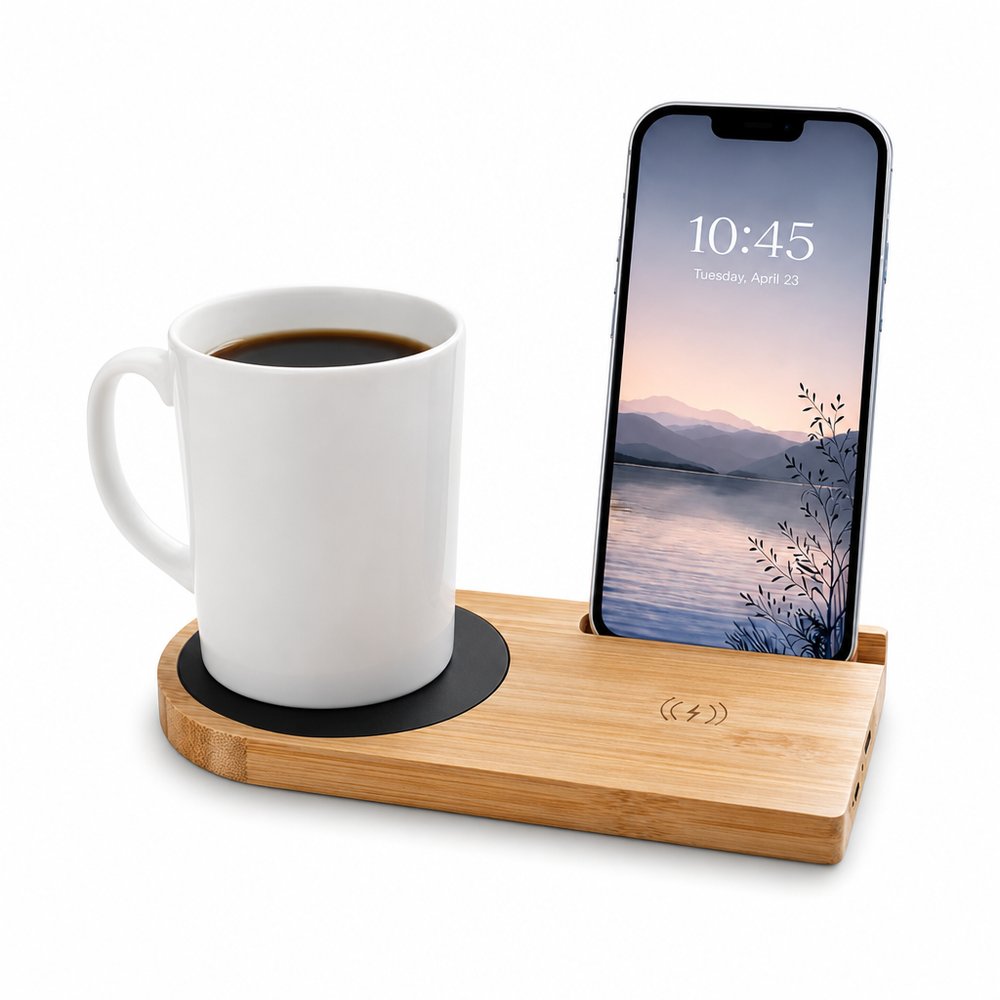
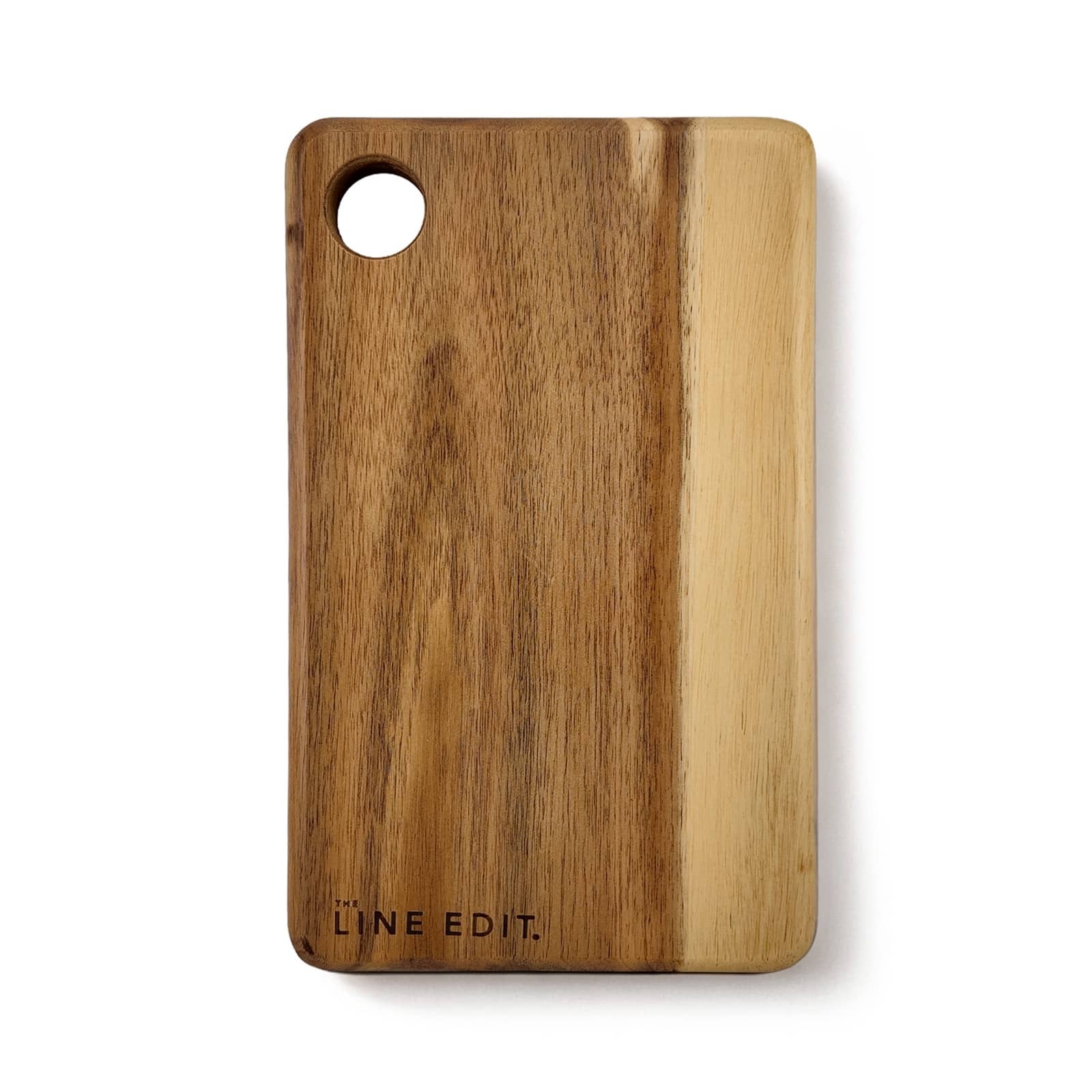

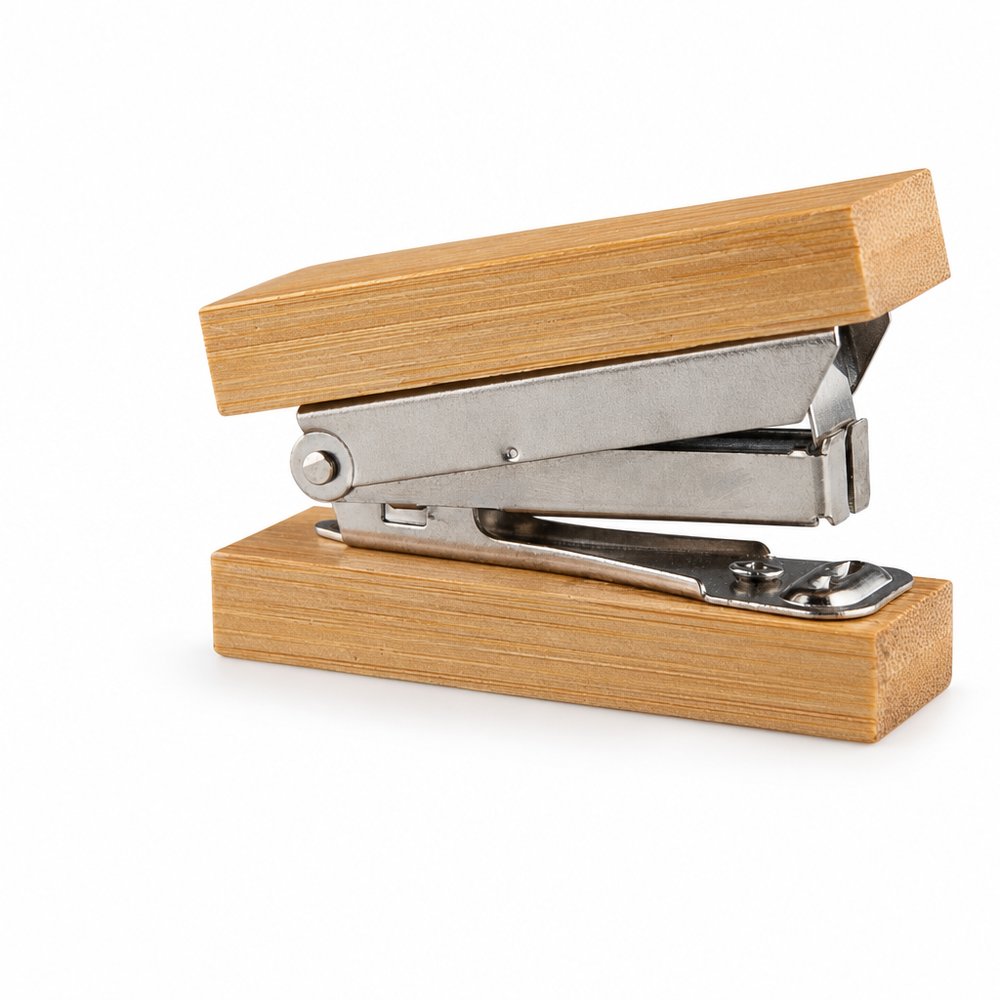
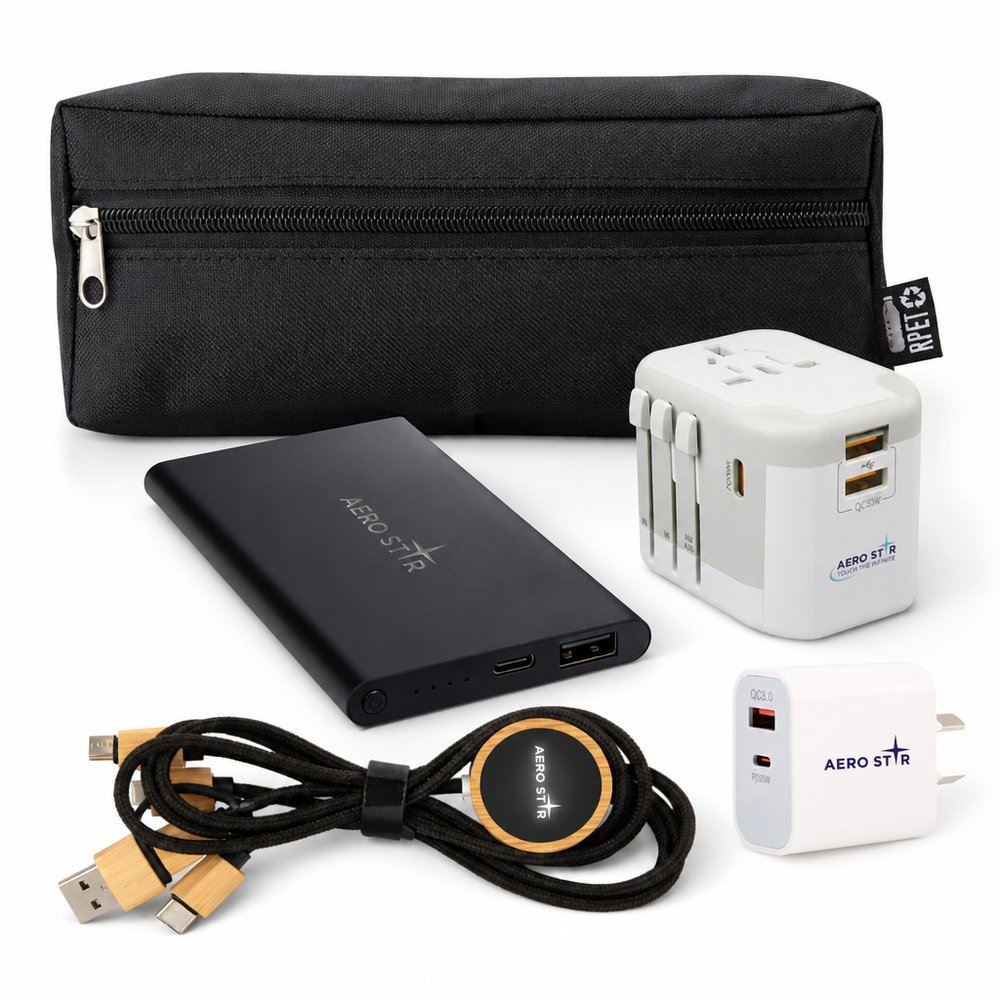
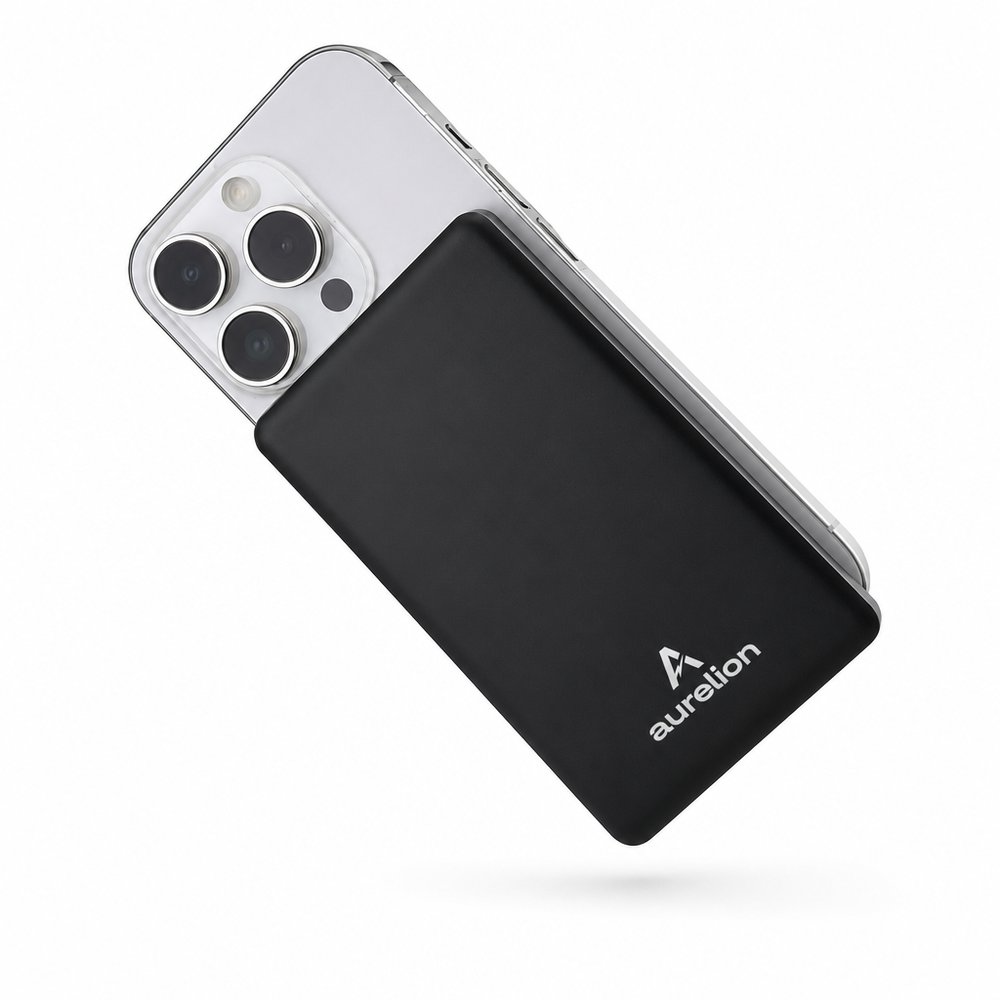


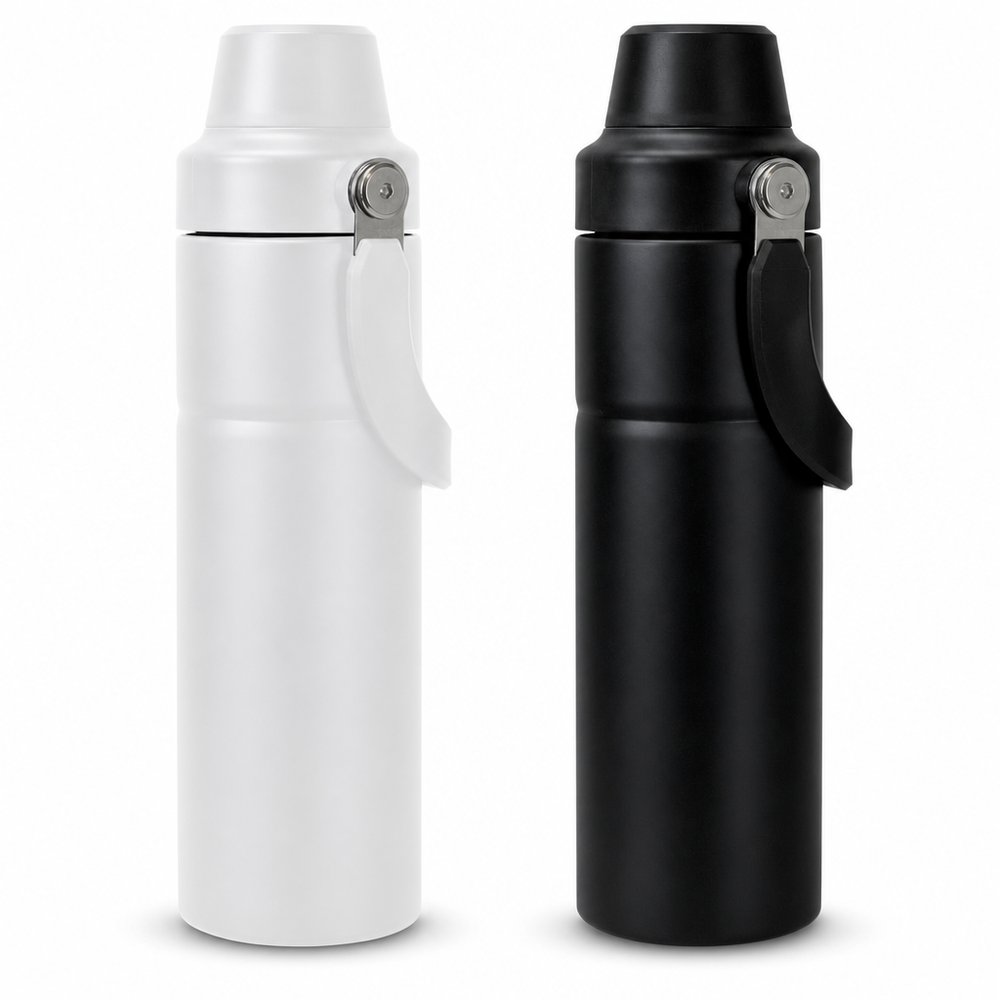
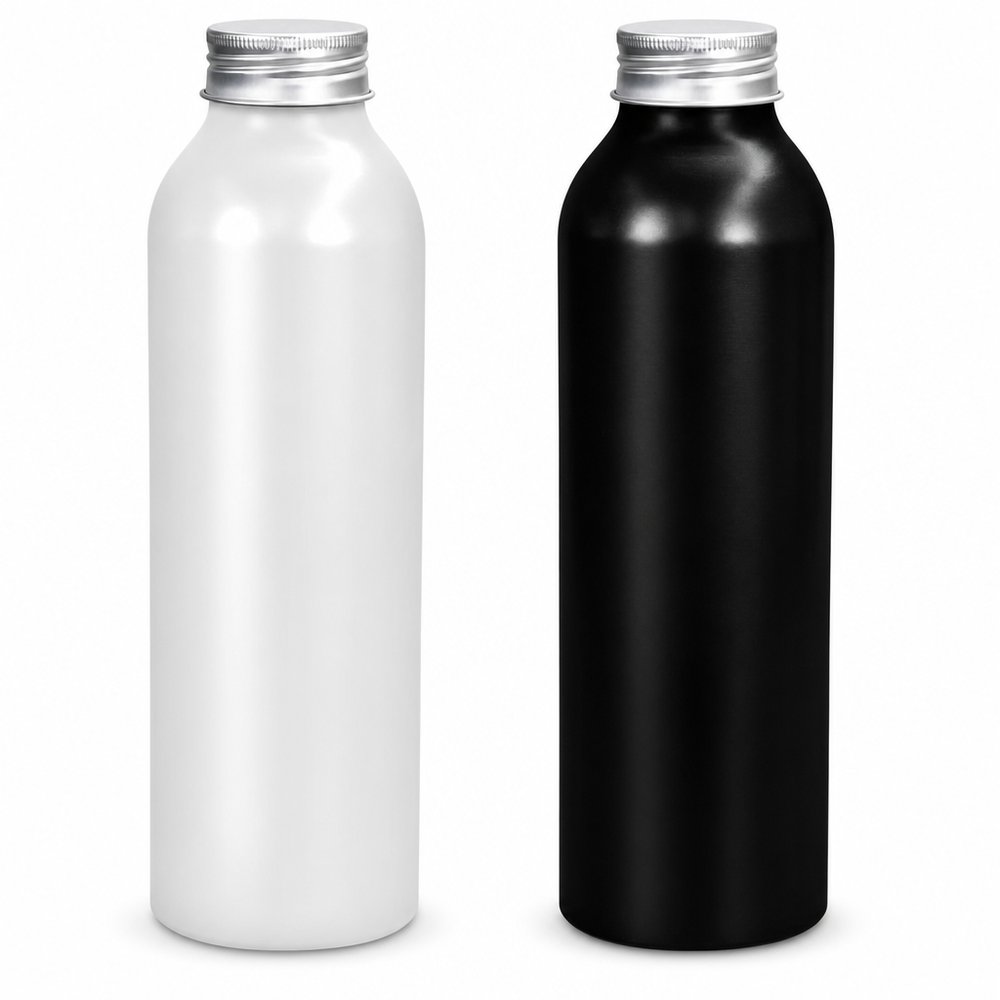
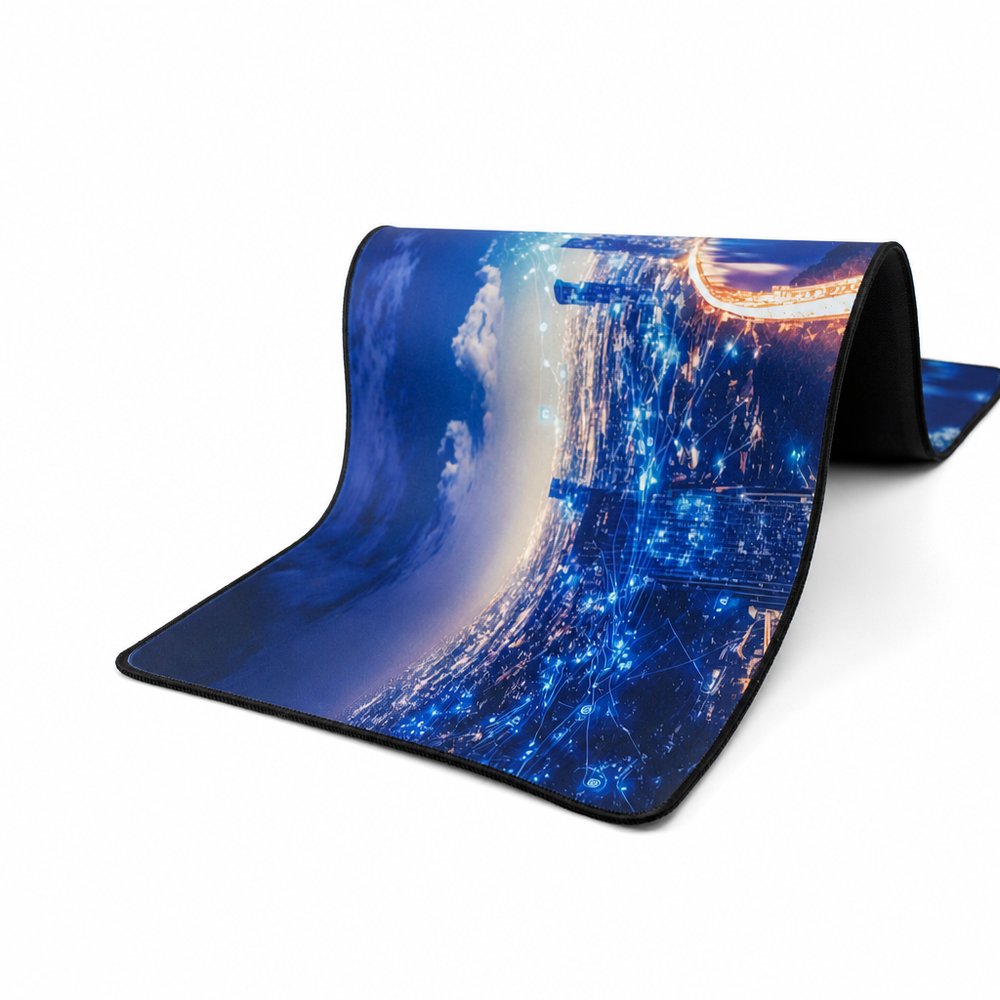
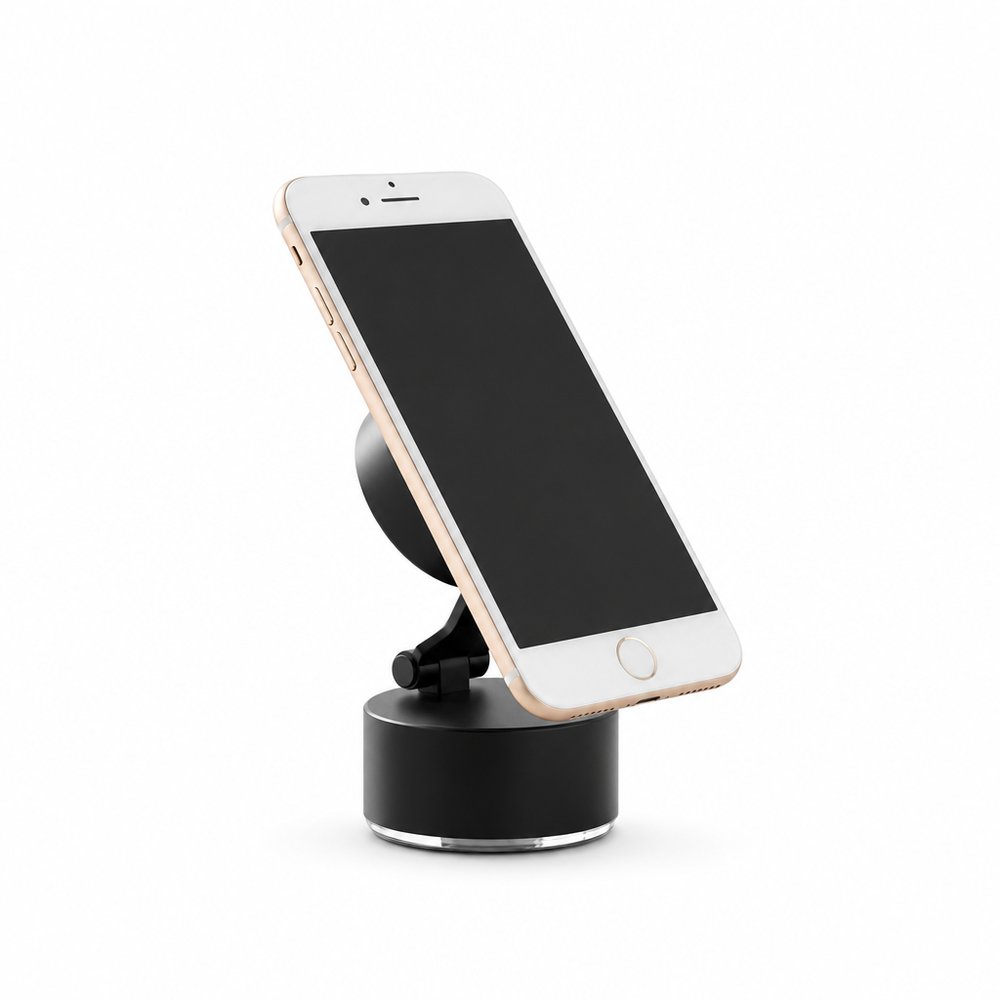
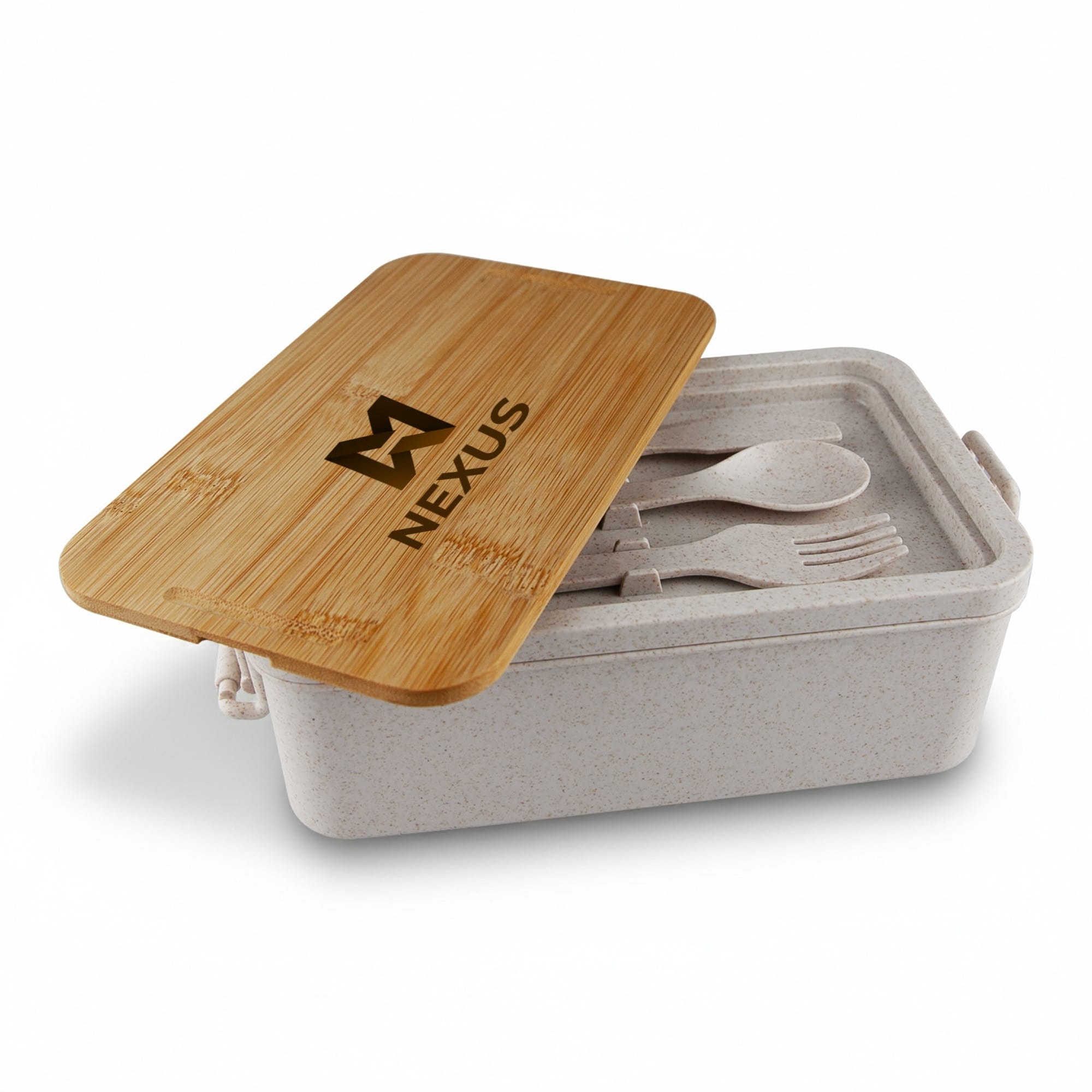
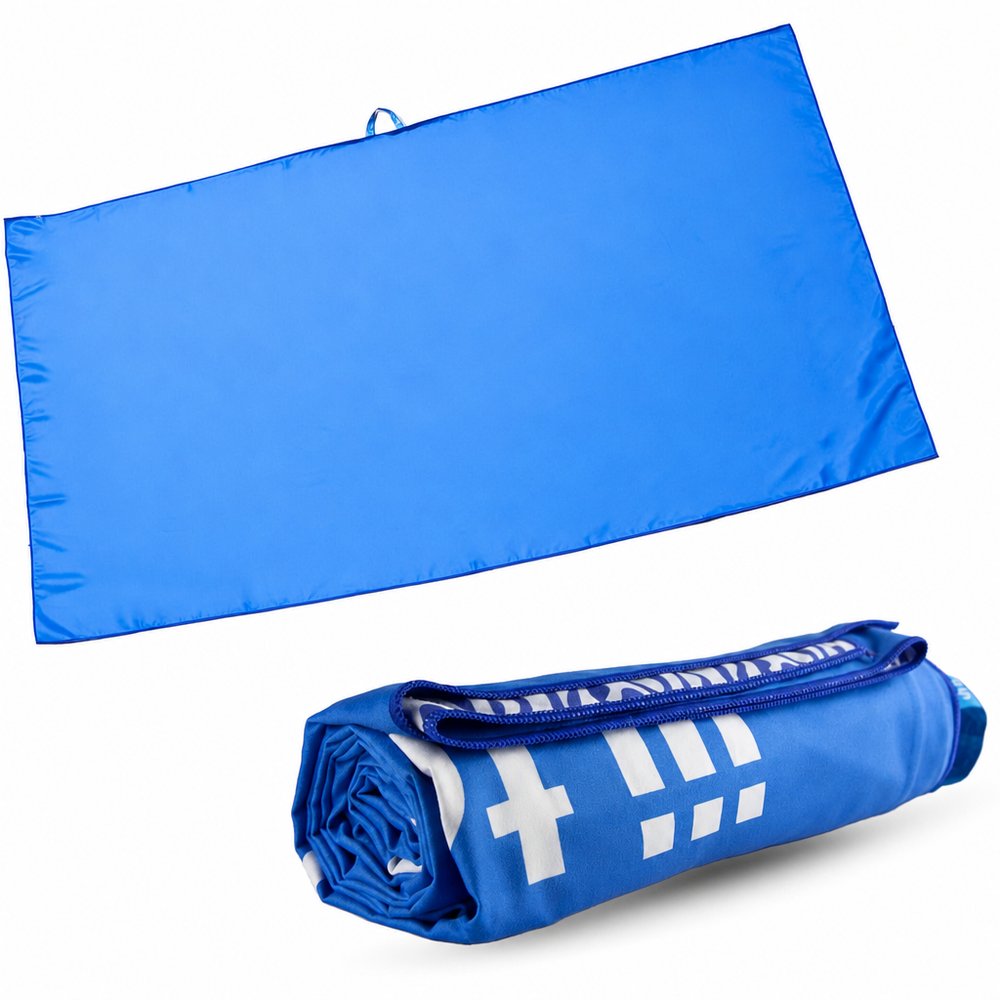
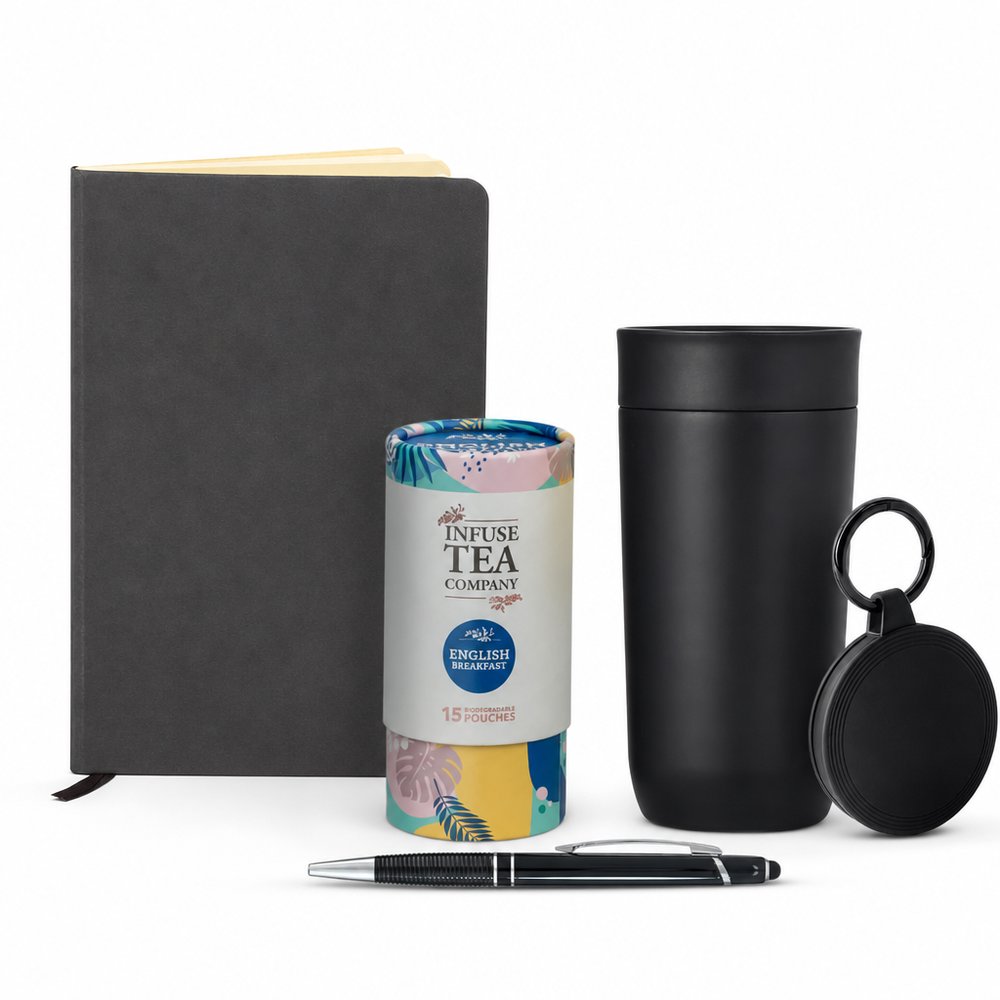
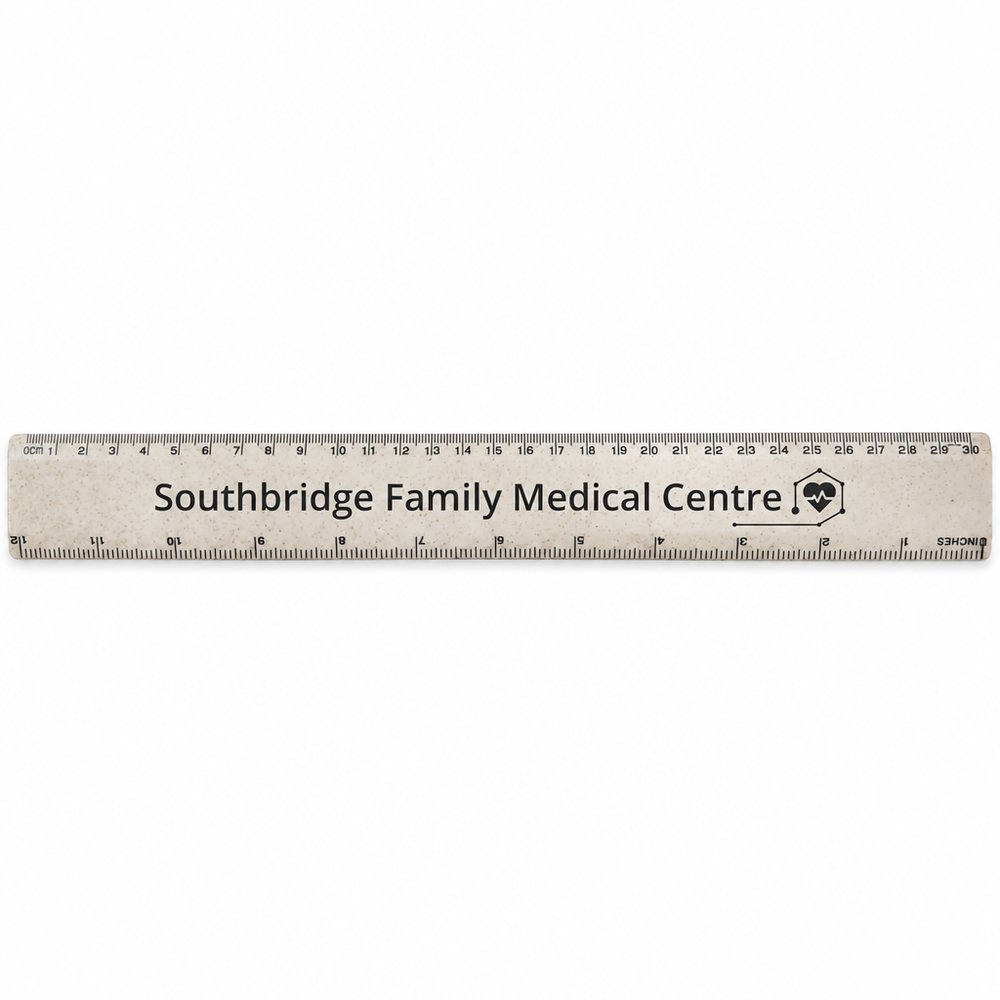
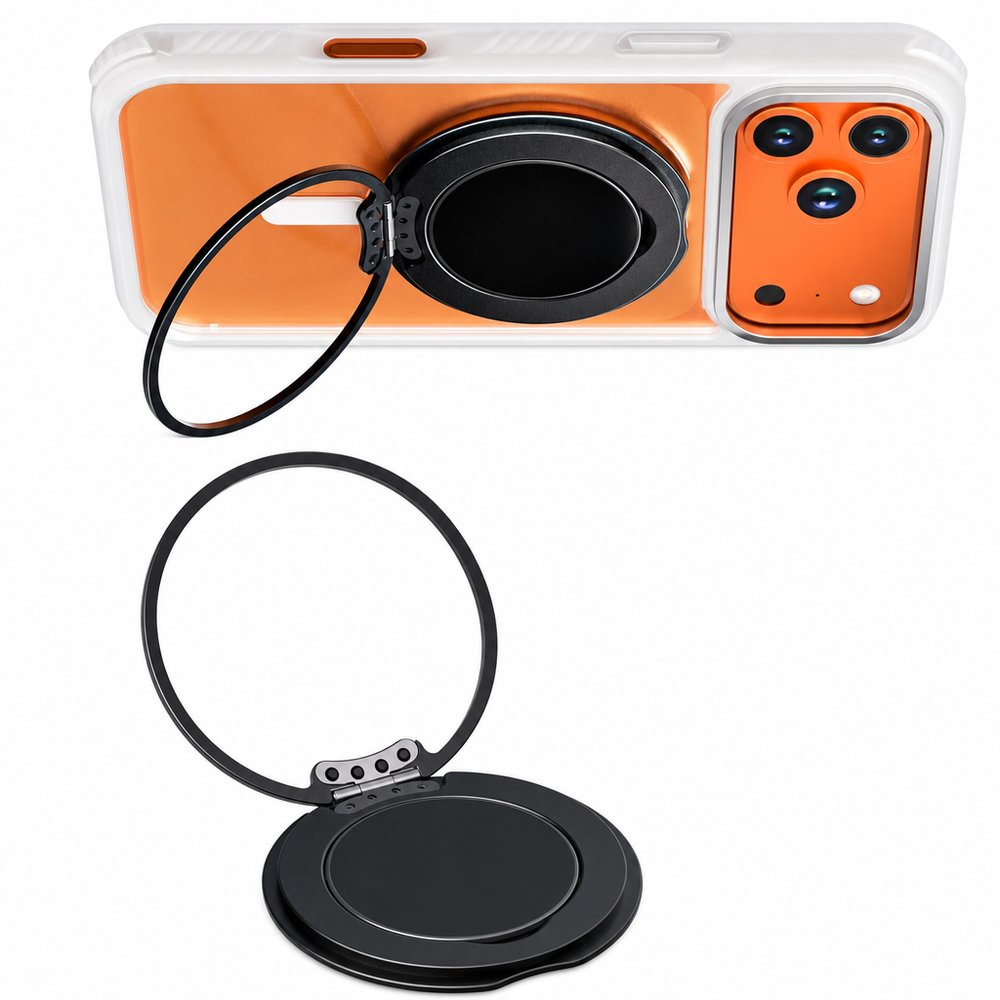

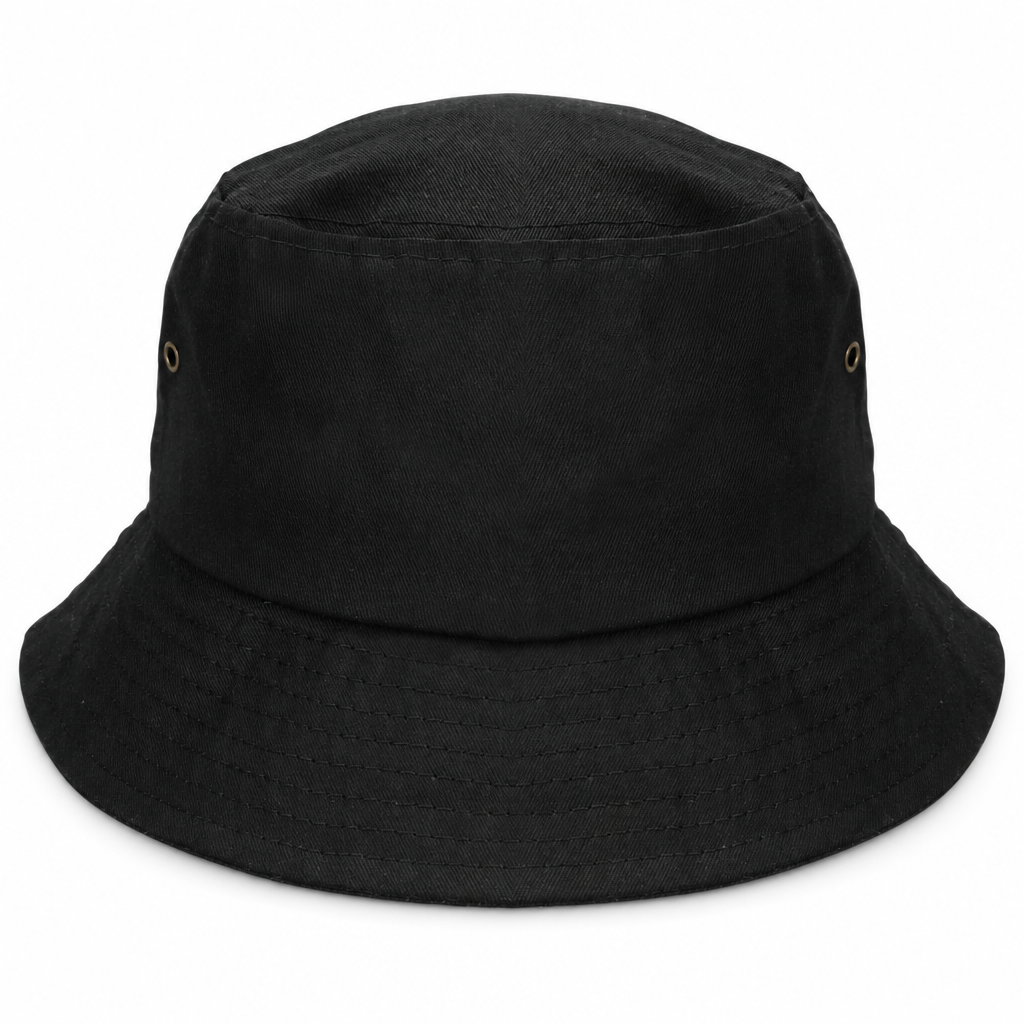
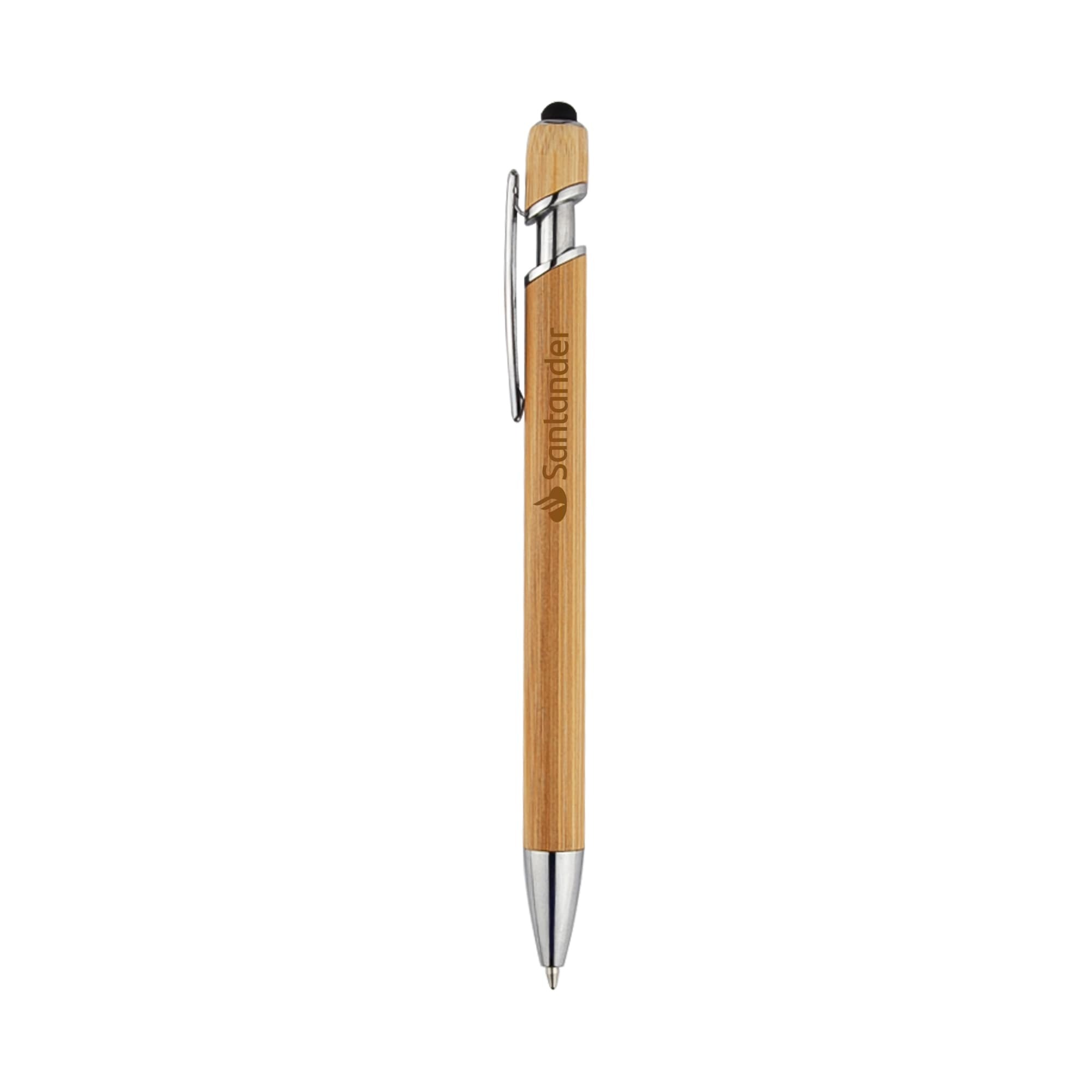
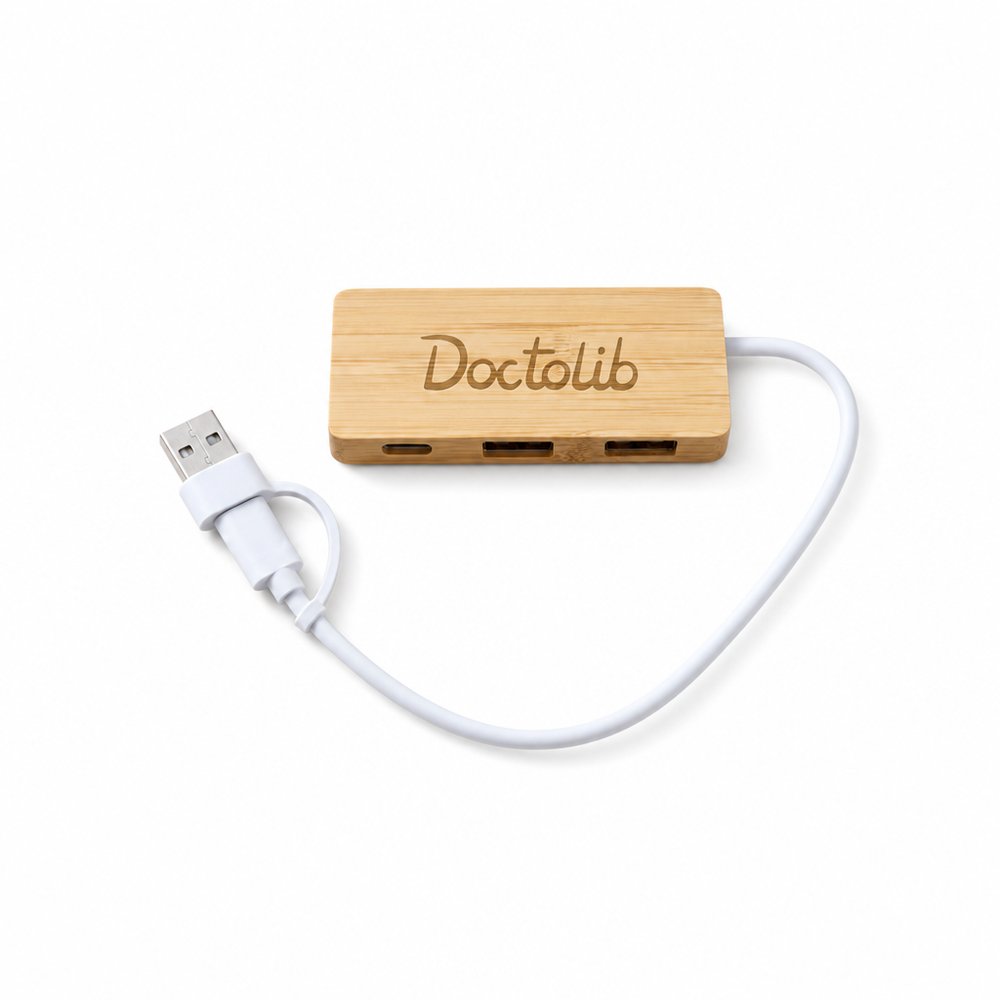
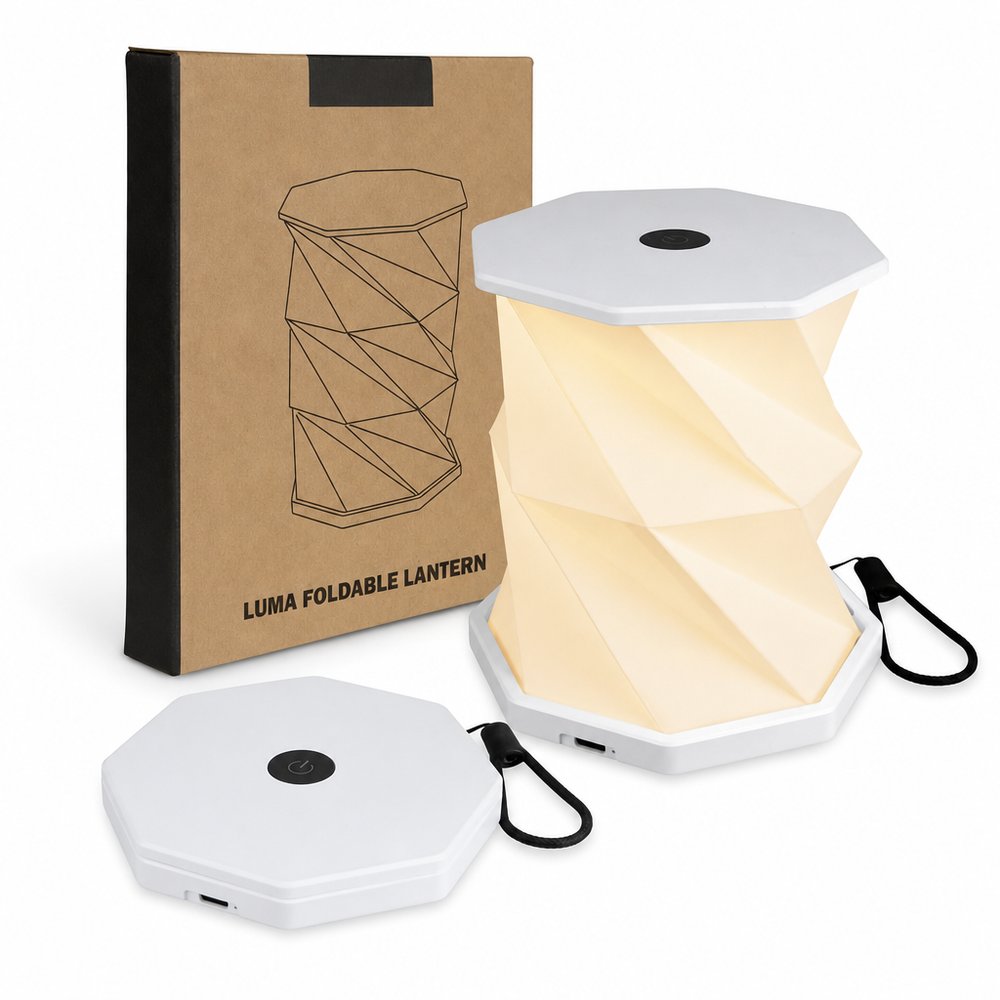
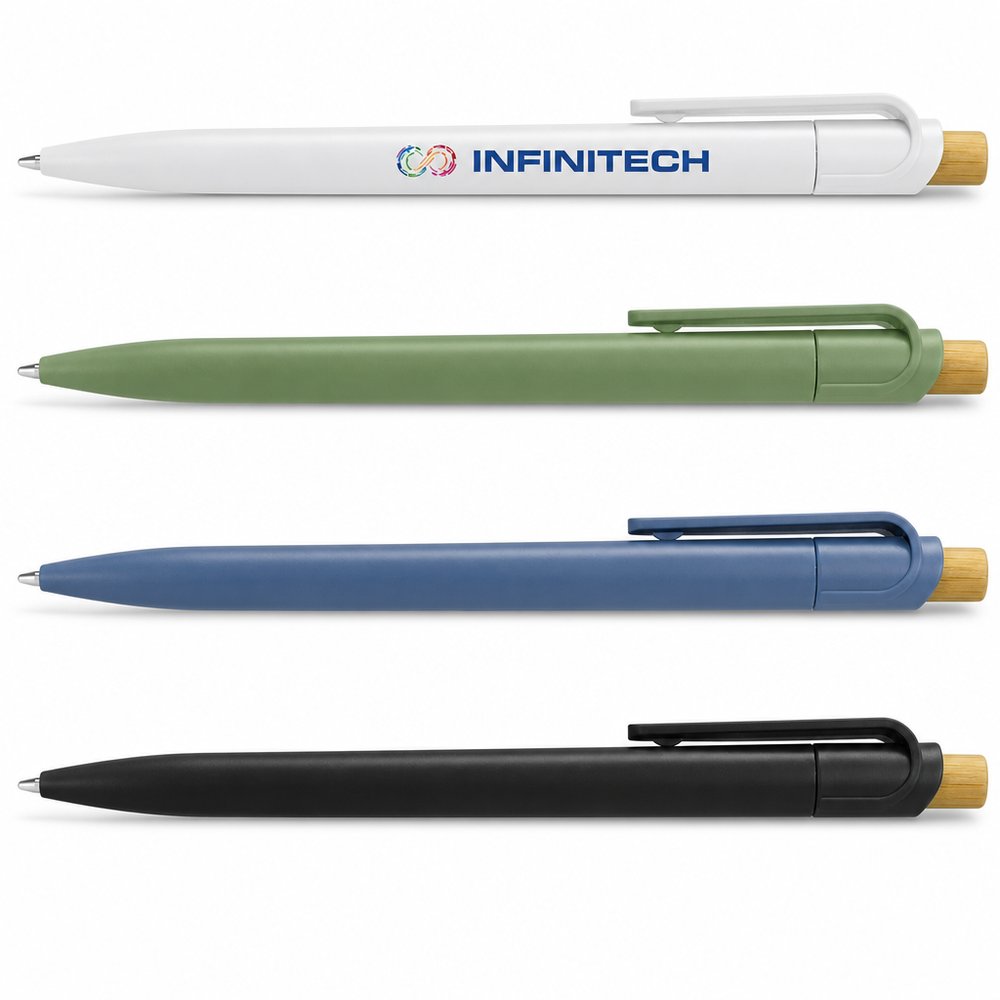
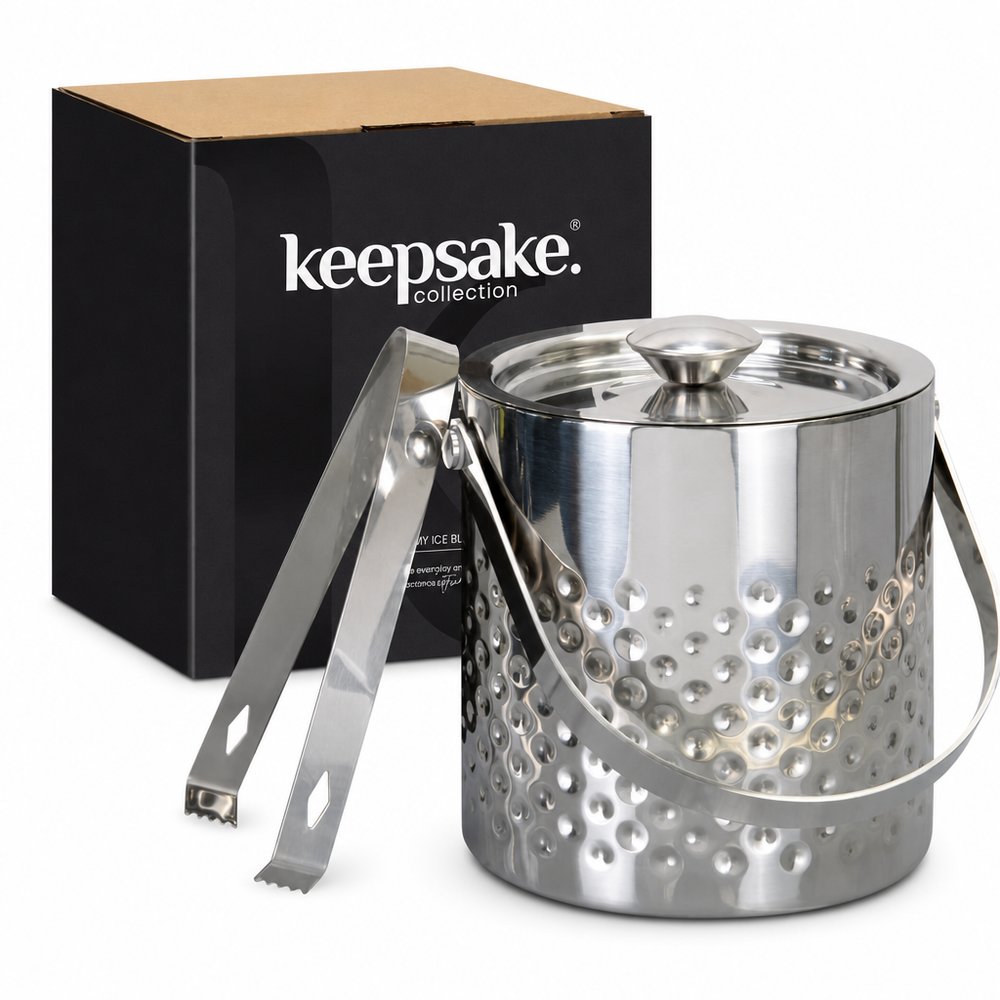
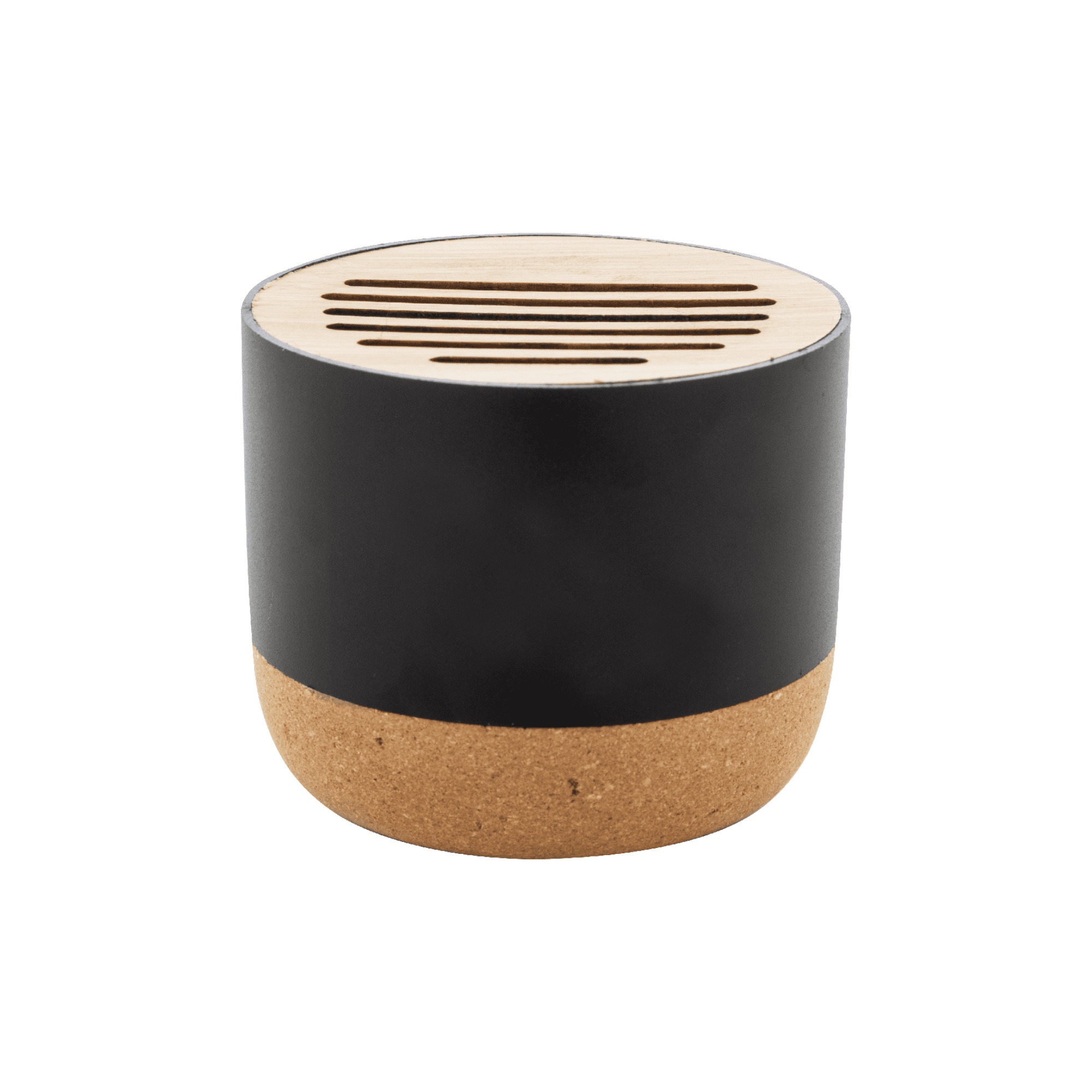
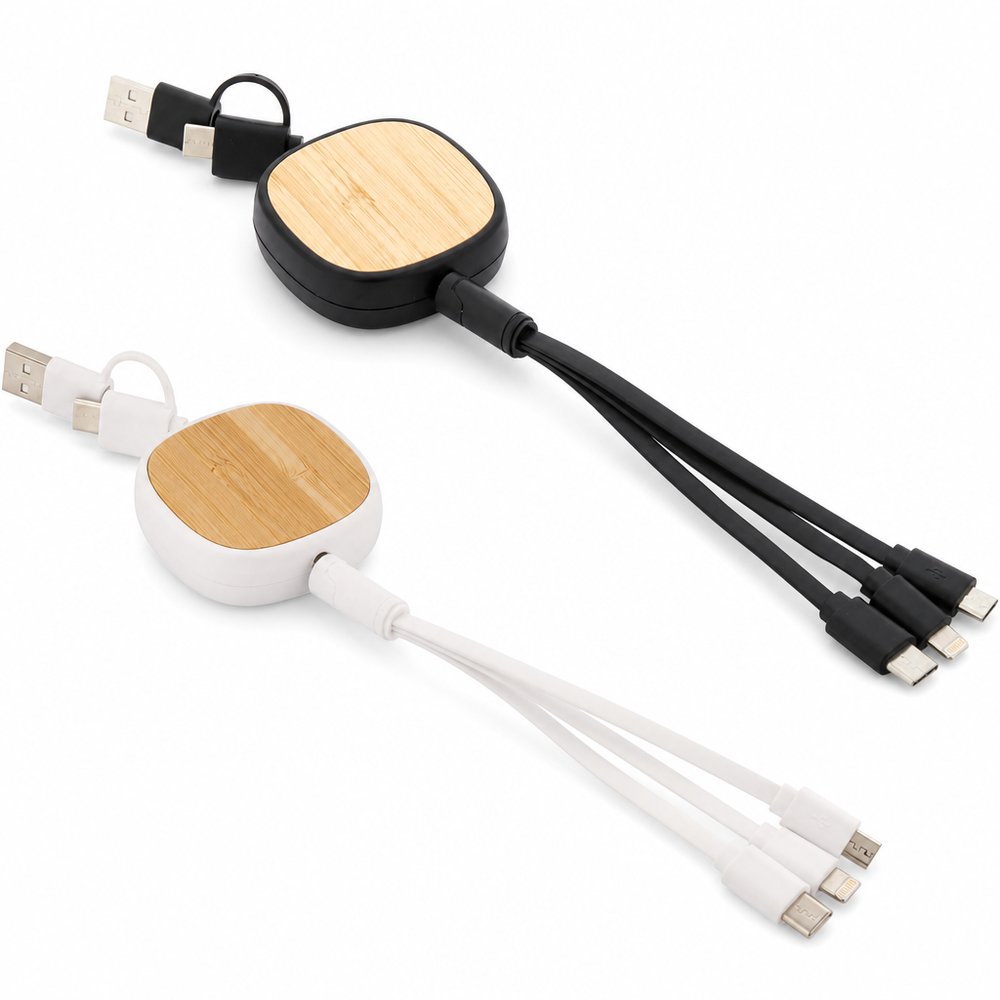
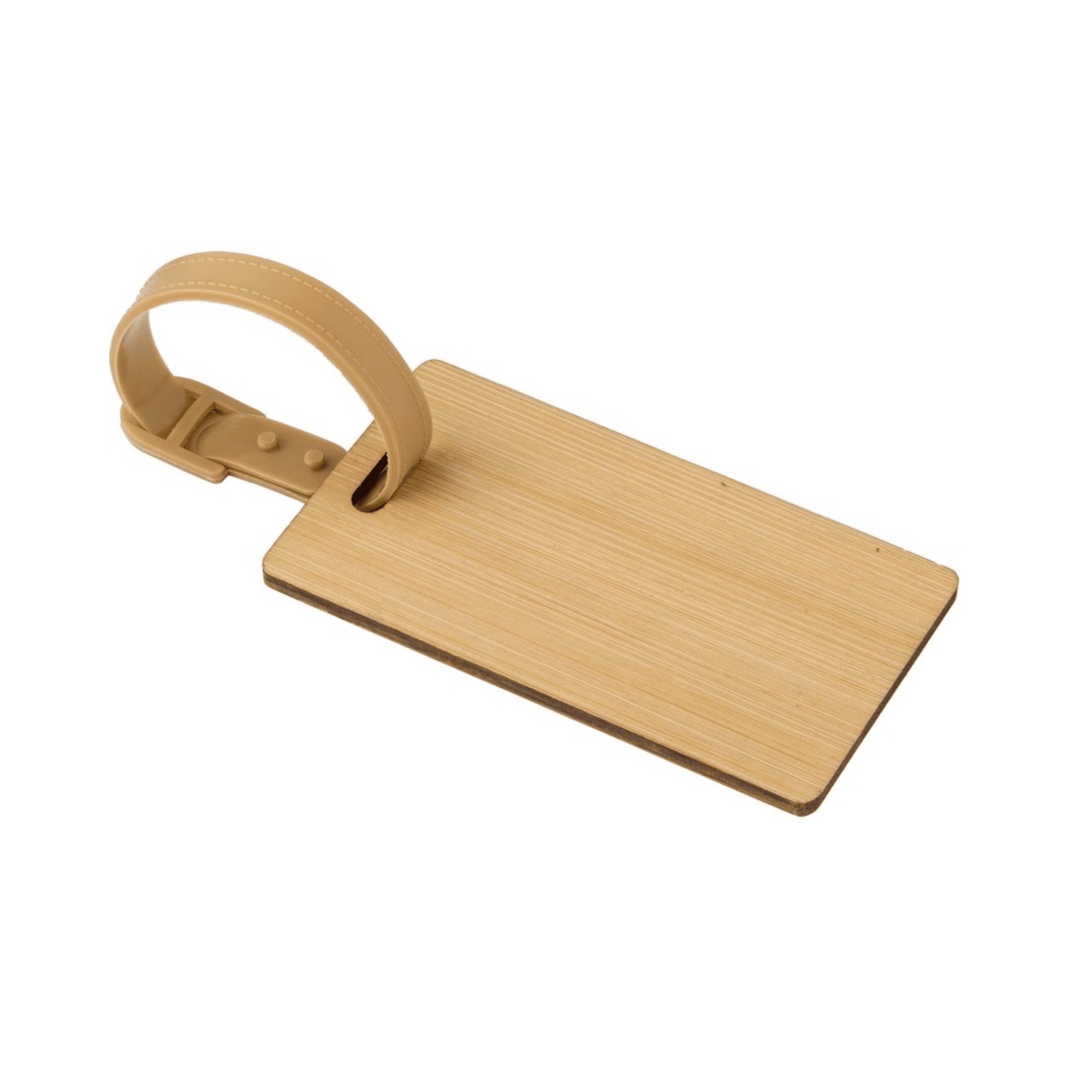
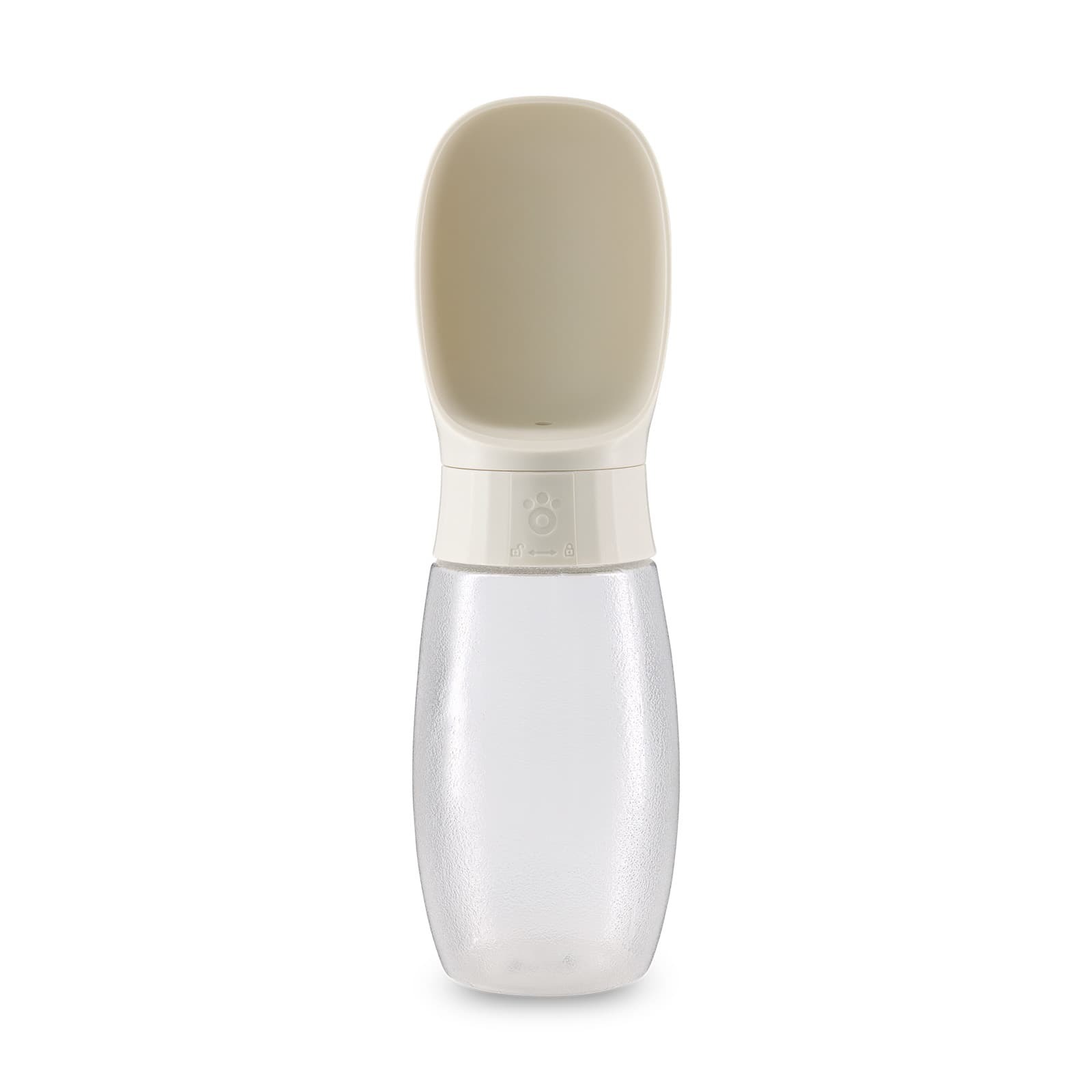
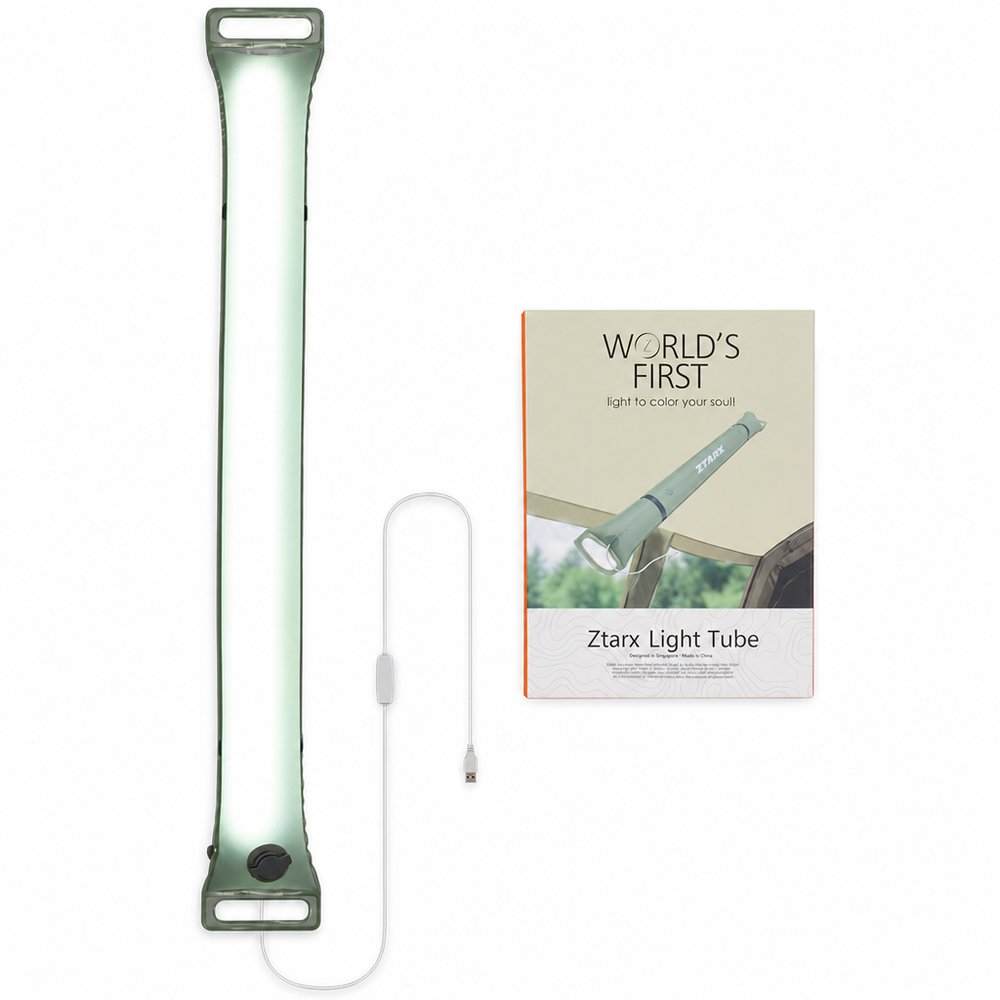
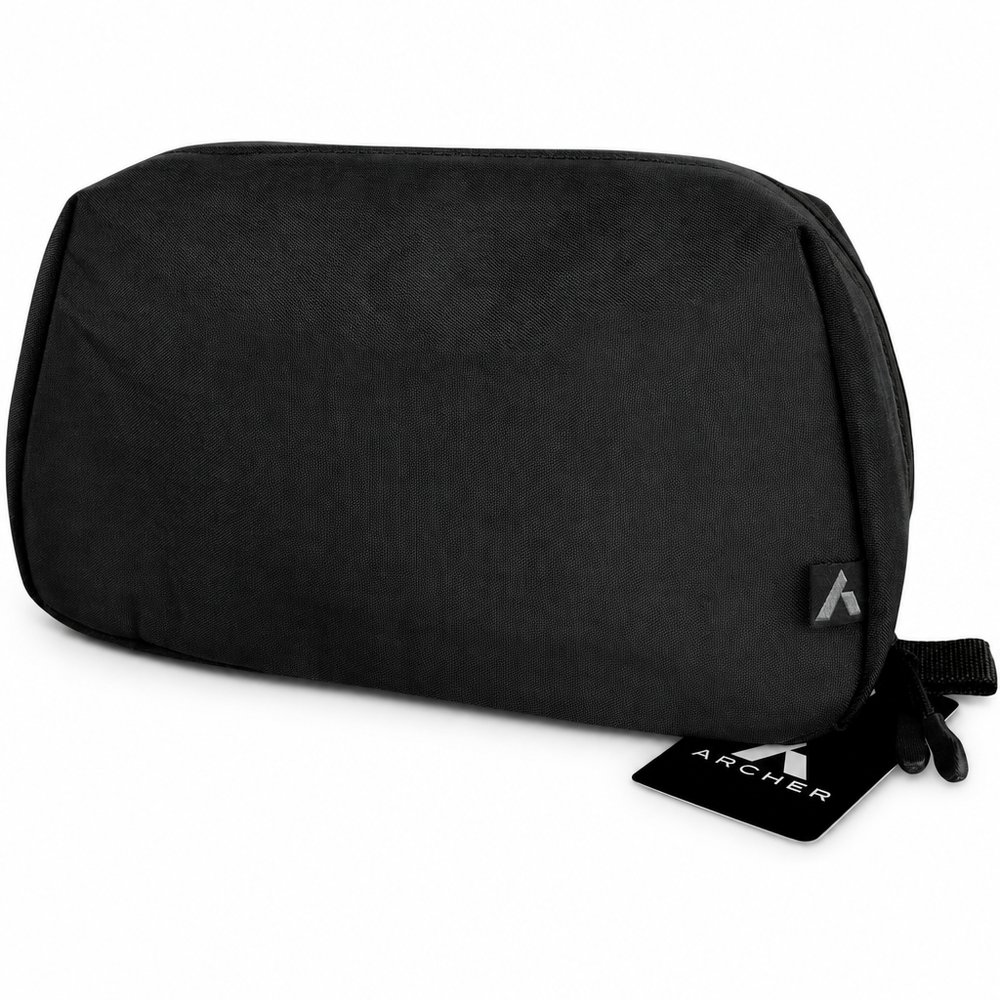
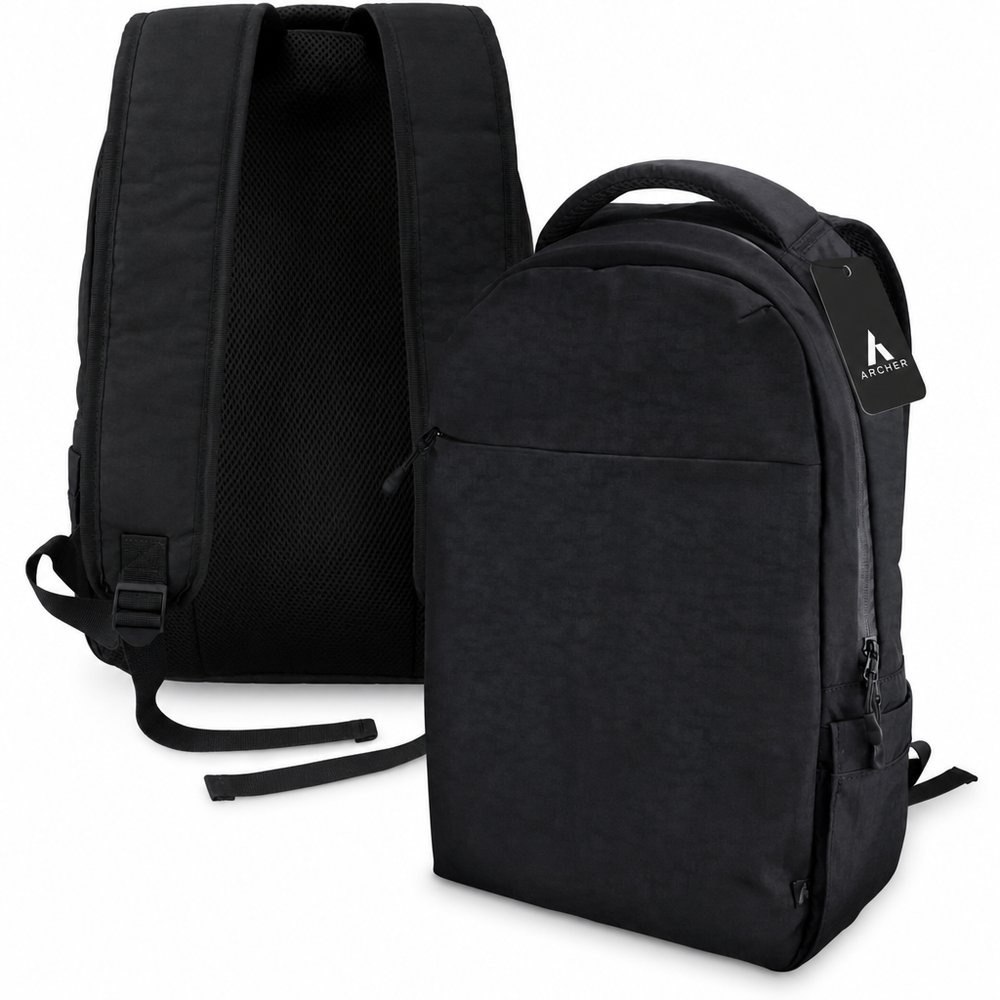
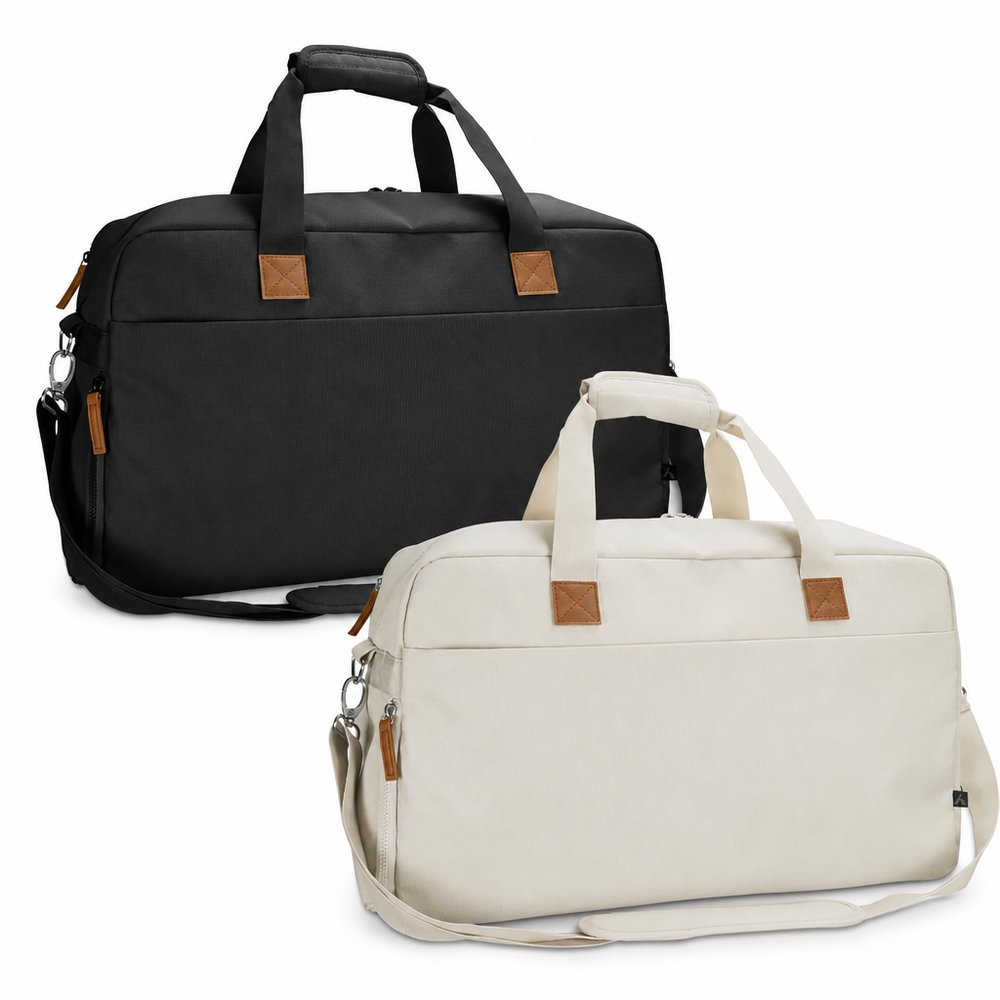
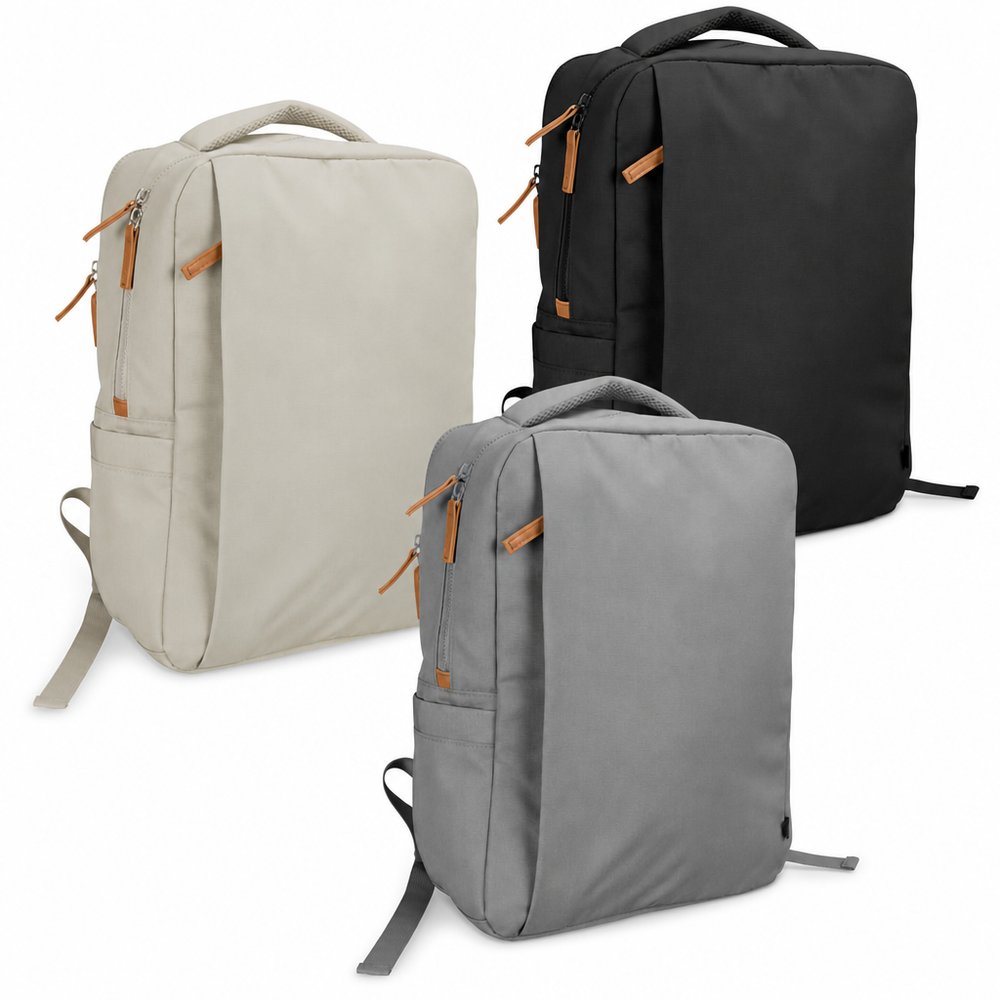
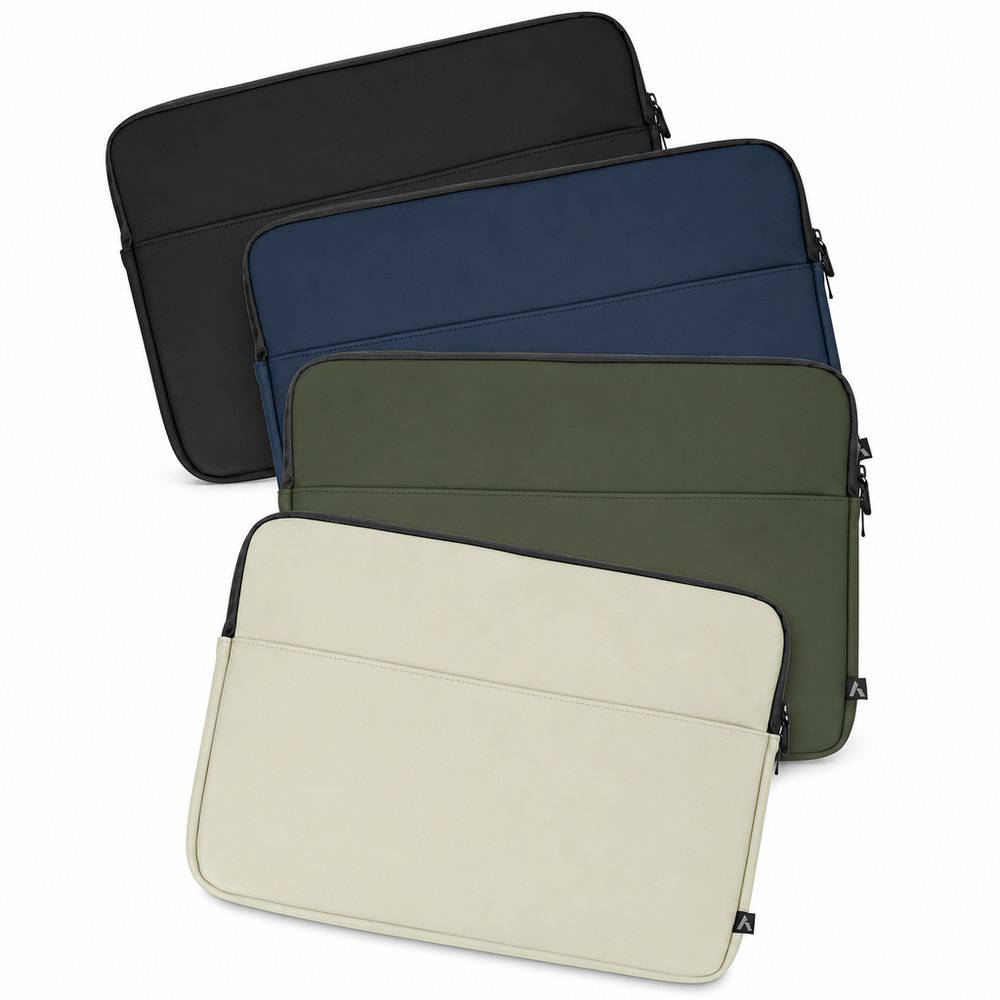
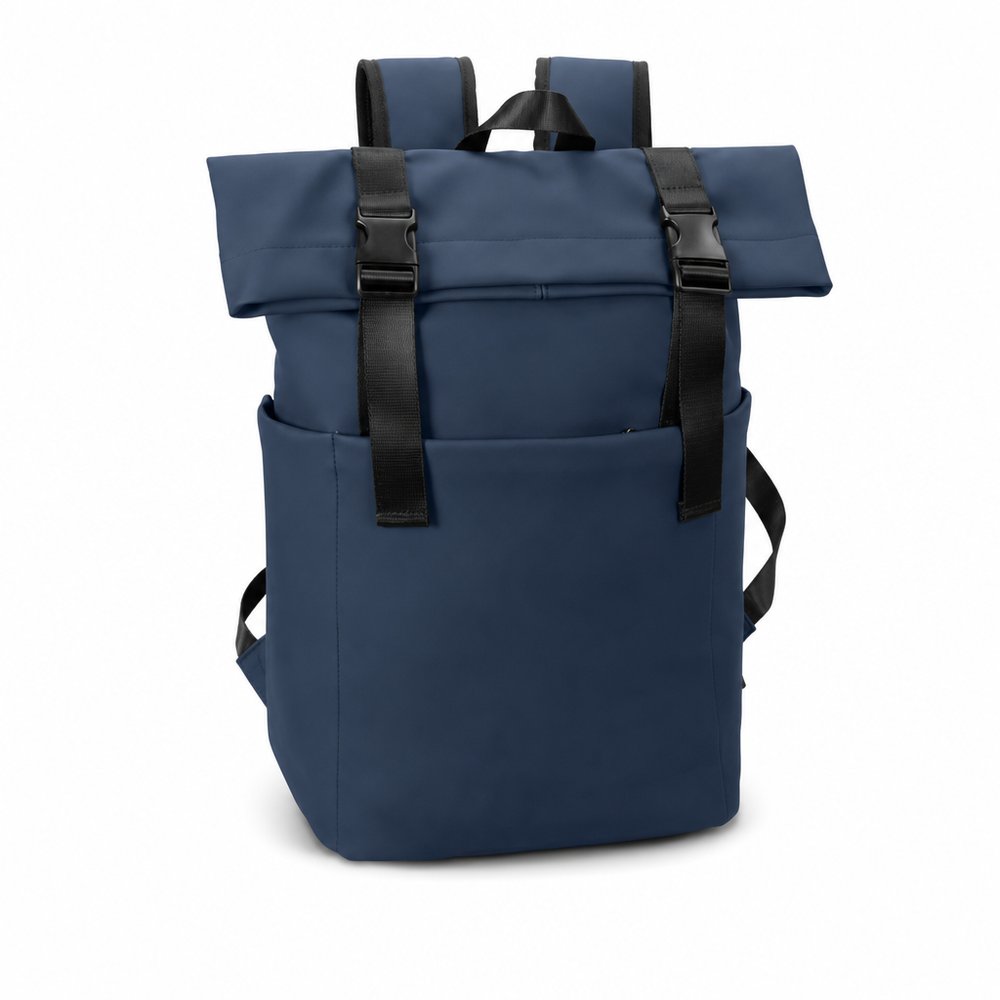
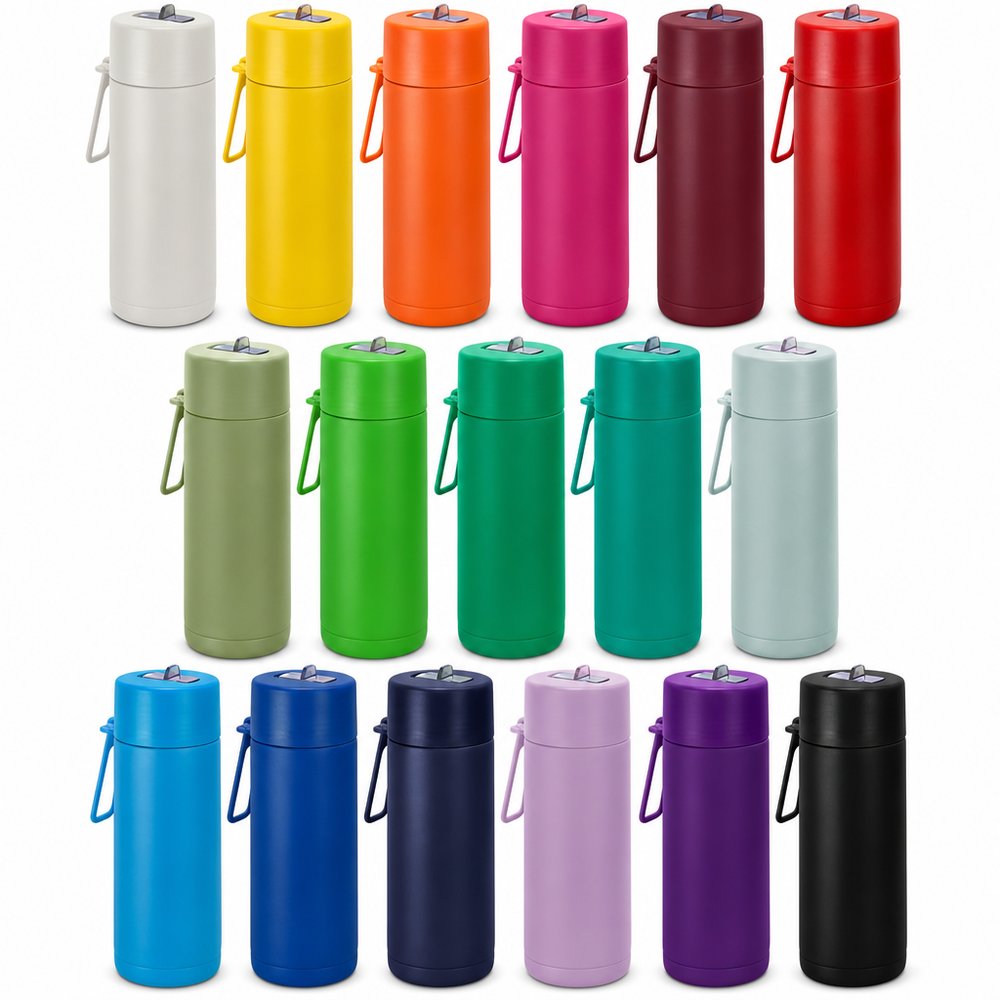
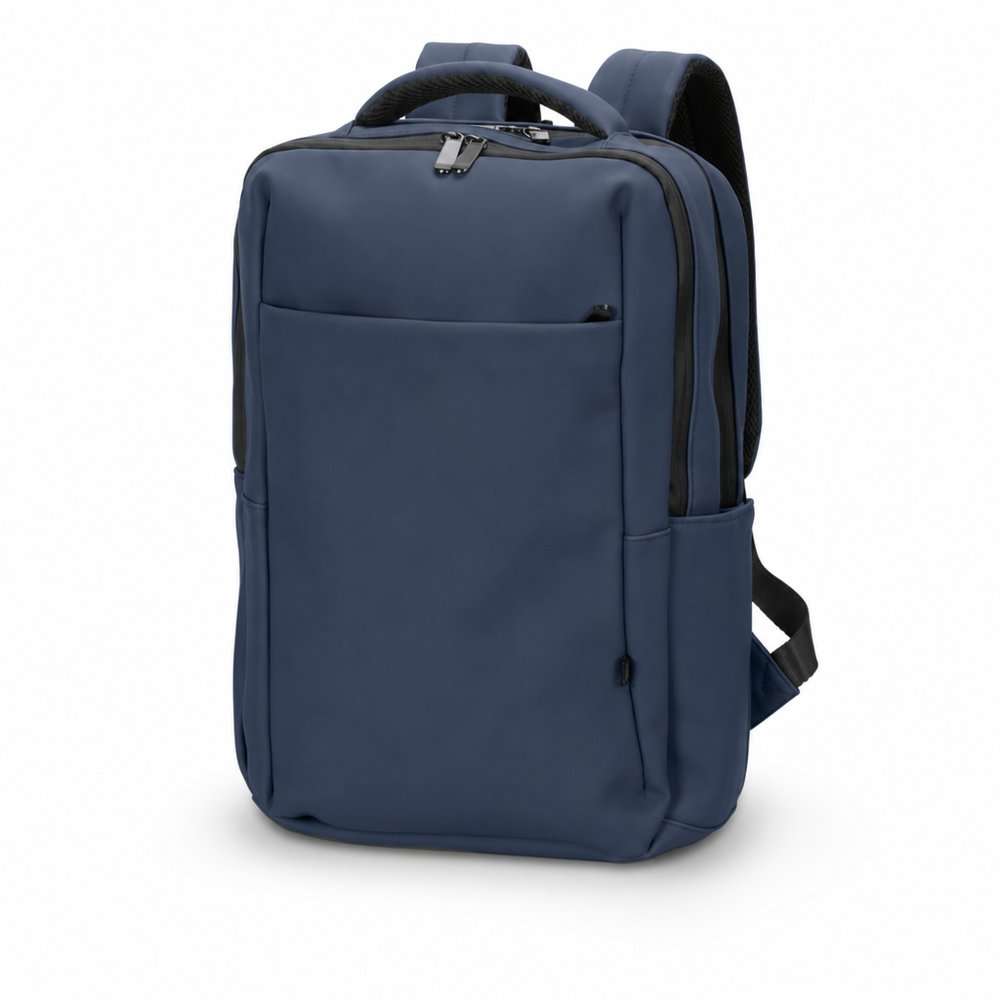
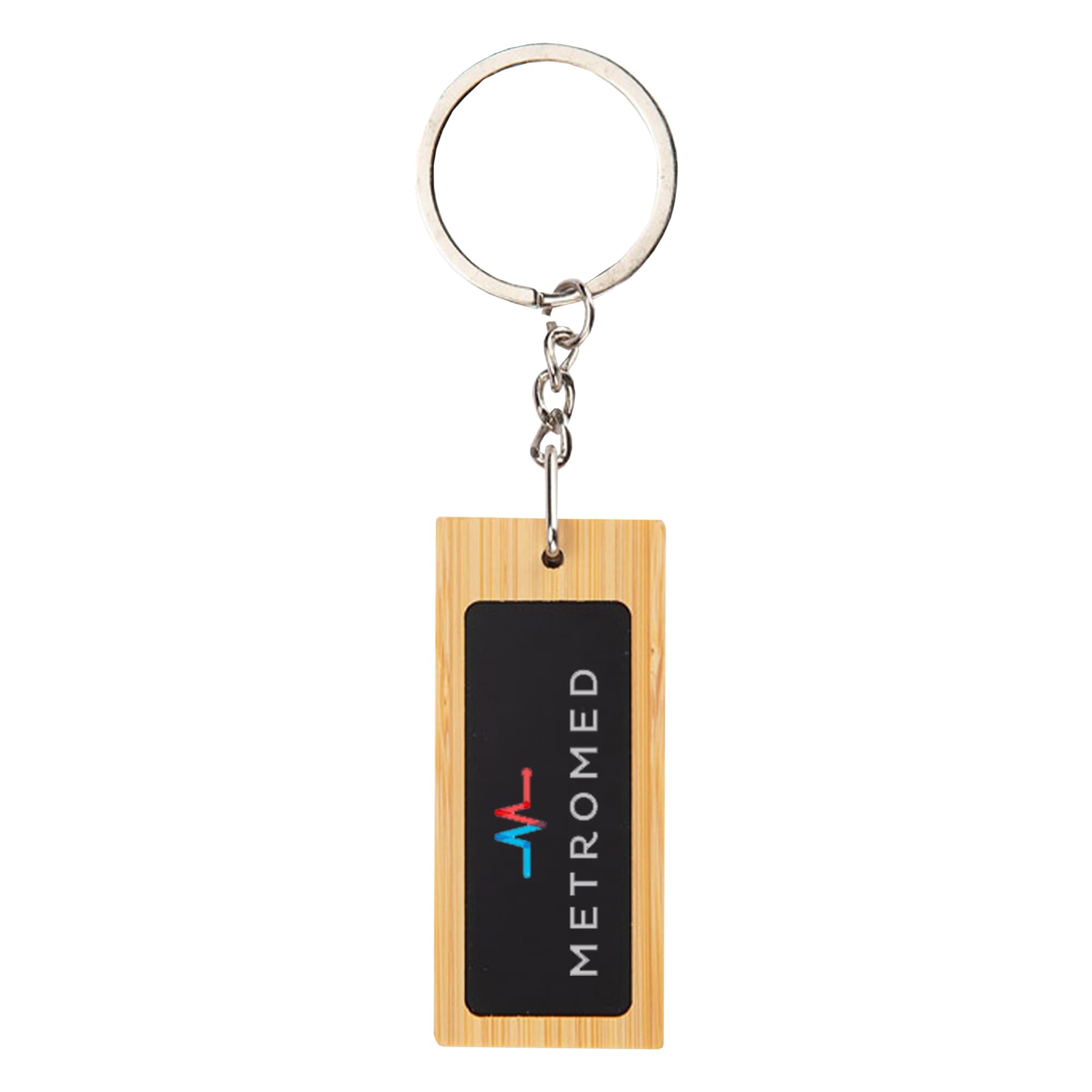
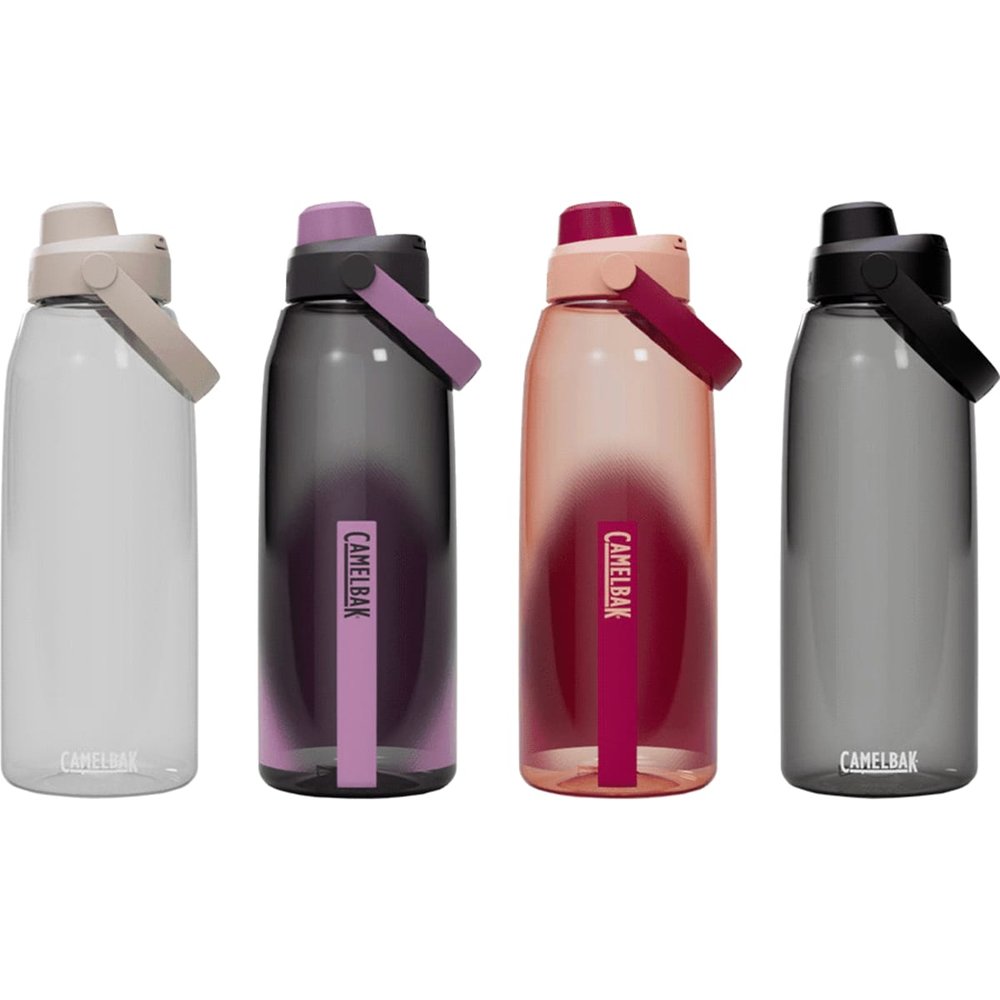
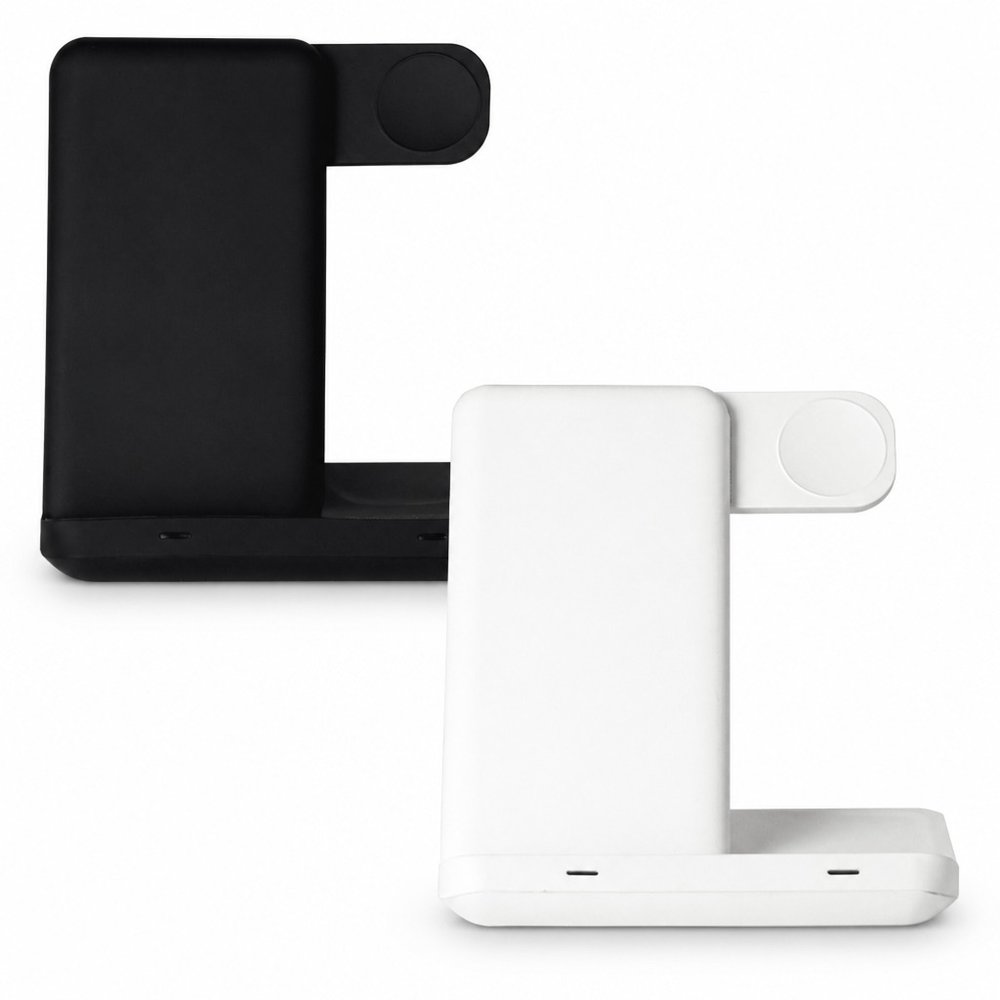
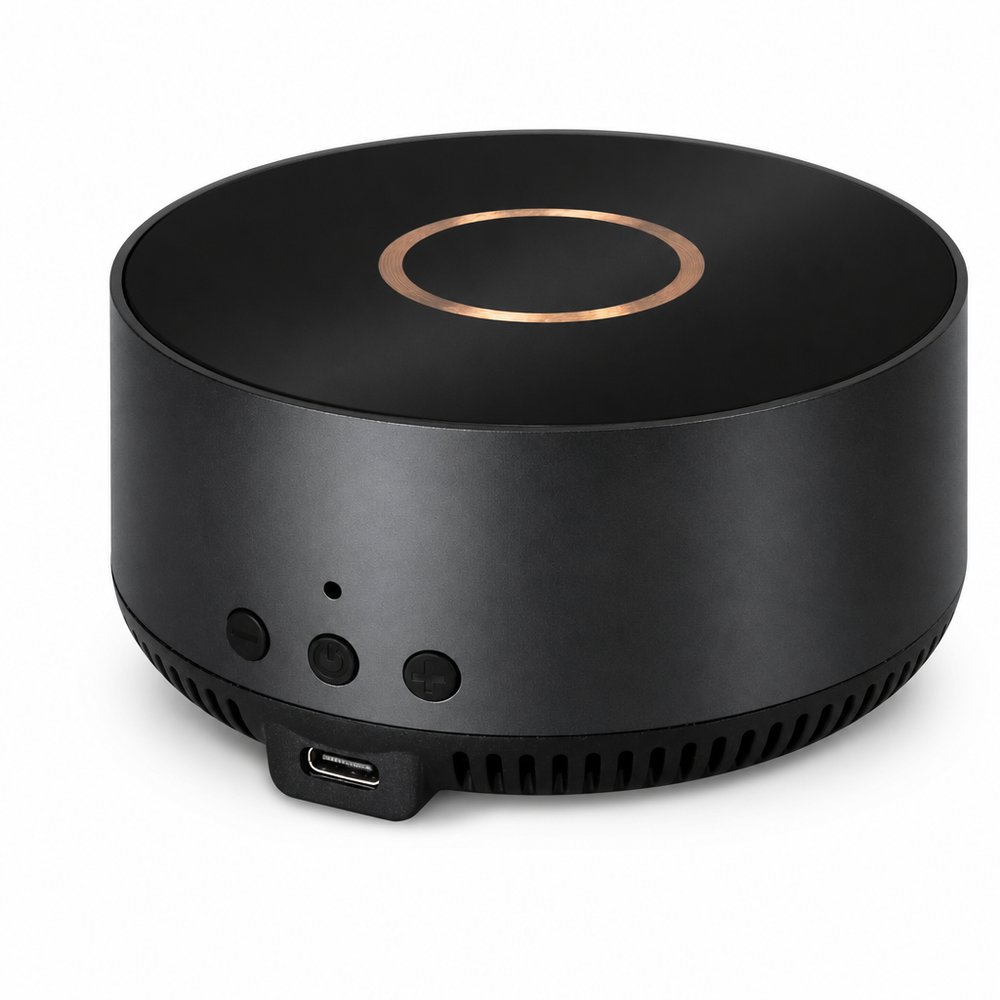
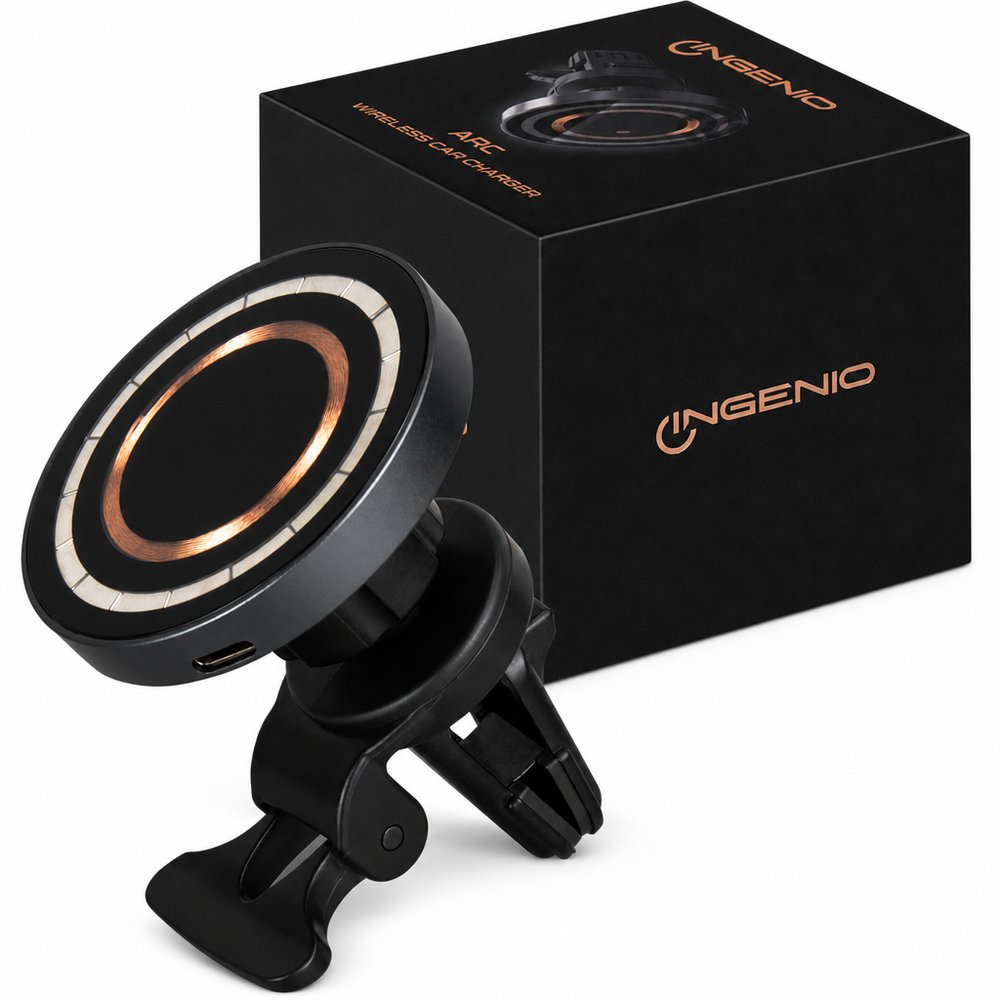
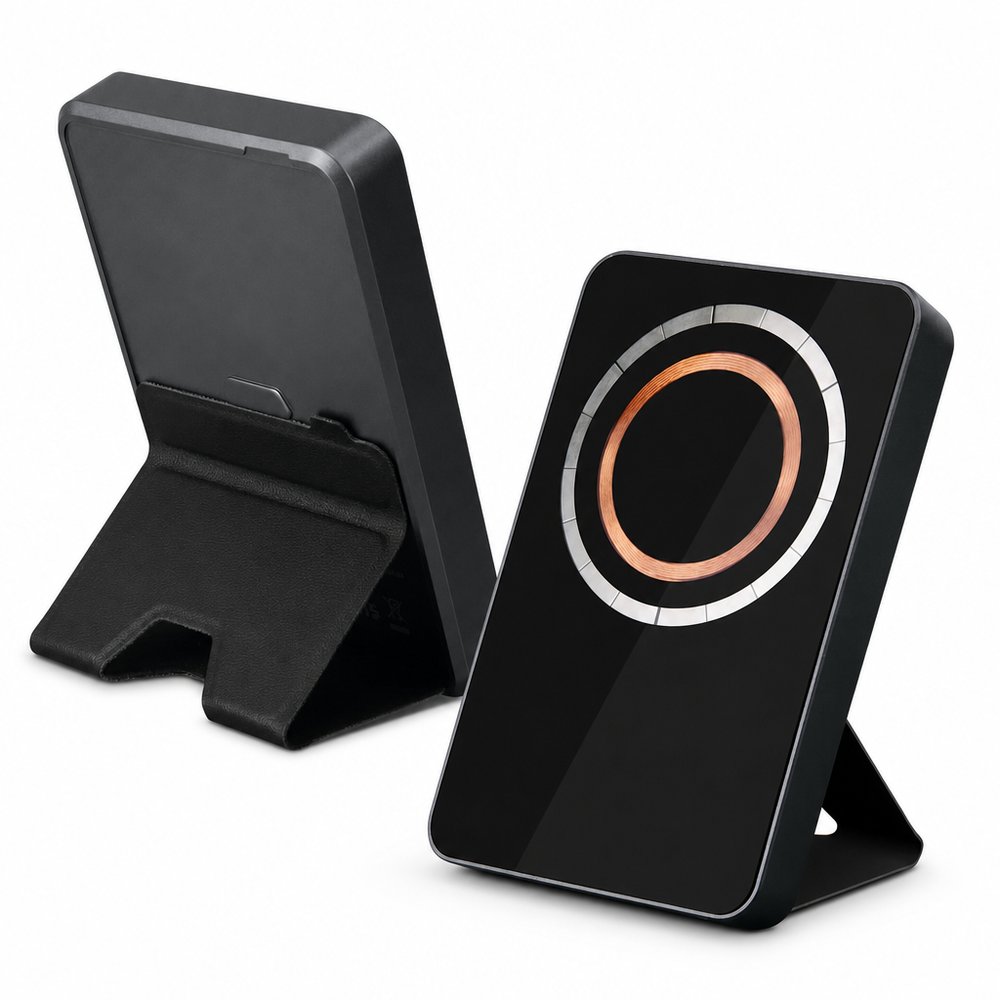
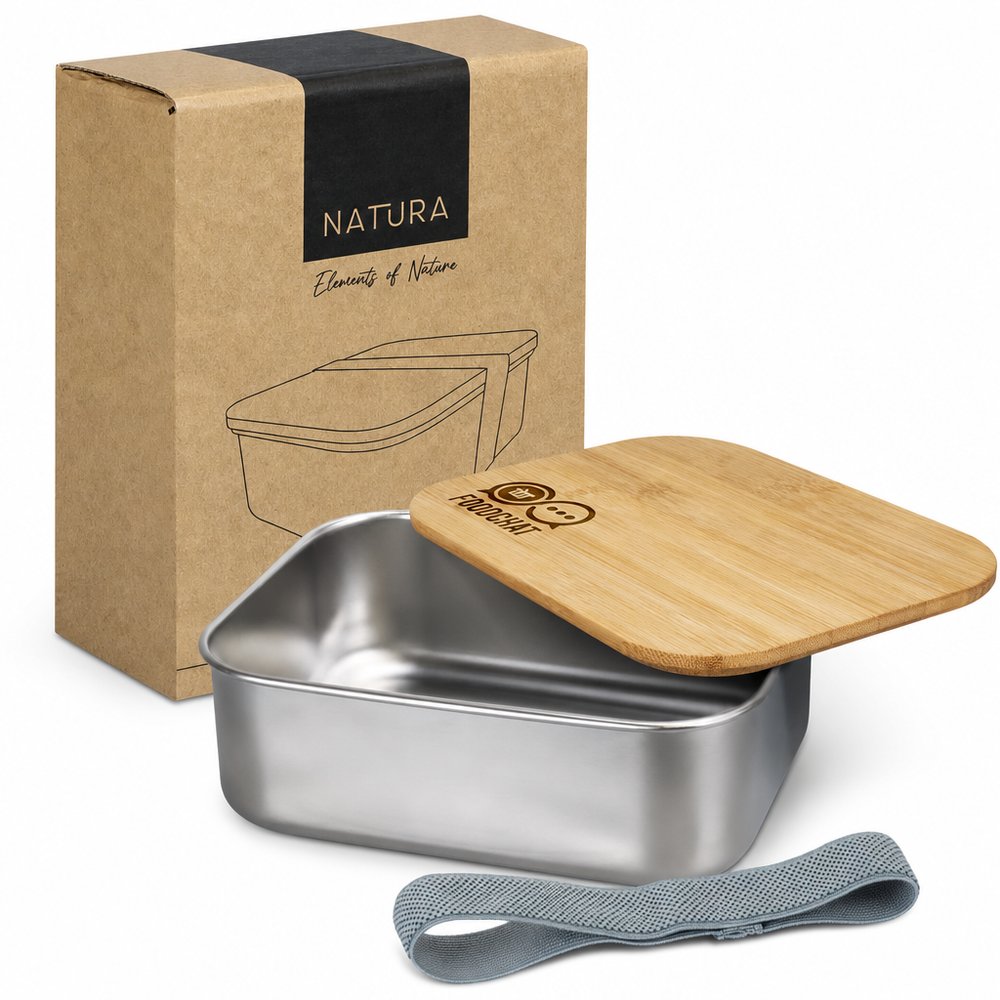
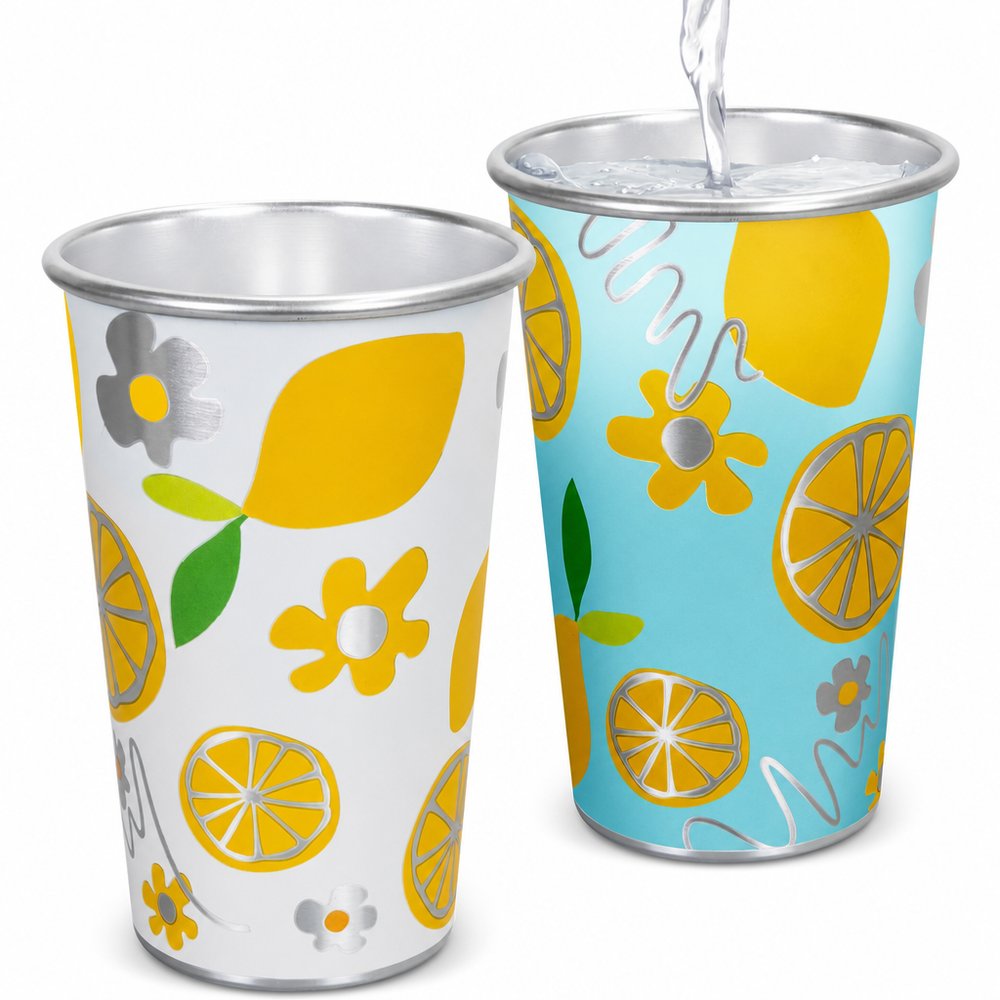
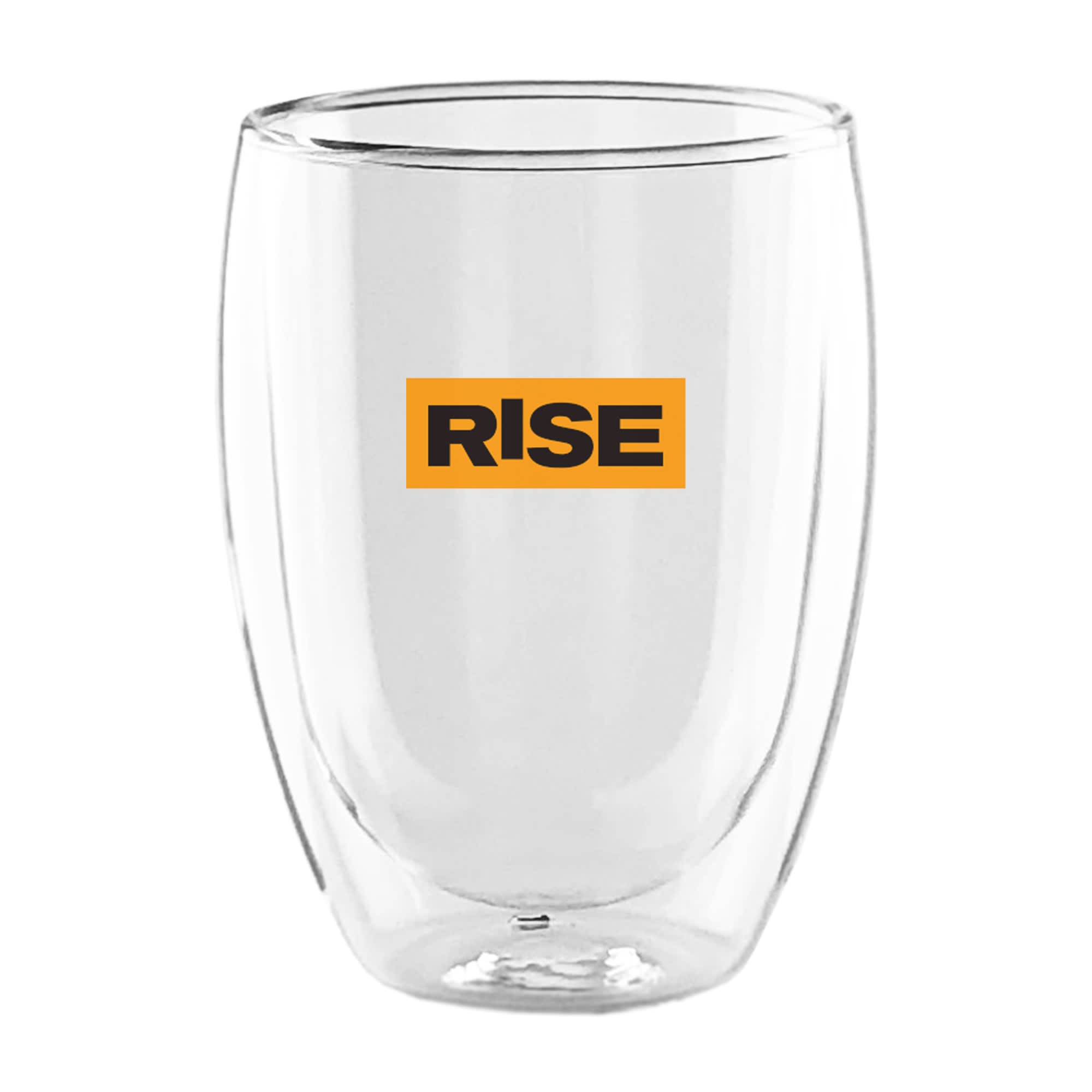
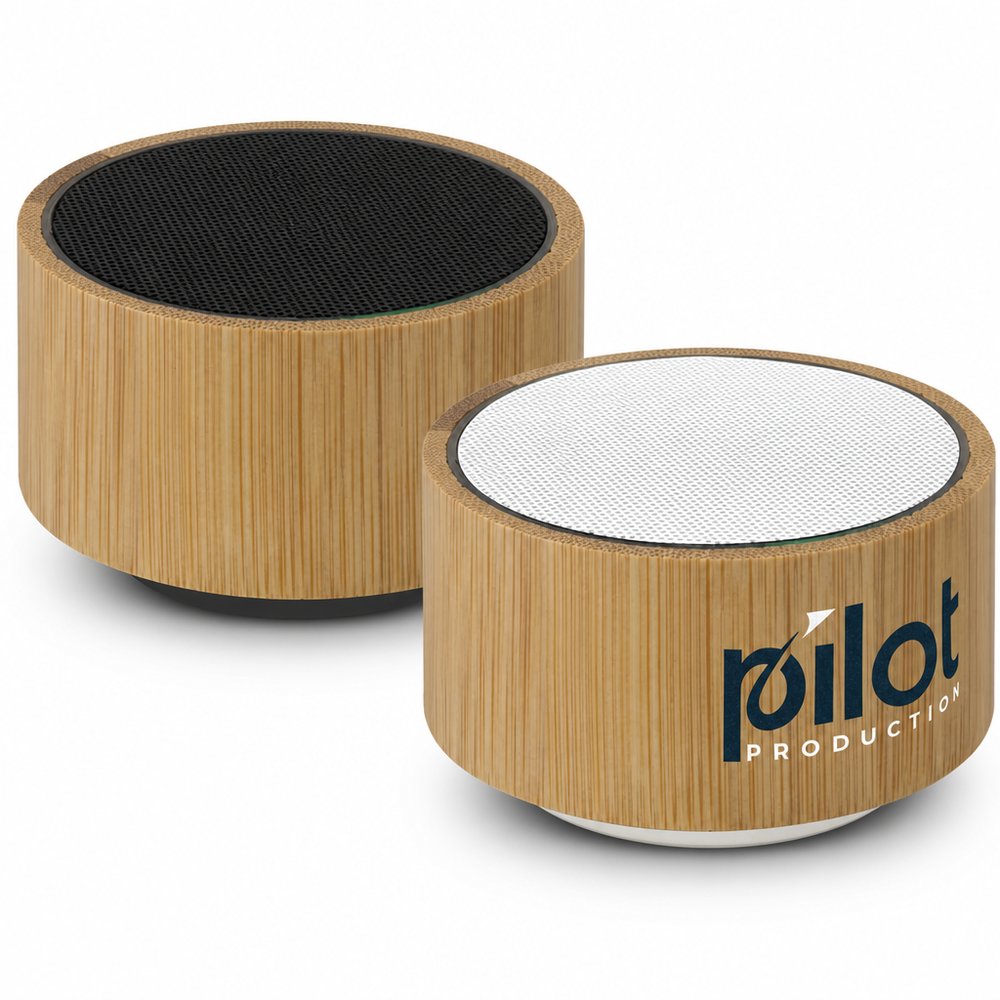
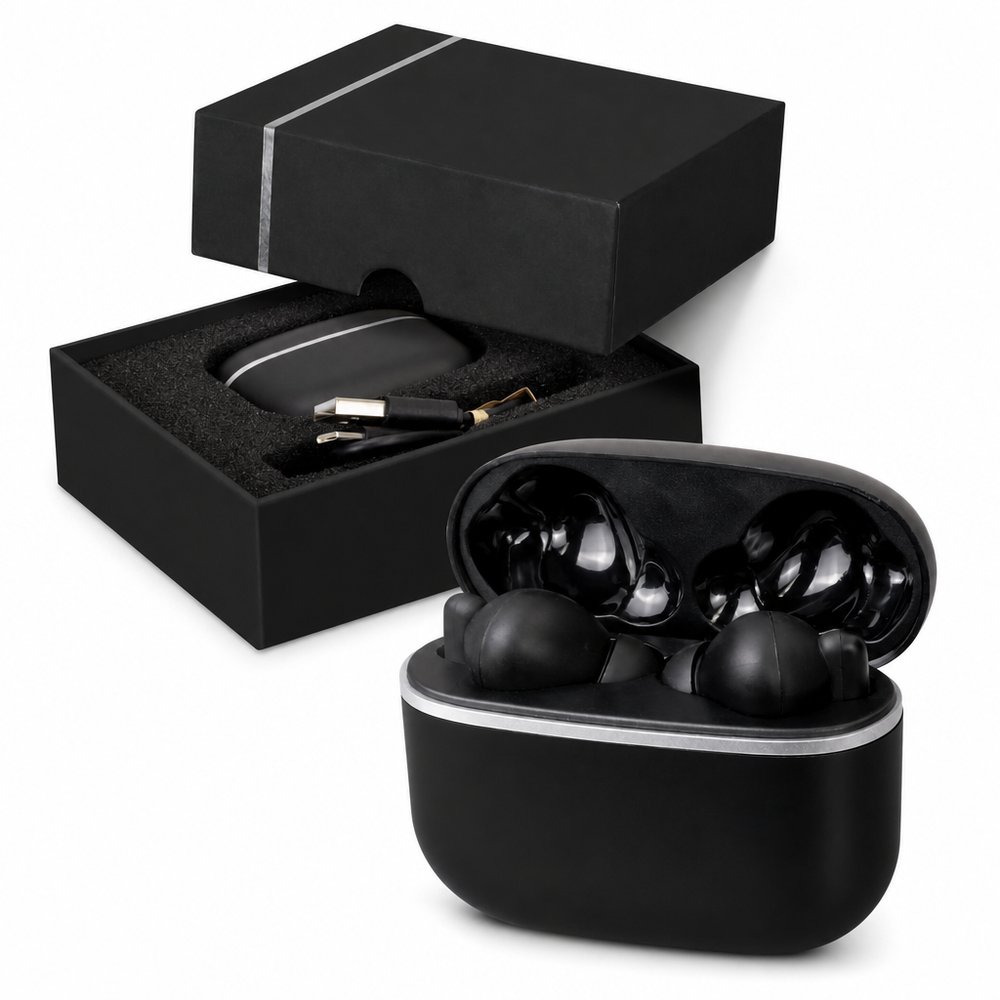
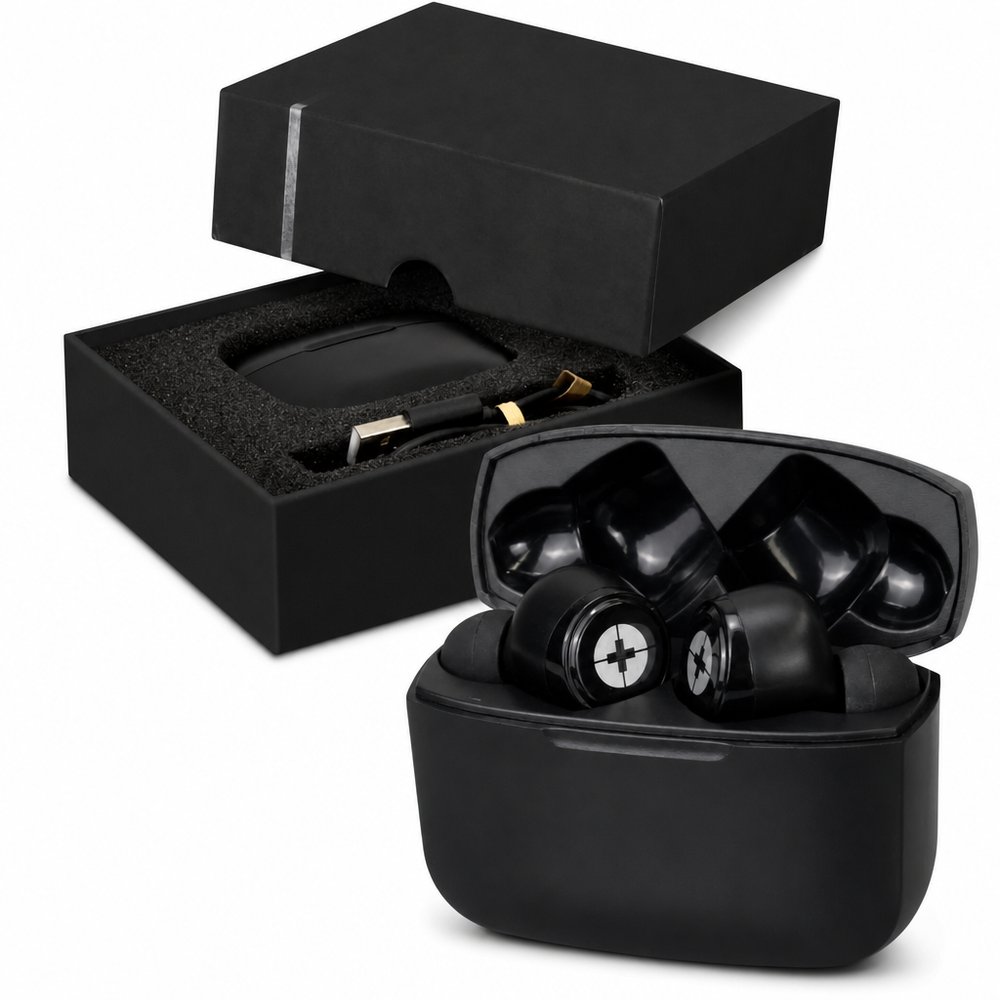
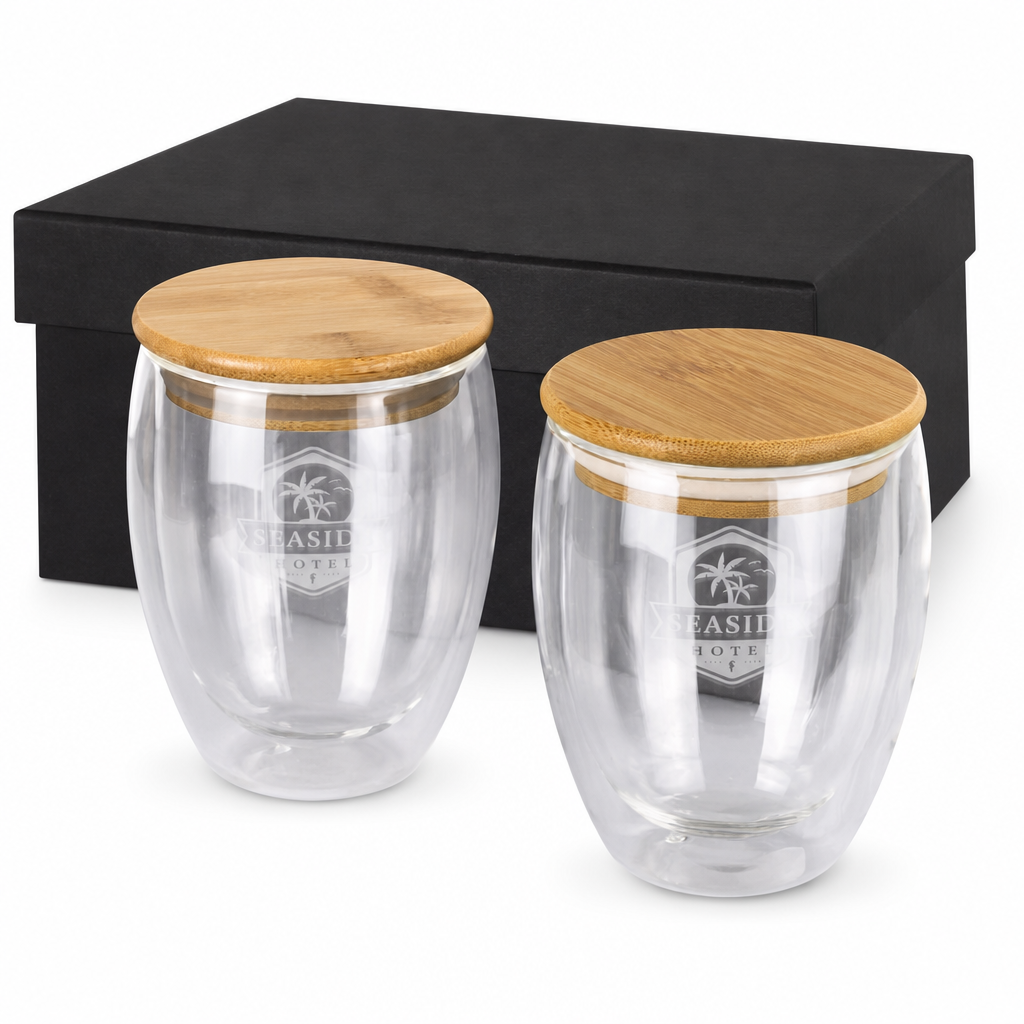
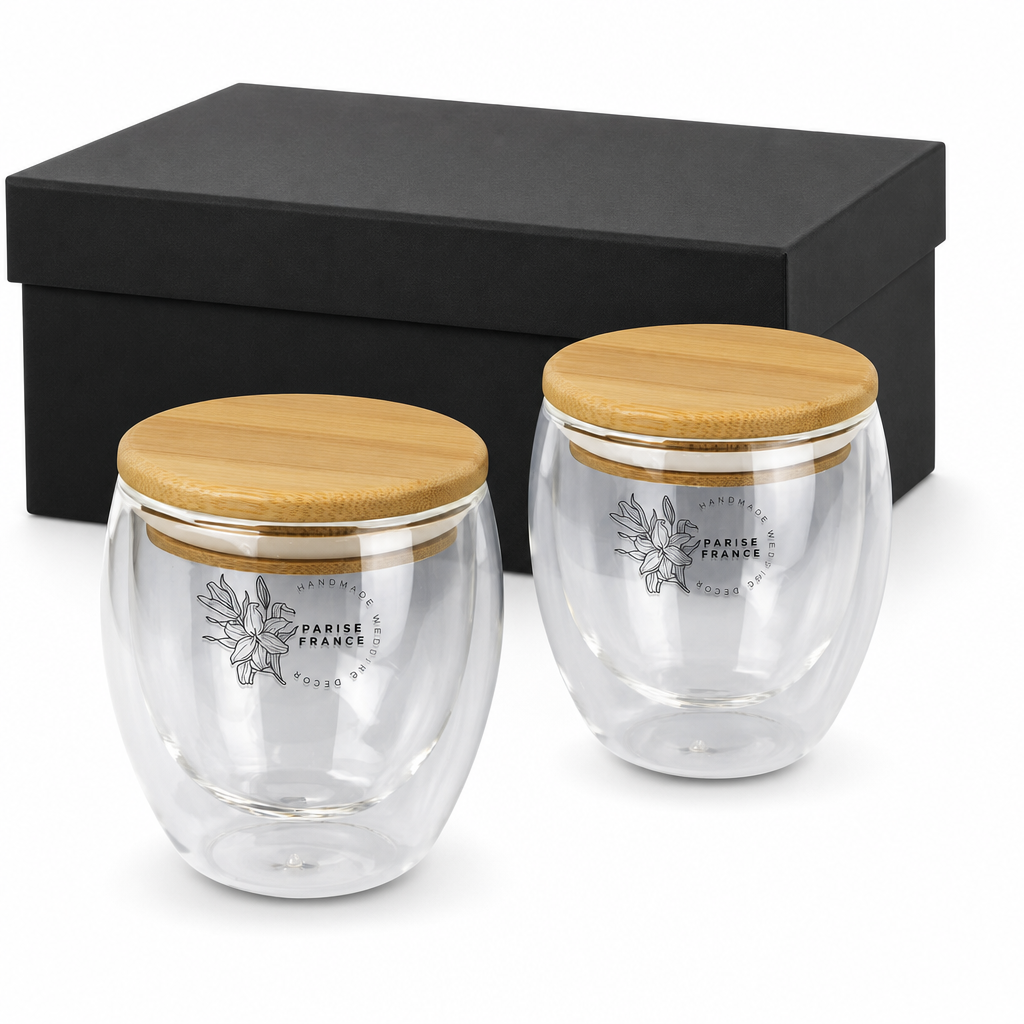
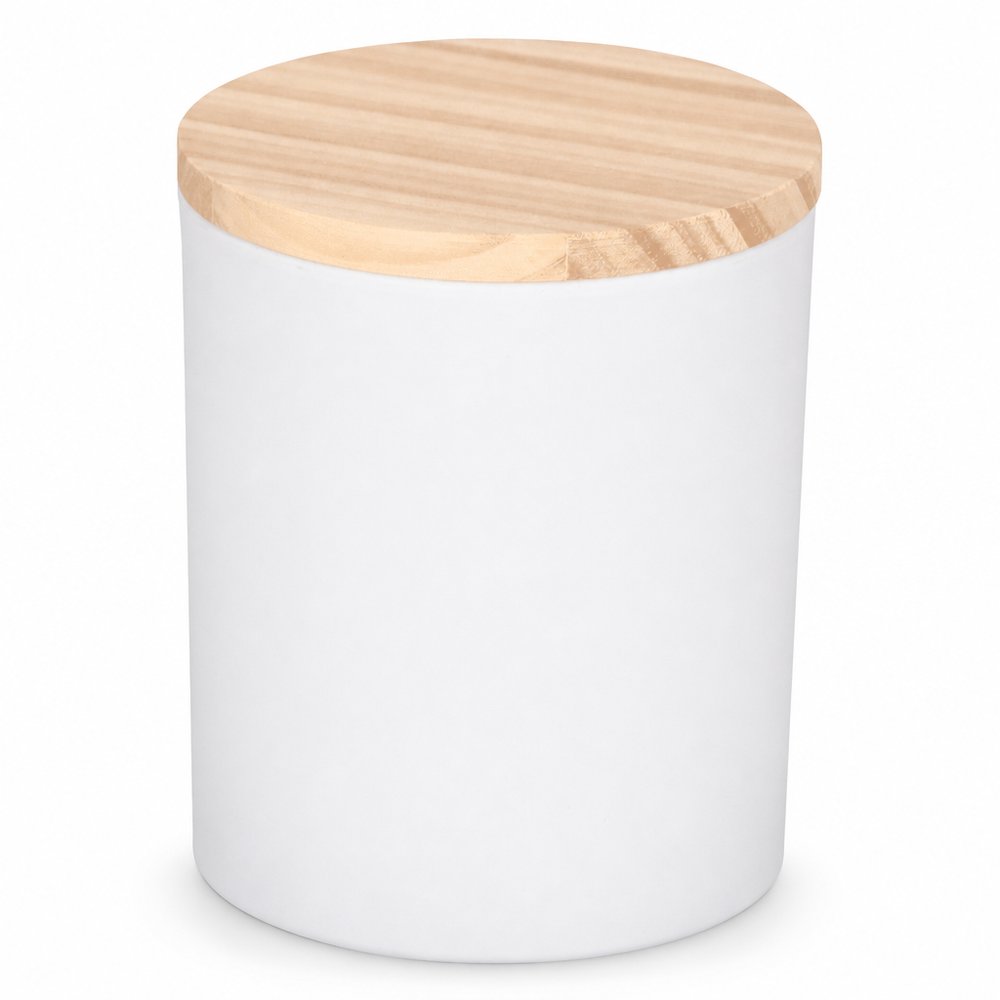
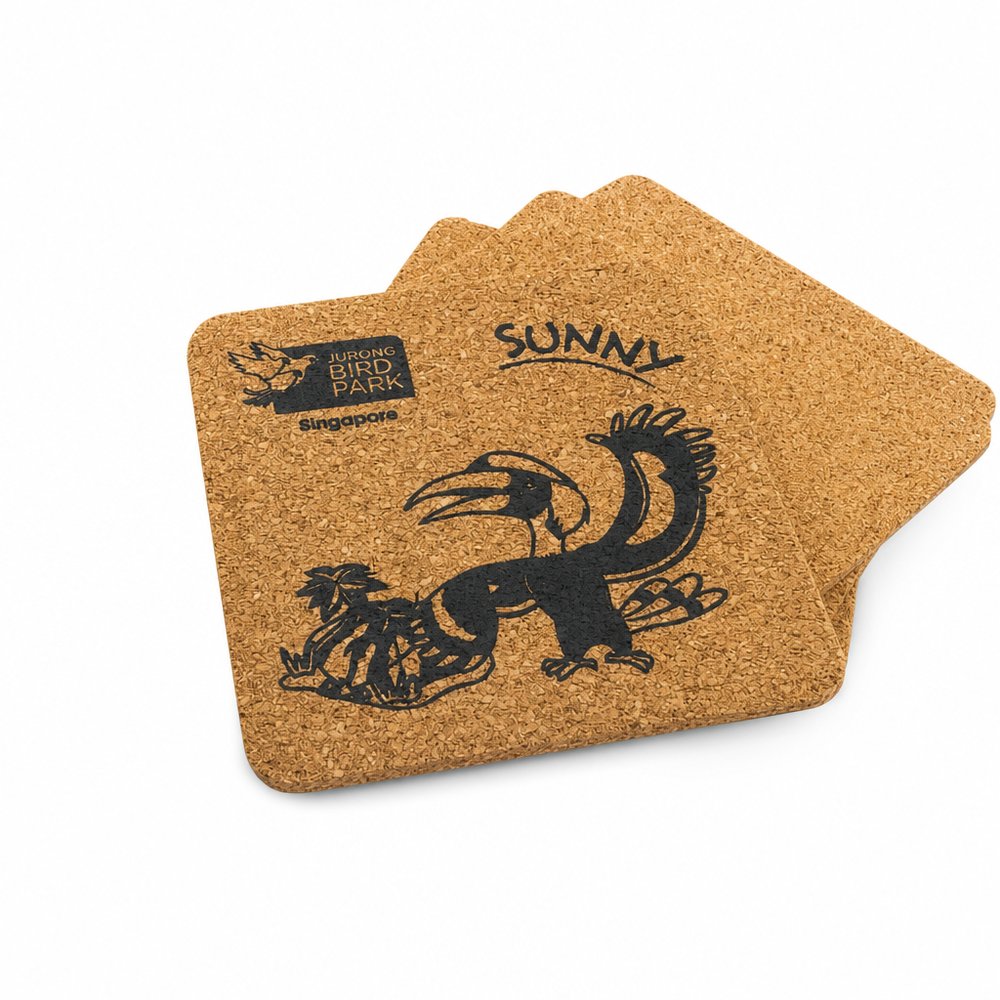
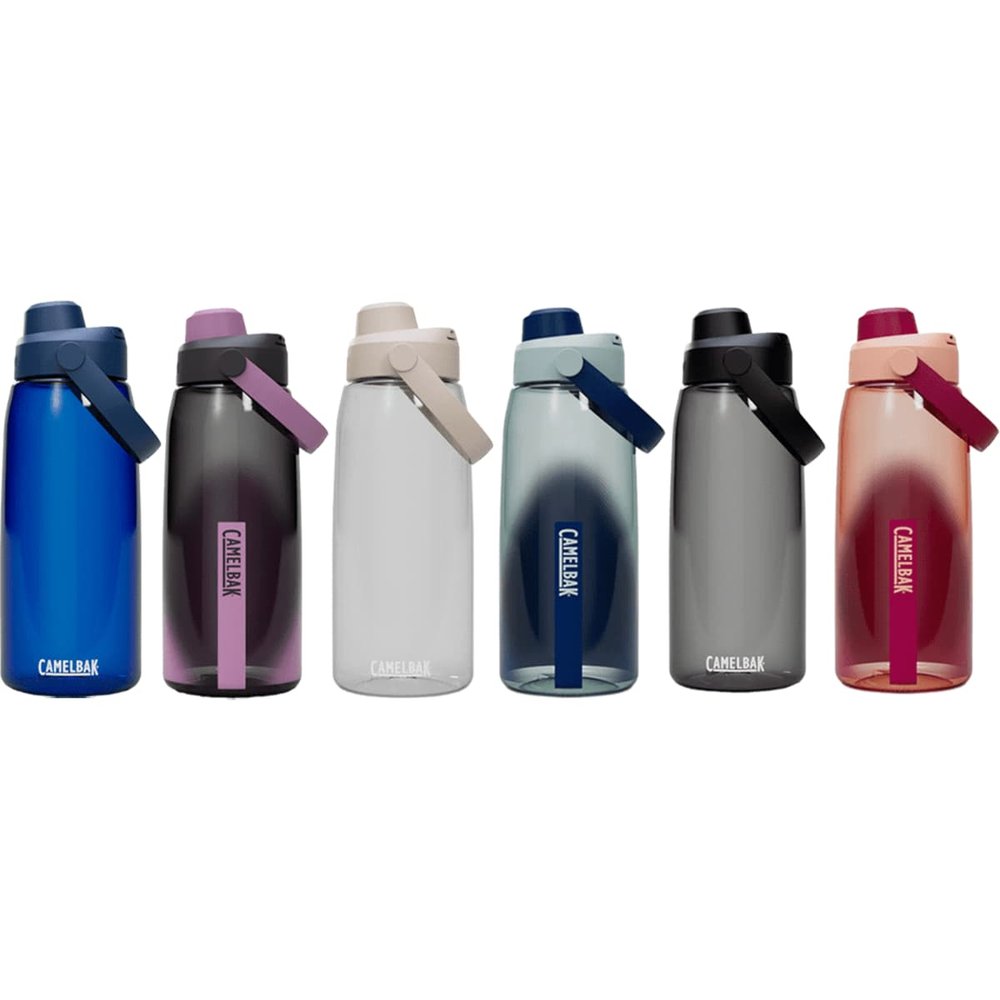
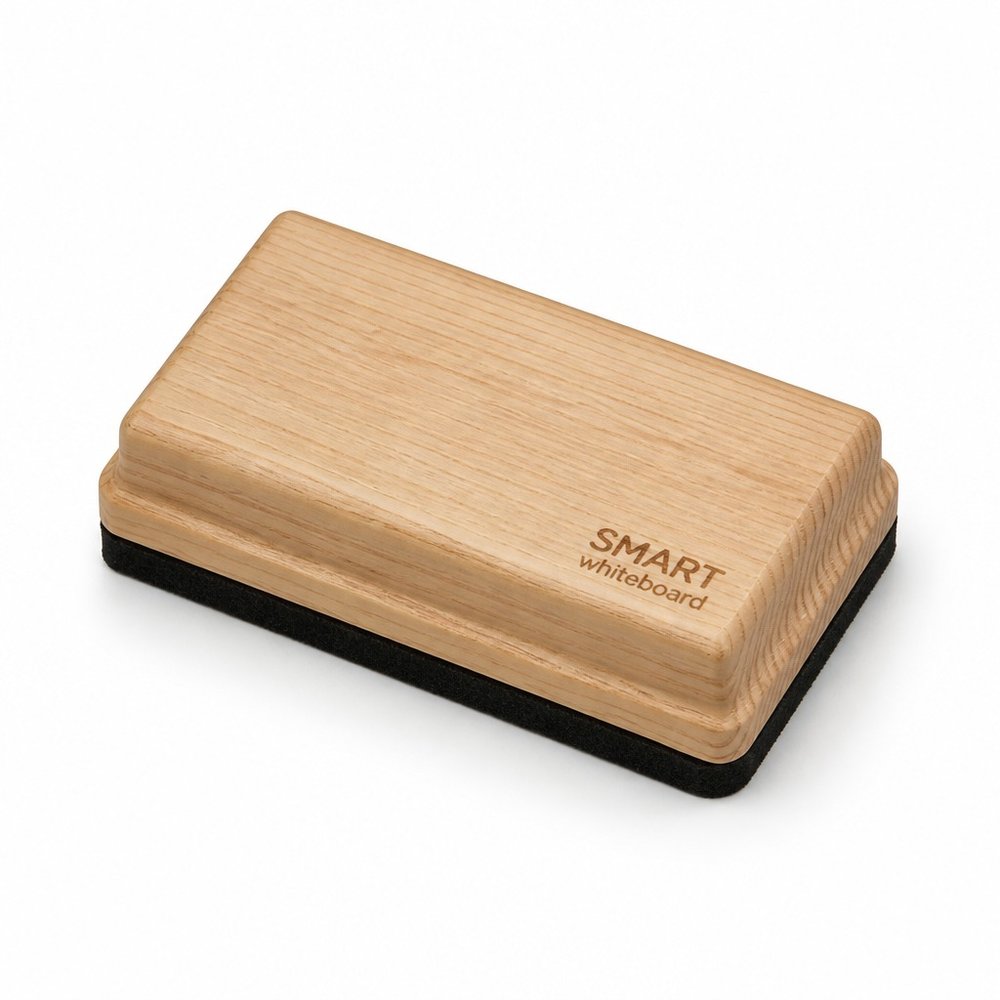
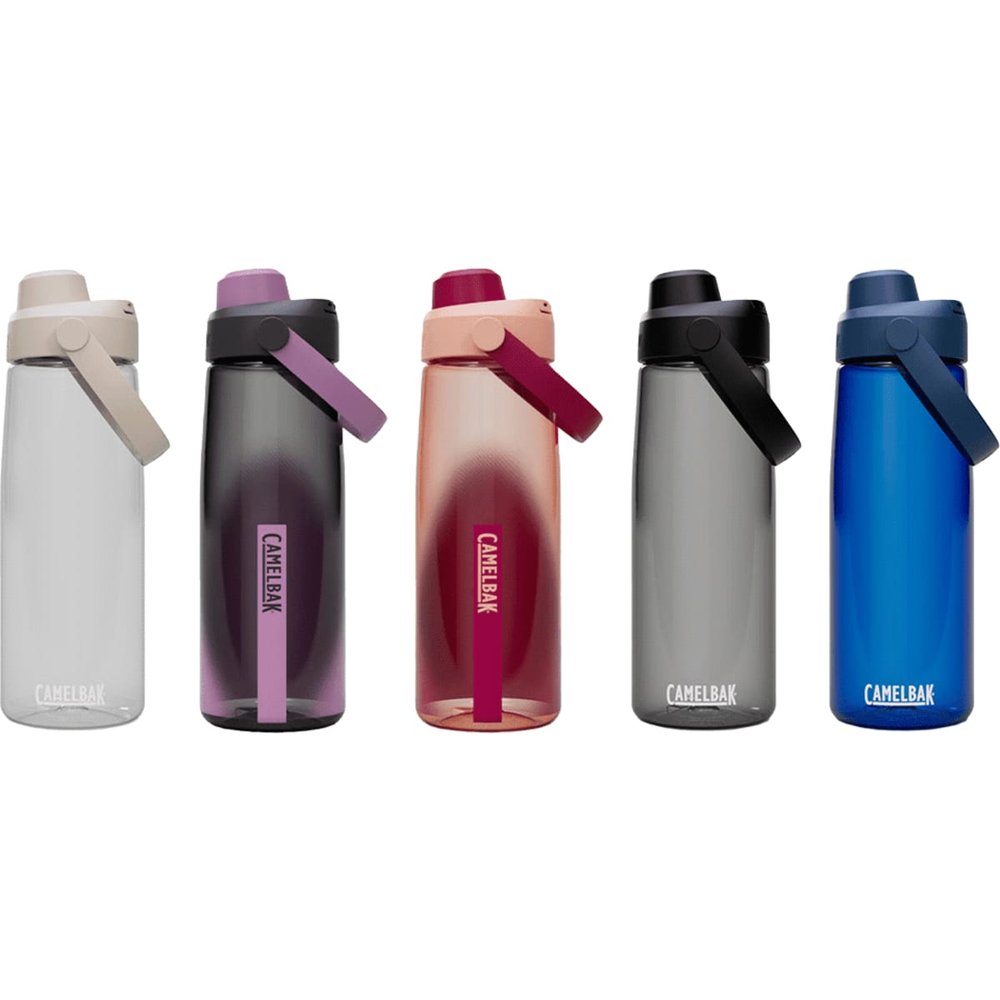
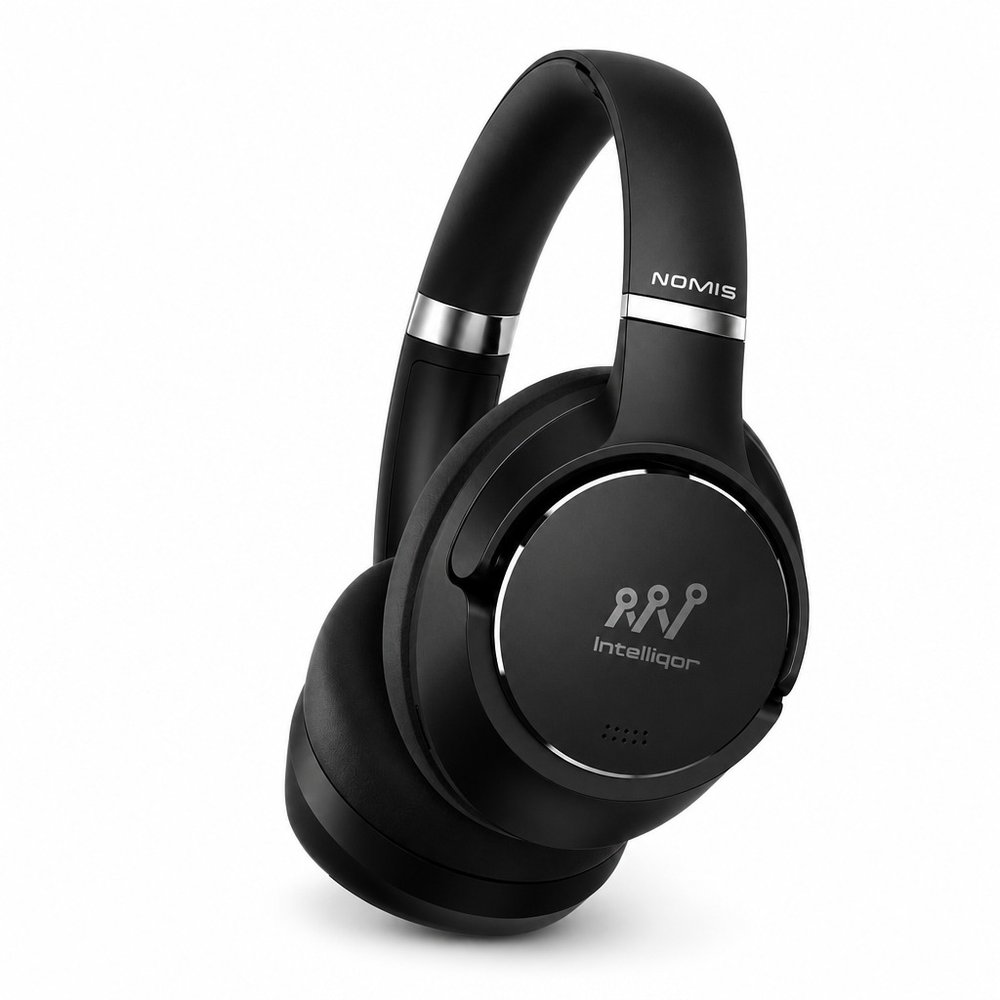
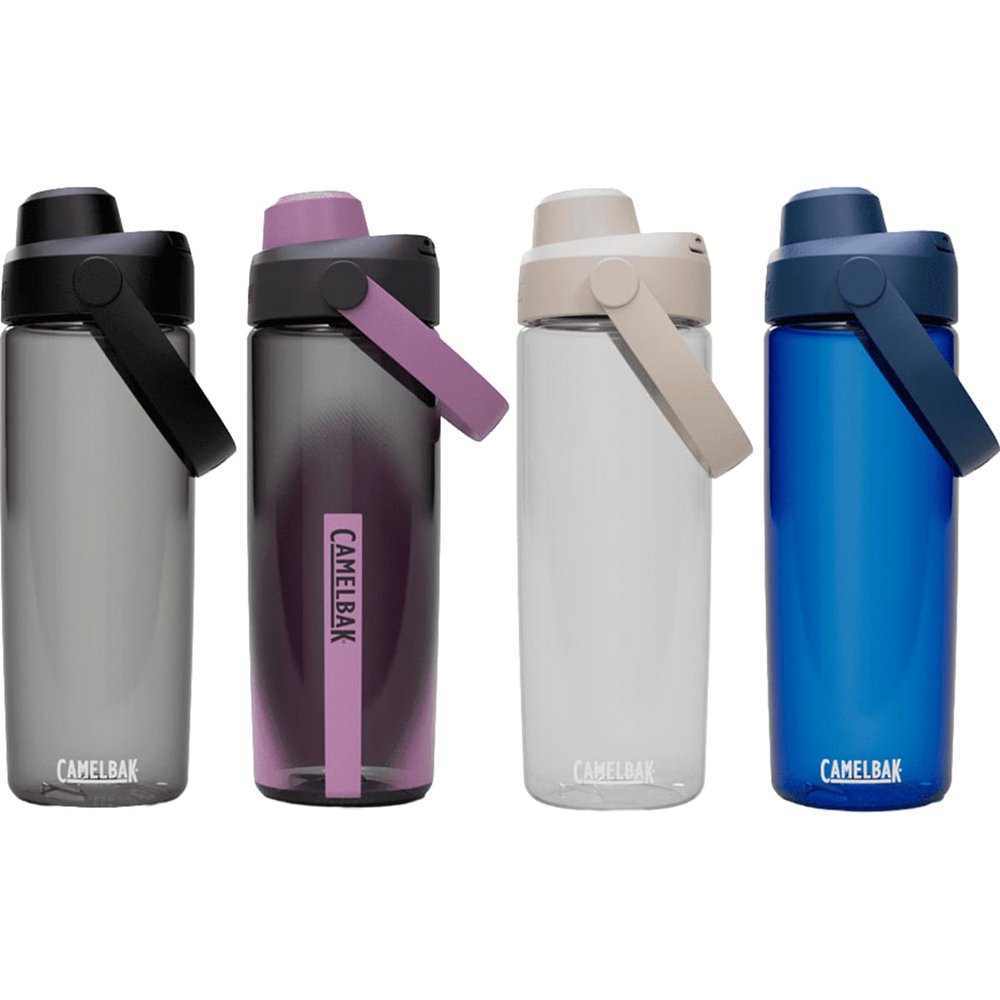
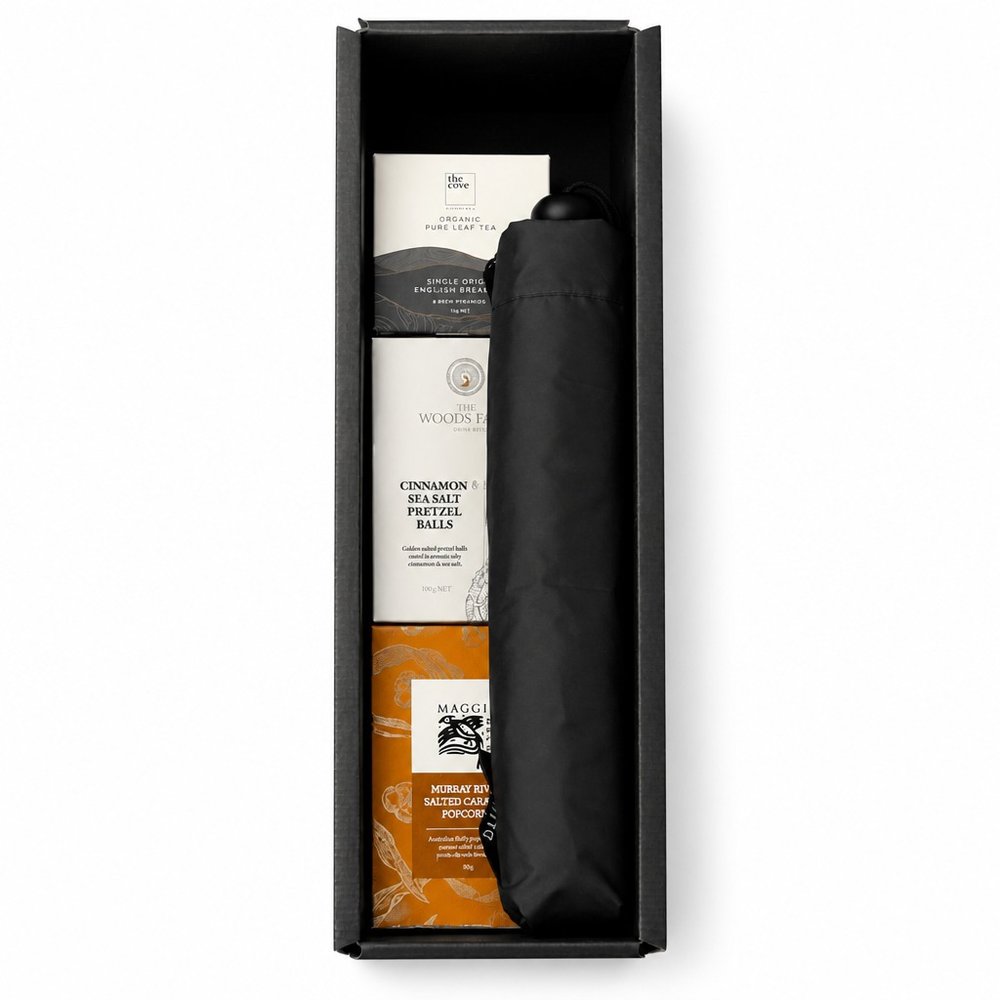
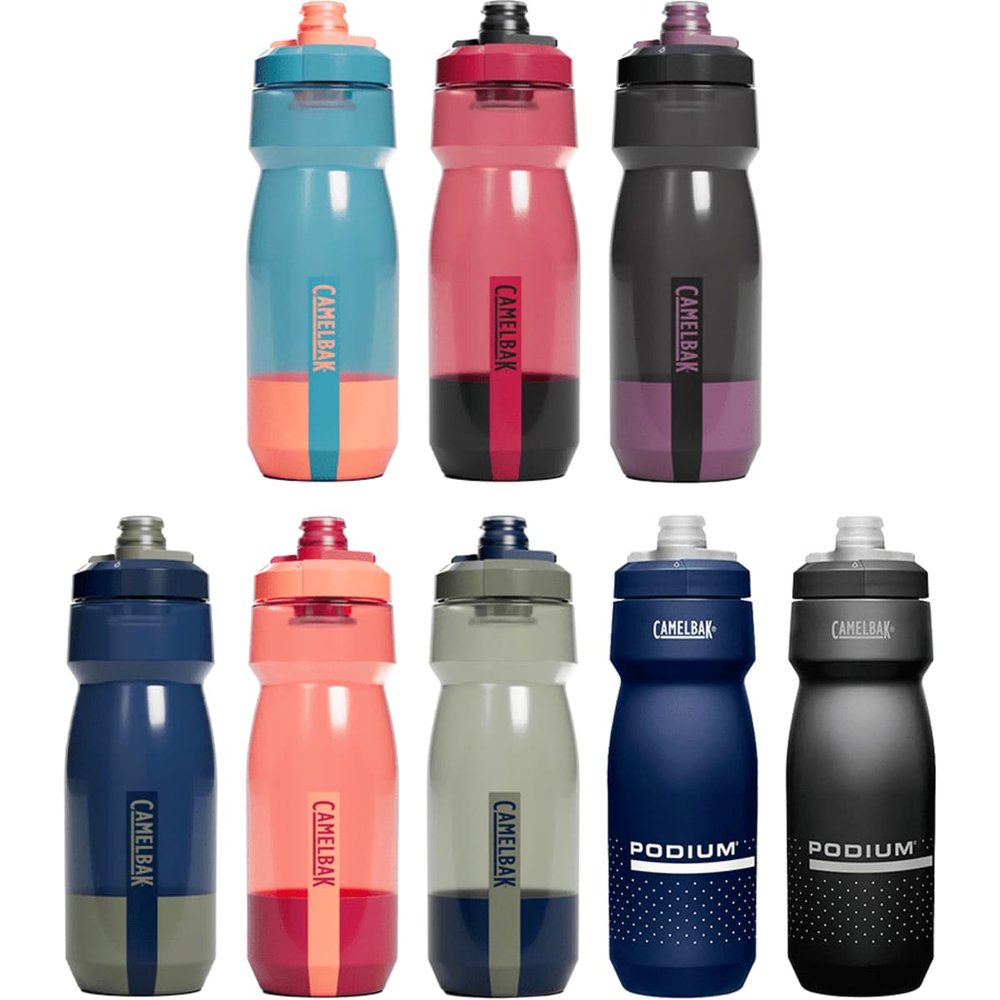
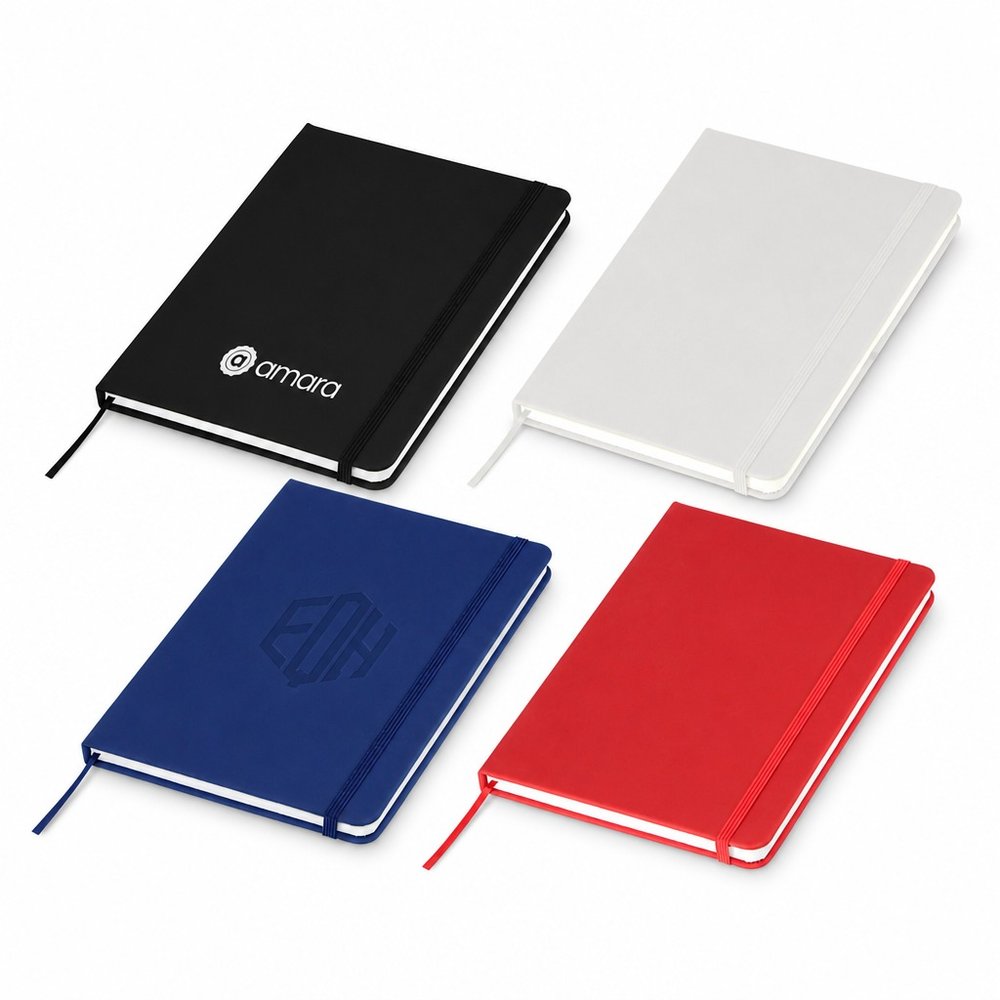
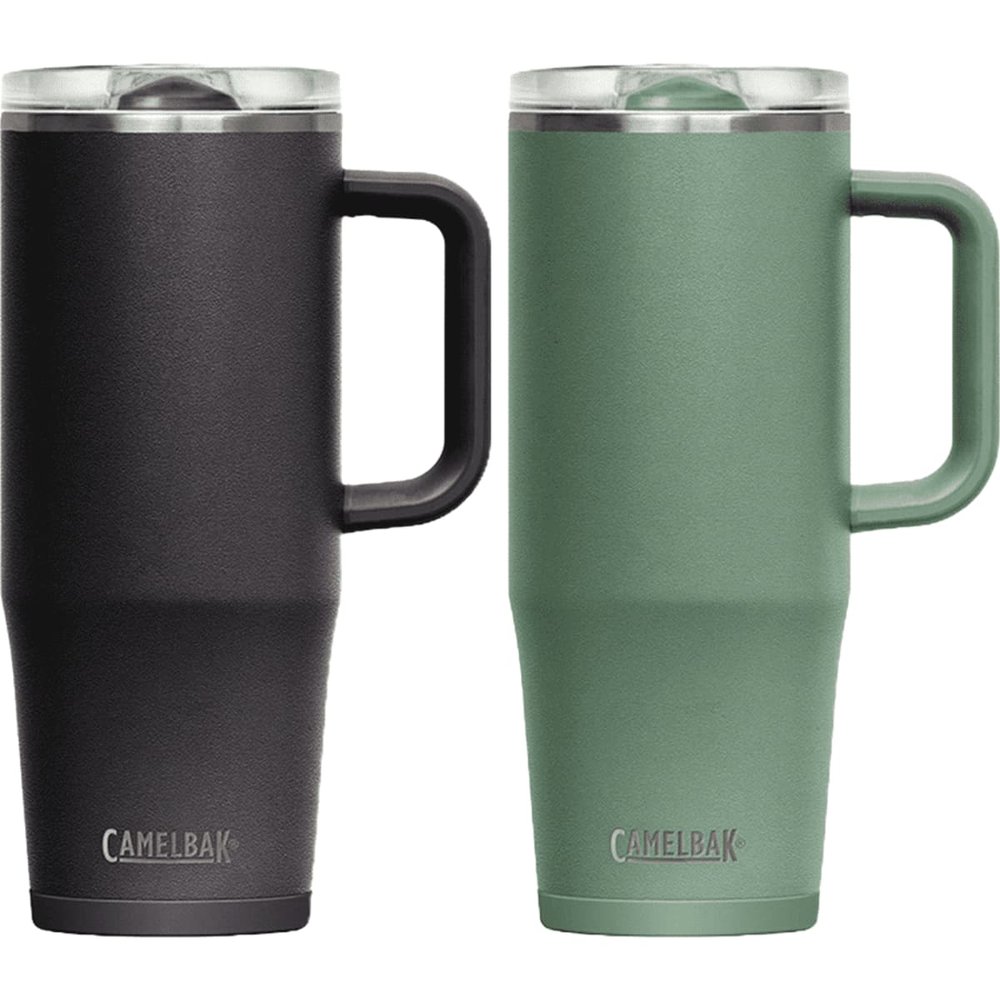
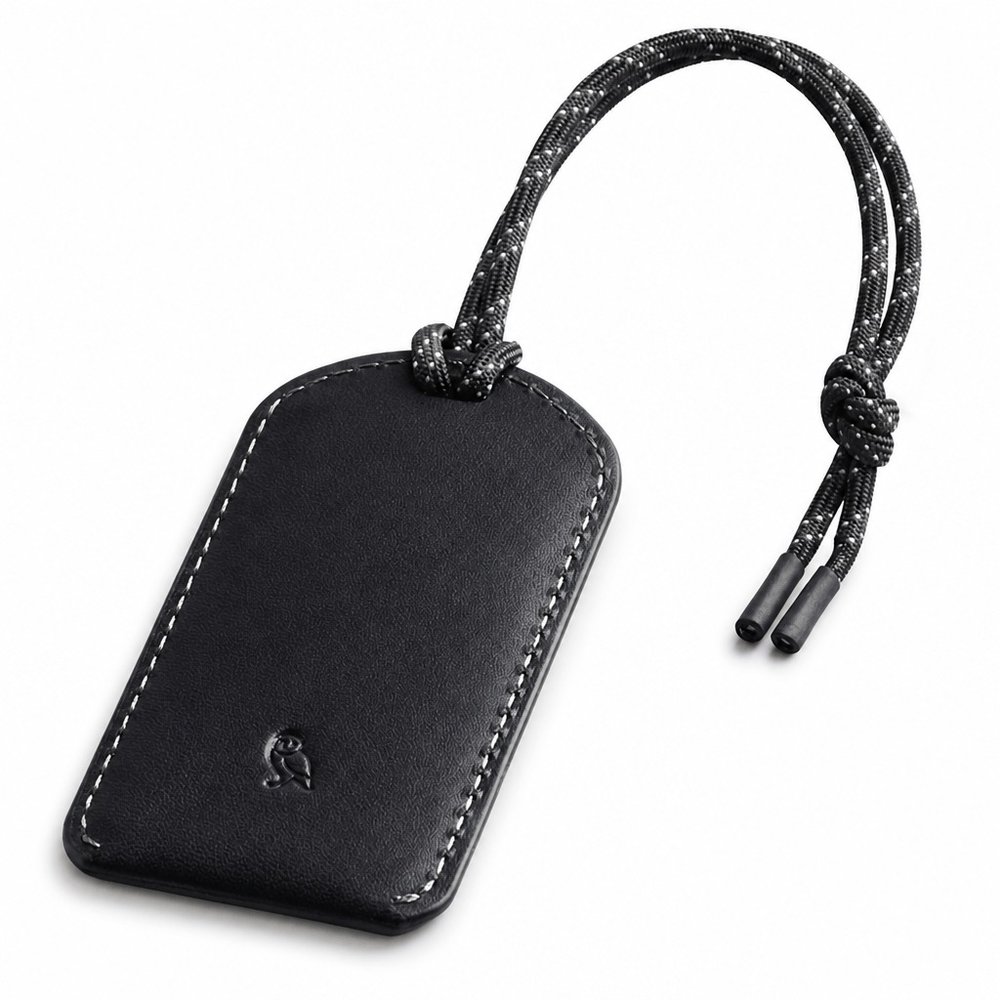
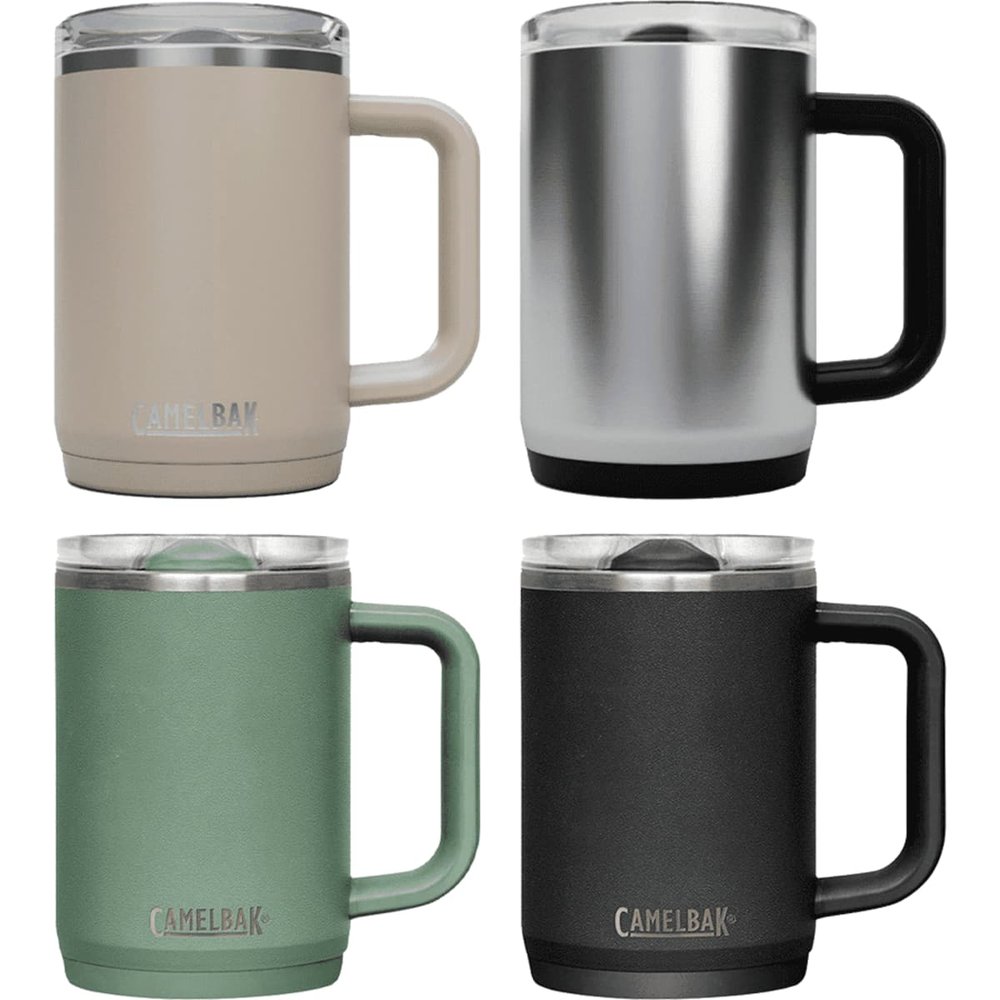
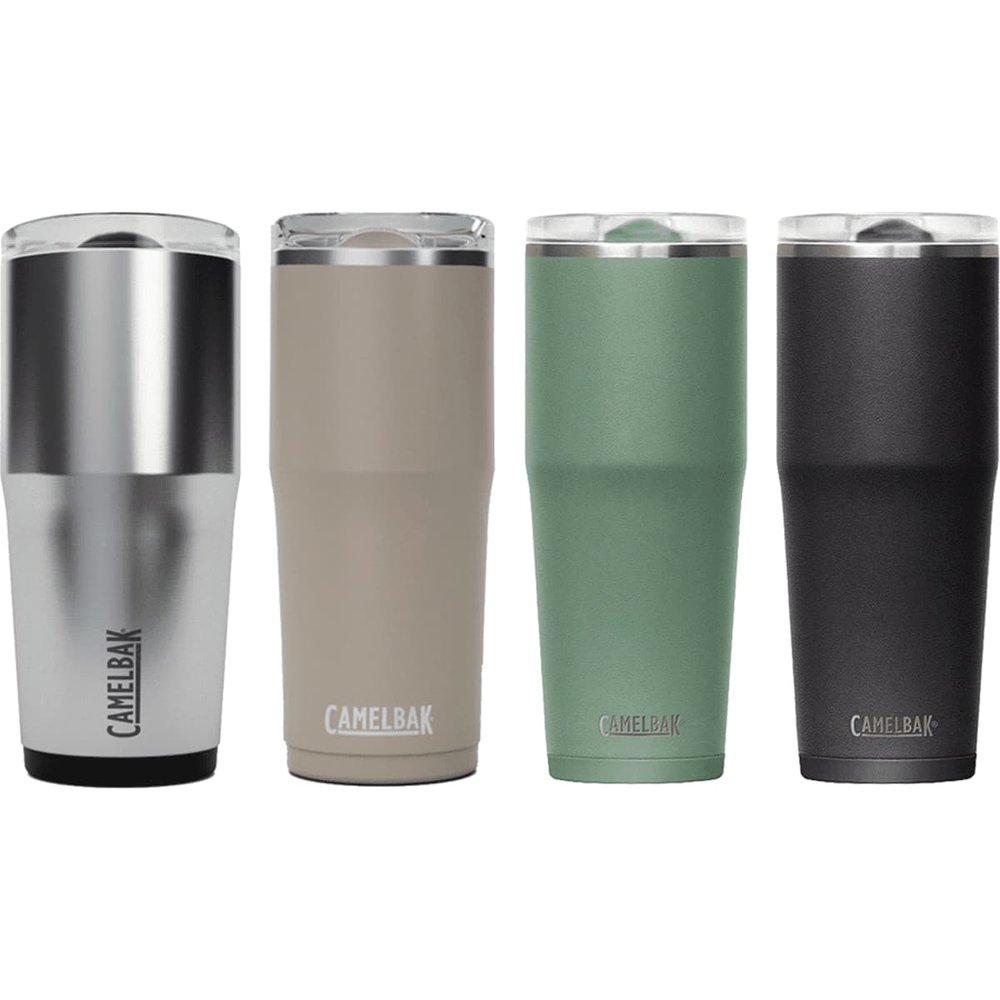
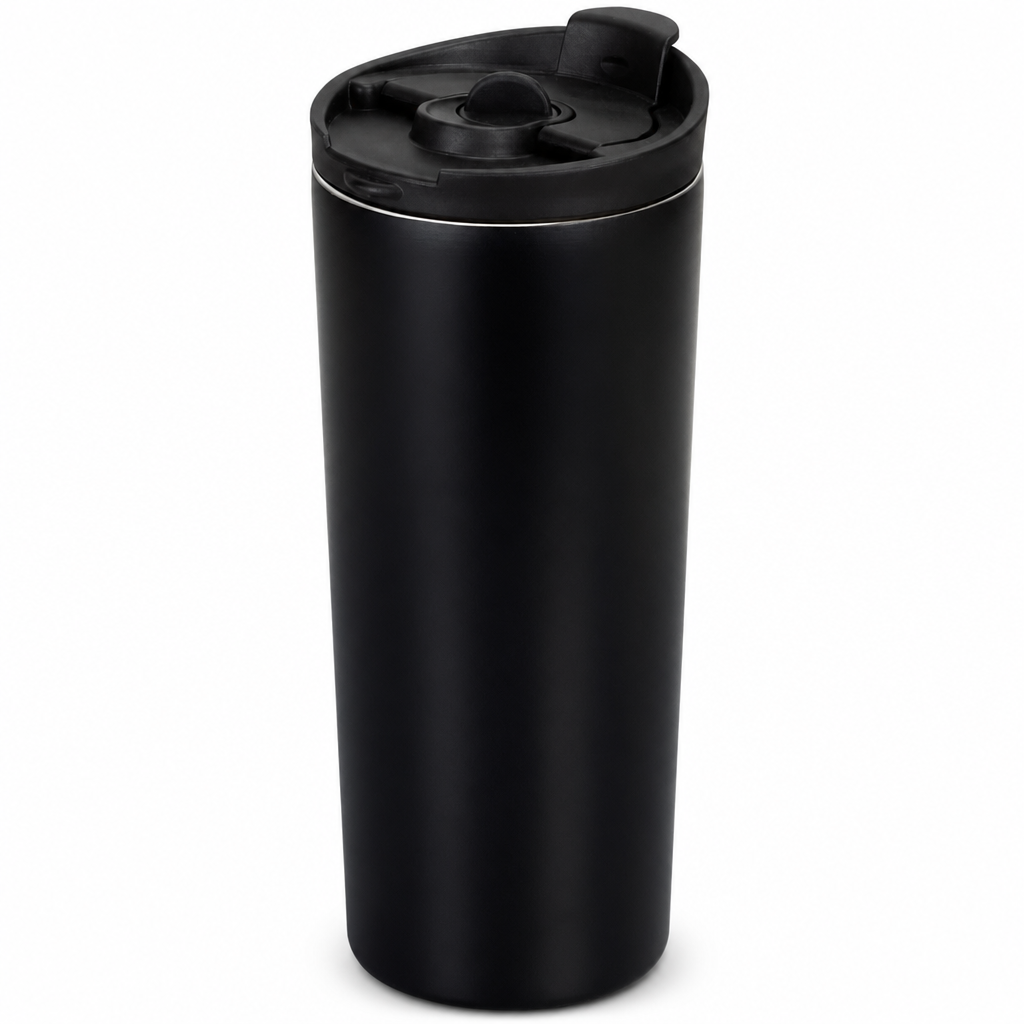
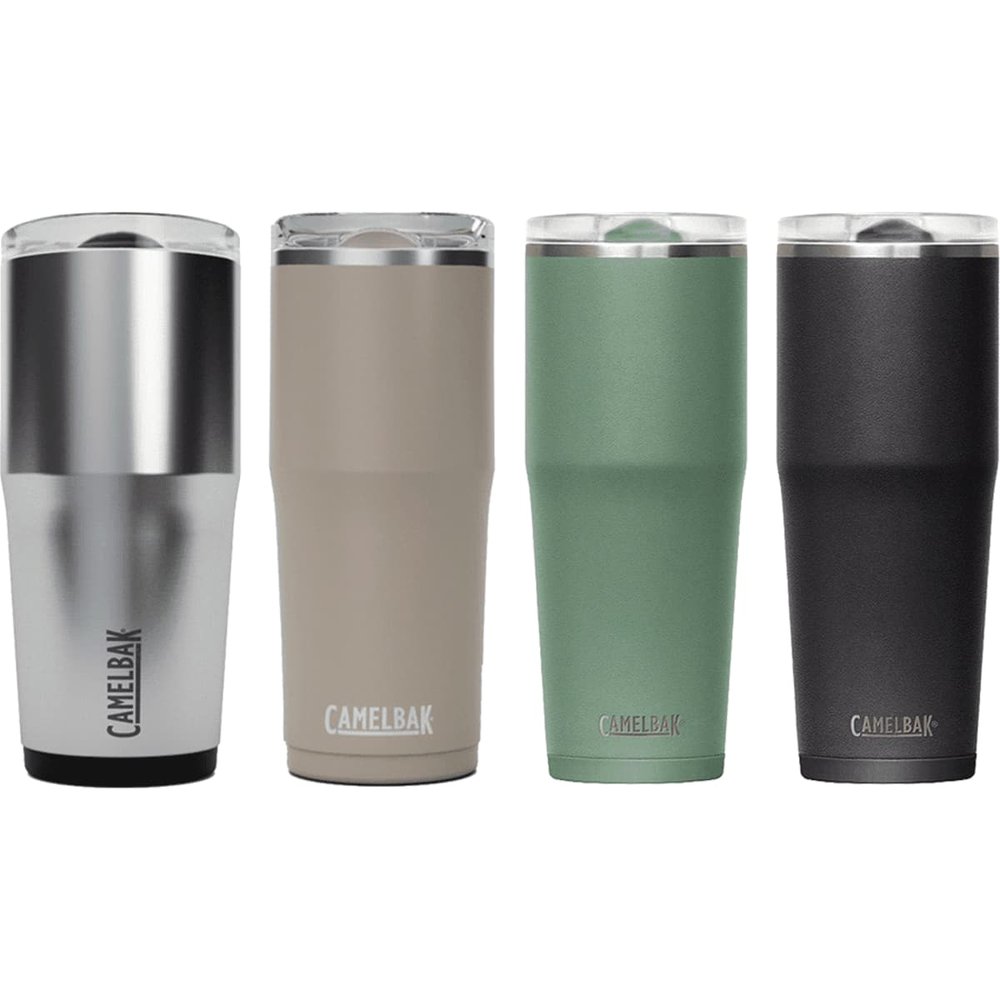
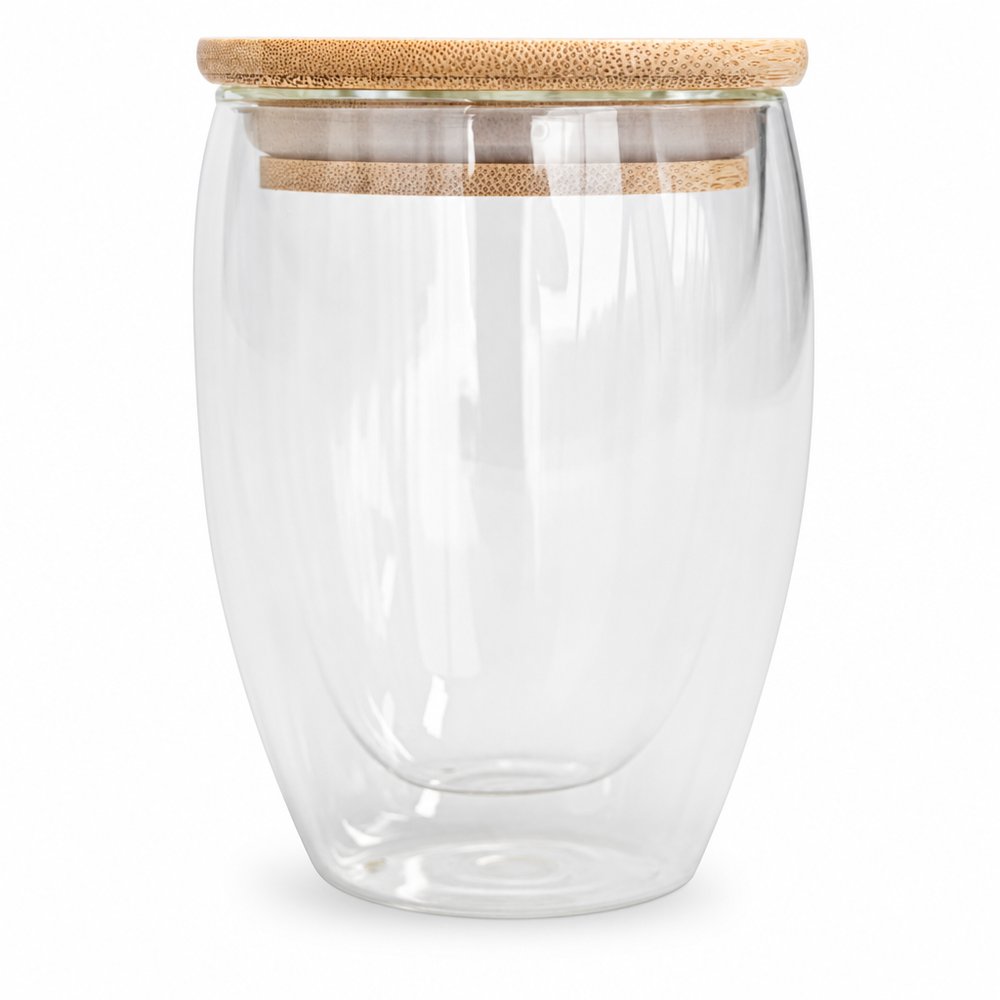
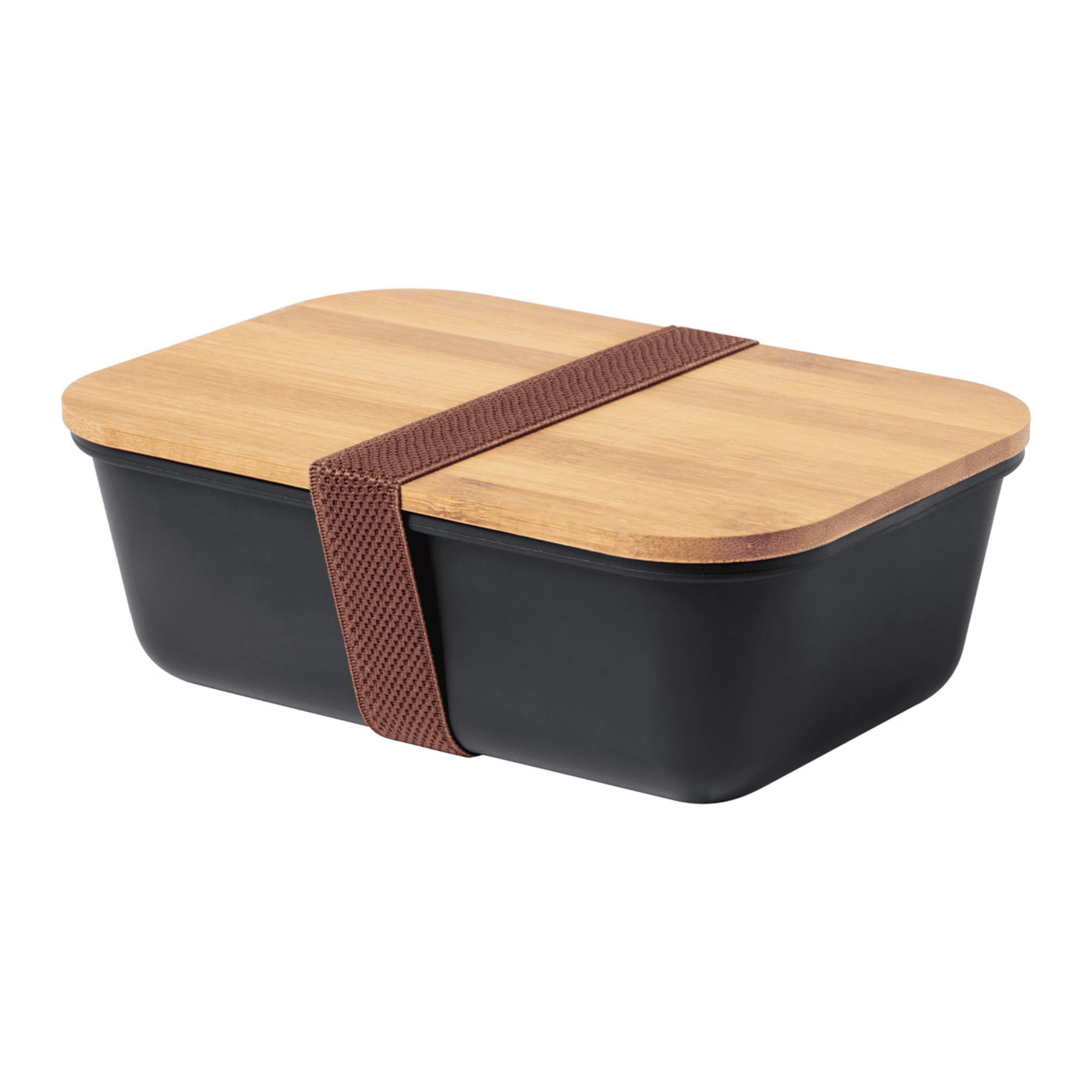

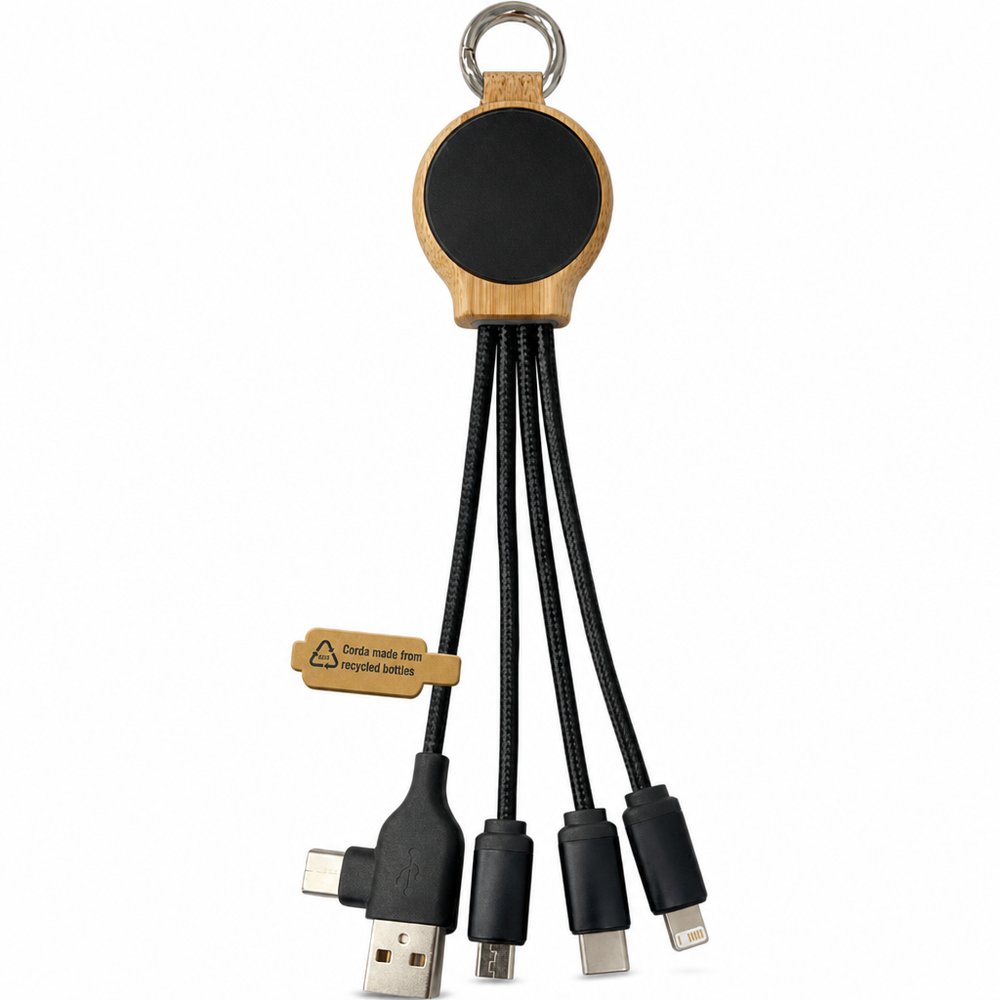
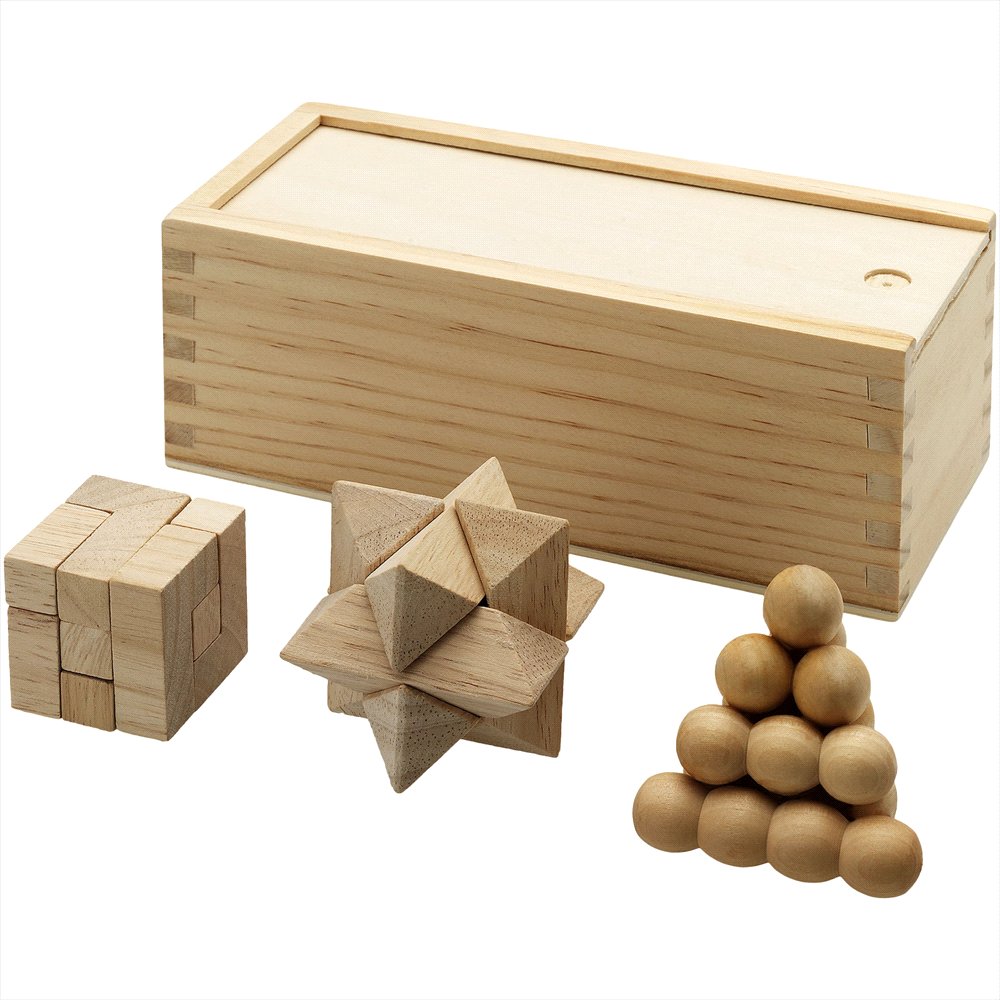
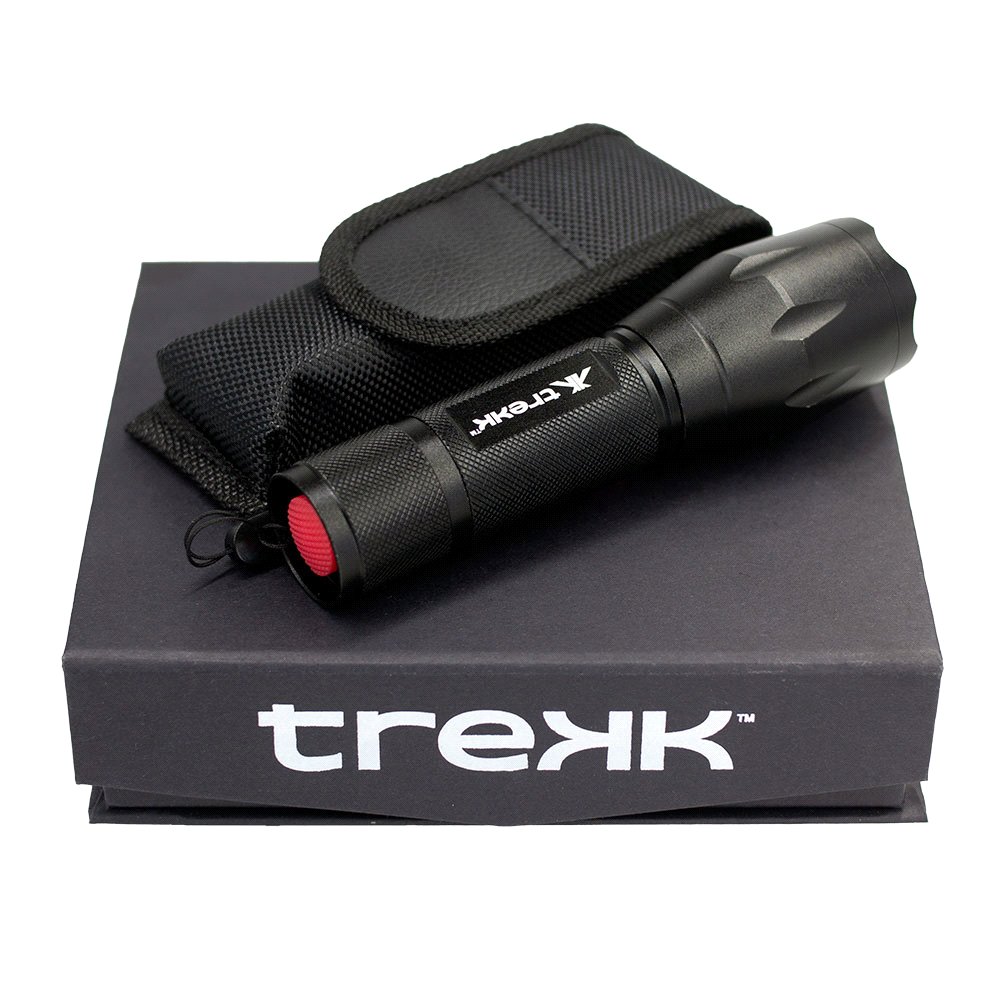
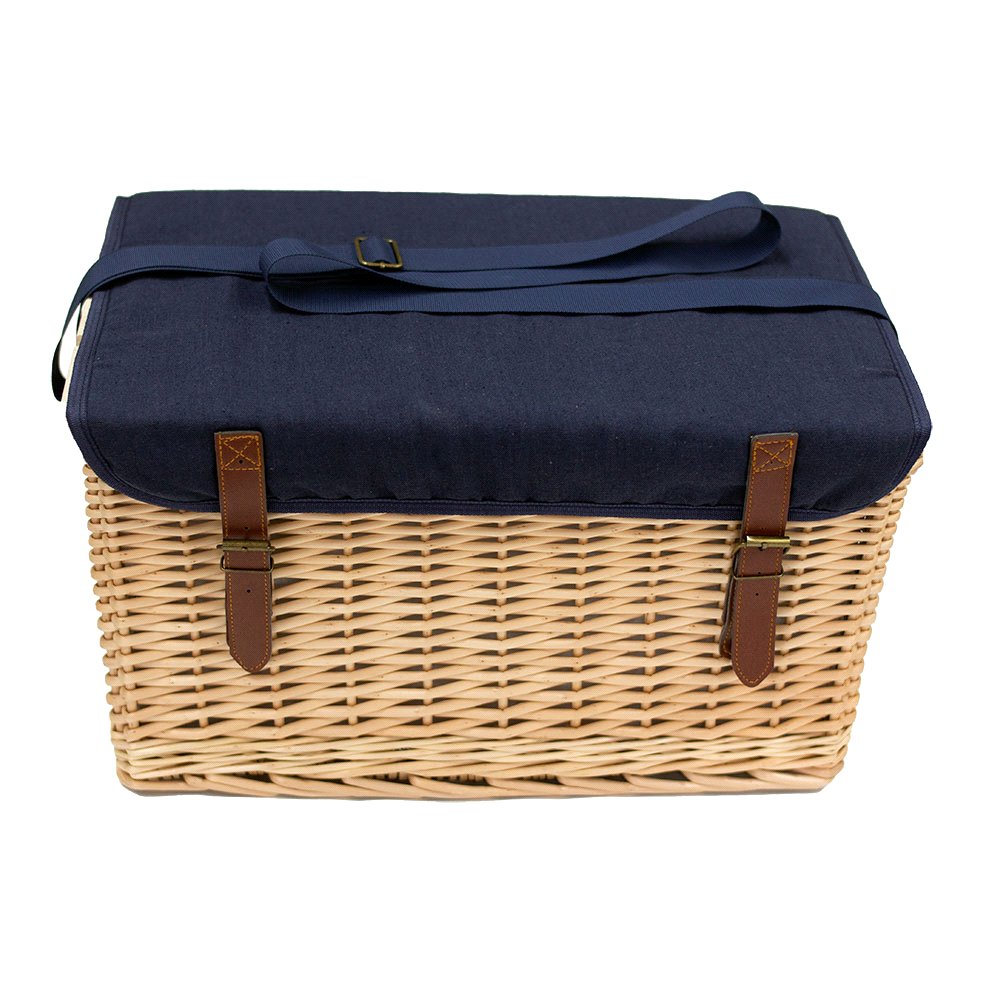
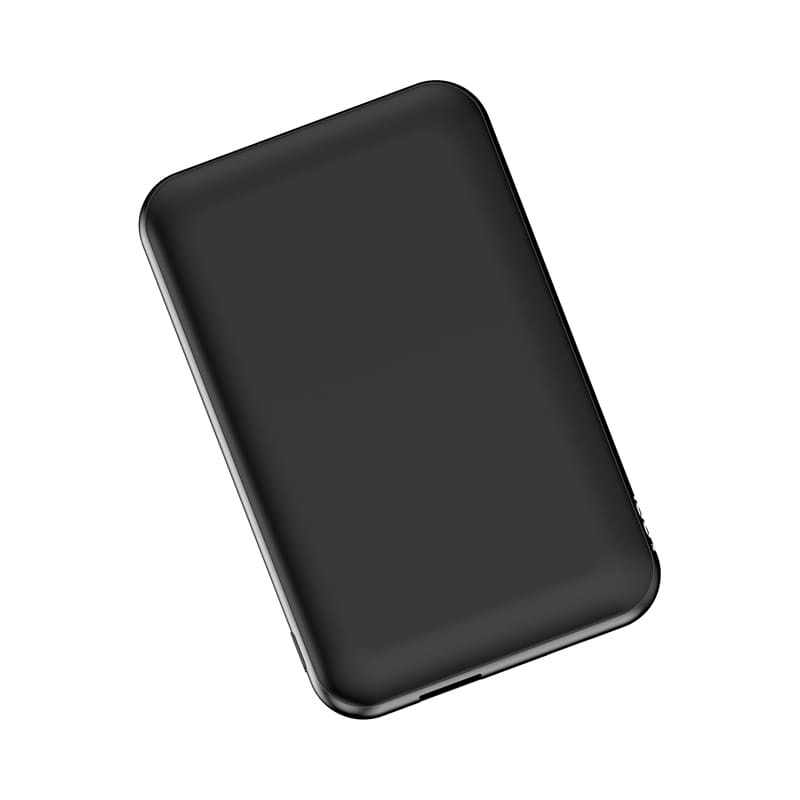
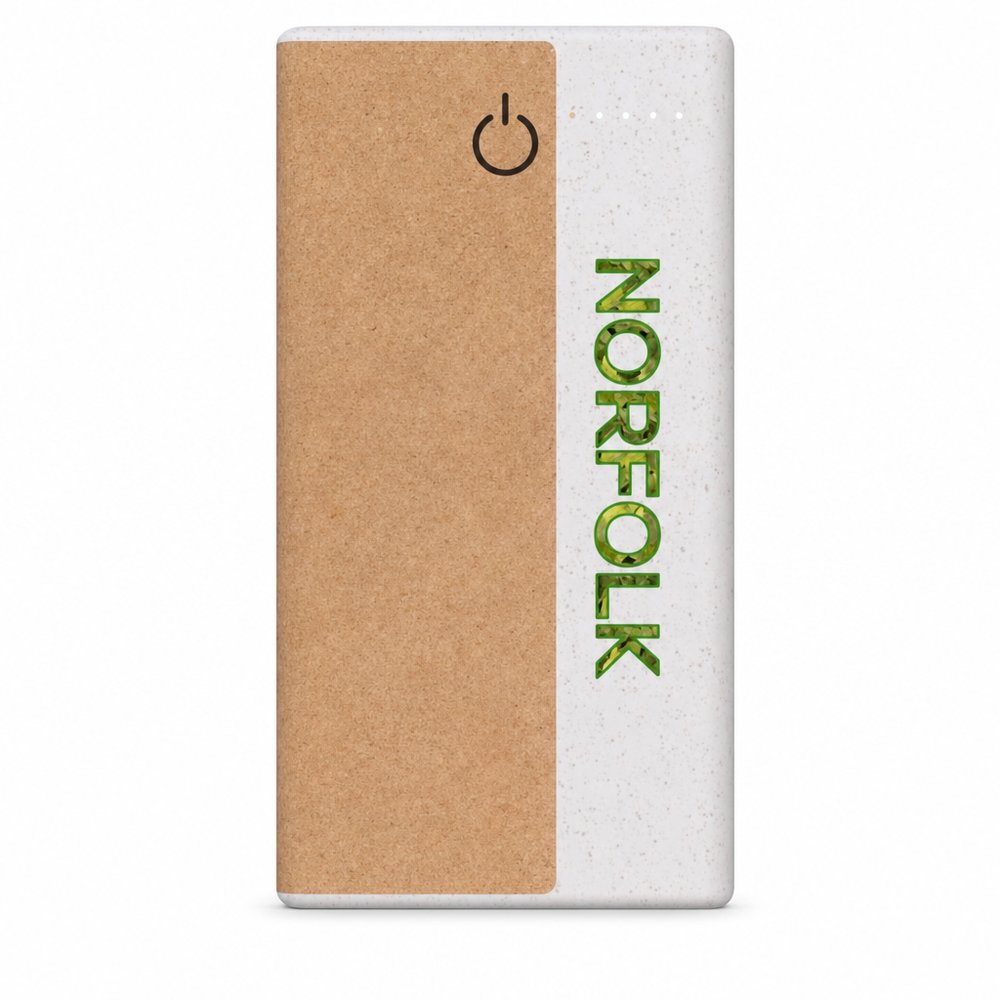
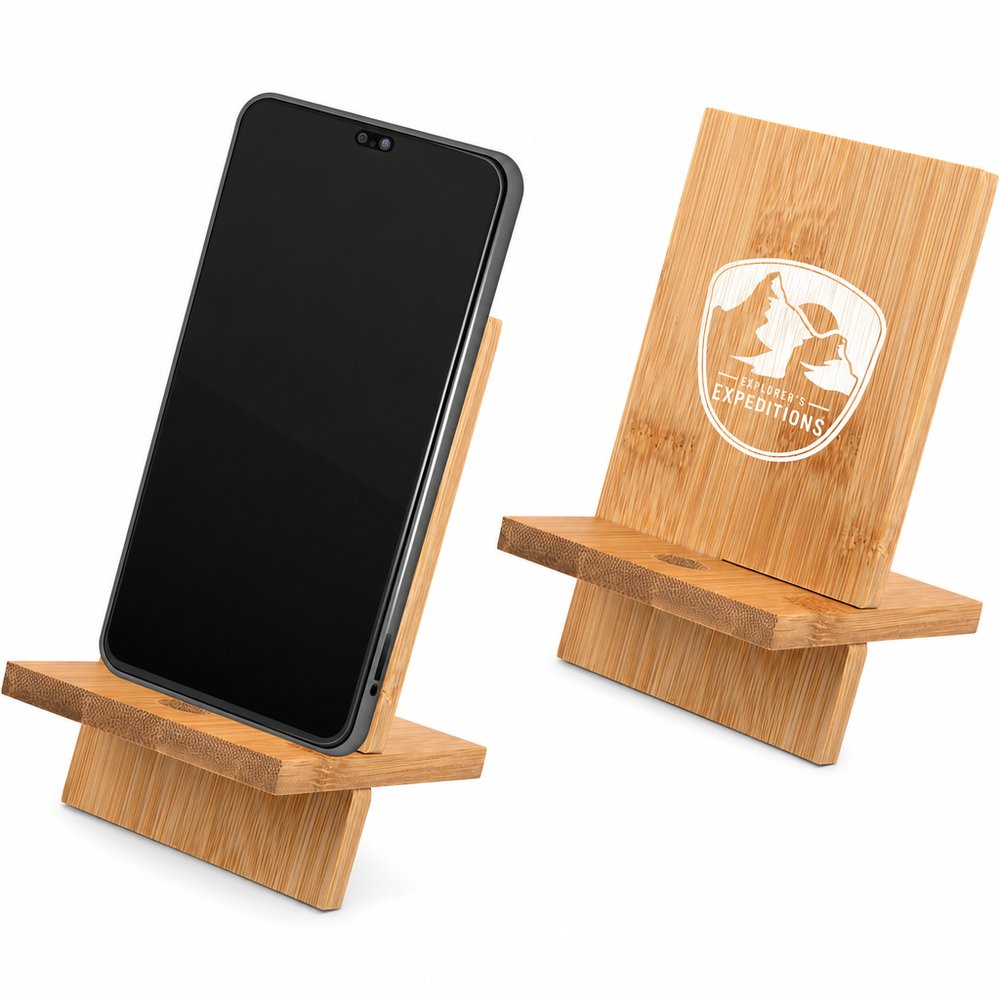
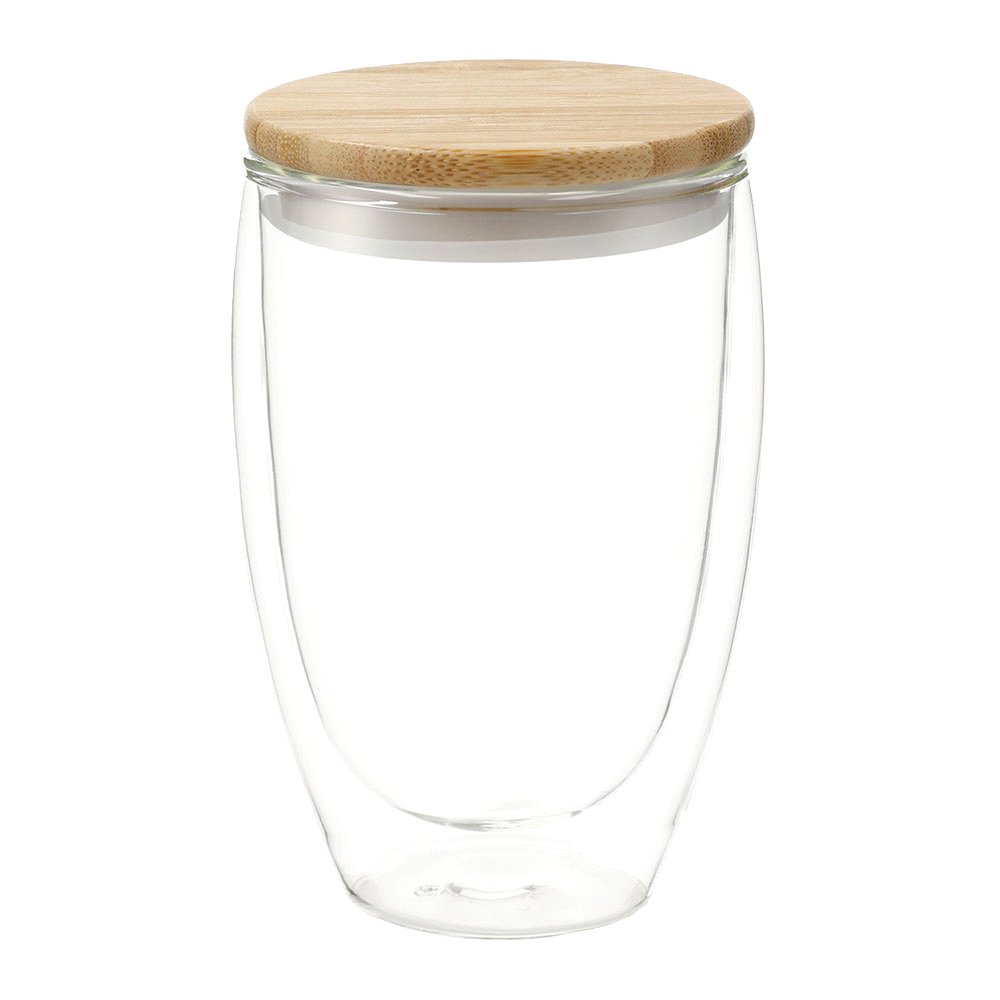
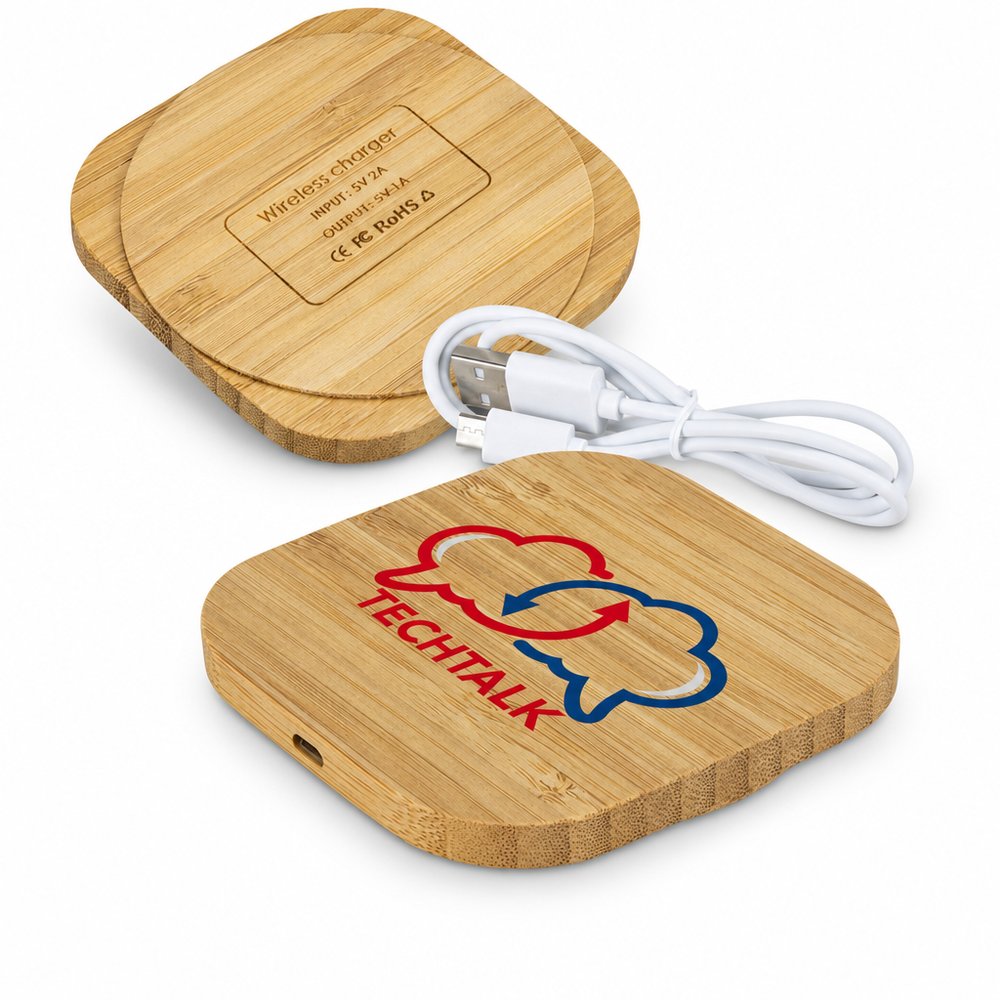
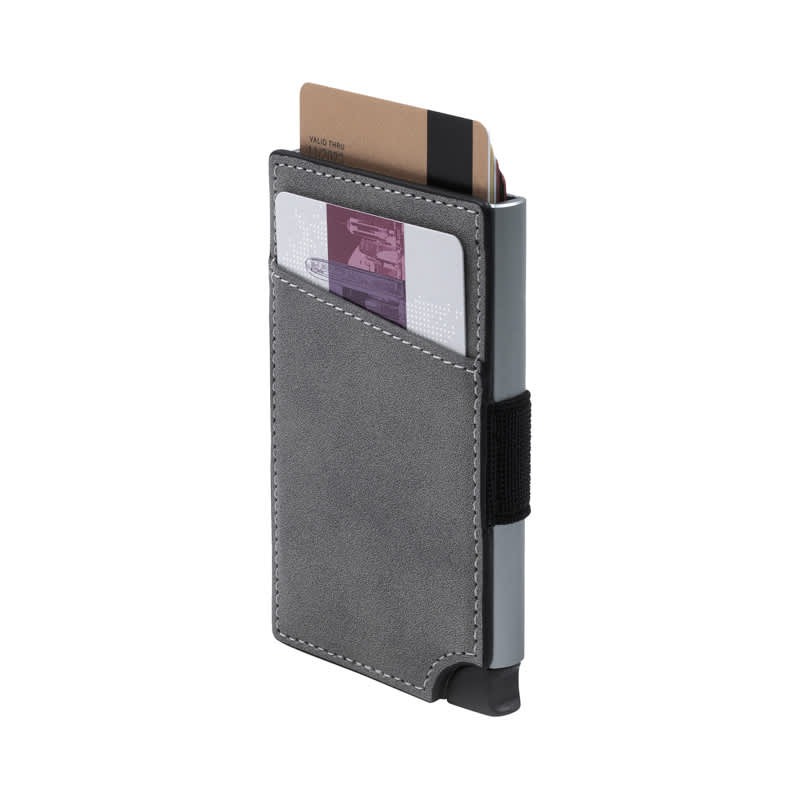
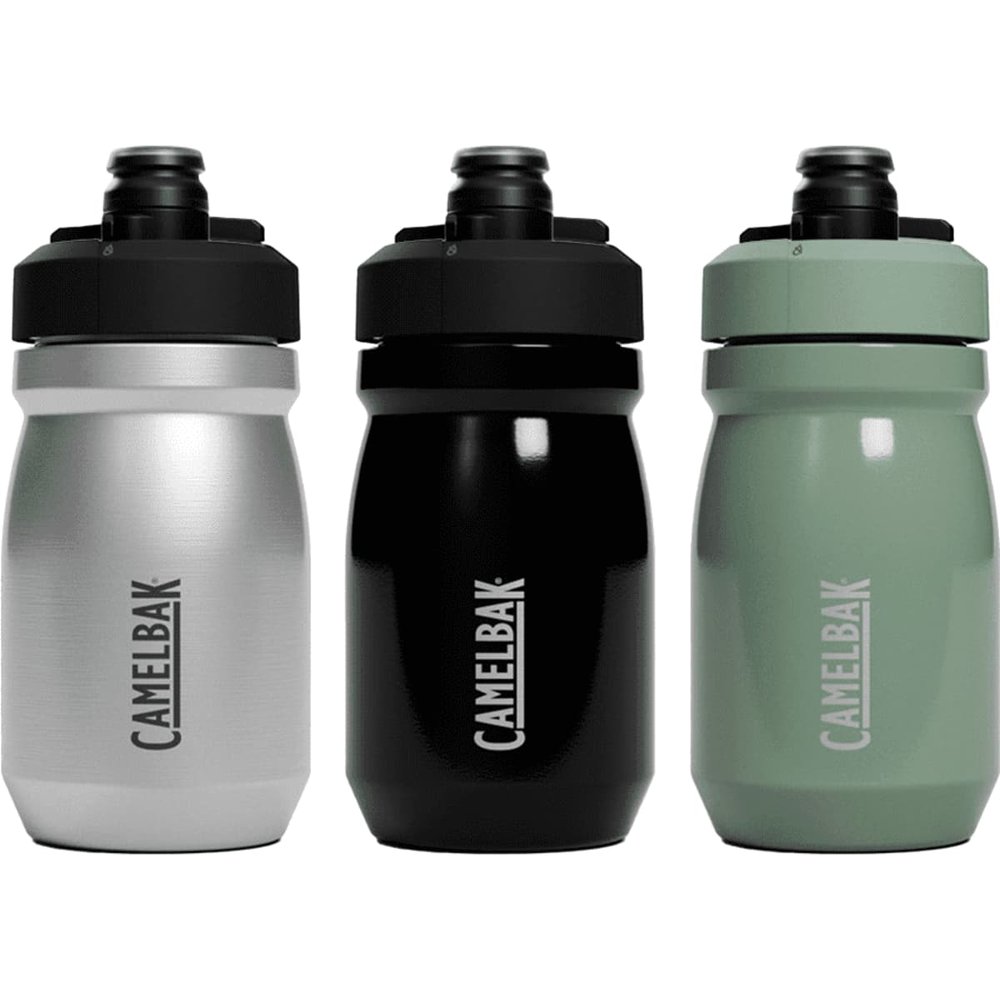
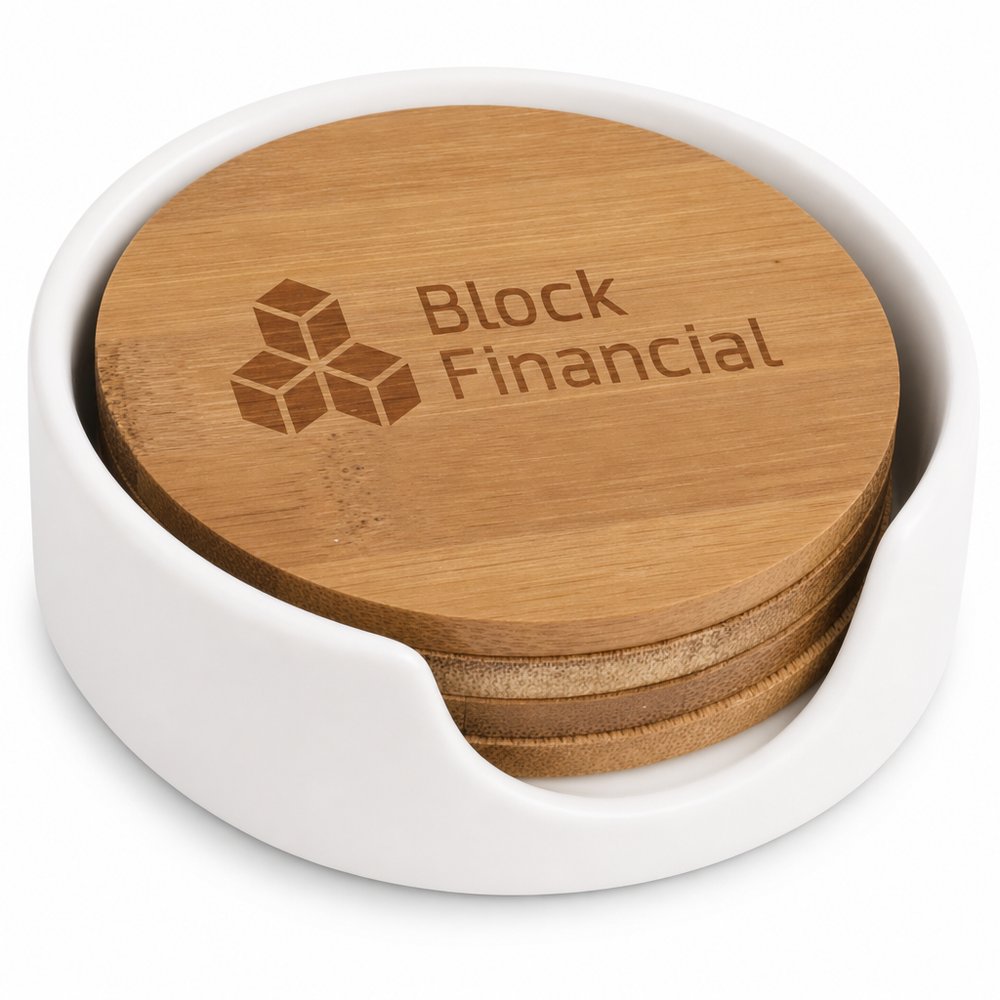
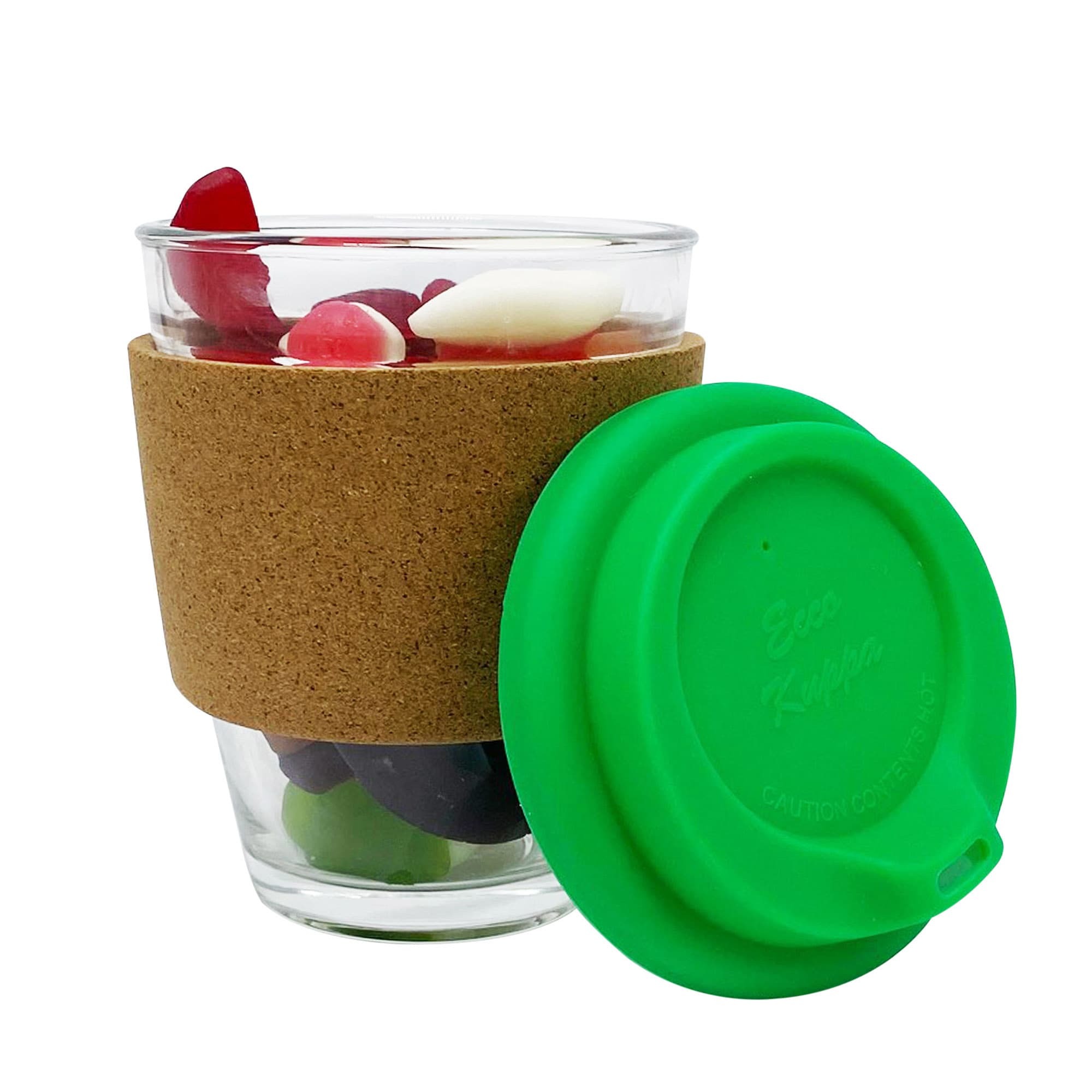
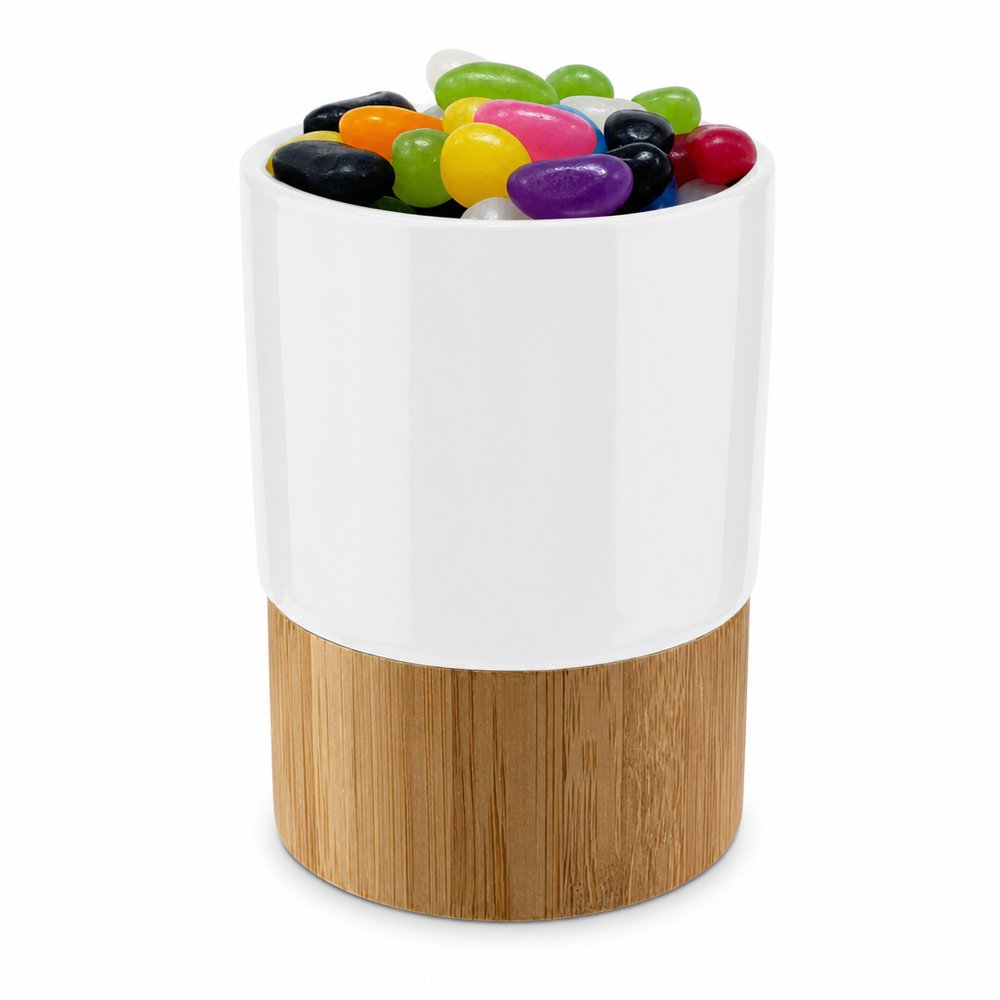
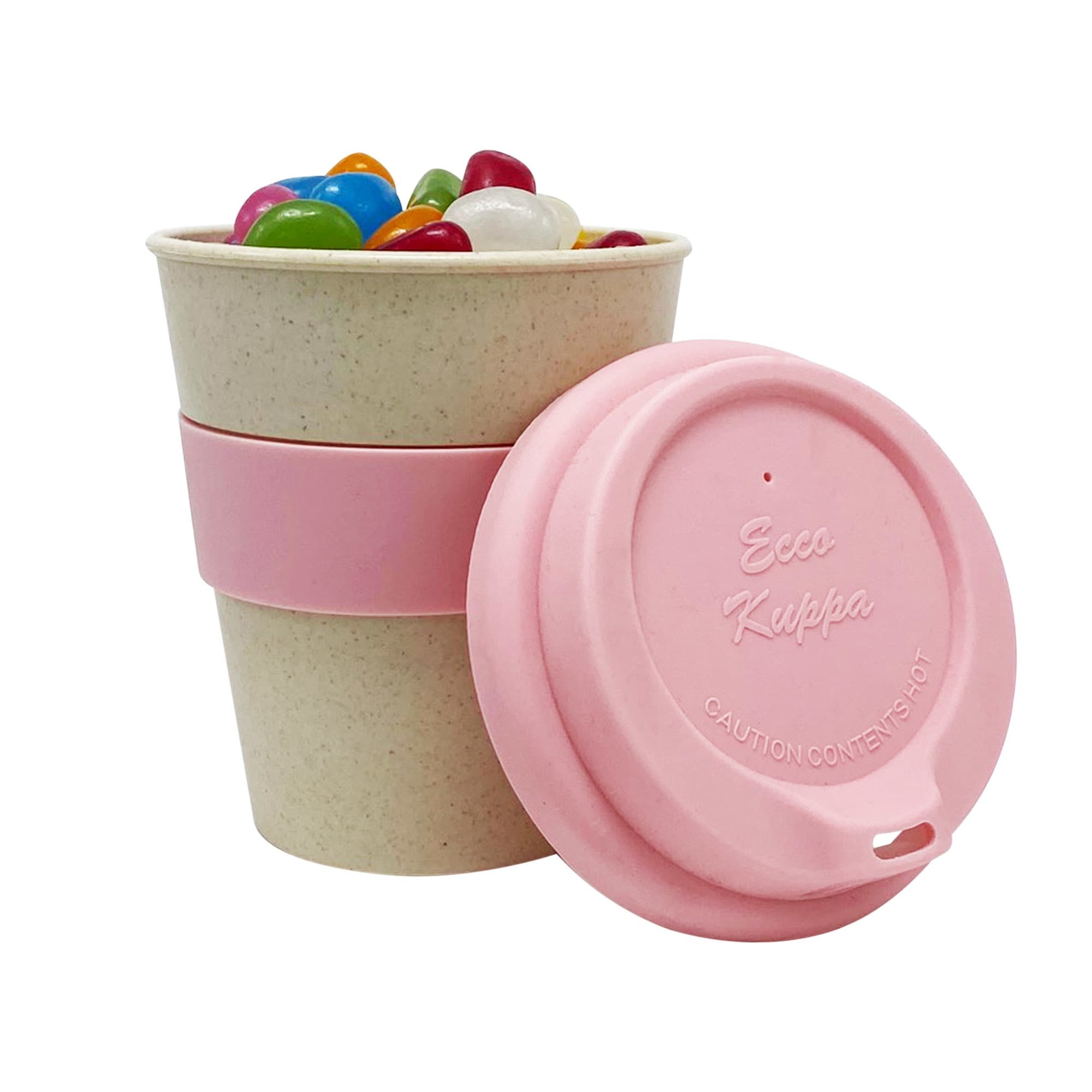

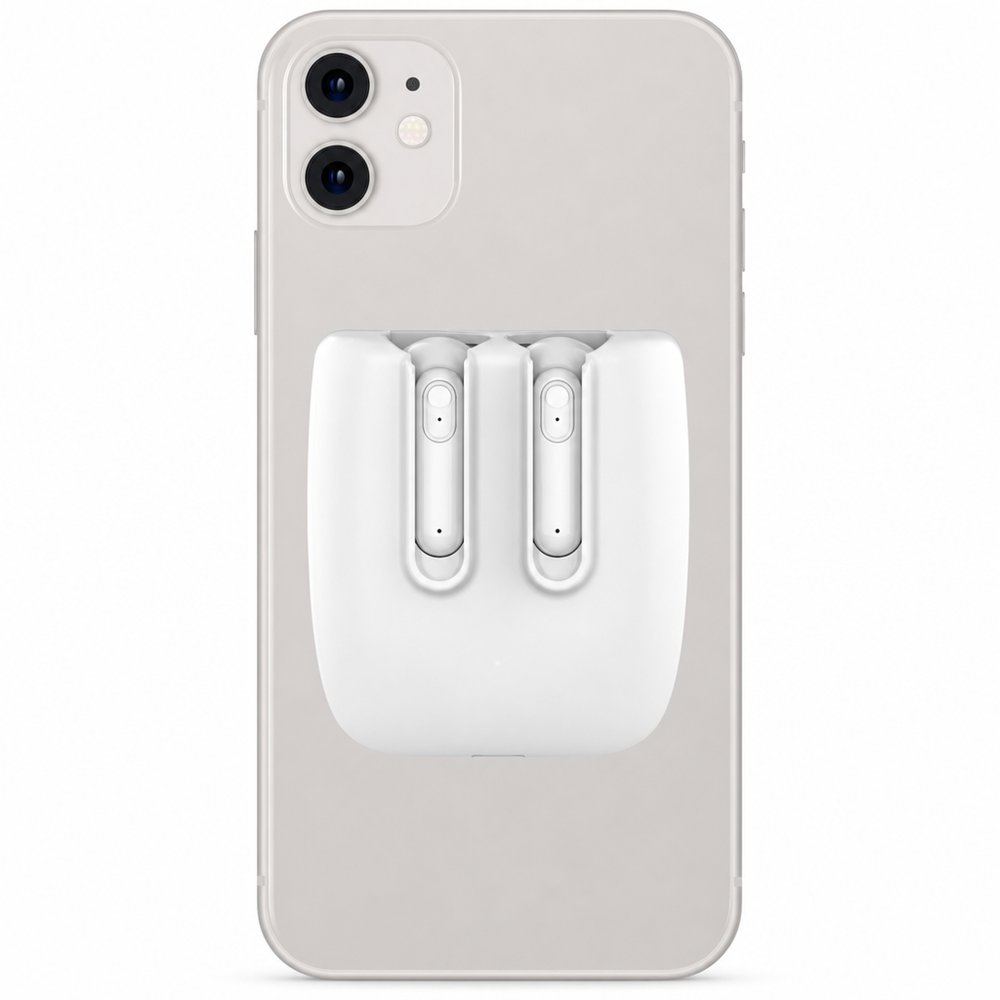
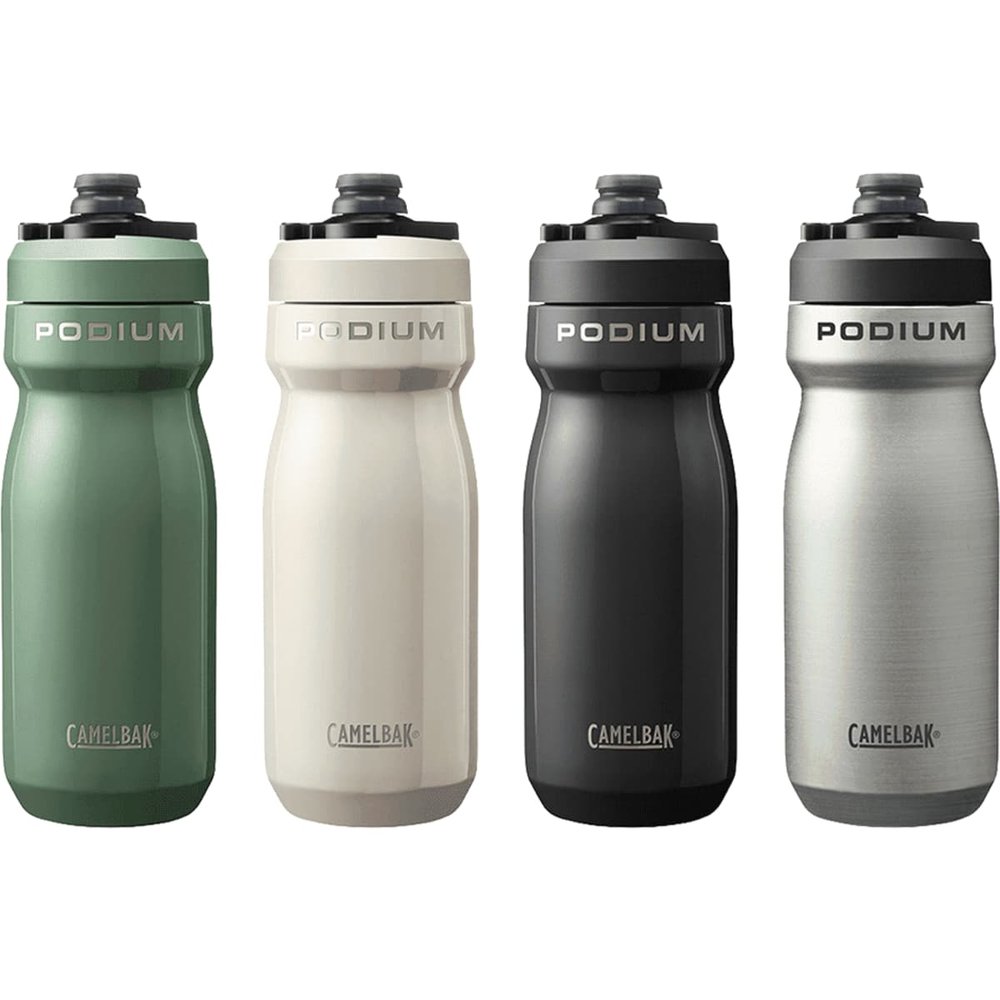
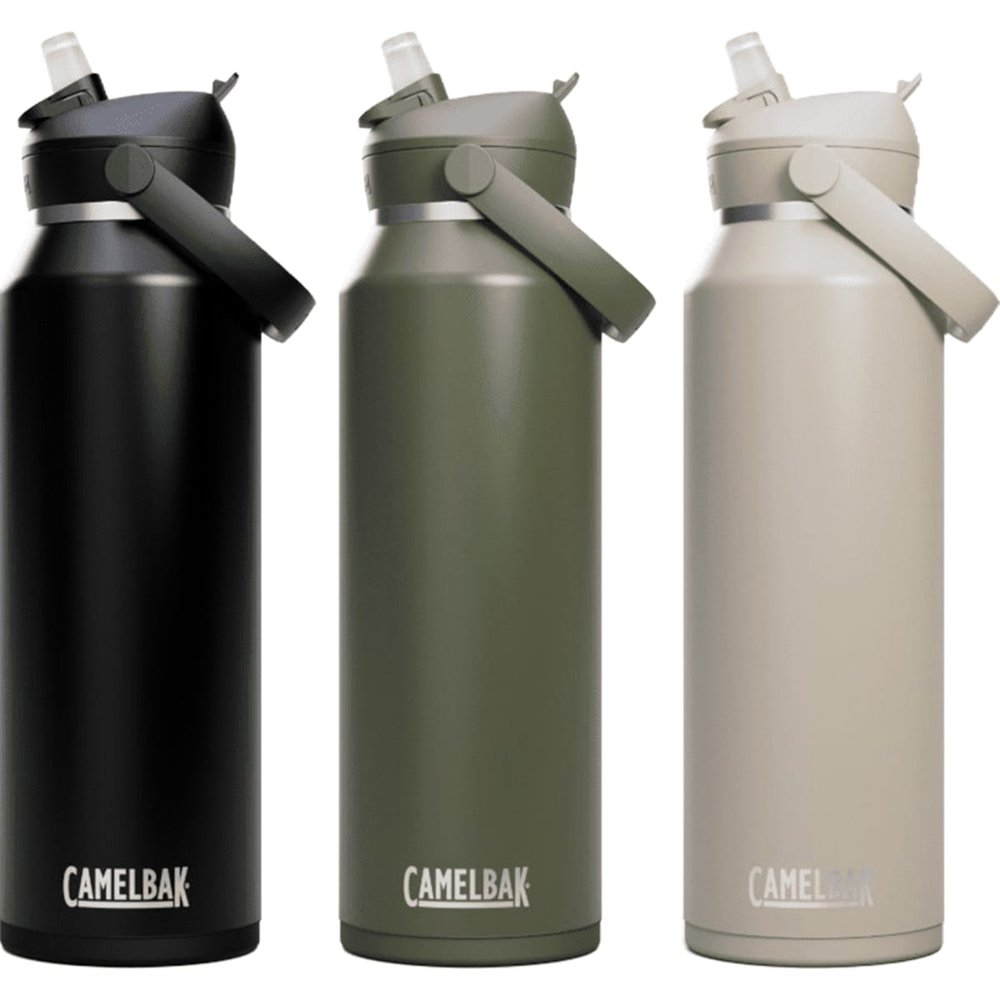
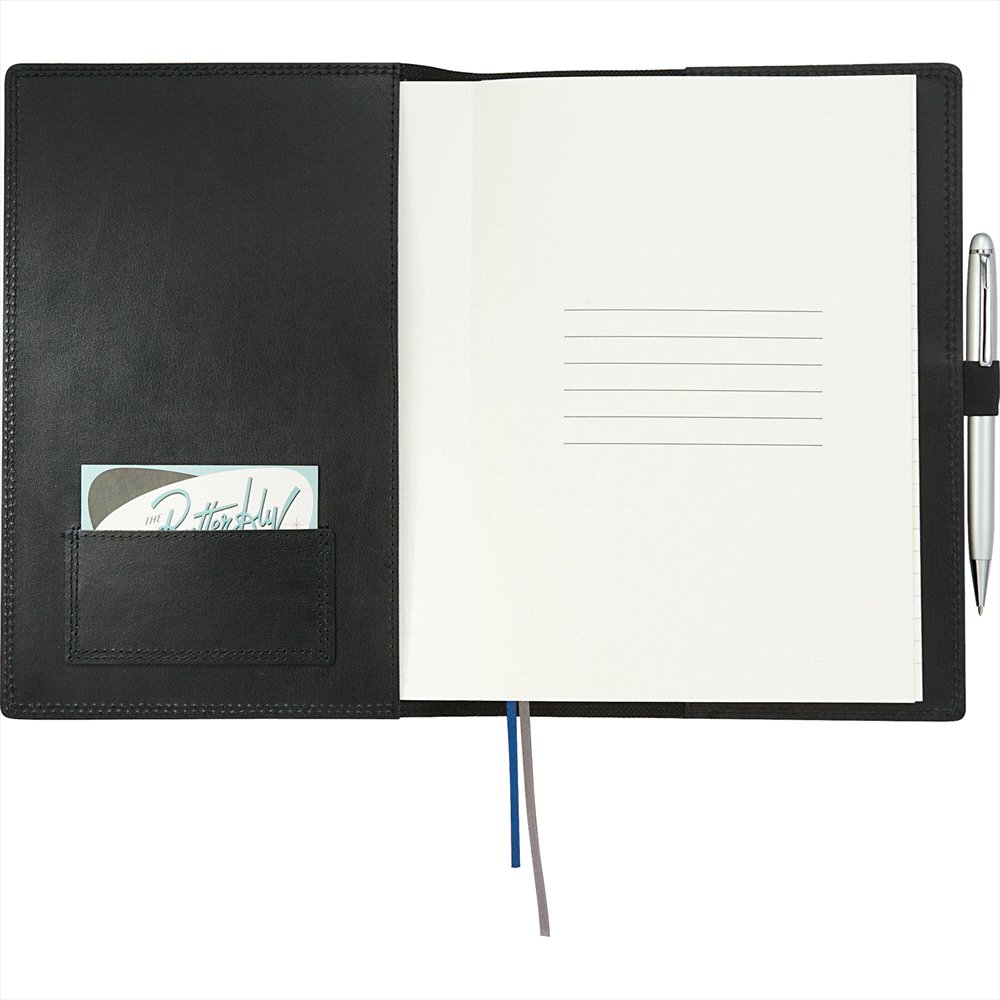
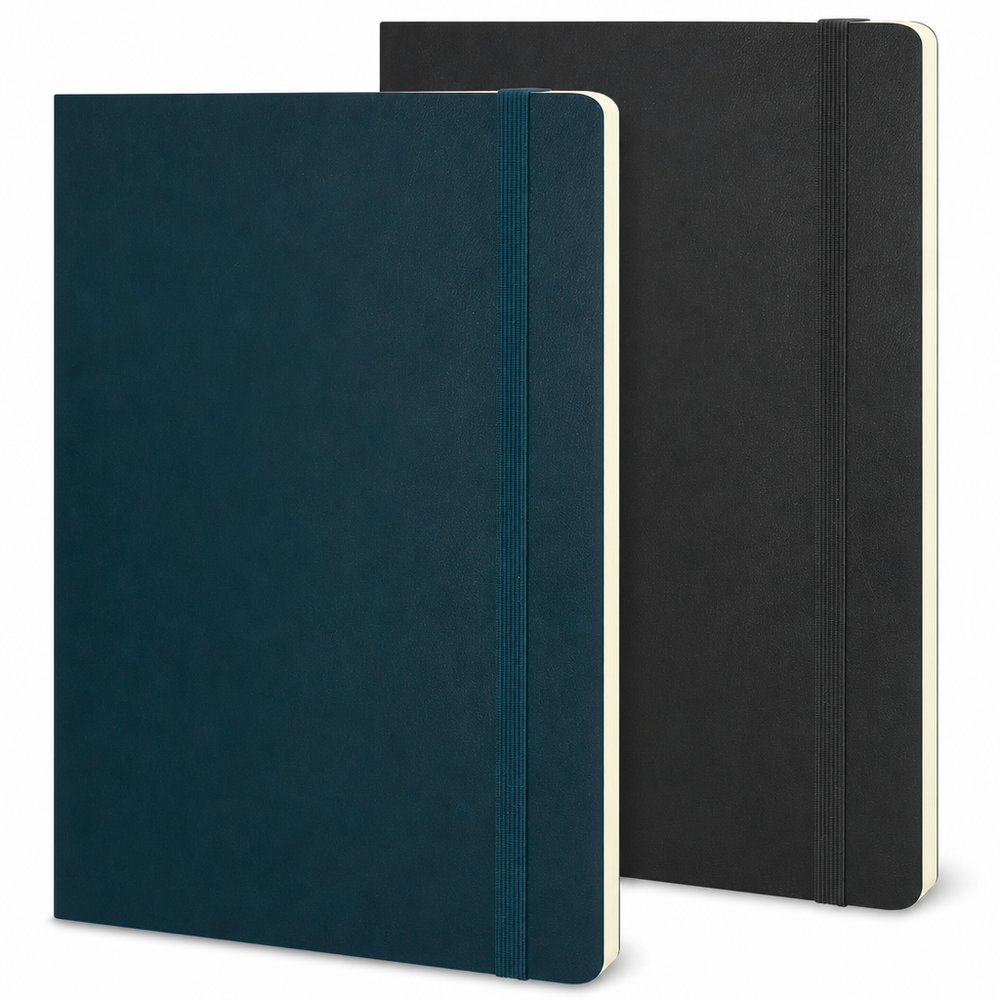
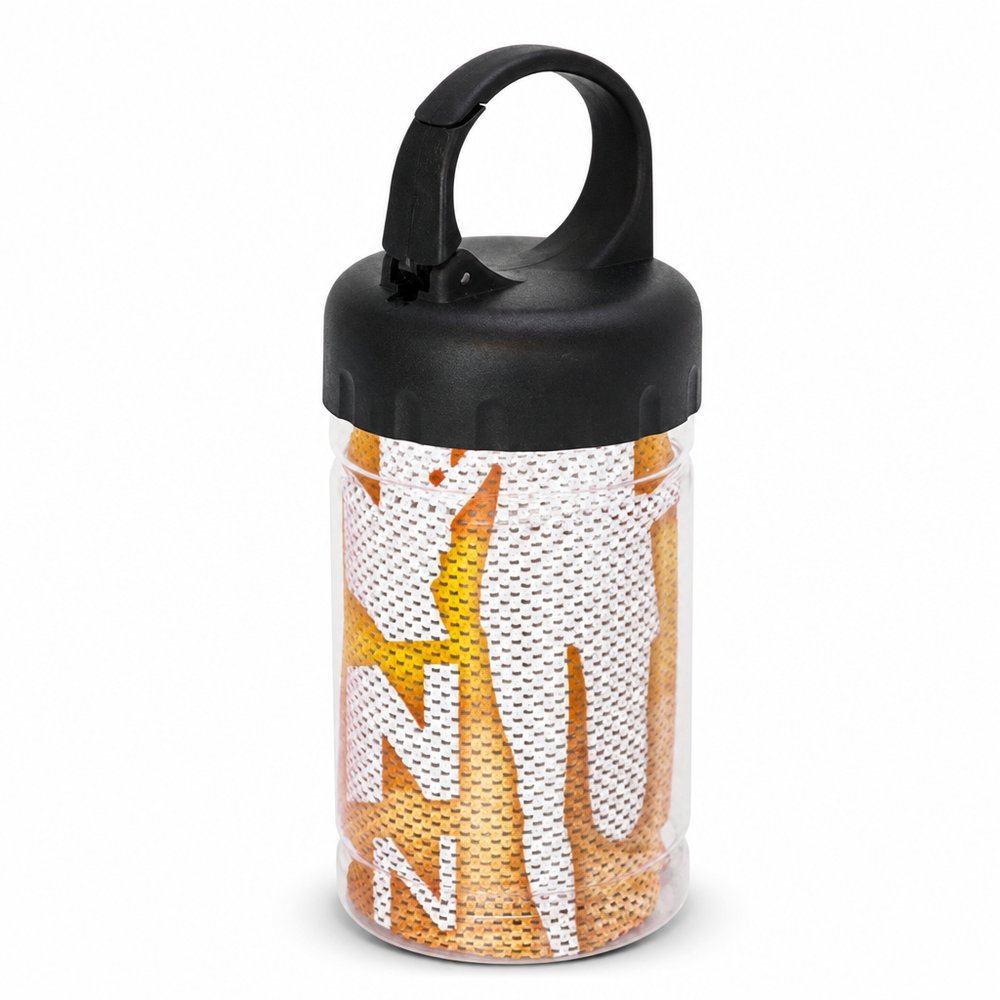
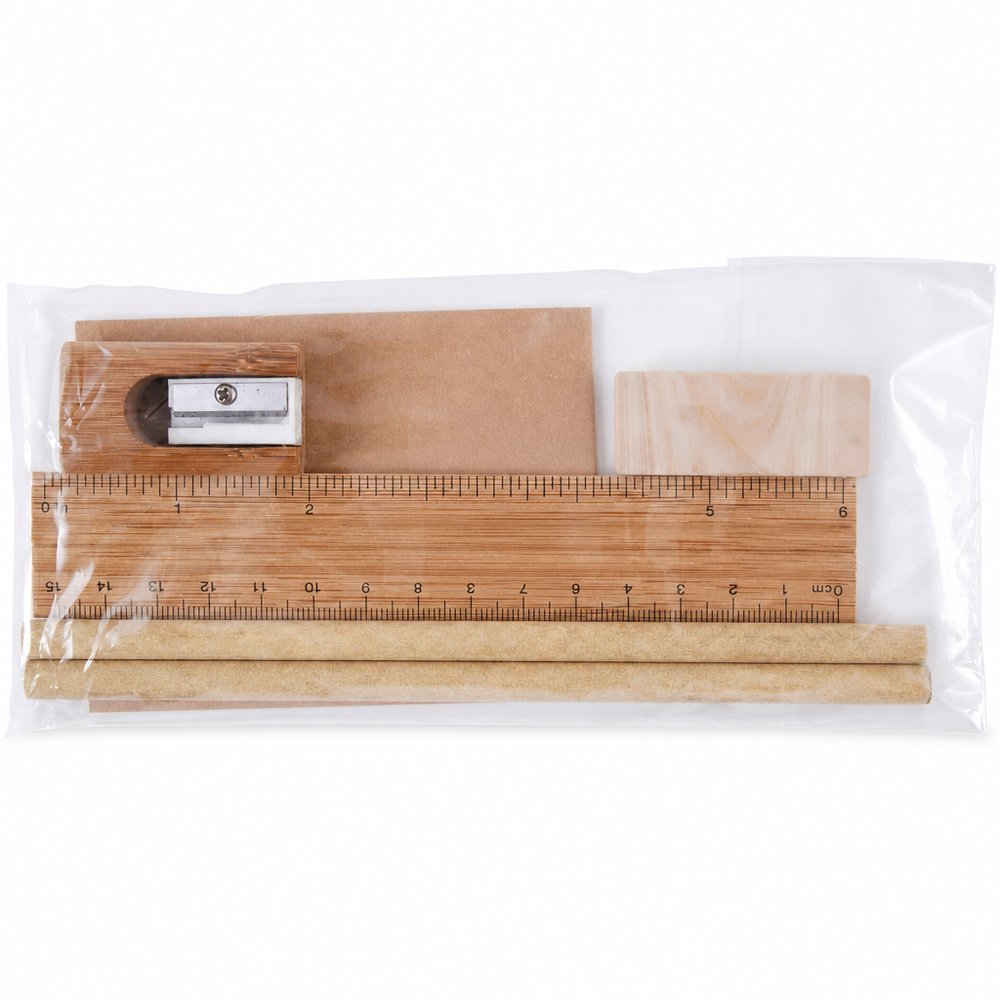
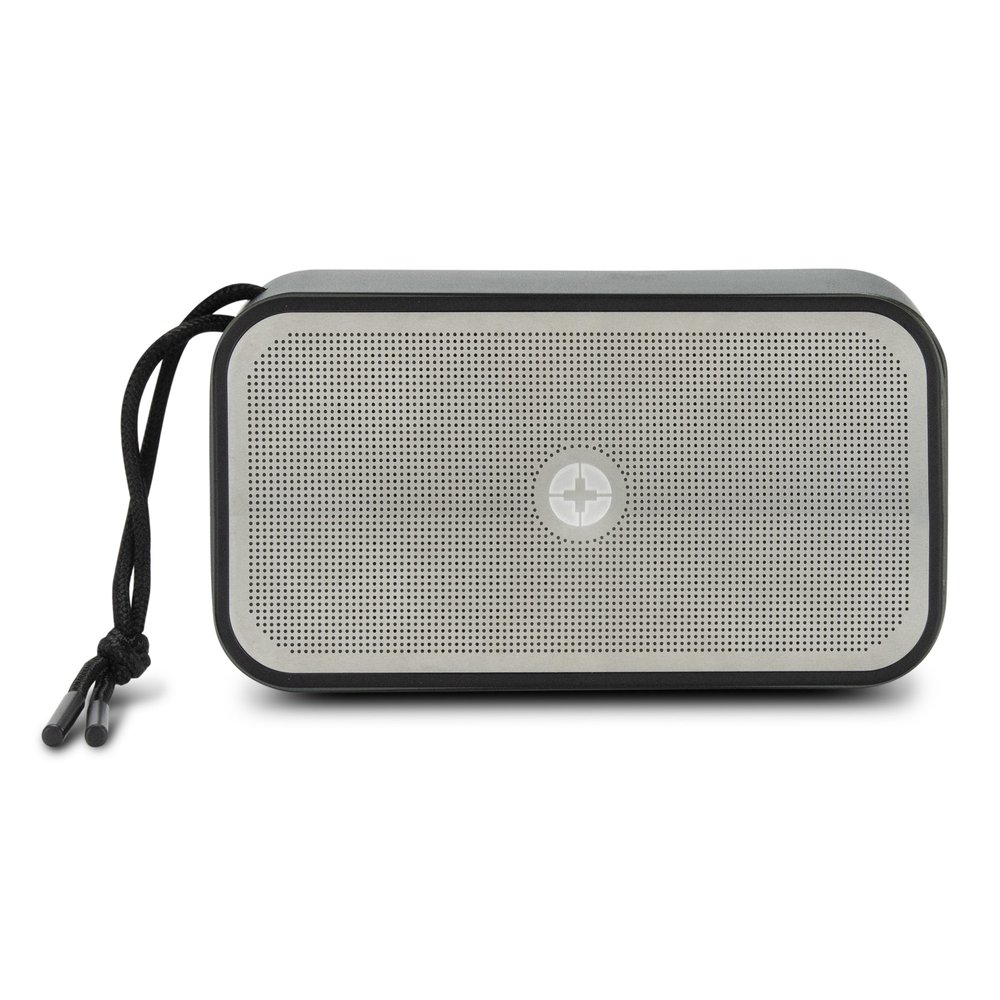
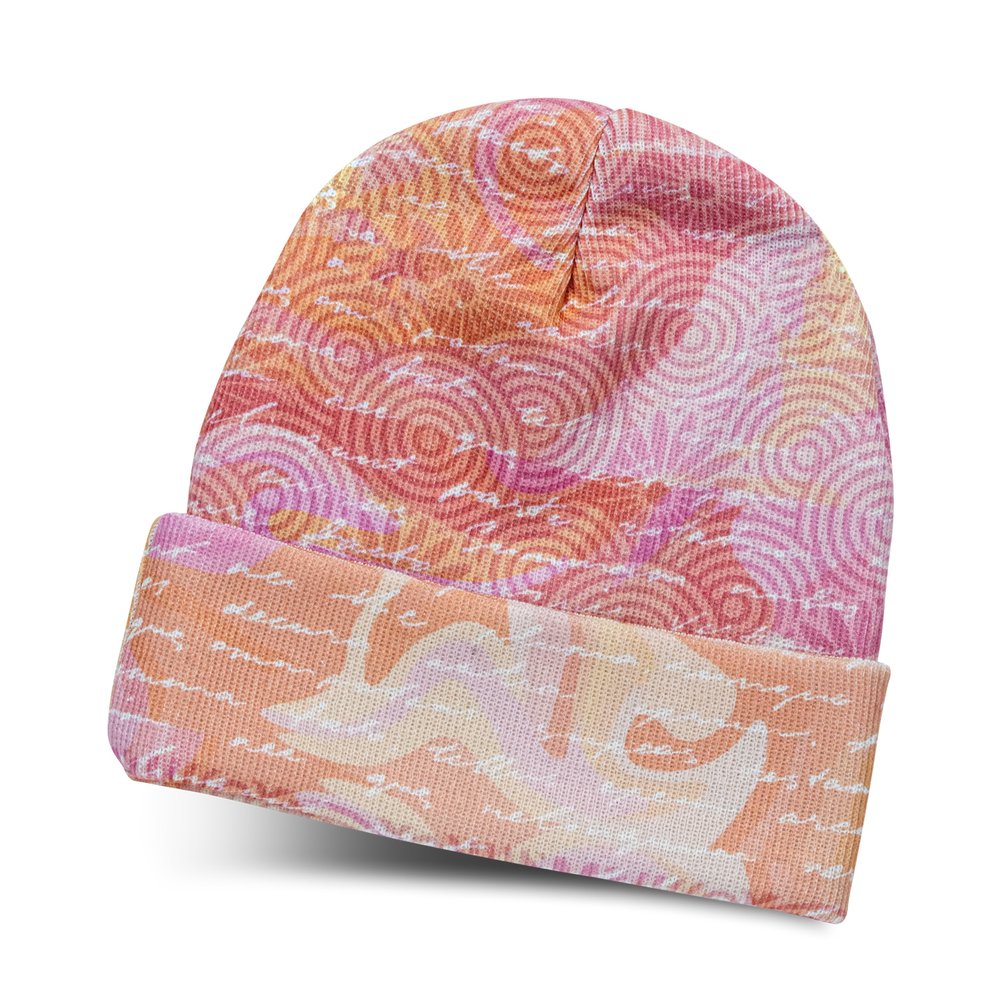
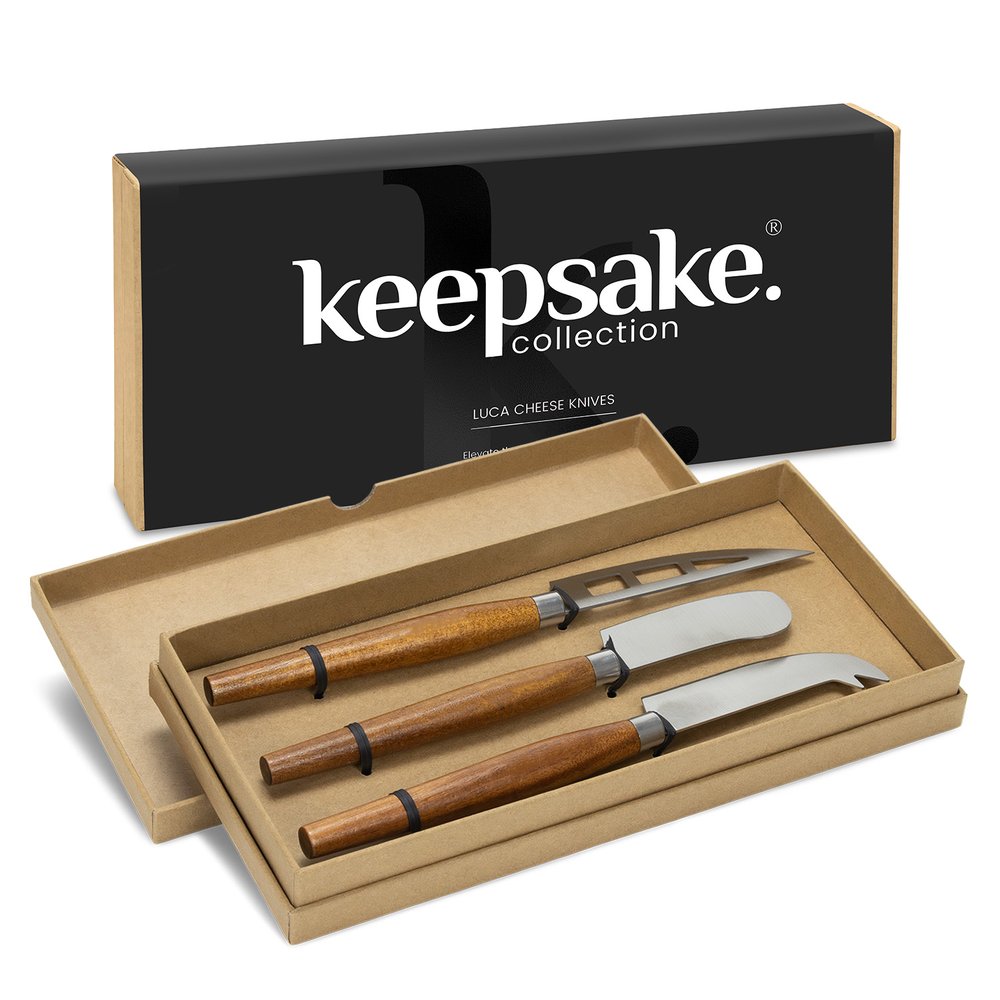
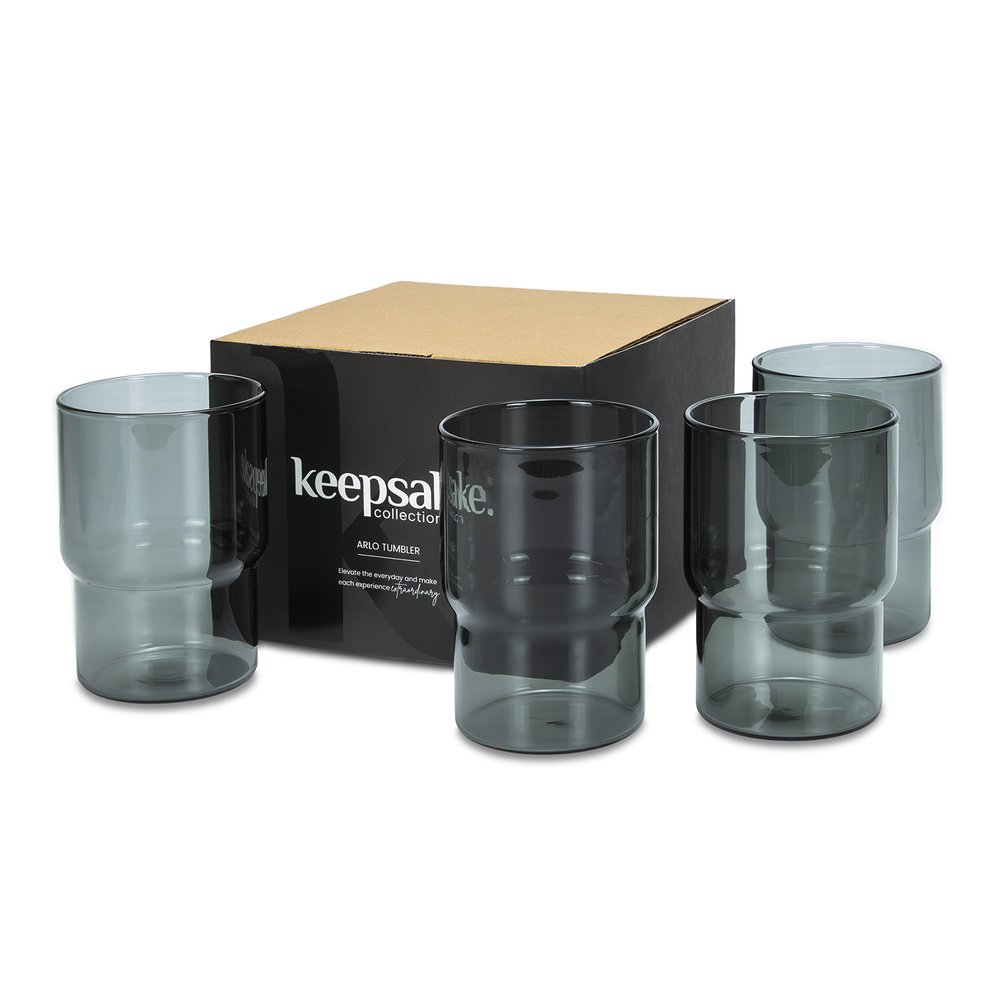
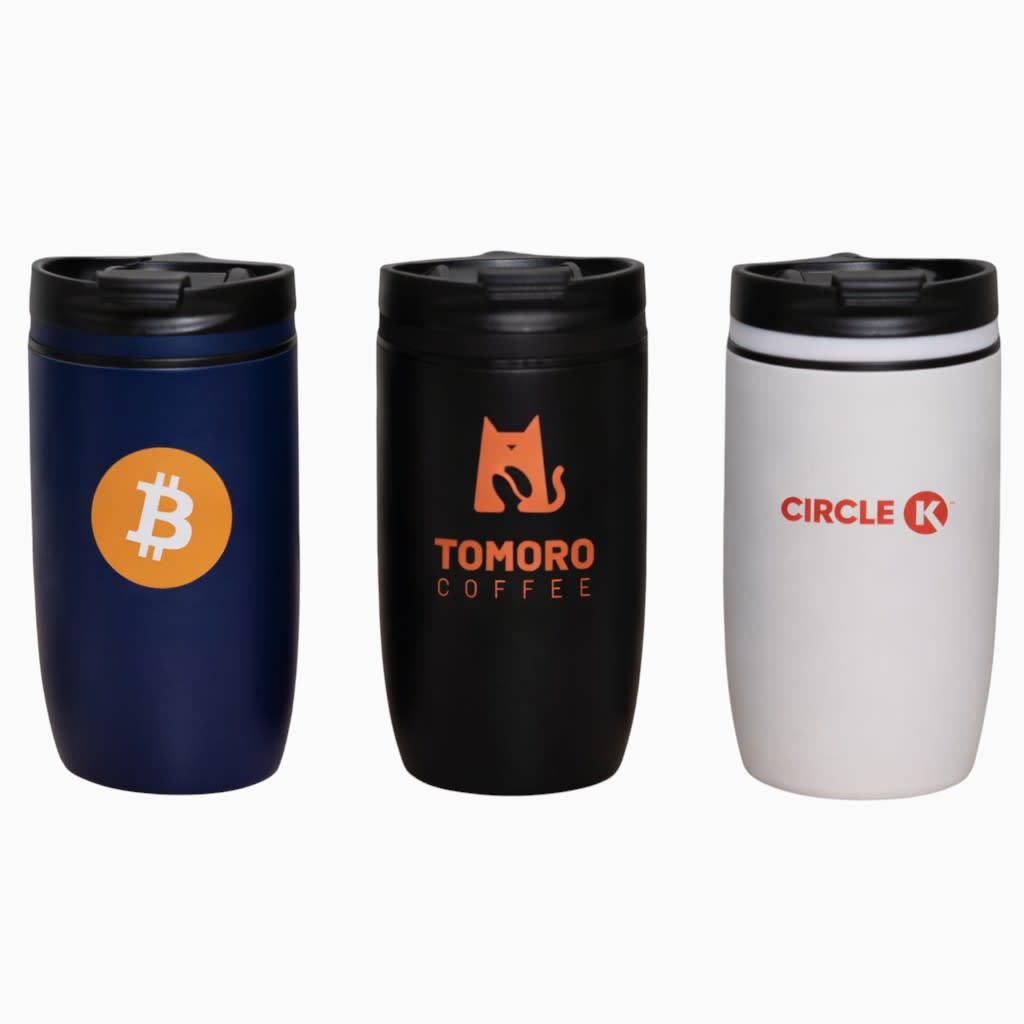
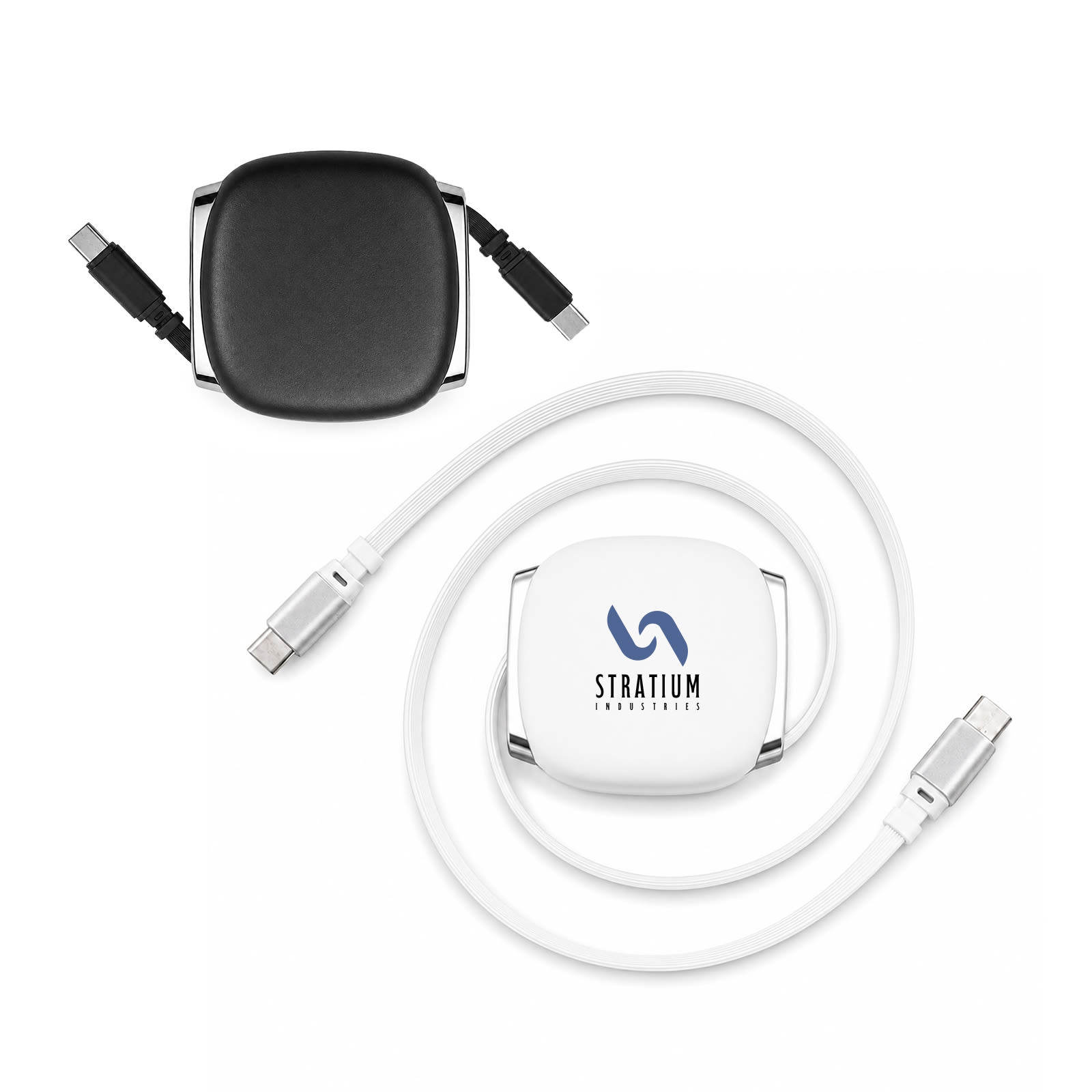
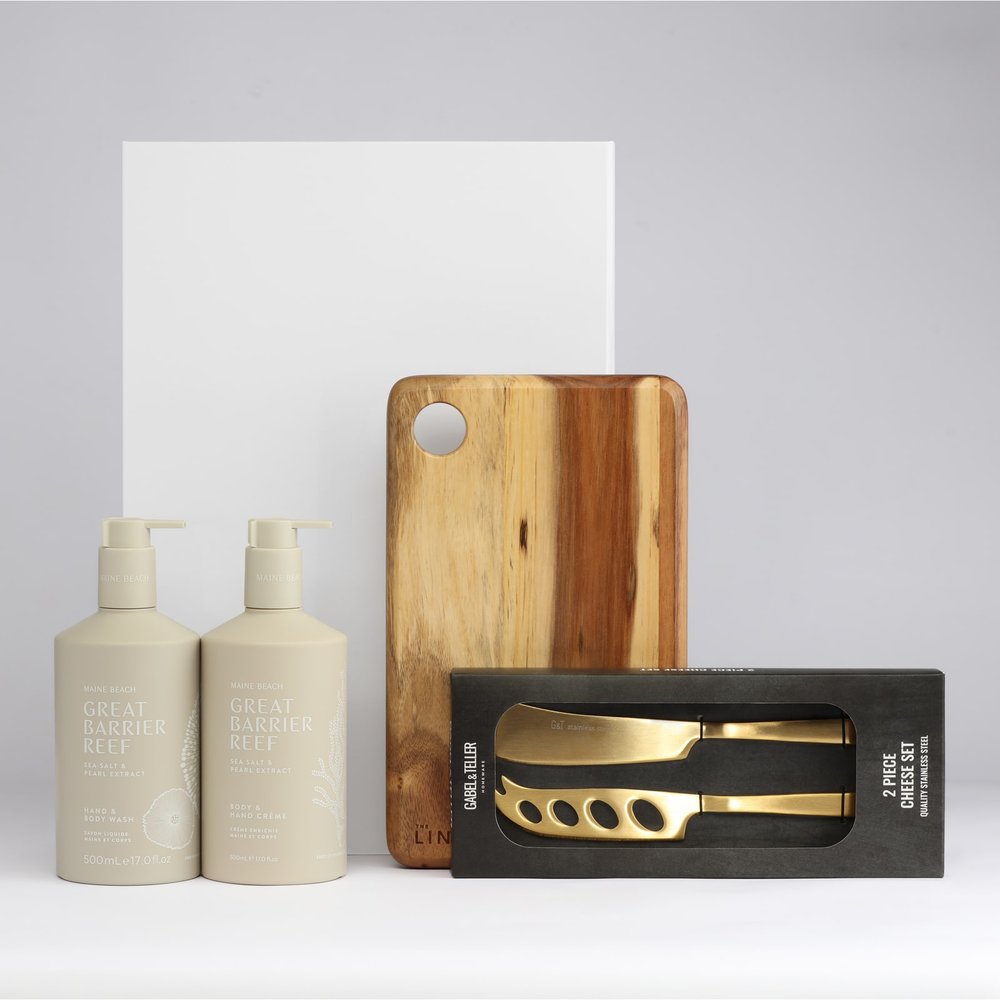
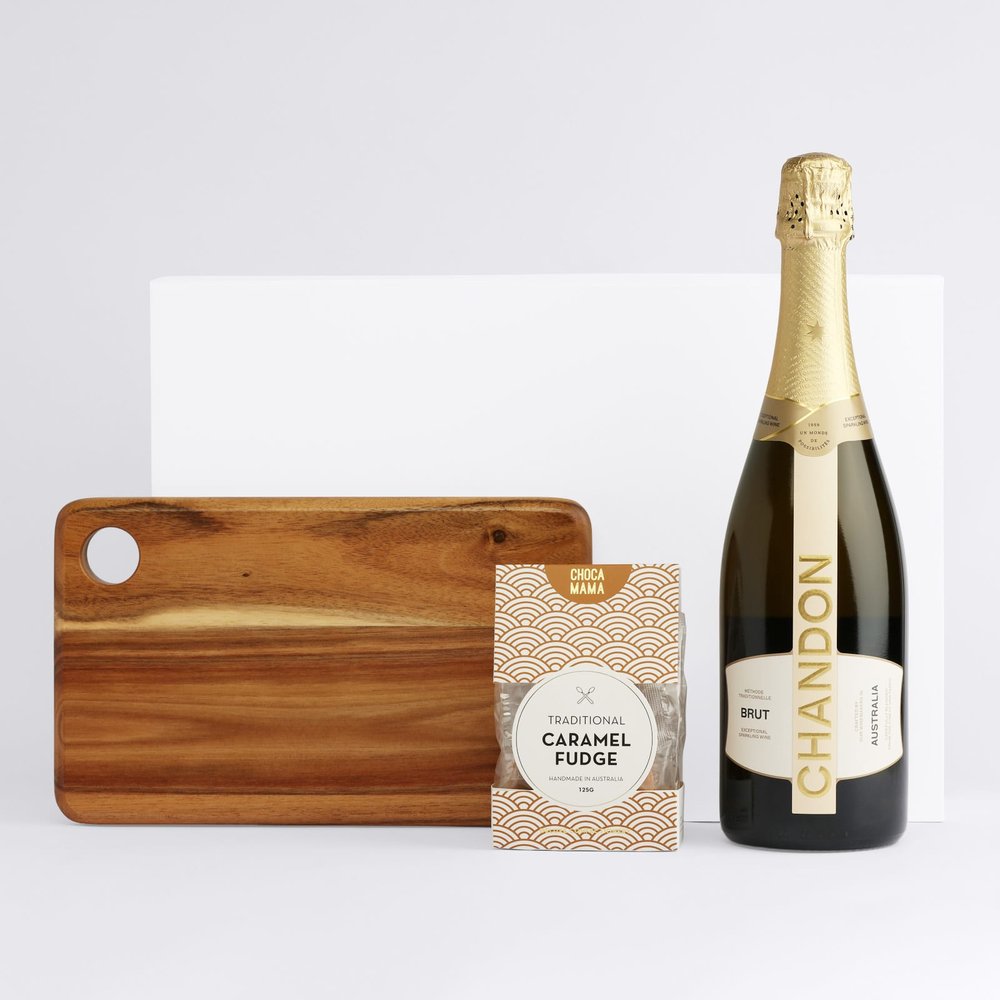
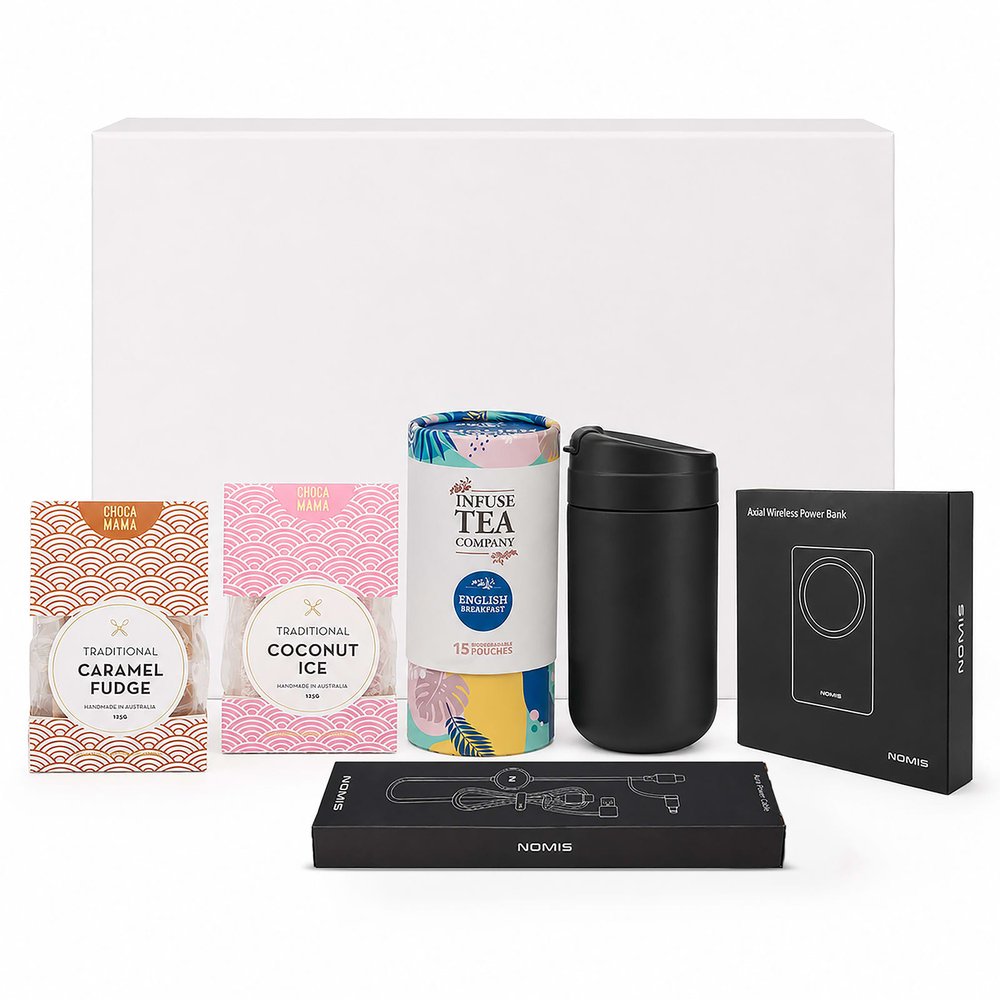
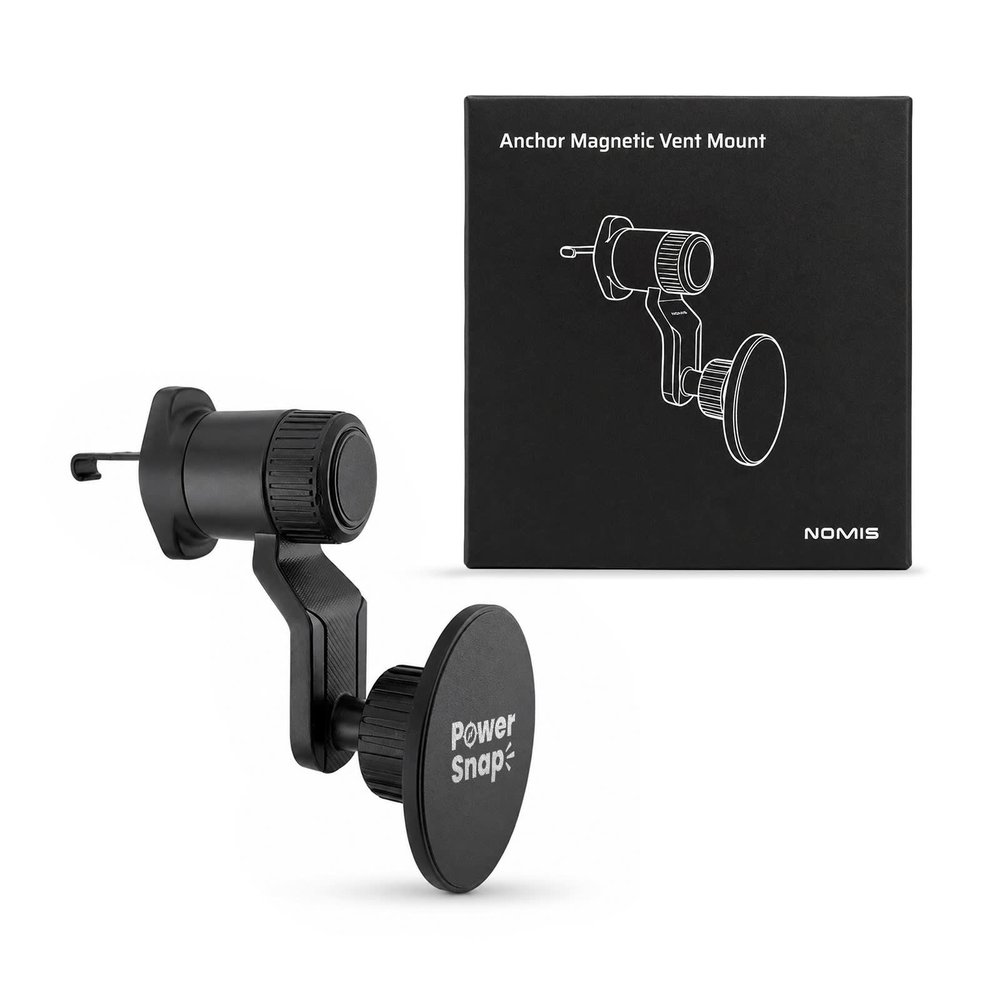
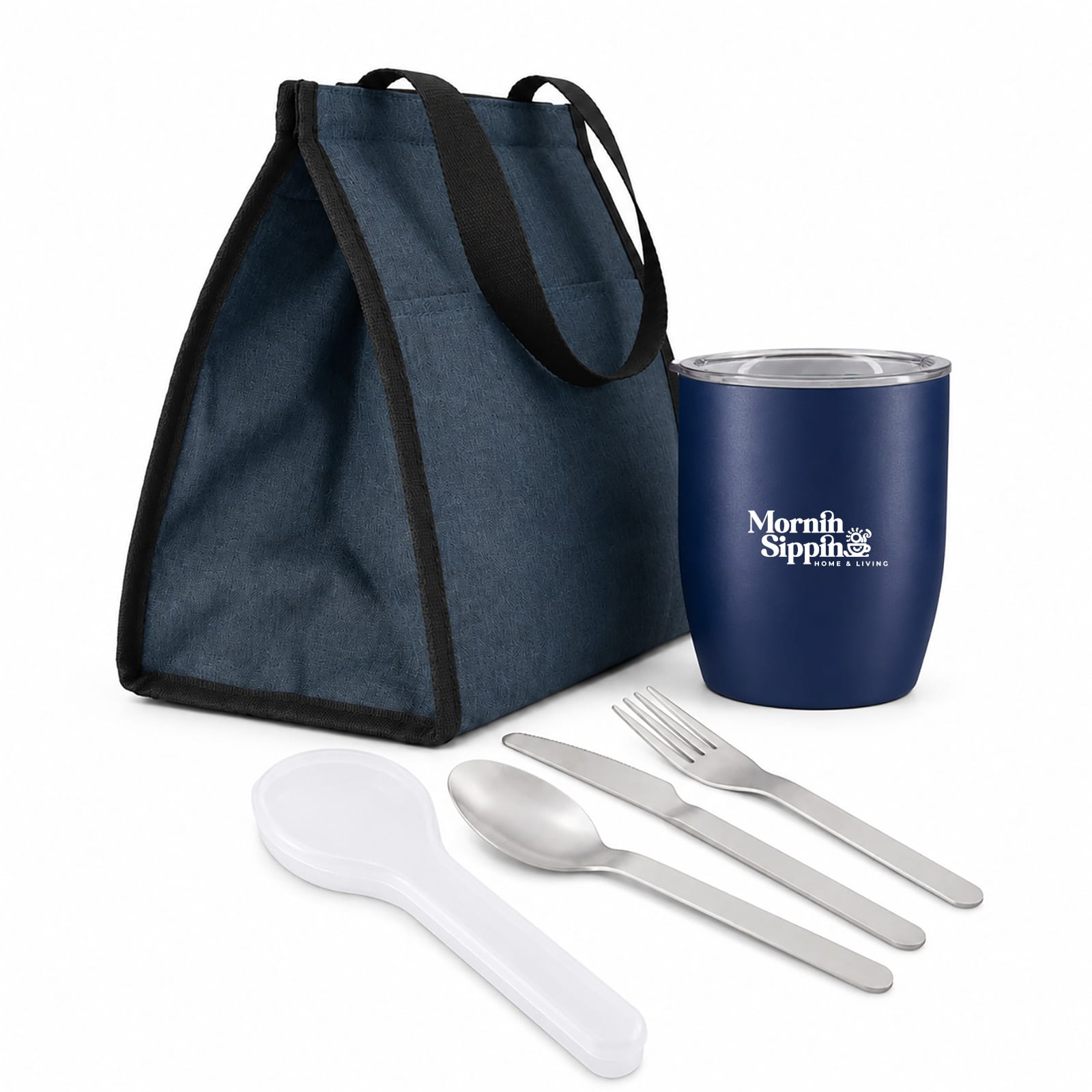
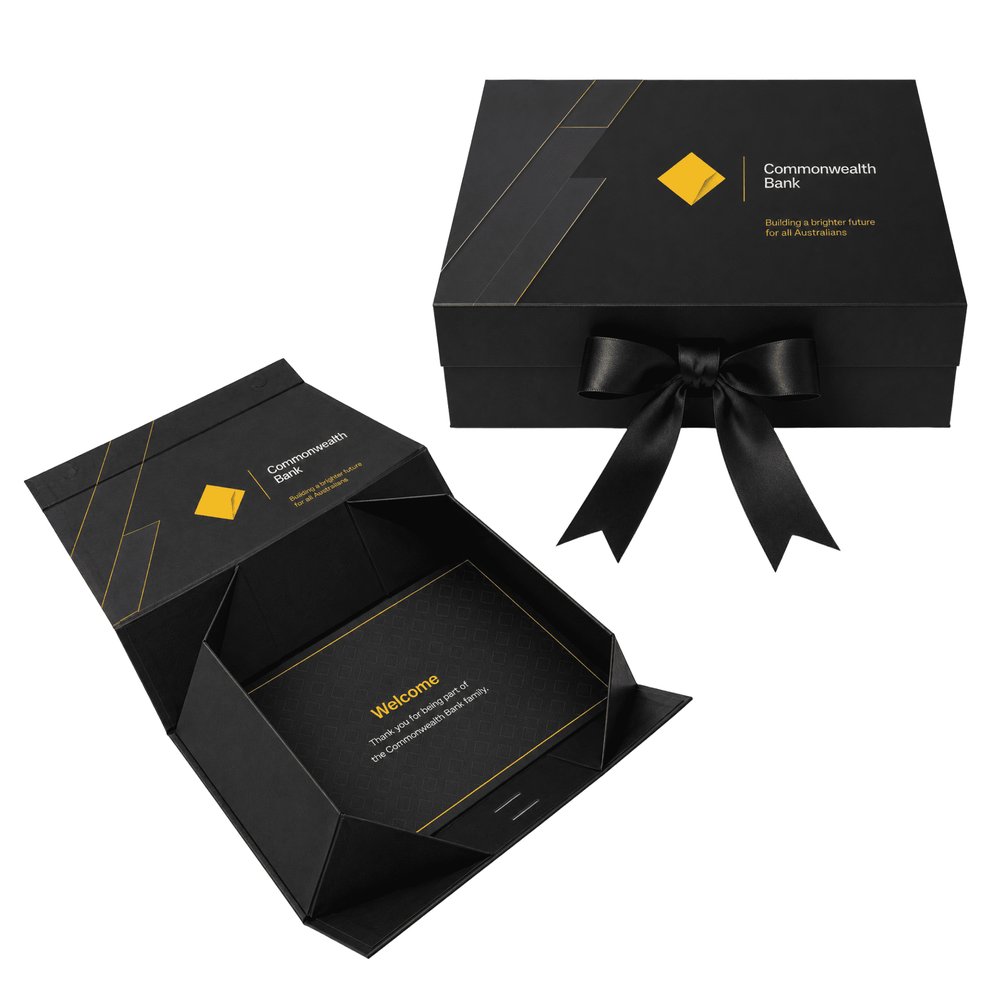

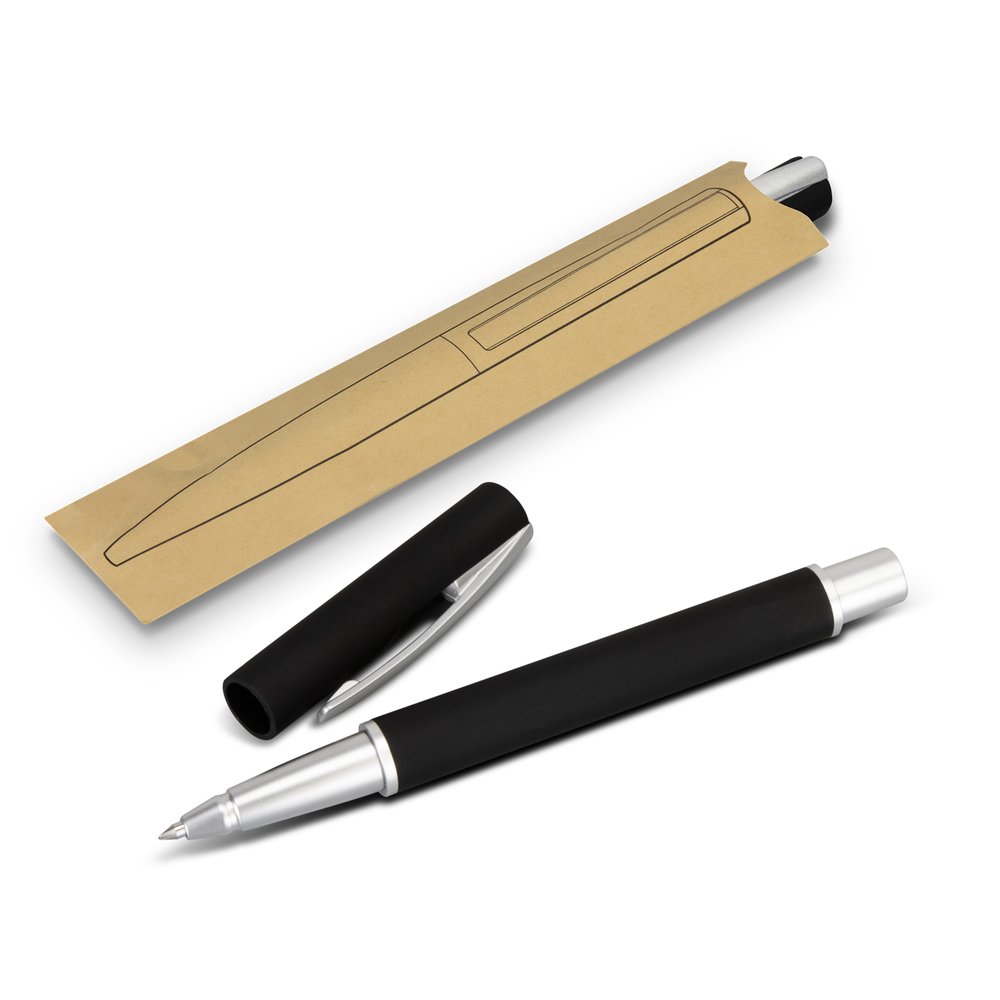
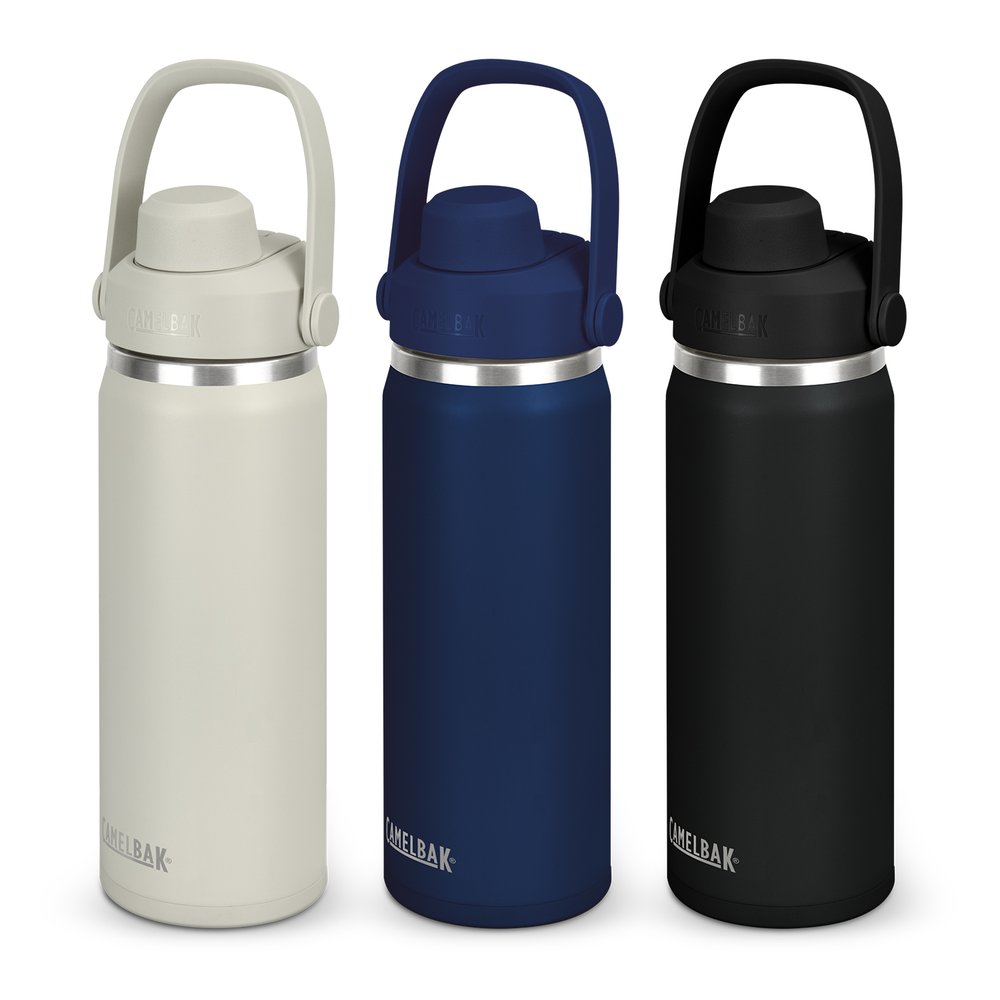
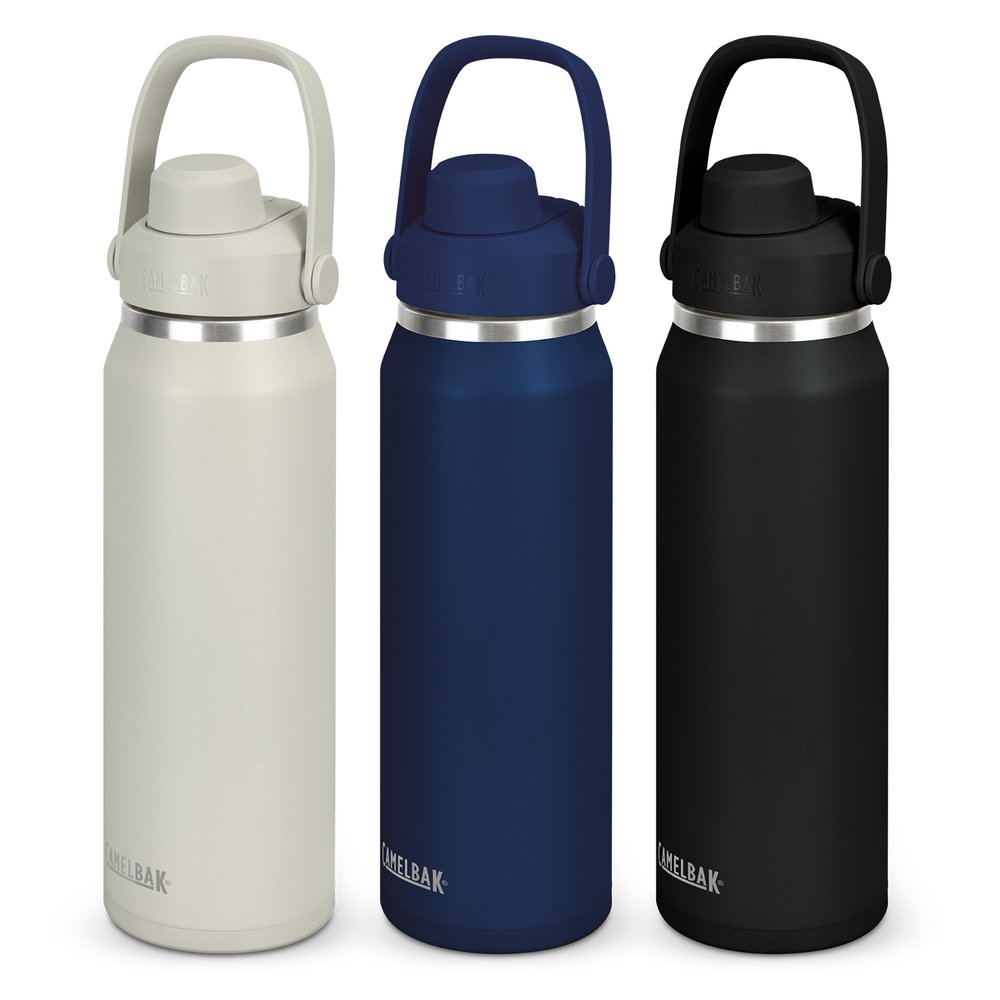
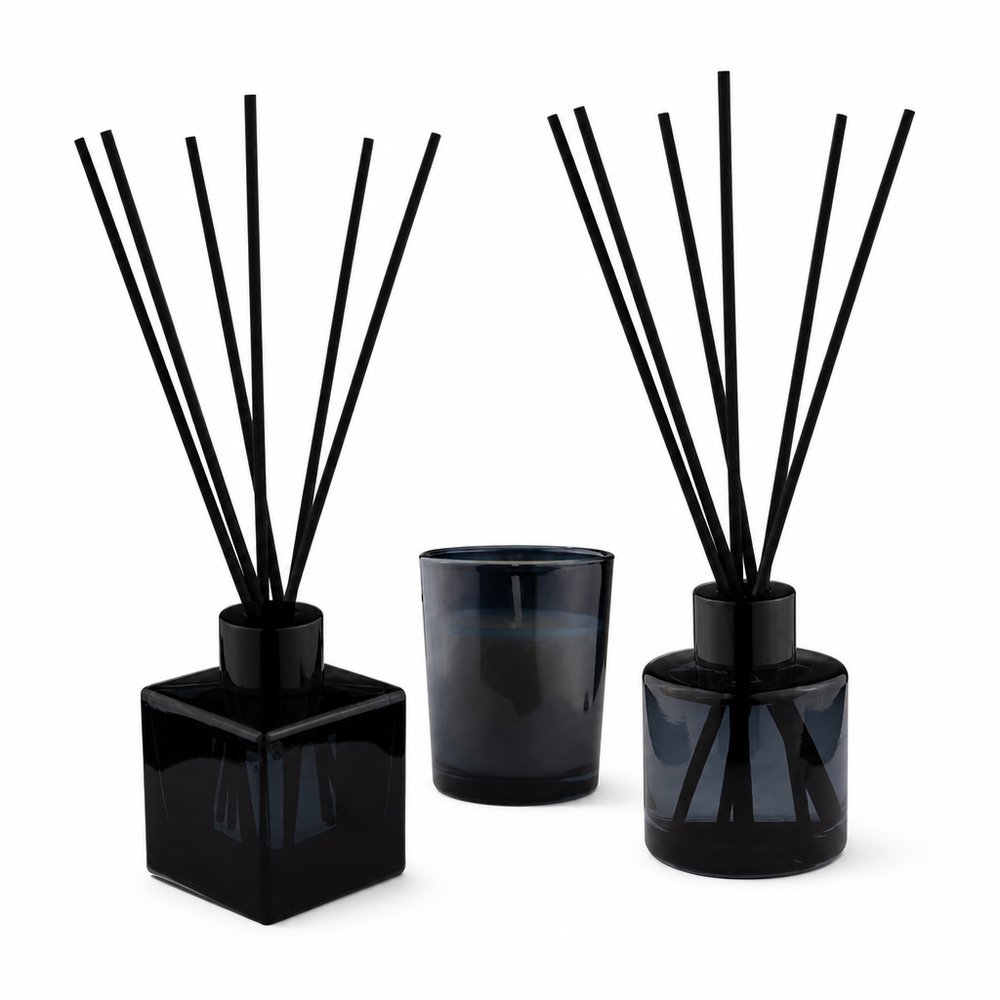
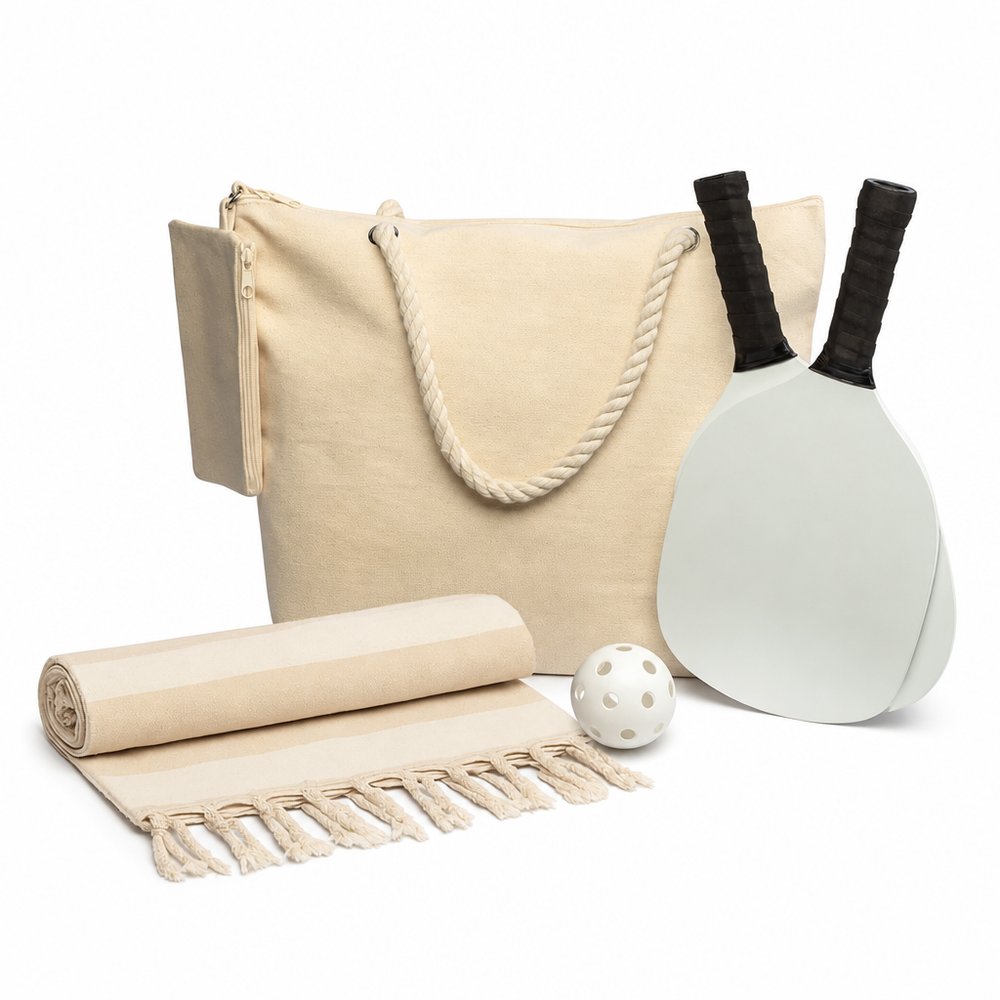
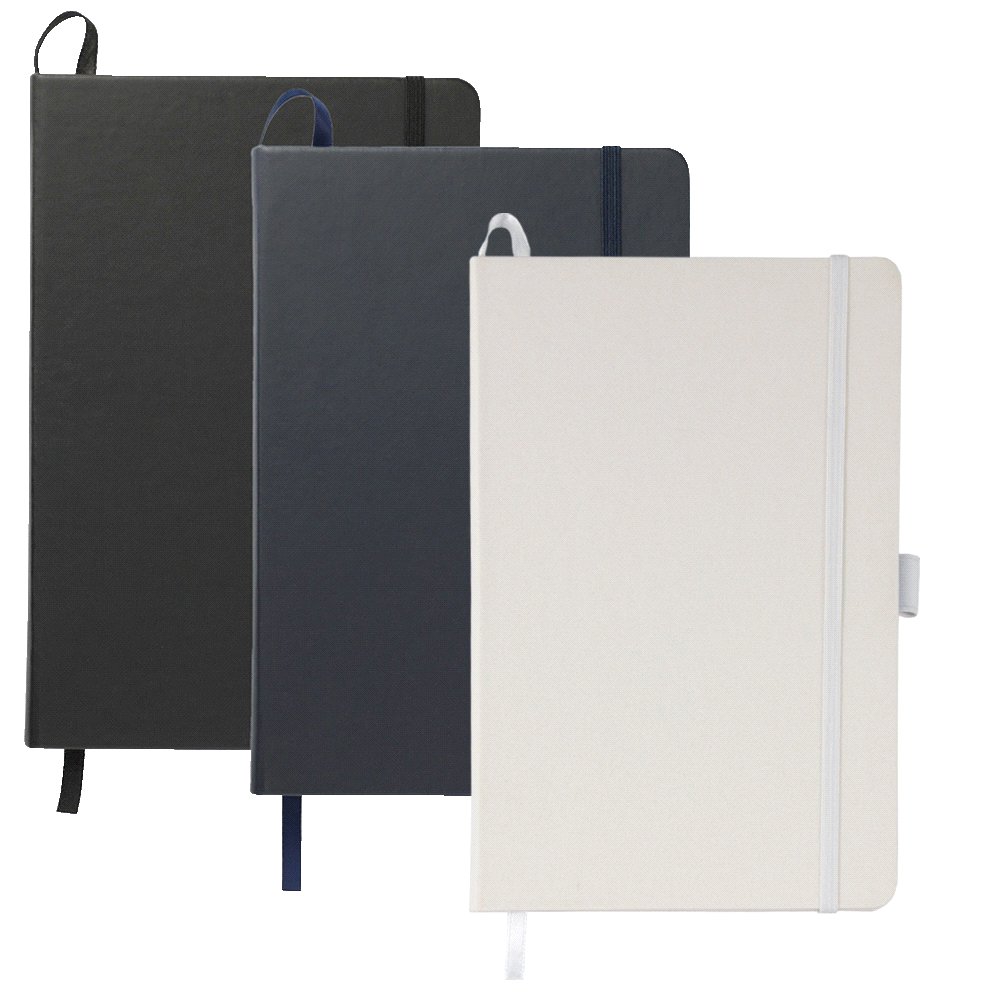
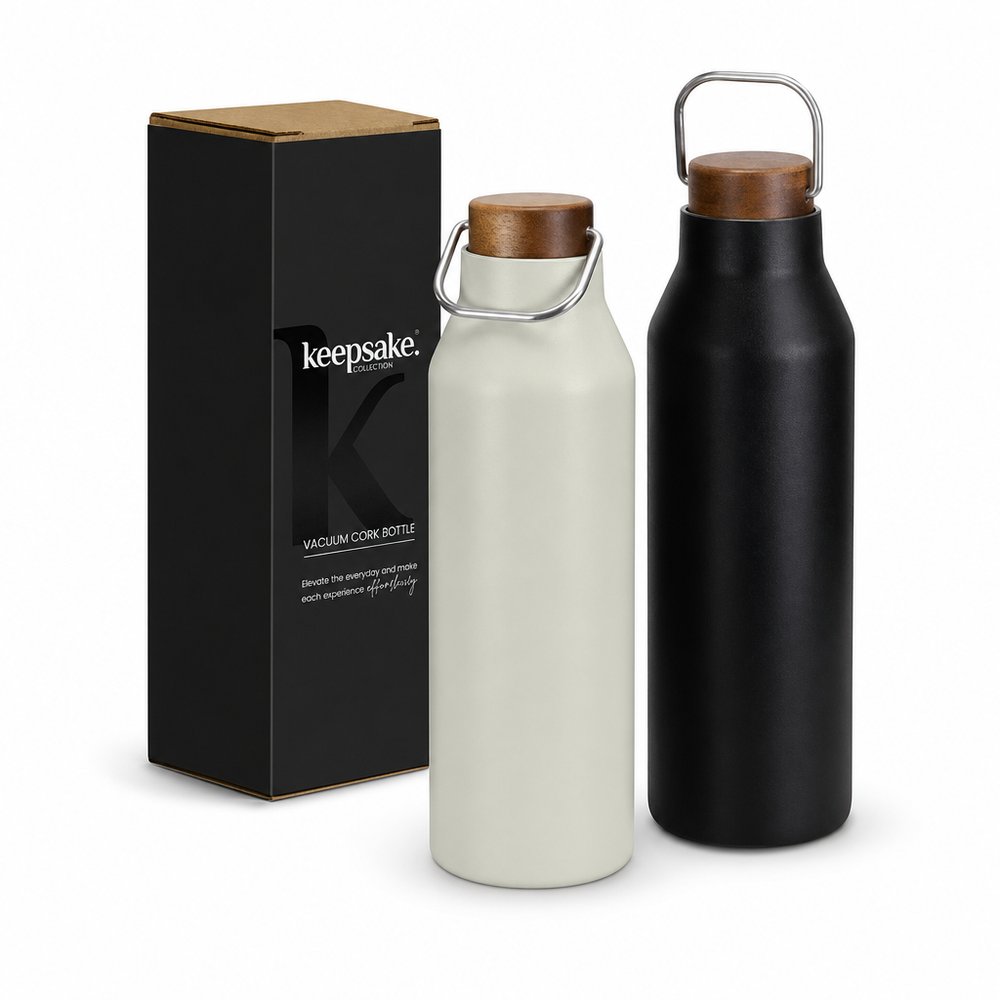
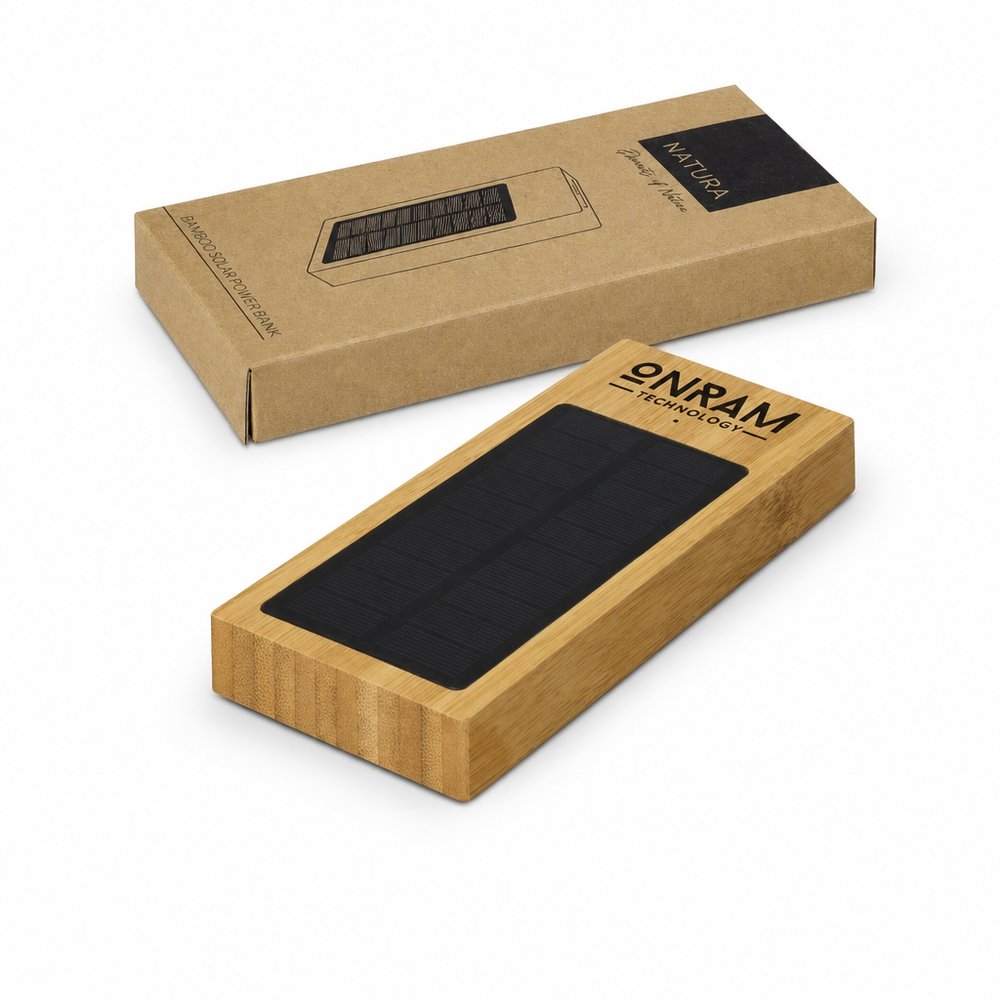
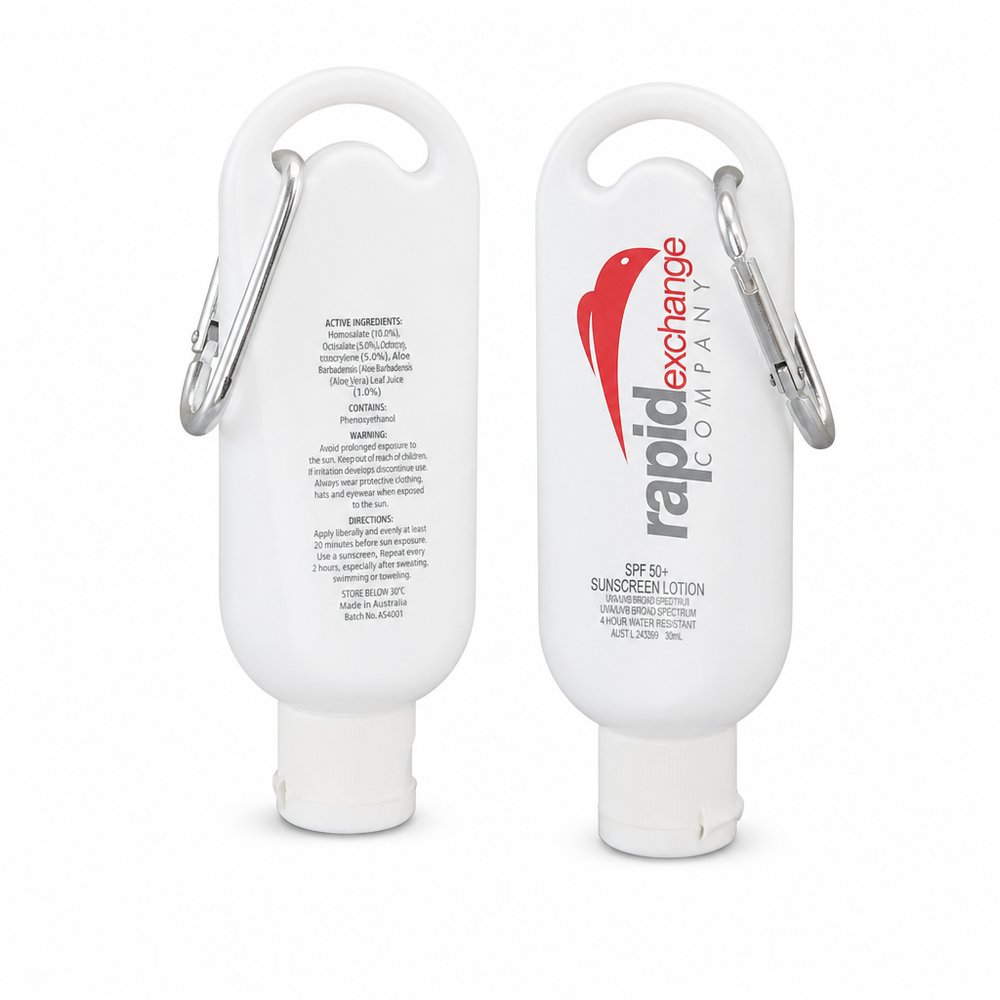

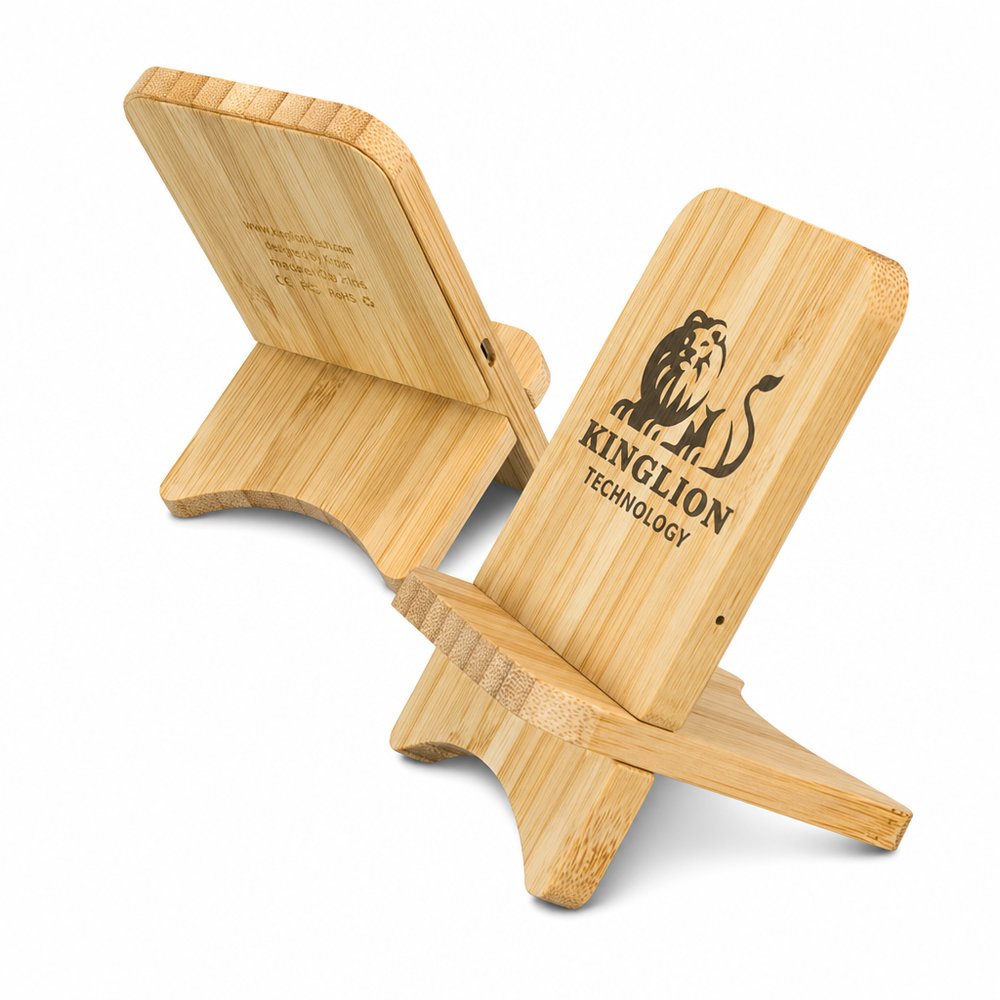
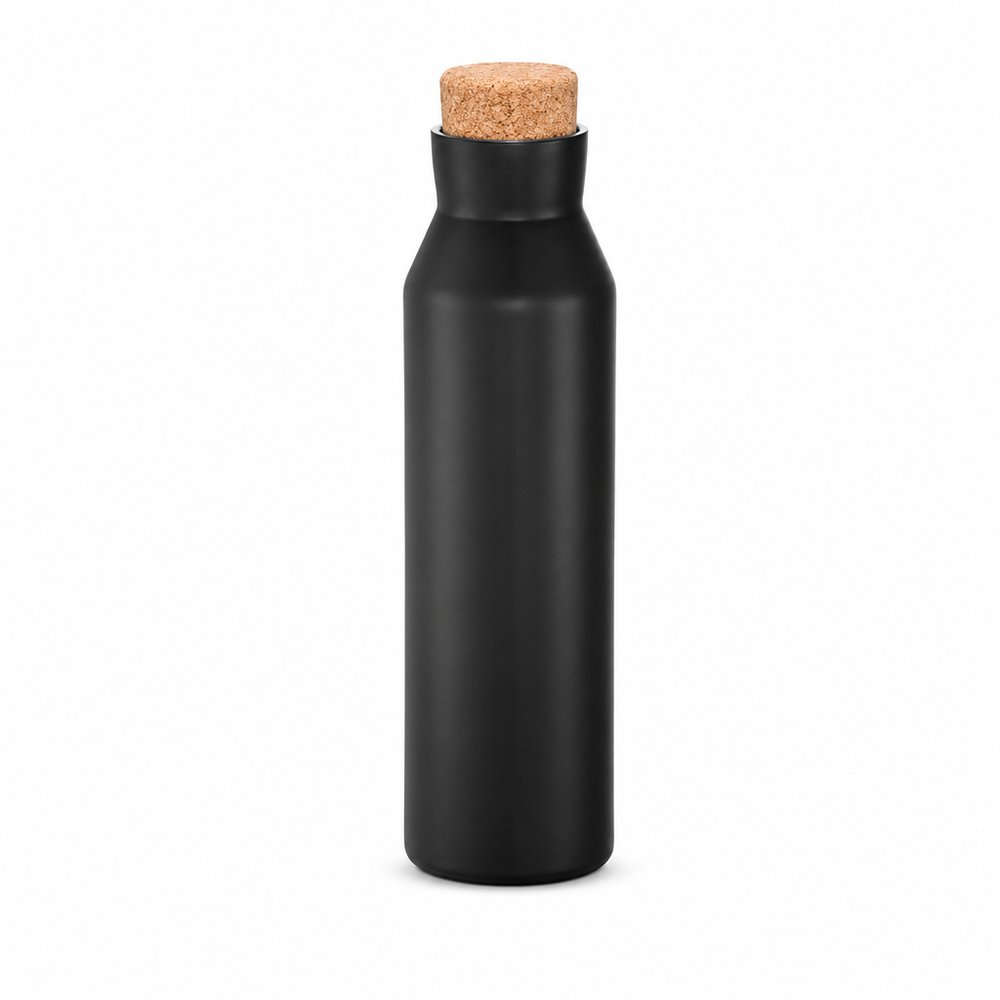
Our own edit — the products the Sense2 team loves putting a logo on. Beautiful branding canvases, proven crowd-pleasers, hand-picked by us.
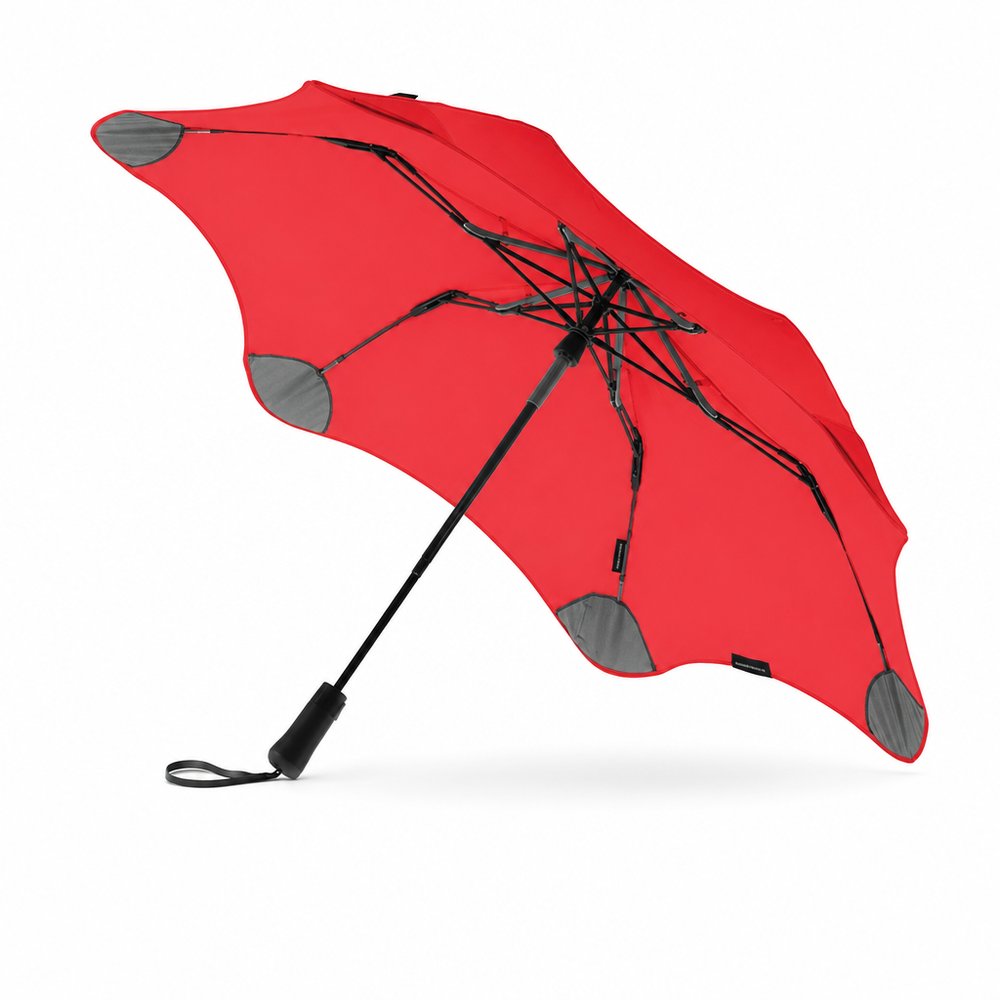
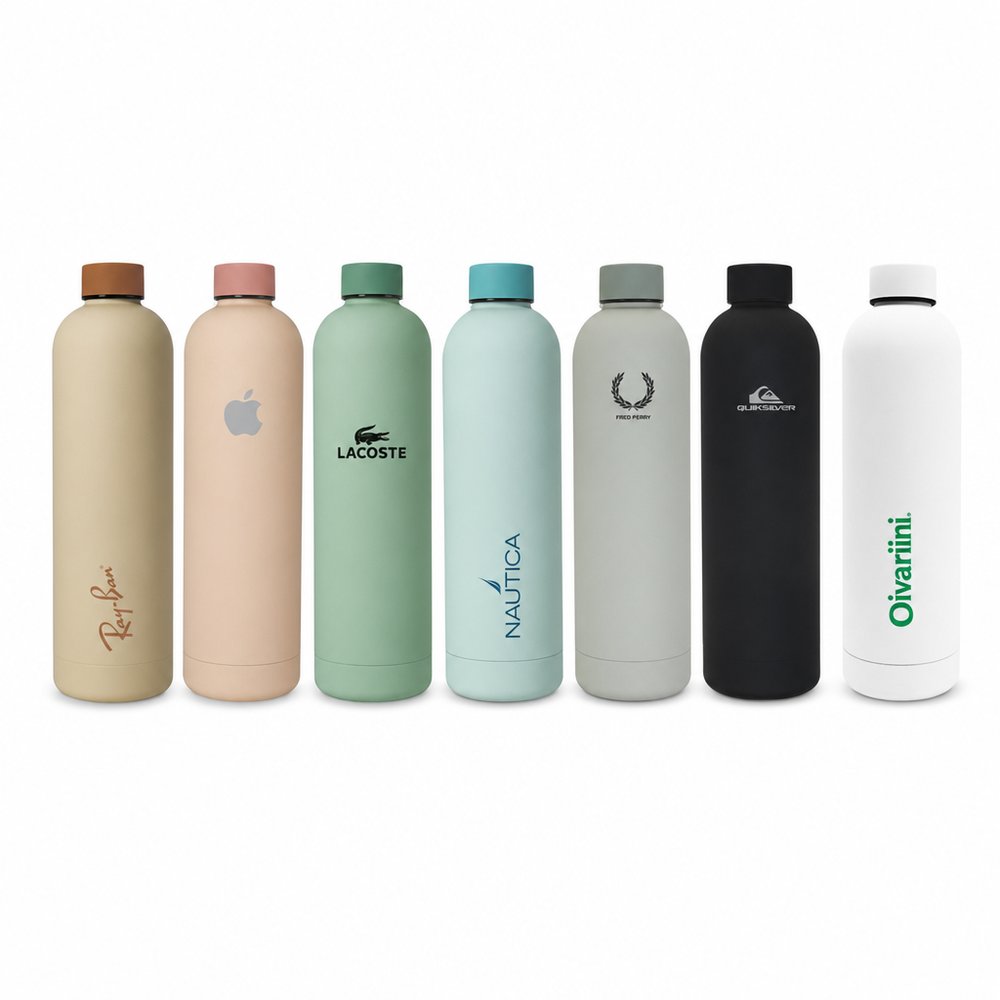
The pieces our customers keep coming back to — the products hearted and saved most across the Sense2 catalogue. A quiet, crowd-sourced vote for what actually lands.
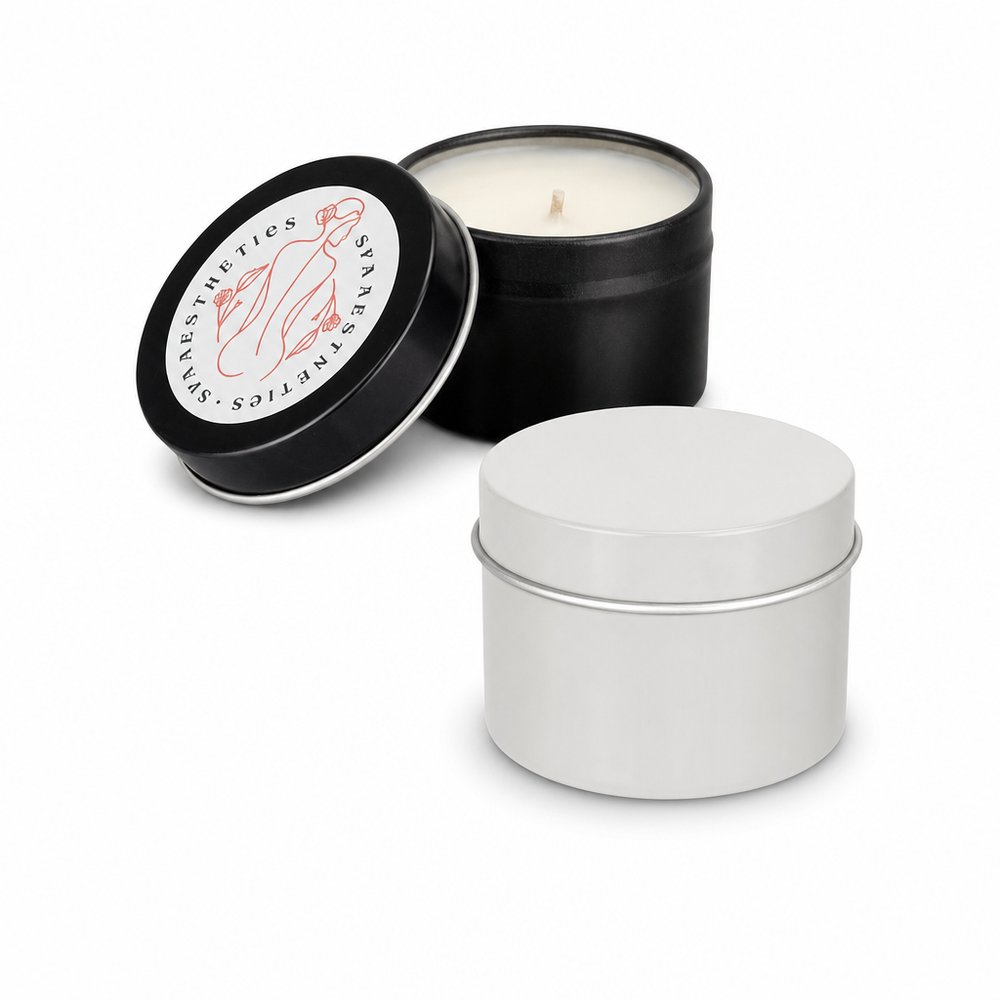

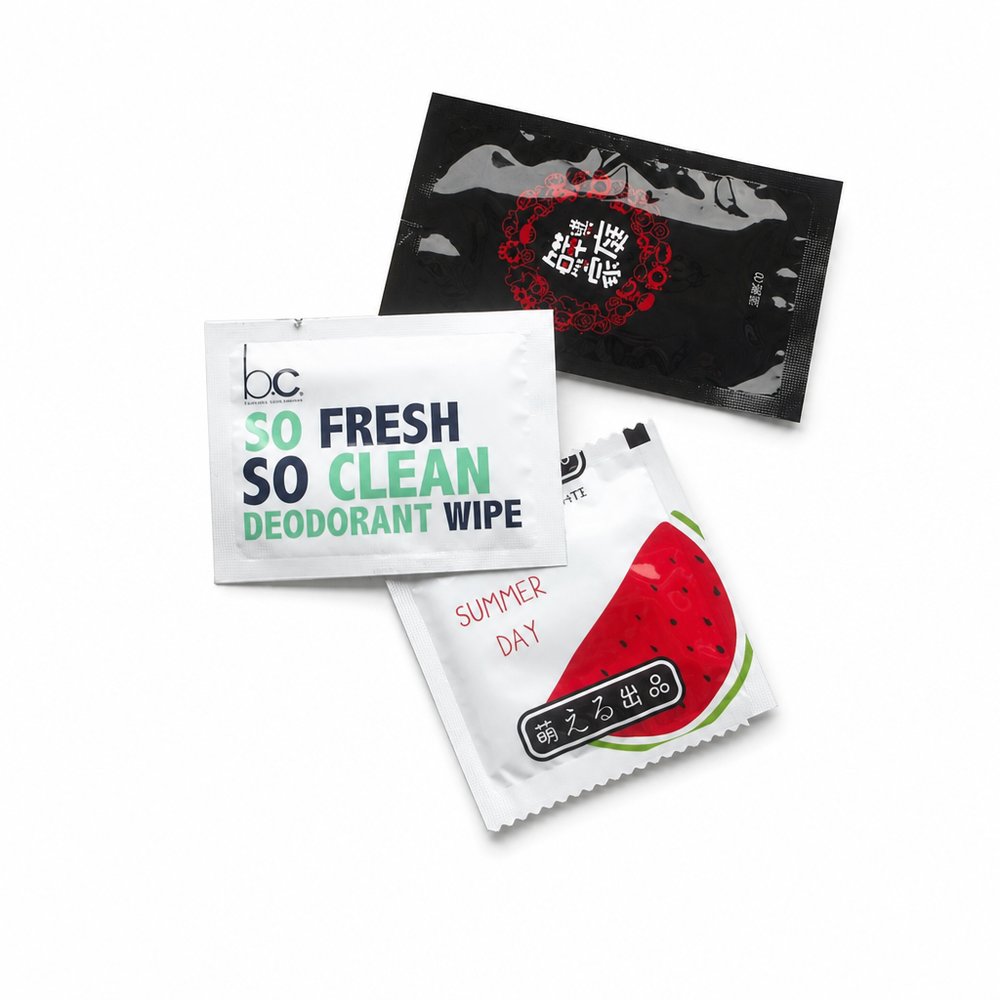

 Fast
Fast


The freshest arrivals our buying team has just added — the newest end of the catalogue, hand-picked. See something you like early, before it's everywhere.
No single feed gives you the full picture. Our buying team synthesises six distinct intelligence streams to decide what earns a place on this page each month.
Milan, London, Cologne, Maison&Objet, and the Scandinavian design fairs. Our team tracks the material, colour, and form language debuting on the world stage — what finishes are surfacing, what palettes are dominating, and what forms are being repeated across independent studios.
Materials and palettes that move from concept to product within 6-12 months
Pantone's Colour of the Year and seasonal trend palettes, cross-referenced with WGSN and CMG (Colour Marketing Group) forecasts. We map these to our product catalogue's available colourways so your brand lands in the right chromatic territory.
Which colours will read as 'now' for the next 12-18 months
We monitor the brand-crush feed on our own Inspirations page — the Instagram and TikTok work that independent studios and creative agencies are posting. When a visual approach (transparency, tactile brutalism, oversized typography) appears across multiple studios, it has crossed from experiment to movement.
Design approaches that have crossed from experiment to mainstream
Our suppliers — all APPA members — flag what they are tooling up for. When multiple factories invest in new moulds, finishes, or sustainable materials, that capital expenditure signals where the market is heading. Factories don't tool up for fads.
Where the industry is investing real capital — the strongest leading indicator
Thirty years of order data and customer feedback. We track which products get reordered campaign after campaign — the pieces that earn a second brief. A product that gets reordered is a product that was kept, used, and seen. That is the only real test of 'on trend': does it survive contact with the recipient?
What actually gets kept and reordered — the ultimate trend validation
Our brand manager Findie (powered by Gemini) ingests the curated list monthly, cross-references it against global design publications, and flags emerging patterns. Findie does not decide what goes on the list — the human buying team does. But Findie catches connections a single buyer might miss.
Pattern recognition across the full catalogue that no single human could see
These are the cross-category design movements we are seeing across our six intelligence sources. Each one is driving specific product choices in this month's edit.
The 'quiet luxury' aesthetic — materials over logos, tactile quality over visual noise — has moved from fashion houses into corporate merchandise. Buyers are asking for heavyweight cotton, full-grain leather, and ceramic finishes instead of glossy plastic. The brand is communicated through feel and weight, not through a large logo.
Heavyweight apparel, ceramic drinkware, leather goods, unbranded-feeling pieces
Recipients associate tactile quality with brand quality — the product does the brand work
Genuinely sustainable materials — bamboo, rPET, wheat straw, cork — are no longer a premium upsell. They are the baseline expectation. But the trend has moved past 'recycled' as a marketing claim. Buyers want material provenance: where it came from, how it was processed, and whether the end product is itself recyclable. Greenwashing is now a liability, not a strategy.
Bamboo fibre products, rPET bags, wheat straw utensils, FSC-certified timber, genuinely compostable items
Procurement teams and ESG officers now require material provenance, not just a recycling symbol
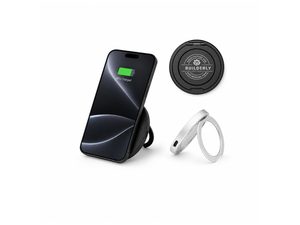
Power banks, magnetic chargers, and cable organisers have graduated from commodity giveaways to design objects. The trend is toward Apple-grade restraint: matte finishes, soft-touch surfaces, hidden magnets, and packaging that feels like a consumer electronics product, not a promotional item.
Magnetic wireless chargers, slim power banks, modular cable organisers, item trackers
Tech accessories are the most-used item in the daily carry — they get seen 5+ times per day
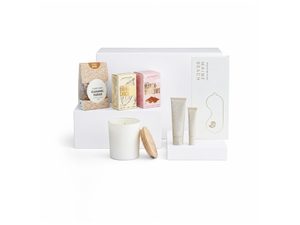
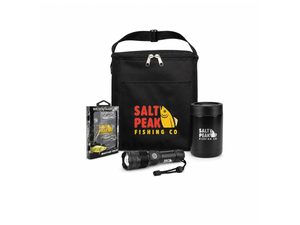
Single products are giving way to curated sets — a bottle + a journal, a tote + a notebook + a pen. The trend reflects a shift from 'giveaway' to 'gift', where the presentation and curation signal care. Buyers are building kits for onboarding, conferences, and client milestones rather than ordering a single item in bulk.
Coordinated gift sets, branded packaging, multi-item welcome kits, hampers
A curated set feels personal and considered — it gets kept where a single item gets forgotten
Smooth glossy surfaces are out. Matte, textured, embossed, and debossed finishes are in. This includes soft-touch coatings on drinkware, fabric-textured panels on tech, and debossed leather on notebooks. The trend reflects a broader sensory design movement — products that feel good in the hand get picked up and used more often.
Soft-touch drinkware, debossed notebooks, textured tech accessories, embossed apparel
Tactile products get handled more — and every handle is a brand impression
Being new is not the same as being on trend. A product can be freshly added to the catalogue and still feel dated. Equally, a product that has been in the catalogue for years can be genuinely on trend if it matches the current design moment. Here is how we tell the difference.
Every product is assessed against the five macro-movements above. Does it embody quiet luxury, material honesty, elevated tech, the gift-set moment, or tactile finishes? If it does not match at least one, it does not make the list — no matter how new it is.
We ask: would a creative agency, a design studio, or a fashion brand put their logo on this? If the answer is 'probably not', the product is not on trend. This filter removes items that are technically fine but aesthetically stuck in the 2010s.
A product can be beautiful and still be a poor branding canvas. We check: can it take a logo with dignity? Is there enough negative space? Does the branding method (laser engrave, deboss, screen print) match the product's finish? A product that only works with a small pad-printed logo on a visible seam does not make the cut.
If a product has been in the catalogue long enough to have order history, we check whether it gets reordered. Products that earn a second brief from the same client have passed the only real test: the recipient kept it. New products without reorder history are judged on the first three criteria alone.
Finally, Findie (our AI brand manager) reviews the curated list and flags any product that does not match the current trend signals in its training data. Findie's veto is not final — the human buying team decides — but it catches the occasional product that slipped through on enthusiasm rather than merit.
The on-trend edit is not a shopping list — it is a briefing tool. Here are six ways to use it when planning your next campaign.
Pick a single on-trend product as the hero of your campaign — the piece that gets photographed, featured in the invite, and arrives first. Everything else supports it.
Choose a product from the front of the on-trend edit — the first seven are the buying team's current top picks. Brief it with a bold, single-colour logo treatment rather than a full-bleed print.
The front-of-list products are there because they match multiple macro-trends simultaneously. A hero piece from this set is doing more brand work per dollar than any single category page browse.
Don't brief a single product. Brief a set of 2-3 on-trend pieces that work together — a bottle + a notebook, a tote + a pen + a cable organiser. The curation is the brand message.
Pick products from different macro-trend categories so the kit spans the full design moment. Pair a quiet-luxury piece with a tactile piece and an everyday-carry tech piece.
Gift sets have a 3× higher keep-rate than single items in our order data. The curation signals that someone thought about the recipient — which is the single biggest driver of brand recall.
If your brand is quiet and considered, choose matte, debossed, and natural finishes. If your brand is bold and energetic, choose vivid colours and high-contrast branding. The finish should match the brand's personality, not fight it.
Use the aesthetic filter on /shop to match products to your brand's vibe. The on-trend edit spans all aesthetics — filter to yours rather than picking the most popular item.
The most common briefing mistake is choosing a product because it's on trend, then branding it in a way that fights the product's design language. A matte ceramic mug with a glossy full-bleed logo is not on trend — it's confused.
On-trend products are chosen for the current season's design language. If you are briefing for a conference in three months, the edit may have moved. Brief for the event date, not today.
Check the 'last updated' date at the top of the on-trend page. If your event is more than 6 weeks out, ask Findie for a fresh shortlist closer to the date — the edit may have shifted.
The on-trend edit is regenerated monthly. A product that is on trend in July may be superseded by August. For events more than 6 weeks out, always re-check or ask Findie for a current shortlist.
On-trend products are designed to carry a brand quietly. Resist the urge to add more logos, more colours, more text. The product's design language is doing the brand work — your logo should be a signature, not a headline.
Brief a single-colour, small-format logo placement. Choose laser engrave or deboss over screen print where possible. Trust the product.
Our reorder data shows that products branded with restraint get kept 2.5× longer than products with large, multi-colour logos. The restraint IS the brand message.
The on-trend edit is 200+ products. Findie can narrow it to 5-8 pieces tailored to your brand, audience, and event — usually in under two minutes. Use the edit as a reference, then let Findie do the narrowing.
Go to the Findie search bar on any page. Describe your brand, your audience, and your event. Findie will cross-reference the on-trend edit with your brief and return a curated shortlist.
Findie reads the same curated on-trend list this page displays. It adds your brand context, audience, and budget to filter the list to the pieces that fit your specific brief — something no category browse can do.
The products on this page are here because they match the current design moment — not because they are new, and not because an algorithm flagged them. Every piece has been vetted by a human buying team against six intelligence sources and five macro-trends. That is why this edit is different from a 'trending' feed on any other promotional products site. It is curated, it is current, and it is built to make your brand look like it is paying attention.
Browse the full curated edit below, or ask Findie for a shortlist tailored to your brand.
It's a hand-curated edit of the most contemporary, most recently added promotional products in our catalogue — the pieces our buying team is actively recommending this month. Unlike an automated 'trending' feed, every item is vetted for current design and finish, and the list is refreshed monthly against new catalogue arrivals so it never goes stale.
Monthly. After each catalogue refresh our team re-curates the list, prioritising the newest arrivals and the pieces that read as current for the season. The homepage feature, this page, and the on-product 'On trend now' badge all read the same curated list, so what you see is consistent across the site.
Right now the edit leans into premium reusable drinkware, considered eco pieces in bamboo and rPET, everyday-carry tech, and elevated welcome-gift and gift-box sets — the pieces recipients actually keep. Browse the full curated set on this page, or ask our Brand assistant Findie for a shortlist tailored to your brand and audience.
Every piece here is fully brandable — screen print, full-colour digital, pad print, embroidery, laser engraving, deboss or dye sublimation depending on the product. You'll see a digital proof of your logo on the item before anything runs, and every quote carries a firm delivery date. Minimums vary by product; lighter pieces start from 25–100 units, apparel and premium pieces from 50–250.
Many on-trend lines are express-stock and ship branded within a week Australia-wide; fully custom-decorated or overseas-sourced pieces run 3–6 weeks depending on branding method and quantity. Every quote gives a firm date rather than a vague estimate, so events, launches and campaigns can plan against a real calendar.